
Setting up a fish tank for freshwater breeding can feel overwhelming, but it doesn’t have to be. Imagine watching your fish thrive and multiply right in your own home.
You want to create the perfect environment that keeps your fish healthy and encourages them to breed successfully. In this guide, you’ll discover simple, step-by-step tips to set up your tank just right. By the end, you’ll feel confident and ready to start your own freshwater breeding adventure.
Keep reading to unlock the secrets that make breeding easier and more rewarding than you ever thought possible.
Choosing The Right Tank
Setting up a fish tank for freshwater breeding needs careful tank choice. The right tank helps fish stay healthy and breed well.
Think about size, shape, material, and location. These factors affect fish comfort and tank maintenance.
Tank Size And Shape
Choose a tank size that fits your fish species and breeding goals. Bigger tanks offer more space and stable water conditions.
Shape matters for swimming space and decoration. Long tanks give more horizontal space. Tall tanks suit plants and vertical swimmers.
- Small tanks are harder to keep stable.
- Large tanks need more water and cleaning.
- Rectangular tanks are common and practical.
- Bow-front tanks offer better viewing but cost more.
Material Options
Most tanks are glass or acrylic. Glass is heavy but scratch-resistant and clear. Acrylic is lighter and stronger but can scratch easily.
Pick a material that fits your budget and handling needs. Both materials can work well for breeding tanks.
- Glass tanks resist scratches and are easy to clean.
- Acrylic tanks are lighter and less likely to break.
- Acrylic can yellow over time if not cared for.
- Check for safe seals and no leaks.
Location Considerations
Place your tank where it gets stable temperature and little sunlight. Direct sunlight can cause algae growth and temperature swings.
Choose a spot near power outlets for filters and heaters. Make sure the surface can hold the tank’s weight when full.
- Avoid places near windows or heaters.
- Keep tank away from heavy foot traffic.
- Ensure easy access for feeding and cleaning.
- Use a sturdy, level stand to support the tank.
Selecting Suitable Equipment
Setting up a freshwater fish tank for breeding needs careful equipment choice. Good tools help keep fish healthy and happy.
Each piece of equipment plays a role in creating the right environment for breeding. Let’s look at the main parts.
Filtration Systems
Filters clean the water by removing waste and harmful substances. They keep the tank water clear and safe for fish.
- Choose filters that provide mechanical, chemical, and biological cleaning.
- Look for adjustable flow rates to avoid stressing the fish.
- Canister and sponge filters are popular for breeding tanks.
- Regular maintenance of filters is needed to keep water quality high.
Heaters And Thermometers
Most tropical freshwater fish need steady warm water to breed. Heaters keep the temperature stable.
| Equipment | Purpose | Tip |
| Heater | Maintains warm water | Use one with adjustable thermostat |
| Thermometer | Monitors tank temperature | Place away from heater for accuracy |
Lighting Choices
Light affects fish behavior and plant growth. Use lighting that mimics natural daylight cycles.
- Select LED lights for energy efficiency and low heat output.
- Use timers to set consistent day and night periods.
- Avoid very bright lights that can stress the fish.
- Consider full-spectrum lights if you have live plants.
Aeration And Water Movement
Aeration adds oxygen to the water. Good water flow helps waste removal and keeps fish healthy.
- Air pumps: Push air into the tank to increase oxygen.
- Airstones: Spread air bubbles for better oxygen exchange.
- Powerheads: Create gentle water currents to simulate natural habitats.
Preparing The Tank Environment
Setting up a fish tank for freshwater breeding needs care. The right environment helps fish stay healthy.
Good preparation means choosing the right substrate, decorations, and plants. These create a safe space for fish to breed.
Substrate Selection
The substrate is the material at the tank bottom. It affects water quality and fish comfort.
Fine gravel or sand is best for breeding tanks. These allow eggs to settle safely without damage.
- Use smooth, small grains to protect eggs
- Avoid sharp or large gravel pieces
- Clean substrate regularly to prevent waste build-up
Decorations And Hiding Spots
Fish need places to hide and feel safe. Decorations create hiding spots and reduce stress.
Use caves, rocks, and driftwood to build shelters. These help protect eggs and fry from predators.
- Choose smooth decorations without sharp edges
- Arrange hiding spots evenly around the tank
- Keep enough open swimming space
Plants For Breeding
Live plants improve water quality and offer places to lay eggs. They also hide fry from adults.
Use soft-leaved plants like Java moss or Anubias. These plants are safe and easy to care for.
- Java moss traps eggs and fry safely
- Anubias grow well with little light
- Floating plants provide shade and cover
Water Parameters For Breeding
Setting up a fish tank for freshwater breeding requires careful attention to water parameters. These conditions are crucial for the health and breeding success of your fish.
Understanding the right temperature, pH, and water quality is essential. These factors create a safe and comfortable environment for fish to breed.
Temperature Settings
Temperature plays a key role in fish breeding. Most freshwater fish breed best in warm water. Keep the temperature between 75°F and 80°F for optimal breeding conditions.
Use a reliable aquarium heater. A thermometer helps monitor the temperature regularly. Consistency is important to prevent stress on the fish.
Ph And Hardness Levels
The pH level affects the health of fish. Most freshwater fish prefer a pH between 6.5 and 7.5. Test the water regularly to maintain these levels.
Water hardness is also important. Soft to moderately hard water is ideal. This is measured in parts per million (ppm).
- Soft water: 50-150 ppm
- Moderate water: 150-300 ppm
Water Quality Maintenance
Maintaining water quality is crucial for breeding. Regular water changes help keep the tank clean. Change about 10-20% of the water weekly.
Use a good filter to remove waste and toxins. A test kit can monitor ammonia, nitrite, and nitrate levels.
- Ammonia: 0 ppm
- Nitrite: 0 ppm
- Nitrate: Less than 20 ppm
Choosing Freshwater Breeding Fish
Setting up a fish tank for freshwater breeding needs careful fish selection. The right fish can make breeding easier and more successful.
Learn about popular breeding species, their behavior, and how to tell if they are ready to breed.
Popular Breeding Species
Some fish species are easier to breed in freshwater tanks. These fish often have clear breeding habits and good survival rates for fry.
- Guppies – colorful and very active breeders
- Mollies – hardy fish that breed often
- Platies – peaceful and easy to care for
- Angelfish – need more care but produce beautiful offspring
- Betta fish – breed in bubble nests with careful tank setup
Compatibility And Behavior
Choose fish that get along well. Some species fight or eat eggs. Knowing their behavior helps keep the tank peaceful and safe.
| Species | Temperament | Breeding Style |
| Guppy | Peaceful | Livebearer |
| Molly | Peaceful | Livebearer |
| Platy | Peaceful | Livebearer |
| Angelfish | Semi-aggressive | Egg layer |
| Betta | Aggressive | Bubble nest builder |
Breeding Readiness
Fish ready to breed show signs. Males often have brighter colors. Females may have a fuller belly or a breeding tube.
- Look for active courtship behaviors
- Check if females look plump with eggs
- Watch males display fins and colors
- Note any nesting activity or bubble making
Breeding Techniques
Setting up a fish tank for freshwater breeding requires careful planning. Understanding breeding techniques ensures the health and safety of fish.
Different fish species need specific conditions to breed. It’s important to replicate their natural environment for successful breeding.
Spawning Triggers
Spawning triggers are environmental changes that encourage fish to breed. These can include adjustments in temperature, water chemistry, and lighting.
Gradually increasing the water temperature can simulate seasonal changes. This often prompts fish to spawn.
- Maintain a stable water temperature
- Ensure proper pH levels
- Provide adequate lighting
Egg Care
Once the fish lay eggs, they need proper care to develop. Ensure the eggs are safe from predators and have optimal conditions.
Separating the eggs from adult fish can prevent them from being eaten. Use a breeding box or separate tank for this purpose.
- Keep eggs in a separate tank
- Maintain clean water conditions
- Monitor for fungal infections
Fry Rearing Methods
Fry rearing is crucial for the survival of young fish. Provide them with suitable food and a safe environment to grow.
Feed the fry small, nutritious foods like infusoria or baby brine shrimp. Ensure frequent water changes to keep the tank clean.
- Use fine food for small fry
- Perform regular water changes
- Monitor growth and health regularly
Feeding For Breeding Success
Proper feeding helps freshwater fish breed well. It supports their health and growth. Giving the right food at the right time is key.
Both adult fish and their fry need special diets. Feeding schedules also affect breeding outcomes. Let’s look at each part closely.
Diet For Adults
Adult fish need a balanced diet to stay healthy and prepare for breeding. High protein foods boost energy and fertility. Include live, frozen, or high-quality pellet foods.
- Live foods like brine shrimp and bloodworms
- Frozen daphnia or mosquito larvae
- Pellets made for breeding or high protein
- Vegetable matter such as blanched spinach or peas
Nutrition For Fry
Fry need tiny, nutritious food to grow strong. They digest different food than adults. Feed small amounts often to avoid waste and keep water clean.
| Food Type | Age of Fry | Benefits |
| Infusoria | First week | Small size, easy to digest |
| Baby brine shrimp | Second week | High protein, promotes growth |
| Crushed flakes | Third week+ | Varied nutrition, easy to eat |
Feeding Schedules
Keeping a feeding schedule helps fish stay healthy and ready to breed. Adults and fry need different feeding times and amounts.
- Feed adult fish twice daily with a small amount they can eat in five minutes.
- Feed fry four to six times daily in very small portions.
- Remove uneaten food quickly to keep water clean.
- Adjust food type as fry grow bigger.
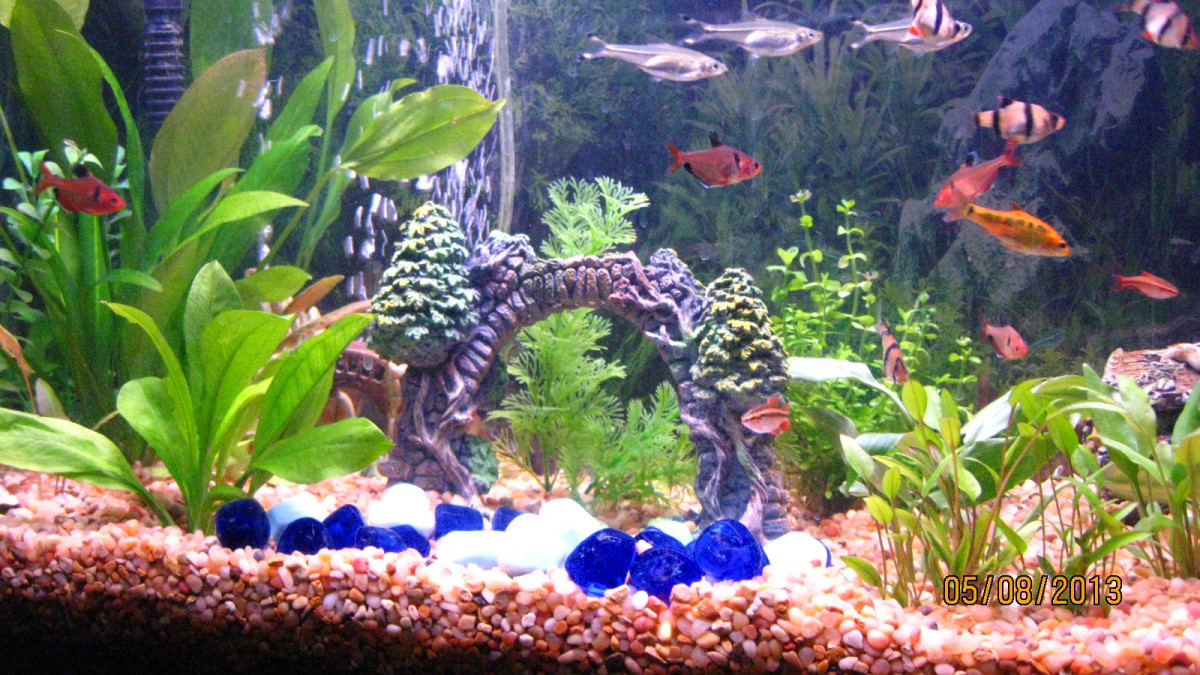
Credit: pethelpful.com
Common Challenges And Solutions
Setting up a fish tank for freshwater breeding brings many challenges. Proper care helps fish stay healthy and breed well.
Learn about common problems and simple solutions to make your aquarium successful.
Disease Prevention
Diseases spread quickly in crowded tanks. Keeping fish healthy needs good habits and careful observation.
- Quarantine new fish before adding them to the main tank.
- Keep the tank clean by removing waste and uneaten food.
- Use a good filter to maintain water quality.
- Feed fish balanced food to boost their immune system.
- Watch for signs of illness like spots, swelling, or strange behavior.
Managing Aggression
Aggressive fish can harm others and stop breeding. Managing their behavior is key for a peaceful tank.
| Cause | Solution |
| Territorial disputes | Add hiding places and decorations |
| Overcrowding | Reduce fish number |
| Dominant males | Separate or use larger tanks |
| Stress | Keep stable water conditions |
Water Quality Issues
Good water quality is critical for breeding success. Poor water harms fish health and eggs.
- Test water weekly for ammonia, nitrites, and nitrates.
- Change 25% of the water every week to keep it fresh.
- Keep water temperature stable for the fish species.
- Use a water conditioner to remove chlorine and chloramine.
- Keep pH in the right range for your fish.
Monitoring And Maintenance
Keeping your freshwater breeding tank healthy needs regular checks and care. Monitoring water and cleaning the tank help fish stay safe.
Good maintenance stops problems before they start. It also helps your fish grow strong and healthy.
Regular Tank Checks
Check the water daily for clear signs of trouble. Look for changes in water color, smell, or fish behavior.
Test water parameters like temperature, pH, and ammonia levels. Keep these values stable for good fish health.
- Check water temperature with a reliable thermometer
- Use test kits for pH, ammonia, nitrites, and nitrates
- Observe fish for signs of stress or illness
- Inspect filters and equipment for proper function
Cleaning Routines
Clean the tank regularly to remove waste and debris. This keeps the water clear and healthy for fish.
Change part of the water weekly. Avoid cleaning everything at once to protect beneficial bacteria.
- Remove uneaten food and dead plants daily
- Clean algae from glass and decorations weekly
- Perform 20-30% water changes every 7 days
- Rinse filter media gently in tank water monthly
Record Keeping
Keep a log of water tests, cleaning, and fish behavior. Records help spot problems early.
Note dates and details for tank maintenance tasks. This helps keep your routine consistent and effective.
- Write down water temperature and pH test results
- Record dates of water changes and filter cleanings
- Note any changes in fish health or behavior
- Track feeding schedules and breeding activity

Credit: www.aqqapet.com

Credit: www.pond-planet.co.uk
Frequently Asked Questions
What Is The Ideal Tank Size For Freshwater Breeding?
A 20-gallon tank is ideal for most freshwater breeding setups. It provides enough space for fish to breed and for fry to grow safely.
How Do I Maintain Water Quality For Breeding Fish?
Regular water changes and a reliable filtration system keep water clean. Test parameters like pH, ammonia, and nitrate frequently for stability.
Which Plants Are Best For Freshwater Breeding Tanks?
Live plants like Java moss, Anubias, and Hornwort offer shelter. They create a natural environment and help protect the fry from predators.
How Do I Control Tank Temperature For Breeding Success?
Maintain a stable temperature between 75-80°F using an aquarium heater. Sudden temperature changes can stress fish and reduce breeding chances.
Conclusion
Setting up a fish tank for freshwater breeding takes care and patience. Keep the water clean and the temperature steady. Choose the right plants and hiding spots for fish safety. Feed your fish well but don’t overfeed. Watch your fish often to spot any health issues early.
A good setup helps fish breed naturally and stay healthy. Enjoy the process and learn as you go. Freshwater breeding can be a fun and rewarding hobby. Keep things simple and steady for the best results.