
Setting up a fish tank can be exciting, but it can also be tricky when your fish don’t get along. Have you noticed your fish fighting or acting stressed?
That’s often because they need their own space. Creating territorial divisions in your fish tank is a simple way to keep peace underwater. In this guide, you’ll discover easy steps to organize your tank so every fish feels safe and comfortable.
Ready to transform your aquarium into a calm, happy home for your fish? Keep reading to learn how to make it happen.
Choosing The Right Tank
Setting up a fish tank with territorial divisions needs a good tank choice. The right tank helps fish live well and reduces fights.
Think about size, shape, material, and where to place your tank. Each factor affects the fish’s comfort and space.
Size And Shape Considerations
Choose a tank size that fits your fish and their territories. Bigger tanks give more space for fish to stay apart.
The tank shape affects swimming and hiding spots. Long tanks allow side-by-side territories. Tall tanks give vertical space.
- Large tanks help reduce fighting
- Long tanks work well for horizontal territories
- Tall tanks suit fish that swim up and down
Material Options
Most tanks come in glass or acrylic. Glass is heavier and clearer. Acrylic is lighter and stronger but can scratch.
Pick a material that fits your budget and care style. Both materials work well for territorial setups if cleaned often.
- Glass tanks are clear and scratch-resistant
- Acrylic tanks are light and impact-resistant
- Use proper cleaning tools for each material
Placement Tips
Place your tank away from direct sunlight to stop algae growth. Find a stable surface that can hold the tank’s weight.
Keep the tank in a quiet area to reduce fish stress. Avoid places with lots of noise or vibrations.
- Avoid direct sunlight to control algae
- Use a sturdy stand that supports the tank weight
- Choose a low-traffic, quiet spot
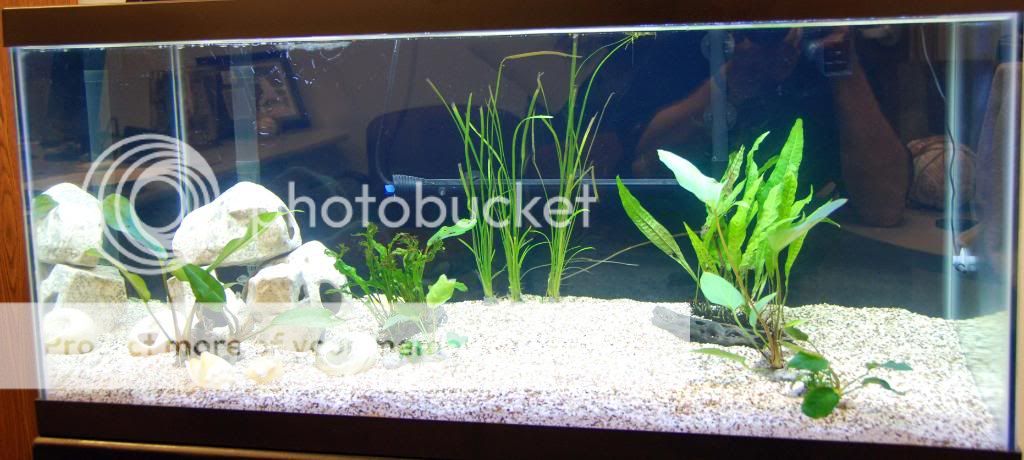
Credit: www.aquariacentral.com
Selecting Compatible Fish
Choosing the right fish for your tank is key for a healthy environment. Compatibility helps reduce fights and stress.
Understanding fish behavior and needs makes your tank peaceful and vibrant.
Identifying Territorial Species
Territorial fish claim specific areas in the tank and defend them strongly. These fish need enough space to avoid conflicts.
- Look for signs like chasing or hiding
- Species like cichlids and bettas are often territorial
- Provide decorations to create natural boundaries
- Separate aggressive species from peaceful ones
Balancing Aggressive And Peaceful Fish
Mixing aggressive and peaceful fish needs care. Too many aggressive fish can stress gentle ones.
| Fish Type | Behavior | Tank Needs |
| Aggressive | Chases and defends territory | Large space, hiding spots |
| Peaceful | Swims calmly, avoids fights | Open swimming areas |
| Neutral | Generally calm but may defend space | Moderate space, decorations |
Schooling And Social Behavior
Many fish prefer living in groups called schools. They feel safer and show natural behaviors.
- Schooling fish include tetras, danios, and barbs
- Keep at least six of the same species for comfort
- Social fish need space to swim together
- Avoid mixing schooling fish with very aggressive species
Designing Territorial Zones
Creating clear territorial zones in a fish tank helps reduce fights. Fish feel safer with their own space. Designing these zones can improve fish health and tank harmony.
Territorial divisions need careful planning. Use decorations, plants, and visual barriers to mark boundaries. Each method works well for different fish types.
Using Decorations As Boundaries
Decorations like rocks and caves create clear zones. Fish recognize these as borders and avoid crossing. Arrange decorations to make natural walls or islands inside the tank.
- Place large rocks to split the tank into sections
- Use caves or tunnels for hiding and territory claims
- Arrange decorations to allow swimming paths between zones
- Keep similar decorations in each zone for easy recognition
Plants And Hiding Spots
Plants offer cover and reduce stress for fish. They also mark territory without hard barriers. Different plants can define each zone by texture and height.
| Plant Type | Territorial Use | Best For |
| Java Fern | Dense cover at bottom | Bottom dwellers |
| Amazon Sword | Tall background zones | Mid to top swimmers |
| Floating Plants | Shade and visual breaks | Shy species |
Creating Visual Barriers
Visual barriers stop fish from seeing each other all the time. They lower aggression and stress. Use backgrounds or screens to separate zones visually.
Examples of visual barriers:
- Frosted glass panels inside the tank
- Background images with plants or rocks
- Partition screens made from aquarium-safe materials
- Floating decorations blocking direct sight

Credit: jungleaquatics.com
Water Parameters And Filtration
Setting up a fish tank with territorial divisions needs careful care of water quality. Good water helps fish stay healthy and reduces fights.
Filtration keeps the water clean and clear. Correct water parameters and filtration create a safe home for all fish.
Maintaining Optimal Conditions
Keep water temperature, pH, and hardness stable for fish comfort. Changing these can stress fish and cause illness.
Regular water changes help remove waste and keep chemicals balanced. Avoid sudden changes that upset fish.
- Temperature: Usually between 74°F and 80°F (23°C – 27°C)
- pH: Most fish like 6.5 to 7.5 range
- Hardness: Moderate hardness suits many species
- Ammonia and nitrite: Must be at zero
Choosing The Right Filter
Pick a filter that fits your tank size and fish number. It should clean water without making strong currents.
Filters can be hang-on-back, canister, sponge, or internal. Each type has good points for different tanks.
- Hang-on-back filters are easy to use and maintain
- Canister filters work well for large tanks
- Sponge filters are gentle and good for small fish
- Internal filters fit inside the tank and save space
Regular Testing And Adjustments
Test water weekly for ammonia, nitrite, nitrate, pH, and hardness. Use simple test kits for quick checks.
Adjust water with safe products if levels go out of range. Keep a log to track changes and fish health.
- Test ammonia and nitrite to stay at zero
- Check nitrate to keep under 40 ppm
- Monitor pH to stay stable
- Change 10-20% of water weekly
- Clean filter parts monthly without harming bacteria
Feeding Strategies
Feeding fish in a tank with territorial divisions requires care. Each fish needs enough food without conflicts.
Good feeding strategies keep all fish healthy and reduce stress in the tank.
Preventing Food Competition
Fish may fight over food if they feel hungry or crowded. This can cause injury or stress. Feeding fish in separate zones helps avoid this.
Use feeding rings or place food near each fish’s territory. This stops dominant fish from taking all food.
- Feed fish in their own space
- Use slow sinking pellets to reduce chasing
- Spread food evenly to avoid crowding
Feeding Schedules
Regular feeding times help fish expect food and reduce stress. Feed small amounts twice a day for most fish.
Keep the schedule steady. Avoid overfeeding to keep water clean and fish healthy.
- Feed morning and evening
- Remove uneaten food after 5 minutes
- Adjust feeding if fish are more or less active
Diet Variations For Different Species
Different fish species need different foods. Some eat plants, others prefer meat or flakes. Offer a varied diet to keep them healthy.
Check each species’ needs and give food that matches their natural diet. This helps them grow and stay active.
- Herbivores need algae or vegetable flakes
- Carnivores prefer live or frozen insects and pellets
- Omnivores eat a mix of plant and animal foods

Credit: www.reddit.com
Monitoring Fish Behavior
Setting up a fish tank with territorial divisions helps keep peace among fish. Watching fish behavior is important to ensure they are happy and healthy.
Fish can show different behaviors when they feel safe or stressed. Knowing these signs helps in maintaining a balanced environment.
Signs Of Stress And Aggression
Stressed fish may hide or swim erratically. They might also lose color or have clamped fins.
Aggressive fish may chase others or nip fins. They often guard their territory fiercely.
- Hiding more than usual
- Faded colors
- Chasing or nipping other fish
Intervention Techniques
If you see stress or aggression, act quickly. Move aggressive fish to a separate tank if needed.
Add plants or decorations to create hiding spaces. This helps reduce tension among fish.
- Separate aggressive fish
- Add more hiding spots
- Check water conditions regularly
Adjusting Territories Over Time
Fish territories might need changes as they grow. Rearrange decorations to create new spaces.
Monitor how fish interact with new territories. Ensure all fish have enough space.
| Time Period | Action |
| Weekly | Observe fish behavior |
| Monthly | Rearrange tank decorations |
| As needed | Separate aggressive fish |
Maintenance And Cleaning
Keeping a fish tank clean is vital for the health of the fish. Regular maintenance prevents stress and illness in the tank.
Understanding territorial divisions helps in managing tasks without disturbing the fish. This ensures a healthy and peaceful environment.
Routine Tasks
Routine tasks are essential for a balanced aquarium. These tasks keep the tank clean and prevent algae growth.
- Check water temperature daily
- Feed fish in small quantities twice a day
- Test water parameters weekly
- Remove uneaten food and waste
Handling Tank Changes Without Disturbing Territories
Fish are sensitive to changes in their environment. Sudden changes can disrupt their territories and cause stress.
When making changes, move slowly and keep the fish’s space intact. Use tools that do not stir up the substrate too much.
Equipment Upkeep
Maintaining equipment ensures the tank functions well. Regular checks prevent malfunctions that can affect water quality.
| Equipment | Maintenance Frequency |
| Filter | Biweekly cleaning |
| Heater | Monthly check |
| Lights | Replace yearly |
| Air Pump | Quarterly maintenance |
Frequently Asked Questions
How Do Territorial Divisions Benefit Fish Tank Setups?
Territorial divisions reduce fish aggression by creating separate zones. They help maintain peace and natural behavior. This setup mimics natural habitats, promoting healthier fish interactions and less stress. It also optimizes space use, allowing multiple species to coexist comfortably.
What Materials Work Best For Territorial Divisions?
Glass, acrylic panels, and mesh screens are popular materials. They are durable, transparent, and easy to clean. Plants and rocks can also serve as natural dividers. Choose materials that don’t harm fish and fit your tank size well.
How To Choose Fish For A Tank With Territorial Divisions?
Select species with known territorial behavior to benefit from divisions. Avoid overly aggressive or very shy fish. Research compatibility and space needs. Territorial divisions help balance dominant and peaceful species in one tank.
Can Territorial Divisions Affect Water Quality?
Divisions can limit water flow, potentially causing stagnant areas. Proper filtration and circulation are essential to maintain water quality. Regular cleaning and monitoring ensure healthy conditions for all tank zones.
Conclusion
Setting up a fish tank with clear territorial divisions helps fish live peacefully. Each fish gets its own space to swim and rest. This reduces fights and stress among fish. Use plants, rocks, or decorations to mark these areas. Keep an eye on fish behavior to adjust spaces if needed.
A well-planned tank creates a healthy, calm environment. Enjoy watching your fish thrive in their own zones. Simple steps make a big difference for your aquarium.