
Are you struggling to keep your pH levels balanced despite using treatments? You’re not alone.
Maintaining the right pH is crucial for your health, skin, or even your garden, depending on what you’re treating. If your pH is off, treatments won’t work as well, and you might even make things worse. But don’t worry—this guide will show you simple, effective ways to maintain your pH with the right treatments.
Keep reading, and you’ll discover easy steps that make a big difference, helping you get the results you want faster and with less hassle.

Credit: indeedlabs.com
Why Ph Balance Matters
PH balance shows how acidic or alkaline a substance is. Our body works best when its PH is balanced.
Keeping the right PH helps the body fight sickness and stay healthy. Treatments can keep PH in check.
Effects Of Ph On Health
PH affects many body functions like digestion and energy levels. A wrong PH can cause health problems.
Balanced PH supports good bacteria and stops harmful germs from growing. It also helps skin and bones stay strong.
- Proper PH helps clear skin
- PH balance improves digestion
- It boosts immune system
- Prevents inflammation and pain
Common Ph Imbalances
Too much acid or base in the body causes PH imbalances. This can lead to illnesses and discomfort.
Acidosis means the body is too acidic. Alkalosis means it is too alkaline. Both need treatment to fix.
- Acidosis causes tiredness and headaches
- Alkalosis can cause muscle twitching
- Both affect breathing and heart rate
- Treatments include diet changes and medicine

Credit: codeskin.in
Testing Ph Levels
Maintaining the correct pH level is important for water quality and health. Testing pH regularly helps you take proper actions.
Use accurate methods and tools to check the pH. This guide explains how to choose kits, test properly, and when to test.
Choosing The Right Test Kit
Select a pH test kit that fits your needs and is easy to use. Some kits show results with strips, others use digital meters.
- Test strips: Cheap and simple, but less precise.
- Liquid test kits: Use color changes to show pH levels.
- Digital pH meters: Offer exact readings and are reusable.
- Consider the water type: aquarium, pool, or soil kits differ.
How To Test Accurately
Follow these steps to get a correct pH reading every time.
- Collect a clean water sample in a clear container.
- Rinse test tools with the water before testing.
- Dip the test strip or sensor into the water sample.
- Wait the time the kit instructions say for results.
- Compare colors or read digital numbers carefully.
When To Test Ph
Testing pH at the right times helps keep conditions balanced and safe.
| Situation | Reason to Test |
|---|---|
| After adding chemicals | Check if pH changes need correction |
| Weekly checks | Monitor stability over time |
| Before water changes | Ensure new water has correct pH |
| When fish or plants show stress | Identify pH as a possible cause |
Treatment Options For Ph Balance
Maintaining the right pH balance is key for good health. It helps your body work properly and fight off illness.
There are several ways to keep your pH levels in check. These include natural remedies, chemical treatments, and changes in diet.
Natural Remedies
Natural remedies use plants and simple methods to support pH balance. They are gentle and easy to use at home.
- Drink lemon water to help alkalize your body
- Use apple cider vinegar diluted in water for digestion
- Consume aloe vera juice to soothe acidity
- Apply baking soda paste to neutralize skin pH
Chemical Treatments
Chemical treatments often involve products that adjust pH quickly. They are useful for specific conditions but should be used carefully.
| Treatment | Use | Notes |
| Antacids | Reduce stomach acid | Short term use only |
| pH Balancing Creams | Restore skin pH | Apply as directed |
| Alkaline Water | Neutralize body acidity | Drink in moderation |
Dietary Adjustments
Changing your diet helps control pH by adding or reducing certain foods. This is a natural way to support balance over time.
- Eat more fruits like bananas and melons
- Include vegetables such as spinach and kale
- Limit processed and sugary foods
- Drink plenty of water throughout the day
Maintaining Ph With Lifestyle Changes
Keeping your body’s pH balanced is important for good health. Small lifestyle changes can help maintain the right pH level.
This guide covers simple habits to support your body’s natural balance.
Hydration Habits
Drinking enough water helps keep your body’s pH stable. Water flushes out acids and toxins.
Try to drink water throughout the day, not just when you feel thirsty.
- Drink at least 8 glasses of water daily
- Choose mineral water for extra minerals
- Avoid sugary and caffeinated drinks
Exercise And Stress Management
Regular exercise helps balance pH by reducing acid build-up in muscles. It also lowers stress, which affects pH levels.
Try to include calming activities to manage stress well.
- Do moderate exercise like walking or cycling
- Practice deep breathing or meditation
- Get enough sleep every night
Avoiding Ph Disruptors
Certain foods and habits can upset your body’s pH balance. Avoiding these helps keep your body healthy.
Focus on reducing acidic foods and other disruptors in your daily routine.
- Limit processed and fast foods
- Reduce intake of sugary snacks and drinks
- Avoid smoking and excessive alcohol
- Eat more fruits and vegetables
Troubleshooting Common Issues
Keeping the pH balance right is key for healthy water or soil. Sometimes treatments may not work well. It helps to know how to fix common problems.
Check signs of pH imbalance early. Adjust treatments carefully to avoid harm. Get expert help if needed.
Signs Of Ph Imbalance
Watch for these signs that show pH levels are off:
- Water or soil looks cloudy or smells strange
- Plants or aquatic life appear unhealthy or stunted
- Growth slows down or stops
- Treatments do not seem to change pH levels
- Unusual buildup of minerals or algae
Noticing these signs early helps fix problems faster.
Adjusting Treatments Safely
Change treatments in small steps to avoid sudden shifts. Test pH often before and after adjustments.
- Use pH test kits or meters regularly
- Add treatments slowly, in small amounts
- Follow product instructions carefully
- Avoid mixing different chemicals without guidance
- Keep records of changes and results
Safe adjustments protect plants, animals, and equipment.
When To Seek Professional Help
Ask an expert if you cannot fix pH problems yourself. Complex issues may need special tools or knowledge.
- pH levels stay too high or too low after treatments
- Signs of damage to plants, fish, or soil continue
- Unsure which treatment to use or how much
- Equipment for testing or treating is unavailable
- Multiple problems occur at the same time
Professionals can provide advice and solutions to protect your environment.
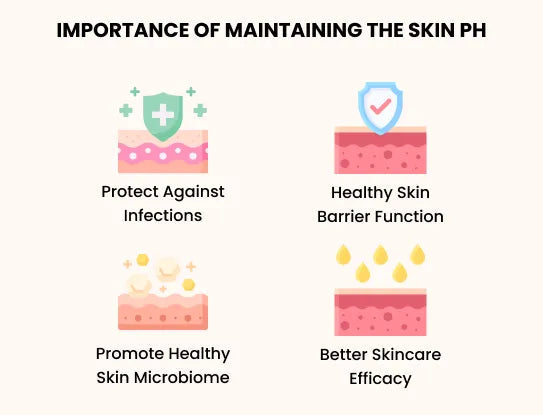
Credit: www.justskin.asia
Tools And Products For Ph Control
Maintaining the right pH level is crucial for various environments. Proper pH control ensures the health of plants, animals, and even humans. Using the right tools and products can help keep pH levels stable.
Different tools are available to monitor pH levels. Products are also available to adjust these levels when needed. Knowing how to use them is essential for effective pH management.
Ph Monitoring Devices
Monitoring devices help check pH levels accurately. These tools are easy to use and provide quick results. They are essential for anyone looking to maintain pH balance.
- Digital pH meters offer precise readings
- pH test strips are simple and portable
- Smartphone apps can also monitor pH
Recommended Treatment Products
Once you know the pH level, you may need to adjust it. Products are available to raise or lower pH levels efficiently. Choose the right product for your specific needs.
- pH up solutions increase pH levels
- pH down solutions decrease pH levels
- Buffer solutions help maintain stable pH
Maintenance Schedules
Regular maintenance is key to consistent pH control. Setting a schedule helps prevent fluctuations. It also ensures that tools and products are used effectively.
| Frequency | Action |
| Daily | Check pH levels |
| Weekly | Adjust pH if necessary |
| Monthly | Calibrate monitoring devices |
Frequently Asked Questions
What Is The Ideal Ph Level For Treatments?
The ideal pH level for most treatments is between 6. 5 and 7. 5. This range ensures optimal chemical balance and effectiveness. Maintaining this pH helps treatments work efficiently without causing harm or irritation.
How Often Should Ph Levels Be Tested During Treatments?
Test pH levels daily during treatments to ensure stability. Frequent testing allows quick adjustments. This prevents treatment failure and maintains optimal conditions for desired results.
What Are Common Treatments To Adjust Ph Levels?
Common treatments include adding pH increasers like sodium carbonate or pH reducers like muriatic acid. These adjust pH safely and effectively. Choose treatments based on current pH readings for best results.
Can Improper Ph Affect Treatment Results?
Yes, improper pH can reduce treatment effectiveness and cause damage. High or low pH can neutralize chemicals or irritate surfaces. Maintaining correct pH is crucial for successful treatment outcomes.
Conclusion
Maintaining proper pH levels helps keep your treatments effective and safe. Test your pH regularly to catch changes early. Use the right products to adjust pH quickly and gently. Consistent care prevents damage and improves results. Small steps make a big difference over time.
Stay patient and watch your treatment work better each day. Simple habits lead to healthier skin or water conditions. Keep it balanced, keep it healthy.