
Is your aquarium water safe for your fish? Heavy metal contamination can quietly harm your underwater pets, even if the water looks clear.
You might not see the problem, but metals like copper, lead, and mercury can build up and threaten your aquarium’s health. If you want to keep your fish vibrant and your tank thriving, understanding how to treat heavy metal contamination is essential.
You’ll discover simple and effective ways to protect your aquarium from these hidden dangers. Keep reading to learn how to make your tank a safe haven for your aquatic friends.

Credit: www.amazon.com
Sources Of Heavy Metals In Aquariums
Heavy metals can harm fish and plants in aquariums. They come from different sources. Knowing these sources helps keep your tank safe.
This guide explains where heavy metals enter aquarium water. It covers tap water, decorations, substrates, fish food, and supplements.
Tap Water Contaminants
Tap water often contains heavy metals like lead, copper, and mercury. These come from old pipes and water treatment processes. Using untreated tap water can add metals to your aquarium.
Testing your tap water helps find these metals. Using water conditioners can reduce their effects. Always check water quality before adding it to your tank.
Decorations And Substrates
Some aquarium decorations and substrates contain heavy metals. Metal-based ornaments and certain rocks can release metals into the water over time. This can poison fish and plants.
- Metal decorations can corrode and leak metals.
- Natural rocks may have heavy metals like arsenic or lead.
- Painted or treated items might contain toxic substances.
- Some gravel and sand can leach metals into the water.
Choose decorations made for aquariums. Avoid items that are not tested for safety.
Fish Food And Supplements
Fish food and supplements can contain trace amounts of heavy metals. These come from contaminated ingredients or poor manufacturing. Feeding fish with metal-contaminated food can build up metals in their bodies.
| Type | Possible Metals | Source |
| Dry pellets | Lead, Cadmium | Contaminated grains or fish meal |
| Freeze-dried food | Mercury, Arsenic | Polluted water in source habitat |
| Supplements | Copper, Zinc | Impurities in ingredients |

Credit: www.amazon.com
Signs Of Heavy Metal Toxicity
Heavy metals in aquarium water can harm fish and plants. These metals come from pipes, decorations, or contaminated water.
It is important to spot signs of toxicity early. This helps protect your aquarium life and keep the environment safe.
Behavioral Changes In Fish
Fish exposed to heavy metals often act strangely. They may swim slower or hide more than usual.
Some fish might lose their balance or swim near the water surface to breathe.
- Reduced activity or lethargy
- Gasping at the surface
- Erratic or unsteady swimming
- Loss of appetite
Physical Symptoms
Heavy metals cause visible damage to fish bodies. Their skin or fins may develop spots or tears.
Fish can also show swelling or redness on their gills and body.
- Discolored or faded scales
- Clamped fins
- Red or inflamed gills
- Ulcers or lesions on skin
Impact On Plant Life
Heavy metals hurt aquarium plants by blocking nutrients. Plants may stop growing or turn yellow.
Leaves can become thin, brittle, or show brown spots.
- Slow or no growth
- Yellowing or browning leaves
- Leaf edges curling or dying
- Weak or falling leaves
Testing And Detecting Heavy Metals
Heavy metals like lead, mercury, and copper can harm fish and plants in aquariums. Testing water helps keep the tank safe and clean.
Detecting these metals early stops damage to your aquatic life. Regular checks are important for a healthy aquarium.
Water Testing Kits
Water testing kits are easy tools for checking heavy metals at home. They use strips or liquid drops to show metal levels.
These kits give quick results. You can test for metals like lead, copper, and iron by following simple instructions.
- Test strips change color based on metal concentration
- Liquid reagents mix with water samples for clear results
- Most kits include color charts for easy reading
Professional Lab Analysis
For detailed and accurate results, send water samples to a professional lab. Labs use advanced tools to detect tiny metal amounts.
Lab reports show exact metal levels and suggest treatment options. This helps keep your aquarium environment safe over time.
- Uses instruments like atomic absorption spectrometry
- Detects metals at very low concentrations
- Provides precise data for proper treatment
Frequency Of Testing
Testing frequency depends on tank size, type, and water source. New tanks or tap water may need more frequent checks.
Regular testing helps catch metal buildup early. Monthly testing works for most home aquariums.
- Test weekly after setting up a new tank
- Test monthly for established tanks
- Test after adding new decorations or water sources
Chemical Treatment Options
Heavy metals in aquarium water can harm fish and plants. Removing these metals is important for a healthy tank.
Chemical treatments help reduce or remove heavy metal contamination. Several options exist to keep water safe.
Use Of Chelating Agents
Chelating agents bind to heavy metals in the water. This makes metals less toxic and easier to remove.
- They form stable complexes with metals like copper, lead, and mercury.
- Chelators can reduce metal uptake by fish and plants.
- Common chelating agents include EDTA and DTPA.
- They do not remove metals but reduce their harmful effects.
Activated Carbon Filters
Activated carbon filters absorb heavy metals and other impurities from water. They use porous carbon to trap particles.
| Type of Carbon | Effectiveness for Metals | Replacement Frequency |
| Granular Activated Carbon | Moderate | Every 3-4 weeks |
| Powdered Activated Carbon | High | Every 2-3 weeks |
| Extruded Carbon | High | Every 4-6 weeks |
Ion Exchange Resins
Ion exchange resins remove heavy metals by swapping harmful ions with safer ones. They are effective for metals like lead and cadmium.
- Resins hold positive or negative charges to attract metal ions.
- They can be regenerated and reused after cleaning.
- Resins improve water quality and protect aquatic life.
- Commonly used in aquarium filtration systems.
Natural And Biological Solutions
Heavy metal contamination can harm fish and plants in an aquarium. Using natural and biological ways helps keep water safe and healthy.
These solutions reduce toxic metals without using harsh chemicals. They support a balanced and clean environment for aquatic life.
Live Plants For Absorption
Live plants absorb heavy metals from the water through their roots and leaves. They act like natural filters, lowering harmful metal levels.
Plants such as java moss, duckweed, and water hyacinth are good at soaking up metals. These plants also improve water quality by adding oxygen.
- Java moss grows fast and absorbs metals well
- Duckweed floats and captures metals near the surface
- Water hyacinth has large roots that trap metals
Beneficial Bacteria Roles
Beneficial bacteria break down waste and toxins in the aquarium. Some bacteria can transform heavy metals into less harmful forms.
These bacteria live in filter media and substrate. They keep water cleaner by reducing metal toxicity and improving biological balance.
- Nitrifying bacteria convert ammonia to less toxic nitrate
- Metal-resistant bacteria can bind or change heavy metals
- Healthy bacterial colonies reduce stress on fish
Regular Water Changes
Changing aquarium water regularly removes dissolved heavy metals. It also lowers pollutants that build up over time.
Use clean, treated water for changes. Frequent water changes keep metal levels low and help fish stay healthy.
- Change 10-20% of water weekly
- Use water conditioners to remove metals
- Test water quality before and after changes
Preventive Measures
Heavy metals can harm fish and plants in aquariums. Preventive measures keep the water safe.
Simple actions can stop heavy metal contamination. Follow these steps for a healthy aquarium.
Choosing Safe Aquarium Materials
Materials in your aquarium can release heavy metals. Choose safe materials to protect your fish.
- Use stainless steel for aquarium parts
- Avoid copper and brass decorations
- Pick plastic plants made for aquariums
Pre-treating Tap Water
Tap water may have heavy metals. Pre-treating it can remove these harmful elements.
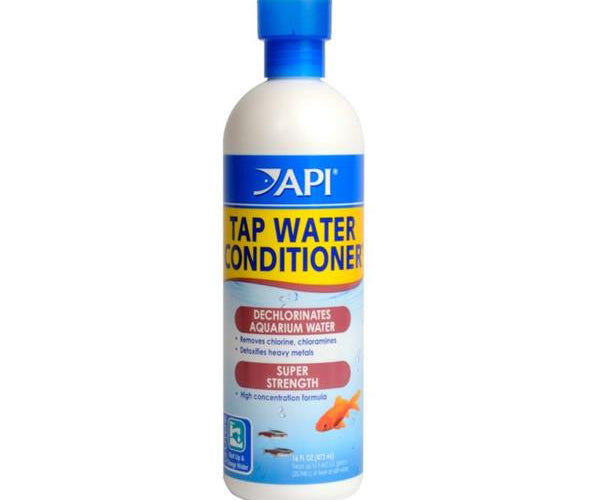
Use water conditioners to make tap water safe. They bind with heavy metals and neutralize them.
Maintaining Proper Ph And Hardness
Proper pH and hardness levels prevent heavy metal problems. Check these levels regularly.
| pH Level | 6.5 to 8.0 is safe |
| Hardness | 4 to 10 dGH |
Adjusting these levels keeps the water safe for your aquatic life.
Long-term Maintenance Tips
Maintaining your aquarium water quality is essential. Heavy metal contamination can harm fish and plants.
These tips will help keep your aquarium safe and healthy for the long term.
Routine Monitoring
Regularly check water parameters to ensure they are within safe limits. Use a reliable test kit for this purpose.
- Test water weekly for pH, ammonia, and nitrate.
- Check for heavy metal presence every month.
- Record results in a logbook for reference.
Filter Replacement Schedules
Filters play a key role in maintaining water quality. Change filters on a regular schedule to ensure efficient operation.
| Filter Type | Replacement Frequency |
| Carbon Filters | Every 4 weeks |
| Sponge Filters | Every 6 weeks |
| Chemical Filters | Every 8 weeks |
Avoiding Overfeeding
Overfeeding can lead to excess waste and water contamination. Feed your fish the right amount to keep water clean.
- Feed fish only what they can eat in 2-3 minutes.
- Remove uneaten food promptly.
- Use high-quality fish food for better nutrition.
Credit: petsdomain.com.au
Frequently Asked Questions
What Causes Heavy Metal Contamination In Aquariums?
Heavy metals enter aquariums through tap water, decorations, and fish food. Contaminants like copper, lead, and mercury accumulate, harming fish and plants. Regular testing helps detect these metals early to maintain a healthy aquatic environment.
How Can I Test For Heavy Metals In Aquarium Water?
Use aquarium water test kits designed for heavy metals detection. These kits provide quick and accurate results. Regular testing ensures early identification and prevents toxic buildup that could harm aquatic life.
What Treatments Remove Heavy Metals From Aquarium Water?
Activated carbon filters and chemical adsorbents effectively remove heavy metals. Water conditioners with metal-binding agents also neutralize toxins. Frequent water changes reduce contamination and maintain water quality.
Are Heavy Metals Harmful To Aquarium Fish?
Yes, heavy metals are toxic to fish and aquatic plants. They cause stress, illness, and can lead to death. Maintaining safe water parameters is essential for fish health and aquarium longevity.
Conclusion
Treating heavy metals in aquarium water keeps fish healthy and safe. Regular water tests help catch problems early. Use water conditioners designed to remove metals effectively. Change water often to reduce contamination levels. Clean tanks prevent buildup of harmful substances.
Healthy water means happier fish and clearer tanks. Stay alert and act quickly if metals appear. Safe aquariums create a better home for your pets. Simple steps make a big difference in water quality. Keep your aquarium clean, fresh, and metal-free for best results.