
Are you looking to make your videography stand out with stunning underwater scenes? Aquascaping can transform ordinary shots into captivating visuals that grab attention instantly.
Imagine creating vibrant, natural underwater landscapes that add depth and beauty to your videos. Whether you’re filming for a project, social media, or just for fun, mastering aquascaping techniques can elevate your work to the next level. Ready to discover how you can bring your underwater footage to life?
Keep reading to unlock the secrets that will make your videos unforgettable.

Credit: buceplant.com
Choosing The Right Aquarium
Choosing the right aquarium is key for good aquascaping videos. The tank sets the stage for your underwater scenes.
Think about size, shape, glass quality, and lighting. These affect your shots and the health of your plants and fish.
Tank Size And Shape
Pick a tank size that fits your space and filming needs. Larger tanks give more room for creativity but need more care.
- Small tanks are easier to handle and good for close-up shots.
- Long tanks show wide landscapes and many details.
- Tall tanks highlight vertical plants and layers.
- Rectangular tanks offer more filming angles.
- Round tanks can cause light distortions in video.
Glass Clarity And Lighting
Clear glass lets light pass well, making your video sharp and bright. Avoid tanks with green or tinted glass.
| Type | Benefit | Consideration |
| Standard Glass | Good clarity, affordable | May have slight green tint |
| Low Iron Glass | High clarity, true colors | More expensive |
| Acrylic | Lightweight, clear | Scratches easily |
Use lighting to enhance colors and details. LED lights with adjustable brightness work best for filming.
Selecting Aquatic Plants
Choosing the right aquatic plants is key for great aquascaping videos. Plants add life and interest to underwater scenes.
Knowing how to pick plants helps you create a balanced and eye-catching setup. Focus on color, texture, growth, and care.
Color And Texture Variety
Colors and textures make your aquascape stand out on camera. Mix plants with different leaf shapes and hues.
- Use green plants for a natural look
- Add red or purple leaves for contrast
- Choose fine-leaved plants for delicate texture
- Select broad-leaved plants for bold shapes
- Include floating plants for surface interest
Growth Patterns And Maintenance
Understanding plant growth helps you keep your tank neat and healthy. Some plants grow fast and need regular trimming.
| Plant Type | Growth Rate | Maintenance Level |
|---|---|---|
| Java Moss | Slow | Low |
| Amazon Sword | Medium | Medium |
| Water Wisteria | Fast | High |
| Anubias | Slow | Low |
| Hornwort | Fast | High |
Incorporating Hardscape Elements
Hardscape elements create structure and interest in aquascapes. They help guide the viewer’s eye in videos.
Using rocks, stones, and driftwood adds natural beauty. These elements give depth and shape to your underwater scene.
Rocks And Stones
Rocks and stones form the backbone of many aquascapes. They can create mountains, cliffs, or caves for fish to explore.
Choose stones with interesting shapes and textures. Arrange them to create balance and flow in the tank.
- Use large stones to build focal points
- Place smaller rocks to fill gaps
- Stack rocks carefully to avoid collapse
- Pick stones that contrast with plants and fish
Driftwood And Decorations
Driftwood adds a natural, aged look to aquascapes. It creates hiding spots and resting places for fish.
Decorations like shells or ceramic pieces can add character. Use them sparingly to keep the scene natural and clean.
- Choose driftwood with interesting shapes and textures
- Soak driftwood before placing it to avoid discoloration
- Place decorations where they don’t block plant growth
- Mix driftwood and rocks for a natural feel
Lighting Techniques For Videography
Lighting is key to good aquascaping videos. It helps show the colors and details clearly.
Using the right light makes your video look natural and pleasing to the eye.
Natural Vs Artificial Light
Natural light comes from the sun. It gives soft and even lighting. It is free but can change quickly.
Artificial light comes from lamps or LEDs. It is steady and can be controlled easily.
| Light Type | Pros | Cons |
| Natural Light | Soft, free, natural colors | Changes fast, weather dependent |
| Artificial Light | Stable, adjustable, consistent | Needs power, can look harsh |
Using Backlighting And Highlights
Backlighting means placing a light behind the aquarium. It creates a glow and depth.
Highlights bring out textures and colors on plants and fish. Use small lights to create these spots.
- Place a soft light behind the tank for backlighting
- Use spotlights to brighten key areas
- Avoid too much light to prevent glare
- Mix different light angles for better effects
Camera Settings And Equipment
Aquascaping videography needs the right camera settings and gear. Proper setup helps capture clear and colorful underwater scenes.
Choosing the right lens and controlling focus and exposure can make your videos look professional and natural.
Lens Choices
Macro lenses work best for close-up shots of plants and small details. They show fine textures clearly.
Wide-angle lenses capture the whole aquarium in one frame. They help show the full layout and design.
- Macro lens: great for detailed shots
- Wide-angle lens: captures entire tank
- Prime lenses: sharp and clear images
- Zoom lenses: flexible framing options
Focus And Exposure Tips
Use manual focus to avoid blurry video caused by autofocus hunting underwater. Lock the focus on your subject.
Set exposure to avoid bright spots or dark shadows. Balanced lighting keeps colors true and details visible.
- Manual focus improves sharpness
- Use a small aperture for deeper focus
- Adjust ISO to limit noise in low light
- Use exposure compensation to balance light
Composing Your Shots
Aquascaping is the art of arranging aquatic plants, rocks, and other elements in an aquarium. Capturing its beauty through videography requires understanding how to compose your shots. Proper composition can enhance the visual appeal of your aquascapes on video.
Let’s explore some key principles to improve your aquascaping videography, focusing on the rule of thirds and depth effects.
Rule Of Thirds In Aquascapes
The rule of thirds helps create balanced and engaging shots. Imagine dividing your frame into a grid with two horizontal and two vertical lines.
Place important elements along these lines or at their intersections. This technique guides viewers’ eyes and adds interest to your video.
- Position focal points at intersections
- Align horizons with horizontal lines
- Use vertical lines for tall plants
Depth And Layering Effects
Depth and layering create a three-dimensional look in your videos. Arrange elements from front to back to achieve this effect.
Use plants of different heights and textures. Layer rocks and decorations to add complexity and depth.
| Foreground | Midground | Background |
| Small plants | Taller plants | Background plants |
| Rocks | Driftwood | Backdrop |
Capturing Movement And Life
Filming aquascapes can be a delightful experience. Capturing the movement and life within these underwater worlds is a true art.
The vibrant fish and delicate invertebrates add dynamic elements to your videography. They can turn a simple tank into a lively scene full of action.
Filming Fish And Invertebrates
Fish and invertebrates are the stars of any aquascape. Filming them requires patience and understanding of their behavior.
- Observe their daily routines to know when they are most active.
- Use natural light or aquarium lights to highlight their colors.
- Keep the camera steady to avoid scaring them away.
Creating Dynamic Scenes
Creating dynamic scenes in aquascaping requires creativity. It’s about arranging elements to mimic natural habitats.
Use plants and rocks to add depth and interest. This can create the illusion of a larger space.
| Element | Purpose |
| Plants | Add color and hide spots |
| Rocks | Create structure and depth |
| Driftwood | Provide shelter and texture |
Post-production Enhancements
Post-production is key in aquascaping videography. It improves the look of your footage. Simple edits can make your videos more vibrant and appealing.
This stage helps fix colors and add effects. These changes create a better viewing experience without changing the original scene.
Color Correction
Color correction adjusts the colors to look natural and balanced. It fixes issues like poor lighting or color casts caused by water and glass.
- Adjust white balance to remove blue or green tints
- Increase contrast to highlight plant details
- Boost saturation carefully to keep colors realistic
- Fix exposure to brighten dark areas without overexposing
Adding Subtle Effects
Subtle effects enhance mood without distracting from the scene. Use these effects to draw attention or add smooth transitions.
| Effect | Purpose | Usage Tips |
| Vignette | Focuses center of frame | Keep it soft and light |
| Film Grain | Adds texture and warmth | Use at low opacity |
| Glow | Highlights bright areas | Apply gently to plants or bubbles |
| Fade Transitions | Smooth scene changes | Use between clips for flow |
Common Challenges And Solutions
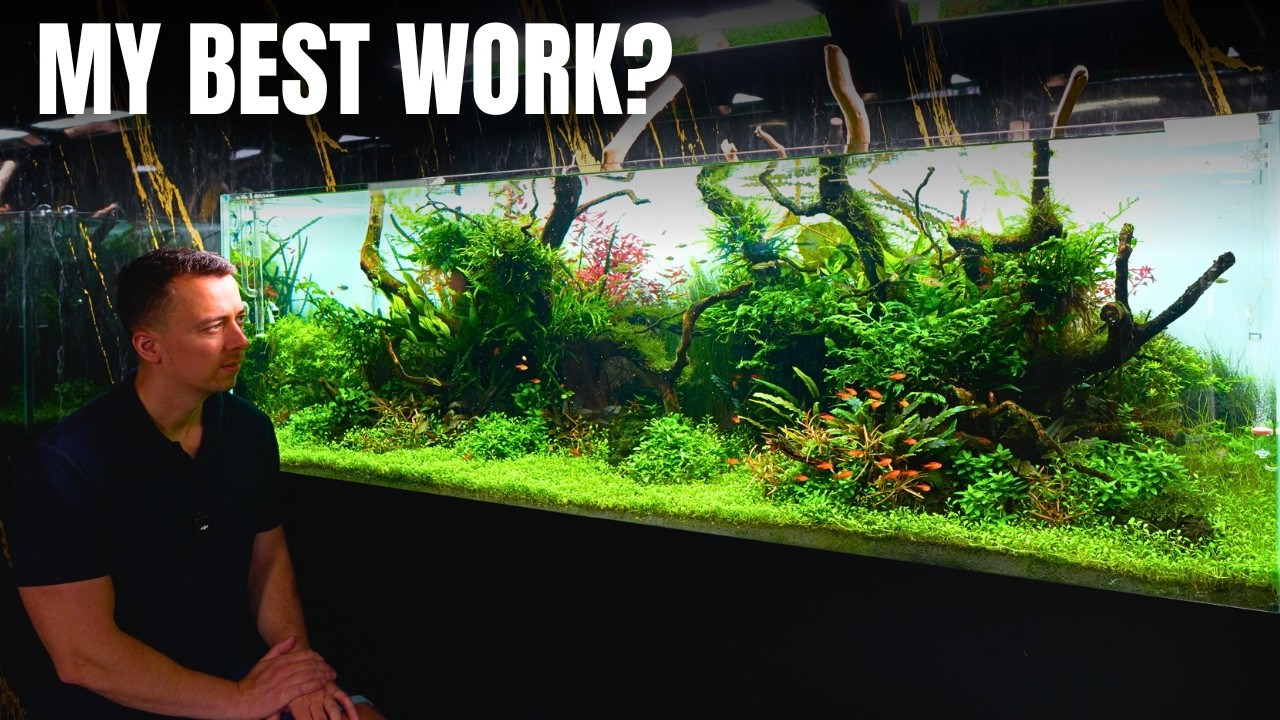
Aquascaping for videography presents unique challenges. Clear visuals depend on a clean, well-lit tank.
Addressing issues like algae, debris, reflections, and glare improves video quality. Let’s explore common problems and easy fixes.
Dealing With Algae And Debris
Algae and debris reduce clarity in your shots. They distract viewers and cover important details.
- Clean the tank glass before filming to remove smudges and algae.
- Use a magnetic algae scraper for hard-to-reach spots.
- Perform regular water changes to keep debris low.
- Install a good filter to reduce floating particles.
- Consider adding algae-eating fish or snails for natural cleaning.
Minimizing Reflections And Glare
Reflections and glare can ruin your video by hiding details or causing bright spots.
| Cause | Solution |
| Direct light on glass | Use diffused lighting or position lights at an angle |
| Room lights reflecting | Turn off or cover nearby lights |
| Camera lens reflections | Use a lens hood or polarizing filter |
| Glass surface angle | Adjust camera or tank angle to reduce glare |
Credit: www.youtube.com

Credit: www.youtube.com
Frequently Asked Questions
What Is Aquascaping For Videography?
Aquascaping for videography involves designing underwater scenes to enhance video visuals. It creates attractive, natural backgrounds for aquatic filming. This technique improves the aesthetic quality and storytelling of underwater videos by arranging plants, rocks, and substrates artistically.
How Does Aquascaping Improve Video Quality?
Aquascaping adds depth, color, and texture to underwater videos. It creates visually appealing scenes that hold viewers’ attention. Proper aquascaping reduces distractions and highlights the main subject, making videos more professional and engaging.
What Equipment Is Needed For Aquascaping Videos?
You need a well-lit aquarium, quality camera, and proper filtration system. Use macro lenses for close-ups and wide lenses for landscape shots. Lighting should mimic natural conditions to capture true colors and details.
Can Aquascaping Help With Underwater Storytelling?
Yes, aquascaping sets the scene and mood for underwater stories. It guides viewers’ focus and enhances narrative flow. Thoughtful design elements convey themes like tranquility, wilderness, or fantasy effectively.
Conclusion
Aquascaping adds beauty and interest to your videos. It creates a calm and natural scene for viewers. Simple layouts work best for clear shots. Lighting and angles highlight the shapes and colors. Small details can make a big difference in your film.
Practice arranging plants and decorations carefully. Enjoy the process of creating underwater art. Your videos will feel fresh and inviting. Keep experimenting to find what suits your style. Aquascaping brings life to your videography projects.