
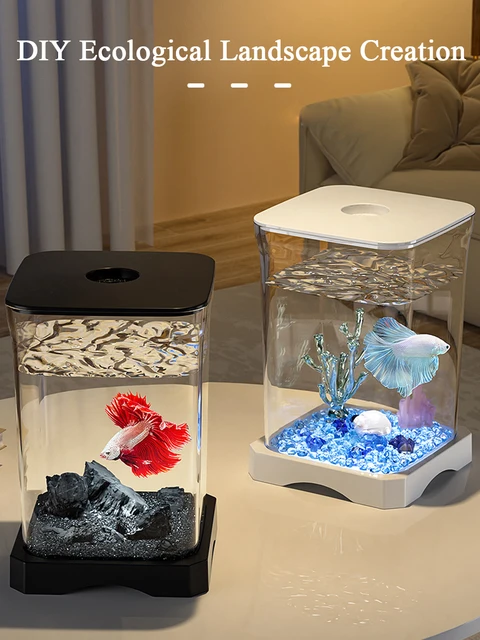
Are you ready to create a beautiful underwater world right in your own home? A DIY aquarium starter kit is the perfect way to bring vibrant colors and peaceful vibes into your space without the hassle.
Imagine watching your fish swim happily in a tank you built yourself. It’s easier than you think, and you’ll save money while customizing every detail. Keep reading, and you’ll discover simple steps and must-have tools to get your aquarium up and running quickly.
Your new hobby awaits—let’s dive in!
Credit: www.aliexpress.com
Choosing The Right Tank
Picking the right aquarium tank is important for a successful DIY starter kit. The tank holds your fish and plants safely. Choosing the right size and material helps your aquarium last longer.
Consider your space and the fish you want. A good tank fits your room and needs. This guide helps you find the best tank for beginners.
Tank Sizes For Beginners
Small tanks are easier to manage for new hobbyists. They need less water and less maintenance. A tank between 5 and 20 gallons works well for beginners.
Larger tanks give more space for fish and plants. They are more stable but need more care. Start with a size that fits your skill and room.
- 5-10 gallons: Good for small fish and tight spaces
- 10-20 gallons: Offers more room for fish and plants
- 20 gallons or more: For bigger fish or multiple species
Materials: Glass Vs Acrylic
Aquarium tanks come in glass or acrylic. Both have good points and limits. Pick the one that fits your budget and needs.
Glass tanks are heavy but scratch-resistant. They stay clear for a long time. Acrylic tanks weigh less and resist breaking. They scratch easier and cost more.
- Glass: Durable, clear, heavier, cheaper
- Acrylic: Light, clear, scratch-prone, expensive
Placement Tips
Where you place the tank affects its safety and look. Find a strong, flat surface that can hold the full tank weight. Avoid direct sunlight to stop algae growth.
Keep the tank away from heaters and vents. This stops water temperature changes. Place the tank where you can see and enjoy it easily.
- Use a sturdy stand or table
- Avoid direct sunlight on the tank
- Keep away from heating and cooling vents
- Place near a power outlet for equipment
- Position for easy viewing and access
Credit: www.aquariumforum.com
Essential Equipment
Setting up a DIY aquarium needs the right tools to keep fish healthy. Essential equipment helps create a balanced environment.
This guide covers key items like filtration systems, lighting, and temperature control. These tools make your aquarium thrive.
Filtration Systems
Filtration removes waste and keeps water clean. Choose a filter that fits your tank size and fish type.
- Mechanical filters trap debris and dirt.
- Biological filters grow good bacteria to break down waste.
- Chemical filters remove toxins and odors.
Lighting Options
Lighting affects plant growth and fish behavior. Use light suitable for your aquarium’s needs.
| Type | Description | Best For |
| LED Lights | Energy efficient, long-lasting | Most freshwater tanks |
| Fluorescent Lights | Good for plant growth | Planted tanks |
| Incandescent Lights | Simple but less efficient | Basic setups |
Heaters And Thermometers
Fish need steady temperatures. Use a heater to keep water warm and a thermometer to check it.
Common heater features:
- Adjustable temperature control
- Automatic shut-off for safety
- Suitable for tank size
Use a reliable thermometer to monitor water temperature daily.
Selecting Substrate And Decorations
Choosing the right substrate and decorations is key for a healthy aquarium. These elements create a good home for your fish and plants.
The right choices help keep water clean and support natural behavior in your fish.
Types Of Substrate
Substrate is the material that covers the bottom of the tank. It affects water quality and plant growth.
Common types include gravel, sand, and soil. Each has benefits for different aquarium setups.
- Gravel is easy to clean and good for fish that like to dig.
- Sand is soft and suits bottom-dwelling fish well.
- Soil supports live plants by providing nutrients.
Safe Decorations
Decorations add hiding spots and interest to the tank. They must be safe for fish and not change water chemistry.
Avoid sharp or painted items that can harm fish or release toxins. Choose natural or aquarium-safe decorations.
- Natural rocks without sharp edges
- Ceramic caves made for aquariums
- Plastic plants designed for fish tanks
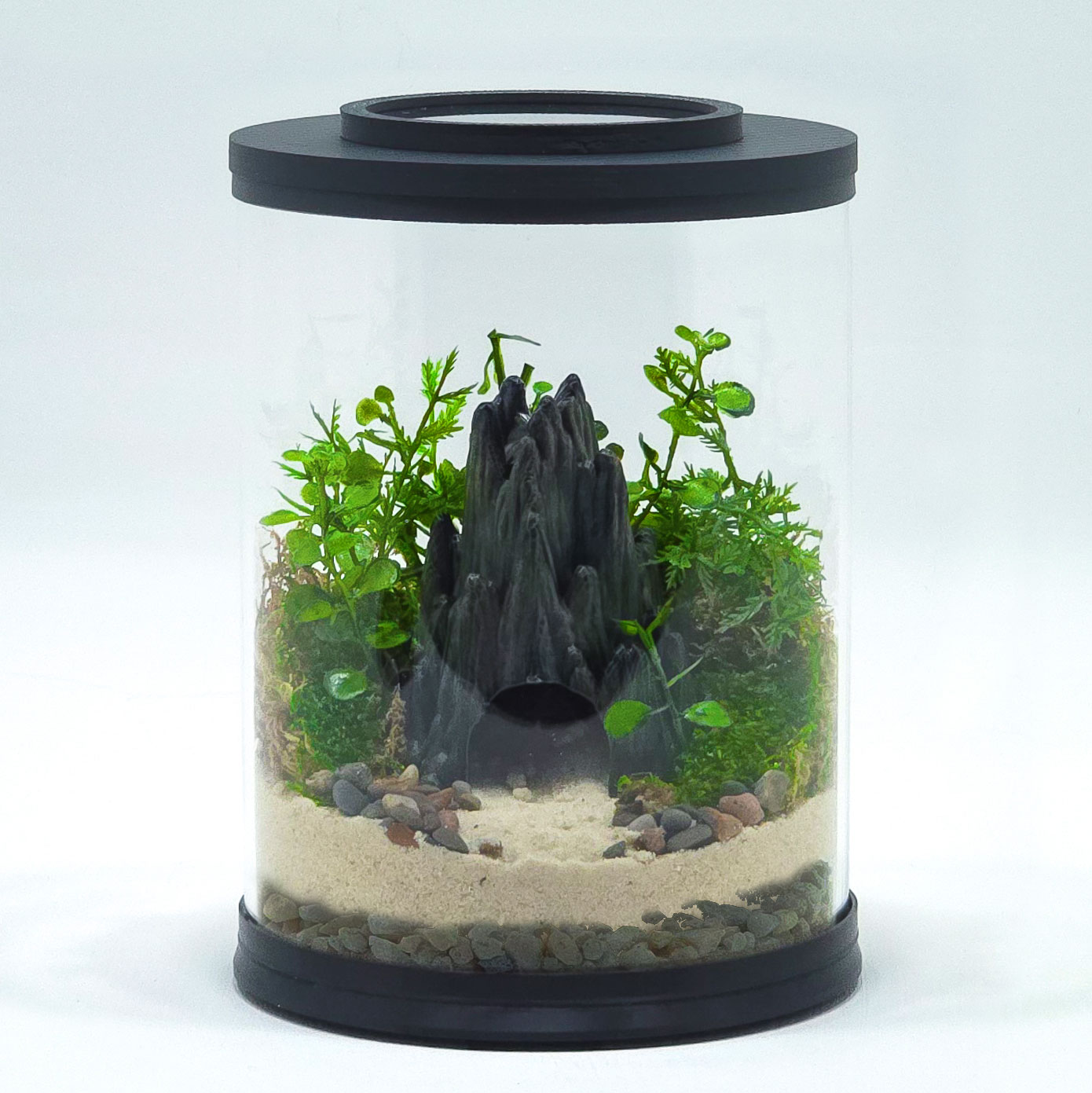
Creating A Natural Habitat
Arrange substrate and decorations to mimic the fish’s natural home. This reduces stress and encourages natural behavior.
Include plants, hiding places, and open swimming areas. Keep the layout simple and easy to clean.
- Use plants to provide cover and oxygen
- Place rocks or caves for shelter
- Leave open space for swimming
Credit: shop.bantam.earth
Water Preparation And Cycling
Preparing water and cycling the aquarium are key steps for a healthy tank. This process helps create a safe home for fish.
Proper water treatment removes harmful chemicals. Cycling builds good bacteria that clean the water naturally.
Dechlorination Methods
Tap water often has chlorine or chloramine. These chemicals can hurt fish and bacteria. Removing them is important before adding water to the tank.
- Use water conditioners to neutralize chlorine and chloramine instantly.
- Let water sit for 24-48 hours to allow chlorine to evaporate naturally.
- Use activated carbon filters to remove chlorine during water changes.
- Boil water to remove chlorine but not chloramine.
Establishing Beneficial Bacteria
Good bacteria break down fish waste into less harmful substances. This process is called cycling. It keeps the tank water safe and clean.
- Start with adding fish food or pure ammonia to feed bacteria.
- Wait for 4 to 6 weeks for bacteria to grow and establish.
- Test water for ammonia and nitrite levels regularly.
- Once ammonia and nitrite drop to zero, bacteria are ready.
Testing Water Parameters
Regular testing helps track water quality. It shows if cycling is complete and if conditions are safe for fish.
| Parameter | Safe Range | Importance |
| Ammonia | 0 ppm | Toxic to fish, must be zero |
| Nitrite | 0 ppm | Also toxic, must be zero |
| Nitrate | Below 40 ppm | Less harmful, keep low |
| pH | 6.5 – 7.5 | Fish need stable pH |
| Temperature | 72-78°F (22-26°C) | Depends on fish species |
Choosing Fish And Plants
Setting up a DIY aquarium starter kit needs careful fish and plant choices. These choices affect tank health and beauty.
Pick fish and plants that fit your tank size and care level. This helps keep your aquarium balanced and lively.
Beginner-friendly Fish Species
Start with fish that are easy to care for and hardy. These fish adapt well to new tanks and simple maintenance.
They usually stay small, peaceful, and eat common fish food. This makes them perfect for beginners.
- Betta fish – colorful and low-maintenance
- Guppies – active, small, and easy to feed
- Neon tetras – bright and peaceful schooling fish
- Platies – hardy and come in many colors
- Corydoras catfish – bottom dwellers that clean tank debris
Compatible Plant Varieties
Choose plants that grow well without special lighting or CO2. They help keep water clean and provide fish hiding spots.
Live plants add oxygen and create a natural look. Pick plants that match your tank size and light levels.
- Java fern – low light and easy to grow
- Anubias – slow-growing and tough leaves
- Amazon sword – larger plant for bigger tanks
- Hornwort – fast-growing and floats or roots
- Cryptocoryne – good for shaded spots in the tank
Stocking Guidelines
Do not add too many fish at once. Overcrowding stresses fish and causes water problems.
Follow simple rules to keep your tank balanced and healthy. Allow time for your tank to cycle before adding fish.
- One inch of fish per gallon of water is a good rule
- Mix small schooling fish with a few bottom dwellers
- Keep fish species compatible in size and temperament
- Add plants to provide shelter and improve water quality
- Monitor water parameters regularly to avoid issues
Maintenance And Care
Starting an aquarium is exciting and requires proper care. Regular maintenance keeps your fish healthy and your tank beautiful.
This guide helps you maintain your DIY Aquarium Starter Kit. Follow these steps for a thriving aquatic environment.
Regular Cleaning Routines
Cleaning your aquarium is essential to keep it healthy. Remove debris and algae regularly to prevent water contamination.
- Change 10-15% of the water weekly
- Clean the glass with an algae scraper
- Rinse filter media in old tank water
Monitoring Fish Health
Keeping an eye on your fish is important. Healthy fish are active and have vibrant colors. Watch for signs of stress or disease.
- Look for changes in swimming patterns
- Check for unusual spots or marks
- Observe appetite and feeding habits
Troubleshooting Common Issues
Problems can arise in any aquarium. Quick action can prevent bigger issues. Learn how to troubleshoot common problems.
- Cloudy water often means overfeeding
- Check for leaks if water level drops
- Test water for pH and ammonia levels
Budget-friendly Tips
Creating an aquarium can be enjoyable and affordable. With the right tips, you can build a beautiful setup without spending too much.
Let’s explore some budget-friendly methods to start your aquarium journey. These tips will help you save money while ensuring a healthy environment for your fish.
Diy Equipment Hacks
Many aquarium tools can be made at home with everyday items. This not only saves money but also allows you to customize for your needs.
- Use a plastic bottle for a DIY filter
- Create a tank stand from wooden pallets
- Build a simple light hood with LED strips
Affordable Supplies
Finding cheap supplies is key to staying within budget. Look for deals and alternatives that offer the same quality at a lower price.
Cost-effective Upgrades
Upgrading your aquarium doesn’t have to be pricey. Small changes can make a big impact without breaking the bank.
| Upgrade | Cost |
| LED Lighting | $20 |
| Automatic Feeder | $15 |
| Live Plants | $10 |
Frequently Asked Questions
What Is Included In A Diy Aquarium Starter Kit?
A DIY aquarium starter kit typically includes a tank, filter, heater, lighting, substrate, and basic decor. Some kits also offer water test kits and fish food. It provides all essentials to set up a beginner-friendly aquarium quickly and easily.
How To Choose The Right Diy Aquarium Starter Kit?
Select a kit based on tank size, included equipment quality, and fish species compatibility. Consider your budget and available space. Reading reviews helps ensure the kit meets your needs and offers reliable components for a healthy aquatic environment.
Can Beginners Build Their Own Aquarium Starter Kit?
Yes, beginners can build a starter kit by gathering essential items like tank, filter, heater, substrate, and decor. Following guides or tutorials ensures proper setup. DIY kits offer customization and learning opportunities while creating a suitable habitat for fish.
How To Maintain A Diy Aquarium Starter Kit?
Regularly clean the tank, change 10-20% of water weekly, and check filter function. Test water parameters often to ensure fish health. Feed fish appropriately and monitor for signs of illness. Consistent care keeps your aquarium thriving and beautiful.
Conclusion
Building your own aquarium starter kit can be fun and rewarding. You get to choose every part carefully. This helps create a perfect home for your fish. Starting small makes learning easier and less costly. Remember to keep the water clean and check the fish often.
Enjoy the peace and beauty your aquarium brings. Take your time and watch your fish thrive. A DIY kit is a great way to begin this hobby. Simple steps lead to a happy, healthy aquarium.