
Are you torn between choosing live plants or artificial plants for your home or office? You’re not alone.
Both have their own charm and challenges, and making the right choice can affect your space’s look, feel, and even your mood. Imagine having greenery that truly breathes life into your room versus plants that never wilt or need watering.
Which one suits your lifestyle better? Keep reading, because by the end of this article, you’ll know exactly which option fits your needs perfectly—and how to make your space greener, easier, and more beautiful.
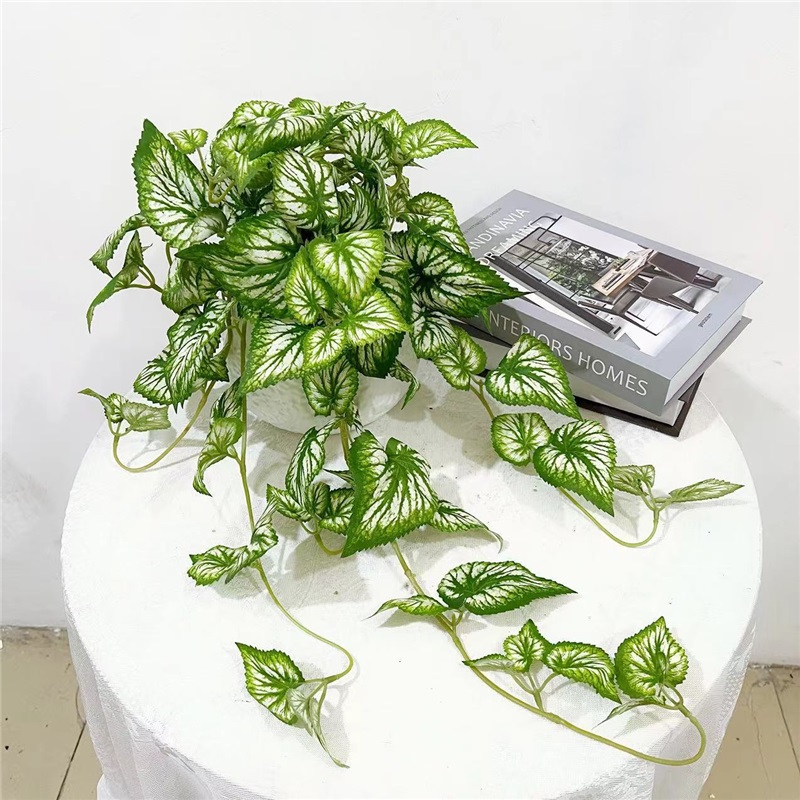
Credit: www.cnszjc.com
Benefits Of Live Plants
Live plants bring many benefits to homes and offices. They improve the environment and add life to any space.
Unlike artificial plants, live plants grow and change. They provide fresh air and boost mood naturally.
Air Purification
Live plants clean the air by removing toxins. They absorb carbon dioxide and release oxygen. This makes indoor air healthier to breathe.
Natural Aesthetics
Live plants add real beauty to any room. Their colors and shapes change with the seasons. This natural look is hard to copy with fake plants.
Mental Health Boost
Taking care of live plants reduces stress. Studies show they help improve mood and focus. Being near green plants can make people feel calm and happy.
- Plants reduce anxiety and depression
- They improve concentration and memory
- Gardening promotes relaxation and mindfulness
Variety And Growth
Live plants come in many types and sizes. They grow over time and change shape. This makes caring for them a fun and rewarding hobby.
| Plant Type | Growth Speed | Care Level |
| Succulents | Slow | Low |
| Ferns | Medium | Medium |
| Ficus | Fast | High |
Advantages Of Artificial Plants
Artificial plants offer many benefits over live plants. They are a popular choice for homes and offices.
People choose artificial plants for their ease and practicality. They add beauty without the usual care.
Low Maintenance
Artificial plants do not need watering or sunlight. They keep their look all year round without effort.
- No need to water or fertilize
- No pruning or repotting required
- Stay green and fresh without sunlight
- Easy to clean with a simple dusting
Durability
Artificial plants last much longer than live ones. They do not wilt or die in dry or dark places.
| Feature | Artificial Plants | Live Plants |
| Life Span | Years | Weeks to Months |
| Resistance to Pests | High | Low |
| Weather Tolerance | Excellent | Variable |
| Color Fading | Minimal | Common |
Allergy Friendly
Artificial plants do not produce pollen or spores. They are safe for people with allergies or asthma.
Benefits for allergy sufferers:
- No pollen or mold
- Reduce indoor allergens
- Safe for sensitive pets and children
Cost Over Time
Though artificial plants may cost more at first, they save money over time. They do not need ongoing care.
- One-time purchase with no extra costs
- No need for soil, fertilizer, or pesticides
- No water bills or plant replacements
- Save on gardening tools and equipment
Drawbacks Of Live Plants
Live plants add beauty and fresh air to any space. They need care to stay healthy and look good. Some people find it hard to keep live plants alive.
This article explains the main drawbacks of having live plants. Understanding these issues helps you decide if live plants fit your lifestyle.
Care Requirements
Live plants need regular watering, sunlight, and the right temperature. Each plant species has different care needs. Missing any of these can harm the plant.
- Water the plants on a strict schedule
- Provide enough sunlight every day
- Use the correct soil and fertilizer
- Trim and prune to keep plants healthy
Pest Issues
Live plants can attract pests like insects and bugs. These pests damage leaves and stems. They can also spread to other plants in the home or garden.
| Pest Type | Common Damage |
|---|---|
| Aphids | Leaf curling and yellow spots |
| Spider Mites | Webs and tiny discolored dots |
| Mealybugs | White cotton-like patches on stems |
Limited Lifespan
Live plants have a natural life cycle. Some plants live only a few months. Others live for years but still die eventually. You must replace dead plants to keep your space green.
Environmental Factors
Environmental changes affect live plants. Sudden temperature shifts or low humidity can stress them. Poor air quality and pollution also harm plant health.
- Cold drafts can cause leaf drop
- Too much heat can dry out the soil quickly
- Low humidity may make leaves brown at edges
- Polluted air reduces photosynthesis
:strip_icc()/aquarium-with-cichlids-fish-from-lake-malawi-936332656-0ddcdd7df1444600a9598112db12a470.jpg)
Credit: www.thesprucepets.com
Challenges With Artificial Plants
Artificial plants are popular for decoration. They need less care than real plants. Still, they come with some challenges.
This article looks at the main problems with artificial plants. These include their lack of natural benefits, appearance, environmental impact, and cleaning needs.
Lack Of Natural Benefits
Artificial plants do not provide the air-purifying benefits of live plants. They cannot improve humidity or reduce toxins in the room. They also miss the calming effect that real plants bring.
Quality And Appearance
Many artificial plants look fake or cheap. Their colors can fade quickly in sunlight. Poor quality materials can make them brittle or misshaped over time.
- Colors may not match real plants exactly.
- Leaves and stems can appear stiff or shiny.
- Cheap plastic smells may be noticeable.
- Some designs lack fine details of real plants.
Environmental Impact
Artificial plants often use plastics and other non-biodegradable materials. Their production consumes energy and creates waste. Disposal adds to landfill problems.
| Aspect | Artificial Plants | Live Plants |
|---|---|---|
| Material | Plastic, synthetic fibers | Natural plant matter |
| Production Energy | High | Low |
| Biodegradability | No | Yes |
| Waste Impact | Increases landfill | Compostable |
Cleaning Needs
Artificial plants collect dust and dirt easily. They need regular cleaning to look good. This can be hard for delicate or detailed items.
- Dust with a soft cloth or brush.
- Wash with mild soap and water sometimes.
- Avoid harsh chemicals that damage material.
- Cleaning takes time and effort.
Choosing Based On Space And Lighting
Choosing between live and artificial plants depends on your room’s space and light. Each type has its needs and limits.
Understanding your indoor conditions helps pick the best plants for a healthy and pretty home.
Indoor Lighting Conditions
Live plants need the right light to grow. Some like bright sunlight, while others do well in shade.
- Bright light suits succulents and cacti.
- Low light fits ferns and snake plants.
- Artificial plants do not need light, so they fit anywhere.
Space Constraints
Space size affects plant choice. Live plants need room to grow and spread roots.
| Plant Type | Space Needed |
| Small live plants | 1-2 feet wide |
| Large live plants | 3+ feet wide |
| Artificial plants | Fits any space, no growth |
Humidity And Temperature
Live plants need certain humidity and temperature to thrive. Artificial plants are not affected by these.
Use this simple guide to check if your room suits live plants:
- Humidity above 40% helps most tropical live plants.
- Rooms cooler than 50°F may harm live plants.
- Artificial plants do not change with weather.

Credit: www.youtube.com
Matching Plants To Lifestyle
Choosing between live and artificial plants depends on your lifestyle. Each type has unique needs and benefits.
Consider your time, allergies, and pets when deciding. The right choice enhances your space and well-being.
Time Commitment
Live plants require regular care. They need watering, sunlight, and pruning. Artificial plants need less attention.
If you have a busy schedule, artificial might suit you better. Live plants thrive with consistent care.
Allergies And Sensitivities
Some live plants release pollen. This can trigger allergies in sensitive individuals. Artificial plants do not have this issue.
For people with allergies, artificial plants offer a safe option. They provide beauty without sneezes.
Pet Safety
Certain live plants are toxic to pets. Cats and dogs might chew on leaves. Artificial plants are non-toxic.
If you have pets, research plant types. Choose pet-safe live plants or opt for artificial ones.
- Live plants: Check for pet toxicity
- Artificial plants: Generally safe for all pets
Cost Comparison And Budget Tips
Choosing between live plants and artificial plants can impact your budget. Let’s explore how costs differ over time.
Understanding initial and ongoing costs helps you make the best decision for your home or office.
Initial Investment
Buying live plants often requires less money upfront. Prices vary by type and size.
Artificial plants may cost more initially due to materials and craftsmanship.
Long-term Expenses
Live plants need ongoing care, like watering and fertilizing, which adds to costs.
- Regular purchase of soil and fertilizer
- Potential pest control products
- Watering equipment
Artificial plants require occasional cleaning, but no other recurring costs.
Value For Money
Live plants can improve air quality and provide a sense of well-being.
Artificial plants offer longevity and no need for maintenance, saving money in the long run.
| Type | Pros | Cons |
| Live Plants | Air quality, natural beauty | High maintenance |
| Artificial Plants | Low upkeep, long-lasting | No air purification |
Styling Ideas With Live And Artificial Plants
Using both live and artificial plants can brighten up any room. They bring color and life to your home or office space.
Mixing these plants allows you to enjoy greenery without the full care of live plants. You get style and ease together.
Combining Both Types
Pair live plants with artificial ones to create a balanced look. Live plants add freshness, while artificial plants add volume and shape.
- Use live plants in sunny spots to thrive.
- Place artificial plants in low-light areas.
- Mix small live plants with tall artificial ones.
- Group plants with similar colors for harmony.
- Change artificial plants seasonally to match decor.
Seasonal Decor
Switch plant styles to fit the seasons. Live plants show natural changes. Artificial plants keep style steady all year.
| Season | Live Plants | Artificial Plants |
| Spring | Bright flowers like tulips | Green ferns and pastel blooms |
| Summer | Lush tropical leaves | Bold, colorful flowers |
| Fall | Orange and red leaves | Warm-toned branches and berries |
| Winter | Evergreens and poinsettias | Frosted pine and white blooms |
Placement Tips
Place plants where they fit best in your space. Consider light, size, and function for each spot.
- Put live plants near windows or bright areas.
- Use artificial plants to fill dark corners.
- Keep live plants away from drafts or heat sources.
- Use plant stands or shelves to add height.
- Group plants for a fuller, natural look.
Environmental Impact And Sustainability
Choosing between live plants and artificial plants affects the environment. Each option has its own impact on nature and resources.
Understanding these differences helps us make better choices for a sustainable future.
Eco-friendly Choices
Live plants absorb carbon dioxide and release oxygen. They support air quality and wildlife habitats.
Artificial plants need plastic and chemicals. Their production uses fossil fuels and creates pollution.
- Live plants grow naturally and help the planet
- Artificial plants do not grow but last longer
- Growing live plants may need water and care
- Artificial plants need no water but use non-renewable materials
Disposal And Recycling
Live plants decompose naturally after disposal. They return nutrients to the soil without waste.
Artificial plants often end up in landfills. Most are not recyclable and take many years to break down.
- Compost live plants to enrich the soil
- Check local rules for disposing artificial plants
- Some artificial plants can be reused or donated
- Reducing plastic use helps lower landfill waste
Sustainable Practices
Choose native live plants to support local ecosystems and use less water. They grow well with minimal care.
Select artificial plants made from recycled or eco-friendly materials. This reduces environmental damage during production.
- Grow live plants using organic soil and natural fertilizers
- Buy artificial plants with certifications for sustainability
- Reuse pots and containers for new plants
- Limit buying artificial plants to reduce plastic use
Frequently Asked Questions
What Are The Main Benefits Of Live Plants?
Live plants improve air quality, boost mood, and add natural beauty. They require care but promote a healthy indoor environment.
How Do Artificial Plants Compare In Maintenance?
Artificial plants need minimal upkeep, no watering, or sunlight. They stay visually appealing but lack air-purifying benefits.
Are Live Plants Better For Indoor Air Quality?
Yes, live plants absorb carbon dioxide and release oxygen. They also filter toxins, improving indoor air naturally.
Can Artificial Plants Trigger Allergies?
Artificial plants usually do not cause allergies. However, dust accumulation on them can trigger respiratory issues if not cleaned.
Conclusion
Choosing between live and artificial plants depends on your needs and lifestyle. Live plants bring fresh air and natural beauty. They need care and time to grow. Artificial plants need little care and last long. They work well in low light or busy spaces.
Both types add charm to your home or office. Think about your schedule, space, and budget before deciding. Either choice can brighten your space and lift your mood. Simple and green—your space, your choice.