
Are you tired of staring at green, slimy algae taking over your tank walls? It’s frustrating when your beautiful aquarium or pond loses its sparkle because of stubborn algae buildup.
But don’t worry—there are simple, effective tools designed just for you to tackle this problem quickly and keep your tank crystal clear. You’ll discover the best tools to remove algae without damaging your tank, making maintenance easier and your water environment healthier.
Keep reading to find out how you can restore the shine and enjoy a clean, vibrant tank every day.

Credit: www.walmart.com
Types Of Algae In Aquariums
Algae can grow on the walls of fish tanks. They come in different types and colors. Knowing these types helps in choosing the right tools to remove them.
Each algae type has unique features and needs specific cleaning methods. Let’s look at the most common types found in aquariums.
Green Algae
Green algae are the most common in freshwater tanks. They appear as green spots or film on tank walls.
This algae grows fast with light and nutrients. It is usually easy to scrape off with algae scrapers or pads.
Blue-green Algae
Blue-green algae are actually bacteria called cyanobacteria. They form slimy layers that look blue-green or dark green.
This type can spread quickly and smell bad. Use suction tools or algae magnets to remove it safely.
Red Algae
Red algae, also called black beard algae, have dark red or black colors. They grow in tough patches on tank surfaces.
Removing red algae can be hard. Use scrapers or special brushes designed for tough algae removal.

Credit: www.petzlifeworld.in
Manual Cleaning Tools
Removing algae from tank walls helps keep the water clean. Manual tools allow you to scrub algae off without chemicals.
These tools work well for small to medium tanks. They are easy to use and affordable for most hobbyists.
Algae Scrapers
Algae scrapers have a flat blade to scrape algae from glass or acrylic. They remove tough algae without scratching the surface.
These scrapers come with long handles for deep tanks. Use gentle pressure to avoid damage.
- Blade made of plastic or metal
- Long handle for reach
- Effective on flat surfaces
- Good for stubborn algae
Magnetic Cleaners
Magnetic cleaners have two parts that stick together through the glass. One part stays outside the tank, the other inside.
Move the outside magnet to clean algae inside without putting your hand in water. They work best on flat surfaces.
- Two magnets hold together through glass
- Clean inside walls from outside
- Safe for most glass aquariums
- Easy to use and quick
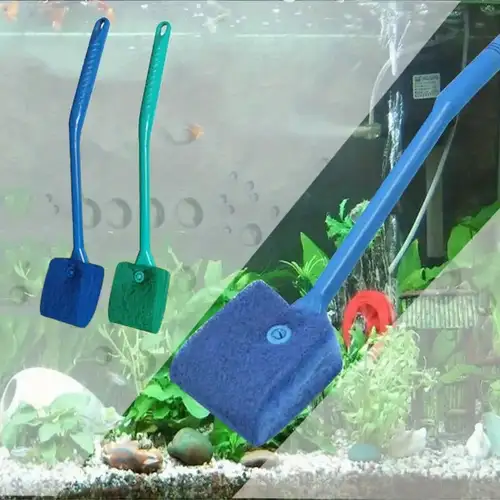
Brushes And Pads
Brushes and pads help scrub algae on tank walls. They come in different sizes and shapes for various tank types.
Soft brushes work well on delicate surfaces. Pads can remove algae gently without scratching.
- Soft brushes for gentle cleaning
- Pads for scrubbing algae off
- Variety of sizes for different tanks
- Good for corners and curved surfaces
Chemical Cleaning Solutions
Cleaning algae from tank walls keeps your aquarium healthy. Chemical solutions can remove algae effectively. Use the right chemicals to protect fish and plants.
Choose chemical cleaners that work well without harming your tank environment. Always follow instructions and use safety measures.
Algae Removers
Algae removers are chemicals that break down algae quickly. They come as liquids, gels, or tablets. Some target specific algae types like green algae or black beard algae.
- Liquid algae removers dissolve algae on contact.
- Gel formulas stick to tank walls for tough algae.
- Tablet types release chemicals slowly over days.
- Choose removers safe for your tank size and species.
Safe Chemicals For Fish
Some chemicals clean algae but harm fish or plants. Use safe options to avoid stress or death of aquatic life. Always check product labels for safety information.
| Chemical | Safe for Fish | Notes |
| Algaecide A | Yes | Use in low doses only |
| Algaecide B | No | Harmful to sensitive species |
| Hydrogen Peroxide | Yes | Use carefully, avoid overdose |
| Bleach Solution | No | Use only for empty tanks |
Homemade Cleaning Mixes
Homemade mixes can clean algae without harsh chemicals. They use common household items and are safer for fish.
- Vinegar diluted with water cleans light algae.
- Baking soda paste scrubs tough algae spots.
- Hydrogen peroxide diluted helps remove stubborn algae.
- Always rinse the tank well after using mixes.
Credit: www.temu.com
Natural Algae Control Methods
Algae can build up on tank walls and make your aquarium look dirty. Using natural methods helps keep algae under control without chemicals.
Natural algae control uses living creatures and plants to eat or compete with algae. This keeps your tank clean and healthy.
Algae-eating Fish
Some fish like to eat algae growing on tank walls. They help reduce algae naturally by grazing on it.
Popular algae-eating fish include Siamese algae eaters, otocinclus catfish, and plecos. They are peaceful and fit well in many tanks.
- Siamese algae eaters clean green algae and black beard algae
- Otocinclus catfish eat soft algae without harming plants
- Plecos eat hard algae but need hiding spots
Snails And Shrimp
Snails and shrimp are small tank helpers that eat algae from walls and decorations. They work well in planted tanks.
Snails like nerite and mystery snails eat algae without damaging plants. Shrimp like cherry shrimp eat algae and leftover food.
- Nerite snails clean algae and rarely reproduce in freshwater
- Mystery snails eat soft algae and add color
- Cherry shrimp eat algae and biofilm on tank surfaces
Live Plants
Live plants compete with algae for nutrients and light. They reduce algae growth by using up resources algae need.
Fast-growing plants like hornwort and water wisteria absorb nutrients quickly. This helps keep algae from spreading.
- Hornwort grows fast and shades algae
- Water wisteria uses nutrients before algae can
- Floating plants reduce light reaching algae
Preventive Measures
Algae growth on tank walls can make your aquarium look dirty. It also harms the water quality and fish health. Preventing algae is easier than removing it later.
Using proper techniques can reduce algae growth. Focus on lighting, nutrients, and regular cleaning to keep algae under control.
Lighting Control
Algae grows fast with too much light. Control the amount and type of light your tank gets each day. Use a timer to keep light periods consistent.
- Set light duration to 8-10 hours daily
- Use LED lights with low algae growth spectrum
- Place tank away from direct sunlight
- Turn off lights when not needed
Nutrient Management
Algae feed on nutrients like nitrates and phosphates. Keep these nutrients low by feeding fish the right amount and using good filtration.
| Action | Effect |
| Feed fish sparingly | Reduces leftover food and waste |
| Perform regular water changes | Removes excess nutrients |
| Use phosphate removers | Limits phosphate for algae growth |
| Maintain filter regularly | Keeps water clean and clear |
Regular Maintenance Tips
Cleaning the tank often helps stop algae from building up. Remove algae early before it spreads on the walls and decorations.
- Scrape tank walls weekly
- Clean filters every 2 weeks
- Vacuum gravel to remove debris
- Check water quality regularly
Choosing The Right Tool For Your Tank
Removing algae from tank walls keeps your aquarium clean. The right tool depends on several factors, including tank size and algae type.
Consider each factor carefully to ensure safety for your aquatic life while maintaining a clear view of your fish and plants.
Tank Size Considerations
The size of your tank affects which tools you should use. Smaller tanks need gentle tools to avoid damage.
- Use a small brush for tanks under 10 gallons.
- Consider a magnetic scraper for medium tanks.
- Opt for a long-handled scraper for large tanks.
Algae Type Matching
Different algae types need different tools. Soft algae might only need a cloth, while harder algae require scrapers.
Ensure your tool matches the algae:
- Soft algae: Cloth or sponge
- Green spot algae: Metal scraper
- Blue-green algae: Chemical treatment
Safety For Aquatic Life
Fish and plants need protection during cleaning. Choose tools that do not harm your tank’s inhabitants.
| Tool | Safety Rating |
| Soft brush | High |
| Metal scraper | Moderate |
| Chemical cleaner | Low |
Frequently Asked Questions
What Are The Best Tools To Remove Algae From Tank Walls?
The best tools include algae scrapers, magnetic cleaners, and soft brushes. These tools effectively clean algae without scratching the glass or acrylic. Choose based on tank size and algae type for optimal results.
How Do Magnetic Algae Cleaners Work On Tank Walls?
Magnetic algae cleaners use two magnets: one inside the tank and one outside. Moving the external magnet scrapes algae off the glass, keeping hands dry. They are easy to use and safe for most tank surfaces.
Can Algae Scrapers Damage Aquarium Glass Or Acrylic?
Properly designed algae scrapers are safe for glass tanks. However, avoid hard metal scrapers on acrylic to prevent scratches. Always use scrapers with plastic or rubber edges for acrylic tanks to protect the surface.
Are Soft Brushes Effective For Algae Removal In Tanks?
Yes, soft brushes gently remove algae from tank walls and decorations. They prevent damage to delicate surfaces and are ideal for light to moderate algae growth. Regular brushing maintains a clean and healthy aquarium environment.
Conclusion
Keeping tank walls clean helps fish stay healthy and happy. Using the right tools makes algae removal easy and fast. Regular cleaning stops algae from growing too much. Scrapers, magnetic cleaners, and brushes work well for different tanks. Choose tools that fit your tank size and type.
Clean tanks also look clear and beautiful. Start using these tools today for a better aquarium experience. Simple steps lead to a cleaner, brighter tank. Enjoy watching your fish in a healthy home.