
Setting up your aquarium filter correctly is one of the most important steps to keep your fish healthy and your water crystal clear. If you’ve chosen an internal filter, you might wonder how to install it the right way without stressing your aquatic friends.
This guide will walk you through simple, easy-to-follow steps that anyone can handle. By the end, you’ll feel confident that your aquarium filter is working perfectly, creating a safe and clean home for your fish. Ready to make your aquarium shine?
Let’s dive in!
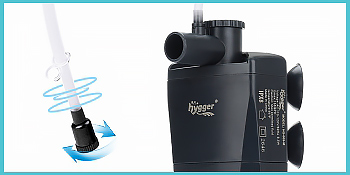
Credit: www.hygger-online.com
Choosing The Right Internal Filter
Internal filters clean aquarium water by removing waste and debris. Choosing the right filter keeps fish healthy. It depends on the filter type and the aquarium size.
This guide helps you pick the best internal filter for your tank. Learn about filter types and how to match them to your aquarium volume.
Filter Types And Sizes
Internal filters come in many types. Each type offers different cleaning methods. Sizes also vary to fit small or large tanks. Choose a filter that fits your tank size and cleaning needs.
- Sponge Filters:Use a sponge to trap debris and provide gentle water flow.
- Power Filters:Use a motor to pull water through filter media for thorough cleaning.
- Undergravel Filters:Sit under the substrate and filter water through gravel layers.
- Combination Filters:Mix different filter types for better performance.
Matching Filter To Aquarium Volume
Choose a filter that can clean all the water in your aquarium several times per hour. This is called turnover rate. A higher turnover rate means cleaner water.
| Aquarium Size (Gallons) | Recommended Filter Flow Rate (GPH) |
| 10 | 50-100 |
| 20 | 100-200 |
| 30 | 150-300 |
| 50 | 250-500 |
| 75 | 375-750 |
Check the filter’s flow rate on the box. Pick one that matches your tank’s size. Do not choose a filter too strong for small tanks. It can stress fish.
Preparing For Installation
Installing an internal aquarium filter needs careful preparation. Doing it right helps keep your fish safe and your water clean.
Before starting, gather all tools and clean the aquarium. This makes installation smooth and effective.
Gathering Necessary Tools
Get the right tools before you start. This saves time and stops mistakes during filter setup.
- Screwdriver for securing parts
- Bucket for water changes
- Towel to catch spills
- Soft cloth to clean surfaces
- Instruction manual for reference
Cleaning The Aquarium
Clean the aquarium before installing the filter. Remove dirt and algae for better water flow.
Use a soft cloth and warm water. Avoid soap or chemicals that can harm fish.
Installing The Internal Filter
Installing an internal aquarium filter is simple. It helps keep your tank clean and healthy. This guide shows how to install it properly.
Follow each step carefully to ensure the filter works well and lasts longer.
Positioning The Filter
Place the internal filter low inside the tank. It should sit just above the gravel or tank floor. Avoid blocking decorations or plants.
- Choose a spot with good water flow.
- Keep it away from fish hiding areas.
- Ensure easy access for cleaning.
- Do not place near heater or air stones.
Securing The Filter In Place
Attach the filter firmly to the tank wall. Use the suction cups or brackets provided. Check that it does not move or tilt.
| Method | Tips |
| Suction Cups | Clean glass before attaching |
| Brackets | Tighten screws gently to avoid damage |
| Weight Base | Ensure it rests flat on the tank floor |
Connecting Power And Tubing
Connect the power cord to a safe outlet. Avoid water splashes near the plug. Attach any tubing to the filter outlet securely.
- Use a drip loop on the power cord to prevent water from reaching the outlet.
- Check tubing for cracks or leaks before attaching.
- Secure tubing with clamps if needed to prevent slipping.
- Do not bend tubing sharply to maintain water flow.
Starting The Filter
Installing an internal aquarium filter is simple. The filter cleans your tank water and keeps fish healthy.
Before turning on the filter, you need to prepare it properly. This helps the filter work well from the start.
Priming The Filter
Priming means filling the filter with water before use. This stops air pockets and helps the filter start easily.
To prime, place the filter inside the aquarium. Fill it with water from the tank until it is full.
- Submerge the filter fully in the aquarium water.
- Use a cup or container to pour water into the filter intake.
- Make sure no air bubbles are trapped inside the filter.
- Check that water flows freely inside the filter before turning it on.
Checking For Proper Water Flow
After starting the filter, watch the water flow carefully. The water should move smoothly without splashing.
If the water flow is weak or uneven, the filter may have air bubbles or a blockage.
- Look for steady water movement at the filter outlet.
- Listen for unusual noises like gurgling or sputtering.
- Clean the filter intake if the flow is slow.
- Re-prime the filter if you see air bubbles inside.
Maintaining The Filter
Keeping your internal aquarium filter clean helps your fish stay healthy. A clean filter works better and lasts longer.
Regular care prevents clogs and keeps the water clear. Follow simple steps to maintain your filter properly.
Routine Cleaning Steps
Clean your filter every two to four weeks. This keeps it running smoothly and removes dirt and debris.
Turn off the filter and unplug it before cleaning. Remove the filter from the tank carefully.
- Rinse filter parts with aquarium water, not tap water
- Use a soft brush to clean the sponge or foam
- Clear any clogged tubes or nozzles
- Reassemble the filter and place it back in the tank
- Plug it in and check that it runs well
Replacing Filter Media
Filter media like sponges or carbon breaks down over time. Replace them to keep your filter effective.
Check the manufacturer’s guide for how often to change the media. Usually, it is every 4 to 6 weeks.
- Remove old filter media from the cartridge or chamber
- Rinse new media with clean aquarium water
- Insert new media into the filter properly
- Do not replace all media at once to keep helpful bacteria
- Start the filter and watch for normal operation
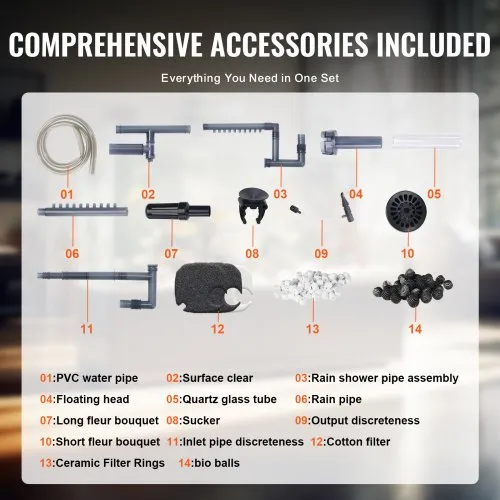
Credit: www.vevor.ca
Troubleshooting Common Issues
Internal aquarium filters can sometimes face issues. Knowing how to troubleshoot helps keep your tank healthy.
Here, we look at common problems like no water flow, unusual noises, and leaks.
No Water Flow
If water is not flowing, your filter might be clogged. Regular cleaning ensures smooth operation.
- Unplug the filter and remove it from the tank.
- Check the intake and impeller for debris.
- Rinse parts gently with tank water.
Unusual Noises
Filters can make strange sounds if not installed correctly. Loose parts may also cause noise.
Ensure all parts are tightly fitted and the filter is positioned securely. A vibrating filter can disturb fish.
Leaks And Drips
Leaks can lead to water loss and damage. Fixing them quickly prevents bigger issues.
| Potential Cause | Solution |
| Loose Seals | Tighten or replace seals |
| Cracked Parts | Replace damaged components |
| Improper Assembly | Reassemble following instructions |

Credit: www.shopabunda.com
Frequently Asked Questions
How Do I Install An Internal Aquarium Filter?
First, position the filter inside the tank near a power source. Attach suction cups to secure it. Connect the filter to the power and ensure water flows smoothly. Follow the manufacturer’s guide for specific steps and maintenance tips.
What Is The Best Location For Internal Filter Placement?
Place the internal filter near the tank’s back or side wall. Ensure it is fully submerged and not obstructed. This allows efficient water circulation and filtration, promoting a clean and healthy aquarium environment.
How Often Should I Clean An Internal Aquarium Filter?
Clean the filter every 2 to 4 weeks to maintain efficiency. Rinse filter media with tank water to preserve beneficial bacteria. Avoid using soap or tap water, which can harm the biological balance.
Can I Install An Internal Filter In A Small Aquarium?
Yes, internal filters are ideal for small tanks. Choose a model suitable for your aquarium size. They provide effective filtration without taking up excessive space or disturbing the tank setup.
Conclusion
Installing an internal aquarium filter keeps your tank water clean. It helps fish stay healthy and happy. Place the filter carefully inside the tank. Make sure it is secure and works well. Clean the filter regularly to avoid clogs. Check the flow to keep water moving properly.
Good filter care saves time and effort later. Enjoy a clear, fresh aquarium with simple steps. Your fish will thank you for the clean home. Keep these tips in mind for easy filter installation.