
If you want your ornamental fish to thrive and show their true colors, clean and healthy water is key. You might not realize it, but the quality of your aquarium water directly affects your fish’s health, behavior, and lifespan.
Without proper water treatment, harmful toxins can build up, stressing your fish and making them vulnerable to disease. This guide will help you understand the simple steps you can take to keep your aquarium water crystal clear and safe. By the time you finish reading, you’ll know exactly how to create the perfect environment for your fish to flourish.
Choosing The Right Water
Water quality is very important for ornamental fish health. The right water helps fish live longer and stay active.
Before adding water to your aquarium, you need to know its type and properties. This guide explains key factors.
Tap Water Vs. Filtered Water
Tap water is easy to get but may have chemicals like chlorine. Filtered water removes these harmful substances.
- Tap water may contain chlorine and chloramine
- Filtered water is safer for sensitive fish species
- Use water conditioners to treat tap water if needed
- Filtered water often has fewer impurities and better clarity
Water Ph Levels
pH measures how acidic or basic water is. Fish need a stable pH to stay healthy.
| pH Level | Water Type | Fish Preference |
| Below 6.5 | Acidic | Discus, Tetras |
| 6.5 to 7.5 | Neutral | Goldfish, Guppies |
| Above 7.5 | Alkaline | Cichlids, Barbs |
Hardness And Softness
Water hardness shows the amount of minerals in water. Some fish like hard water, others like soft.
- Hard water has more calcium and magnesium
- Soft water has fewer minerals and is more pure
- Match water hardness to the fish species needs
- Use water softeners or mineral additives if needed

Credit: www.amazon.com
Essential Filtration Methods
Keeping aquarium water clean is very important for ornamental fish health. Filtration removes waste and harmful substances. Different filtration types work together to keep water clear and safe.
Good filtration supports fish growth and reduces diseases. Understanding key filtration types helps maintain a healthy aquarium environment.
Mechanical Filtration
Mechanical filtration removes solid particles from the water. It traps debris like uneaten food, fish waste, and plant matter. This stops the water from becoming cloudy.
Common materials used are sponge pads, filter floss, and foam. These catch particles as water flows through. Regular cleaning prevents clogging and keeps filtration effective.
- Removes visible debris
- Prevents water cloudiness
- Needs routine cleaning
Biological Filtration
Biological filtration uses beneficial bacteria to break down toxic waste. These bacteria convert ammonia into less harmful substances like nitrites and nitrates. This process is called the nitrogen cycle.
Materials like bio balls, ceramic rings, and sponge provide surfaces for bacteria to grow. Healthy bacteria colonies keep water safe for fish. Avoid cleaning all bio media at once to protect bacteria.
- Breaks down toxic ammonia
- Supports nitrogen cycle
- Needs stable environment
Chemical Filtration
Chemical filtration removes dissolved impurities from water. Activated carbon is the most common material. It absorbs toxins, odors, and discoloration. Other chemicals like zeolite remove ammonia directly.
Chemical media usually lasts a few weeks before needing replacement. It works best combined with mechanical and biological filtration. This helps keep aquarium water clear and healthy.
- Removes dissolved toxins
- Controls odors and color
- Needs regular changing
Dechlorination Techniques
Chlorine in tap water is harmful to ornamental fish. Removing chlorine is important for fish health. Dechlorination makes water safe for aquariums.
There are different ways to remove chlorine. Some use chemicals, while others rely on natural processes. Each method helps create a healthy environment.
Using Water Conditioners
Water conditioners are chemicals that remove chlorine quickly. They also remove chloramine, which is more toxic to fish. Using conditioners is easy and fast.
Most water conditioners make chlorine safe by changing it into a harmless form. They also protect fish from chemicals in tap water. This keeps fish healthy and stress-free.
Natural Dechlorination
Chlorine disappears naturally if water sits for a while. Leaving water out for 24 to 48 hours lets chlorine evaporate. This is a simple and chemical-free way.
Natural dechlorination does not remove chloramine. Chloramine stays in water longer and needs special treatment. Natural methods work best for chlorine only.
Activated Carbon Benefits
Activated carbon in filters can remove chlorine and impurities. It traps chemicals and cleans the water. This helps keep the tank water clear and safe.
- Removes chlorine and chloramine
- Improves water taste and smell
- Reduces harmful chemicals
- Supports healthy fish environment
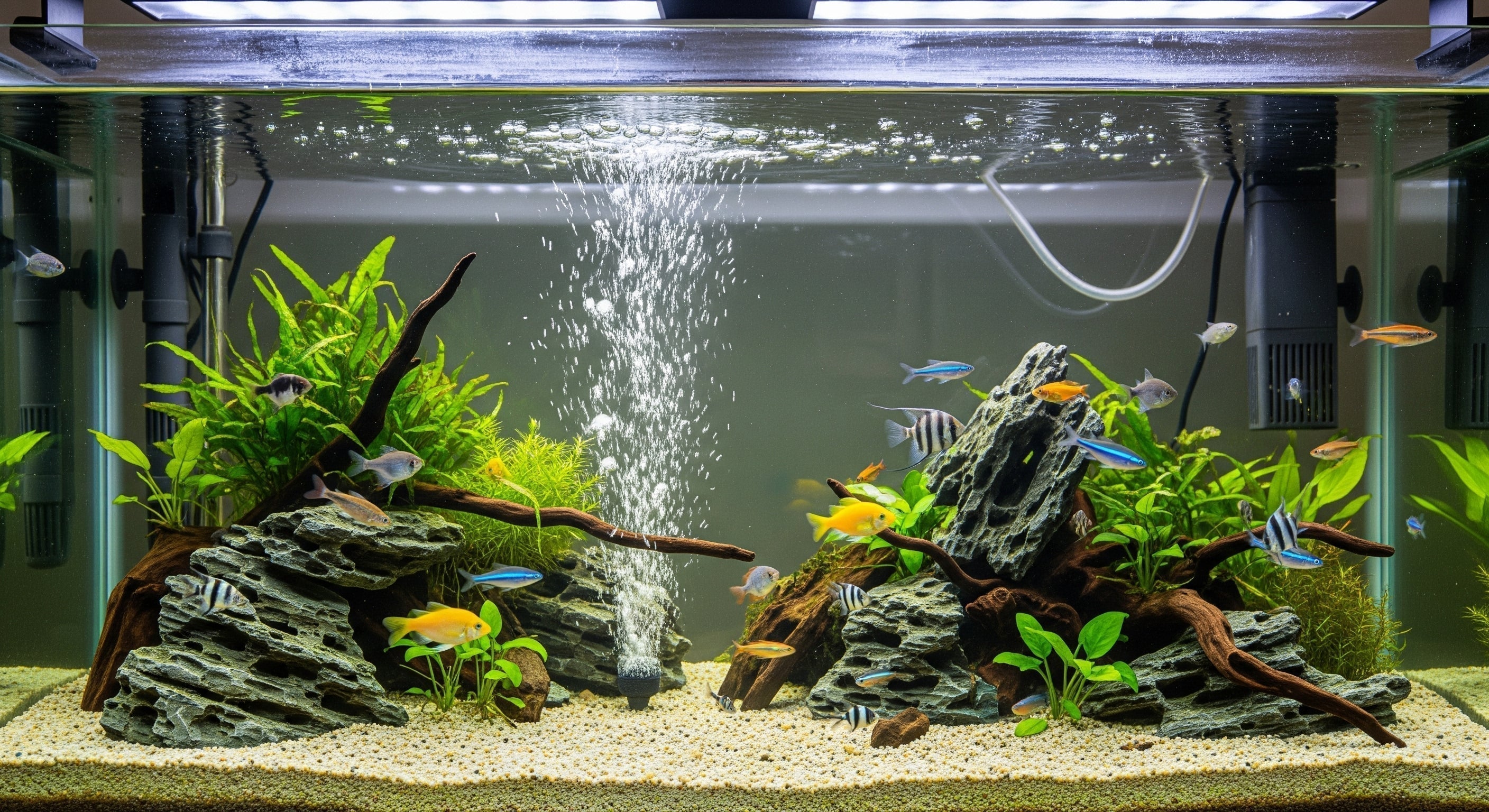
Credit: www.pond-planet.co.uk
Maintaining Water Quality
Good water quality is key for healthy ornamental fish. Clean water helps fish stay active and live longer.
Keep an eye on water conditions to avoid problems. Regular care keeps your aquarium safe and clear.
Regular Water Testing
Test water often to check pH, ammonia, nitrite, and nitrate levels. These factors affect fish health.
- Use test kits weekly for best results
- Record readings to track changes
- Adjust water treatments based on results
- Check temperature along with chemicals
Partial Water Changes
Change part of the water regularly to remove waste. This keeps toxins low and oxygen high.
| Change Frequency | Amount to Change |
| Weekly | 10-20% |
| Bi-weekly | 20-30% |
| Monthly | 30-50% |
Controlling Algae Growth
Algae can harm fish and make water cloudy. Control algae to keep the tank clean and healthy.
- Limit light exposure to 8-10 hours daily
- Remove excess food to reduce nutrients
- Use algae-eating fish or snails safely
- Clean tank surfaces regularly
Treating Common Water Issues
Water quality is key for healthy ornamental fish. Some common issues can harm fish if not fixed fast. Knowing how to treat these problems helps keep fish safe.
This guide covers ways to remove ammonia and nitrite, control nitrate levels, and handle hard water problems in your aquarium.
Ammonia And Nitrite Removal
Ammonia and nitrite are toxic to fish and come from fish waste and leftover food. High levels cause stress and illness. Remove them quickly to protect your fish.
- Perform regular water changes to dilute toxins.
- Use biological filters that convert ammonia to less harmful substances.
- Add ammonia detoxifiers to neutralize toxins temporarily.
- Feed fish less to reduce waste production.
Managing Nitrate Levels
Nitrate is less toxic but can build up and stress fish. Keep nitrate levels low for a healthy tank. Use plants or water changes to manage nitrate.
| Method | Effect |
| Regular Water Changes | Reduces nitrate concentration |
| Live Aquarium Plants | Absorb nitrates as nutrients |
| Use Nitrate Remover Media | Filters nitrate from water |
| Limit Feeding | Reduces nitrate production |
Dealing With Hard Water Problems
Hard water has high minerals like calcium and magnesium. It can harm some fish species. Softening water helps create a better environment.
Ways to soften hard water:
- Use reverse osmosis (RO) filters to remove minerals.
- Add water softening pillows or resins in the filter.
- Mix tap water with distilled water to reduce hardness.
- Test water hardness regularly to track changes.

Credit: www.amazon.ca
Enhancing Water For Fish Health
Ornamental fish need clean and healthy water to thrive. Proper water treatment helps ensure their well-being.
Effective water treatment involves adding necessary minerals, controlling temperature, and ensuring oxygen levels are adequate.
Adding Minerals And Trace Elements
Minerals and trace elements are important for fish health. They support growth and prevent diseases.
You can add these elements through special aquarium products. They help recreate the fish’s natural habitat.
- Calcium strengthens fish bones
- Magnesium aids in enzyme functions
- Iron supports oxygen transport
Temperature Control
Fish need water at the right temperature. Temperature affects their metabolism and immune system.
Aquarium heaters and coolers help maintain a stable temperature. This prevents stress and illness in fish.
- Warm water boosts digestion
- Cold water slows down metabolism
- Sudden changes cause stress
Oxygenation Techniques
Oxygen is vital for fish survival. Proper oxygenation ensures fish can breathe easily.
Using air pumps and water filters increases oxygen levels in the tank. This keeps fish active and healthy.
- Air stones create bubbles
- Filters circulate water
- Plants release oxygen
Frequently Asked Questions
What Is The Best Water Treatment For Ornamental Fish?
The best water treatment includes dechlorination, pH balancing, and removing harmful toxins. Use water conditioners and regular testing for safe water.
How Often Should Aquarium Water Be Treated?
Treat aquarium water during every water change, typically every 1-2 weeks. Regular treatment maintains water quality and fish health.
Can Untreated Tap Water Harm Ornamental Fish?
Yes, untreated tap water contains chlorine and heavy metals harmful to fish. Always use a water conditioner before adding it to the tank.
Why Is Ph Balance Important In Aquarium Water?
PH balance affects fish health and stress levels. Proper pH ensures a stable environment and prevents diseases.
Conclusion
Proper water treatment keeps ornamental fish healthy and happy. Clean water reduces fish stress and disease risks. Regular checks help maintain the right water balance. Treating water correctly supports fish growth and colors. Simple steps make a big difference in fish care.
Stay consistent and patient for the best results. Healthy fish bring joy and beauty to any aquarium. Remember, good water quality is key to success.