
Are you looking to keep your fish healthy and vibrant? Supplementary fish food could be the secret ingredient you’re missing.
It’s not just about feeding your fish daily; it’s about giving them the right nutrients to thrive. Imagine seeing your fish swim with more energy, display brighter colors, and stay strong against diseases. You’ll discover how choosing the right supplementary food can transform your aquarium experience.
Keep reading to find out how to give your fish the best care possible.
Benefits Of Supplementary Fish Food
Supplementary fish food helps keep fish healthy and strong. It adds extra nutrients to their regular diet.
This food supports fish in many ways. It helps them grow faster and stay bright and active.
Enhancing Growth Rates
Supplementary fish food contains proteins and vitamins that boost fish growth. Fish get energy to swim and grow well.
Giving extra food helps young fish develop strong bones and muscles. It speeds up their growth process.
Improving Immune System
This food has nutrients that help fish fight diseases. A strong immune system protects fish from infections.
Supplementary food supports healing and keeps fish healthy in different water conditions. It reduces stress on fish.
Boosting Color And Vitality
Special ingredients in supplementary food enhance fish colors. Fish look brighter and more attractive.
Vitamins and minerals increase fish energy. Fish swim actively and show lively behavior.
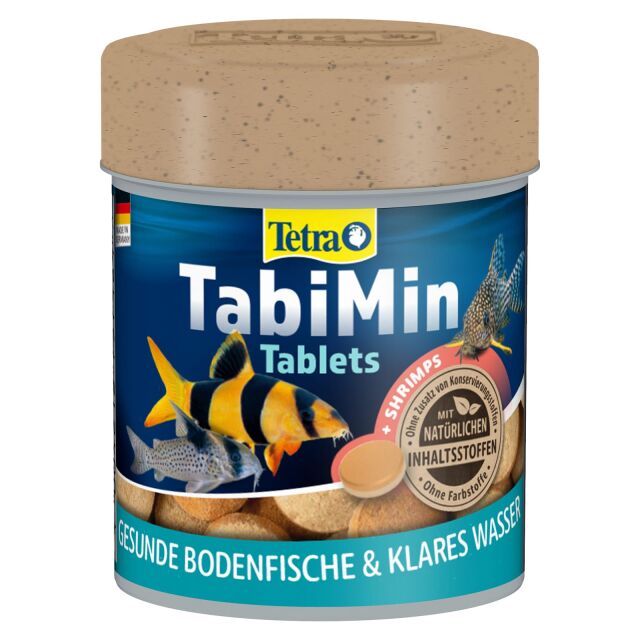
Credit: www.aquasabi.com
Types Of Supplementary Fish Food
Supplementary fish food helps keep fish healthy and active. It adds nutrients that fish may not get from their main diet.
There are several types of supplementary food available. Each type has unique benefits for different fish species.
Natural Supplements
Natural supplements include items like vegetables, fruits, and algae. These are good for herbivorous and omnivorous fish.
They provide fiber, vitamins, and minerals that improve digestion and immunity in fish.
- Leafy greens like spinach and lettuce
- Peas and cucumber slices
- Algae sheets or spirulina
- Small amounts of fruit like melon
Commercial Pellets And Flakes
Commercial pellets and flakes are easy to use and store. They come in many formulas to meet fish needs.
These foods often contain proteins, fats, vitamins, and minerals. They support growth and bright colors.
- Pellets for bottom feeders or surface feeders
- Flakes that float for surface fish
- Special formulas for specific species
- Balanced nutrition for daily feeding
Live And Frozen Options
Live and frozen foods are rich in protein. They mimic natural prey and encourage fish to hunt.
These options help improve fish health and activity. They include worms, larvae, and small crustaceans.
- Live brine shrimp and daphnia
- Frozen bloodworms and mosquito larvae
- Freeze-dried options for easy storage
- Good for carnivorous and omnivorous fish
Key Nutrients In Fish Supplements
Fish need good nutrition to stay healthy and grow well. Supplementary fish food helps give them important nutrients they may miss in their regular diet.
This guide covers key nutrients found in fish supplements. These nutrients support fish health, energy, and reproduction.
Proteins And Amino Acids
Proteins build fish muscles and tissues. Amino acids are the building blocks of proteins and help repair cells.
- Essential amino acids support growth and immune function.
- Fish need high-quality protein for energy.
- Protein helps heal wounds and maintain healthy skin.
Vitamins And Minerals
Vitamins and minerals help fish stay strong and resist diseases. They support metabolism and bone health.
| Vitamin/Mineral | Role | Example |
|---|---|---|
| Vitamin C | Boosts immune system | Helps heal wounds |
| Vitamin D | Supports bone growth | Calcium absorption |
| Iron | Helps carry oxygen | Prevents anemia |
| Calcium | Strengthens bones and scales | Muscle function |
Essential Fatty Acids
Essential fatty acids keep fish skin and scales healthy. They support brain and eye development.
Important types of fatty acids in fish supplements include:
- Omega-3 fatty acids for reducing inflammation
- Omega-6 fatty acids for energy and cell growth
- Fatty acids aid in reproduction and overall health
Credit: catit.ca
Choosing The Right Supplement
Supplementary fish food helps keep your fish healthy and happy. It adds extra nutrients that regular food might miss.
Choosing the right supplement depends on your fish and their environment. This guide will help you pick the best one.
Matching Species Needs
Different fish species need different nutrients. Carnivores need more protein, while herbivores need more plants.
Check your fish’s diet in the wild. Use supplements that match their natural food preferences.
- Carnivores: High protein, like insects or small crustaceans
- Herbivores: Plant-based supplements, like algae or spirulina
- Omnivores: Balanced supplements with protein and plants
Considering Life Stage
Young fish need more nutrients to grow strong. Adult fish need food to maintain health and energy.
Choose supplements that support growth for fry and juveniles. Use balanced supplements for adults.
- Fry: High protein and vitamins for growth
- Juveniles: Moderate protein and minerals
- Adults: Balanced nutrients to keep health
Evaluating Water Conditions
Water quality affects how well fish use supplements. Hard or soft water can change nutrient needs.
Choose supplements that suit your tank’s water type. Some supplements help balance minerals in the water.
- Hard water: Supplements rich in magnesium and calcium
- Soft water: Supplements with trace minerals
- pH levels: Choose supplements that support stable pH
Feeding Tips And Best Practices
Supplementary fish food adds variety and extra nutrition to your fish’s diet. Feeding it correctly helps keep fish healthy and happy.
Use these tips to feed your fish the right amount of supplementary food. This keeps the water clean and fish active.
Proper Feeding Frequency
Feed your fish supplementary food once or twice a day. Too much food can pollute the water and harm fish.
Feed small amounts so fish eat all the food within a few minutes. Remove leftovers if needed.
- Feed in the morning and evening
- Give only what fish can eat in 3-5 minutes
- Adjust frequency based on fish species and size
Avoiding Overfeeding
Overfeeding causes water pollution and health problems for fish. Watch how much food you add each time.
Use a feeding schedule and avoid giving extra treats too often. Keep track of how fish respond to food amounts.
- Do not feed more than fish can eat quickly
- Remove uneaten food after feeding
- Use feeding tools to control portion size
Monitoring Fish Behavior
Watch your fish during and after feeding. Healthy fish are active and eat eagerly.
If fish stop eating or act tired, check their food and environment. Adjust feeding if needed.
- Look for signs of overfeeding like bloated fish
- Note if some fish do not eat well
- Change food type if fish show low interest

Credit: catit.ca
Common Mistakes To Avoid
Supplementary fish food can help maintain healthy fish. But, there are common mistakes many people make.
Avoid these errors to ensure your fish receive proper nutrition and care.
Relying Solely On Supplements
Some people think supplements are enough for fish. This is not true. Fish need a balanced diet from natural sources too.
- Diverse diet helps fish grow well
- Natural foods provide essential nutrients
- Supplements should only fill gaps
Ignoring Quality Standards
Quality is key when choosing fish food. Low-quality food can harm fish health. Always check for quality standards.
| Quality Check | Importance |
| Check expiration date | Ensures freshness |
| Look for certifications | Guarantees safety |
| Read ingredient list | Avoids harmful additives |
Neglecting Water Quality
Water quality impacts fish health greatly. Poor water conditions can make even the best food ineffective.
Diy Supplement Options
Creating your own fish food can be fun and cost-effective. It also allows you to control the ingredients used for your fish’s diet.
By making your own fish food, you ensure the quality and freshness of what your fish eat. Let’s explore some DIY options.
Homemade Food Mixes
Homemade food mixes can be tailored to meet the dietary needs of your fish. You can use common kitchen ingredients.
- Blend vegetables like spinach and peas
- Mix in proteins such as shrimp or fish fillets
- Add a binder like gelatin to hold the mix
Using Natural Ingredients
Natural ingredients are healthier and often more nutritious for your fish. They help improve fish growth and color.
| Ingredient | Benefit |
| Spinach | Rich in vitamins |
| Shrimp | High in protein |
| Carrots | Boosts color |
Safe Preparation Techniques
Safety is key when preparing fish food. Proper techniques prevent contamination and ensure your fish stay healthy.
- Wash all ingredients thoroughly before use
- Cook proteins to eliminate bacteria
- Store prepared food in a clean container
Frequently Asked Questions
What Is Supplementary Fish Food?
Supplementary fish food is an additional diet given to fish alongside their main feed. It enhances nutrition and promotes better growth and health in aquarium or pond fish.
Why Use Supplementary Fish Food?
Using supplementary fish food ensures balanced nutrition, boosts immunity, and improves fish color and vitality. It helps meet dietary needs not fulfilled by basic food.
How Often Should Fish Get Supplementary Food?
Feed supplementary fish food 2-3 times a week. Overfeeding can cause water pollution and harm fish health.
What Ingredients Are In Supplementary Fish Food?
Supplementary fish food contains proteins, vitamins, minerals, and natural extracts. These ingredients support growth, immunity, and overall fish well-being.
Conclusion
Supplementary fish food helps keep fish healthy and active. It adds important nutrients missing from regular diets. Fish grow better and show brighter colors with it. Feeding fish right supports a clean and balanced tank. Choose food that fits your fish type and size.
Regular feeding with supplements keeps fish happy every day. Good care means your fish live longer and thrive. Simple steps can make a big difference in fish health. Try adding supplementary food and watch your fish flourish.