
Are you struggling to keep your aquarium water balanced? Understanding how to maintain GH (General Hardness) and KH (Carbonate Hardness) levels is key to creating a healthy environment for your fish and plants.
These two water parameters affect everything from fish health to plant growth, yet many hobbyists find them confusing. You’ll discover simple, practical tips to monitor and adjust your water’s GH and KH levels. By the end, you’ll feel confident managing these important factors and giving your aquatic life the best home possible.
Keep reading to unlock the secrets to perfect water chemistry!
Credit: www.aquaneo2u.com
Importance Of Gh And Kh
Maintaining proper GH and KH levels is key for healthy water. GH means general hardness, and KH means carbonate hardness. Both affect water quality and living things in it.
Understanding GH and KH helps you keep aquatic environments stable. It supports fish, plants, and overall water chemistry balance.
Role In Water Chemistry
GH measures calcium and magnesium in water. KH measures carbonate and bicarbonate ions. These minerals affect water’s pH and buffering ability.
- GH supports mineral balance essential for water hardness.
- KH stabilizes pH by neutralizing acids in water.
- Both prevent sudden pH changes that can harm aquatic life.
- Proper levels help keep water clear and safe.
Impact On Aquatic Life
Fish and other aquatic animals need stable GH and KH levels to survive. These minerals influence their health and breeding success.
| Effect | Low GH/KH | High GH/KH |
| Fish Stress | High | Low |
| Reproduction | Poor | Good |
| Growth | Slow | Normal |
| Disease Resistance | Low | High |
Effects On Plant Growth
Plants rely on minerals in GH for healthy roots and leaves. KH helps keep pH stable, making nutrients available to plants.
Key ways GH and KH affect plants:
- GH provides calcium and magnesium needed for growth.
- KH prevents pH swings that block nutrient uptake.
- Balanced hardness supports strong plant development.
Testing Gh And Kh Levels
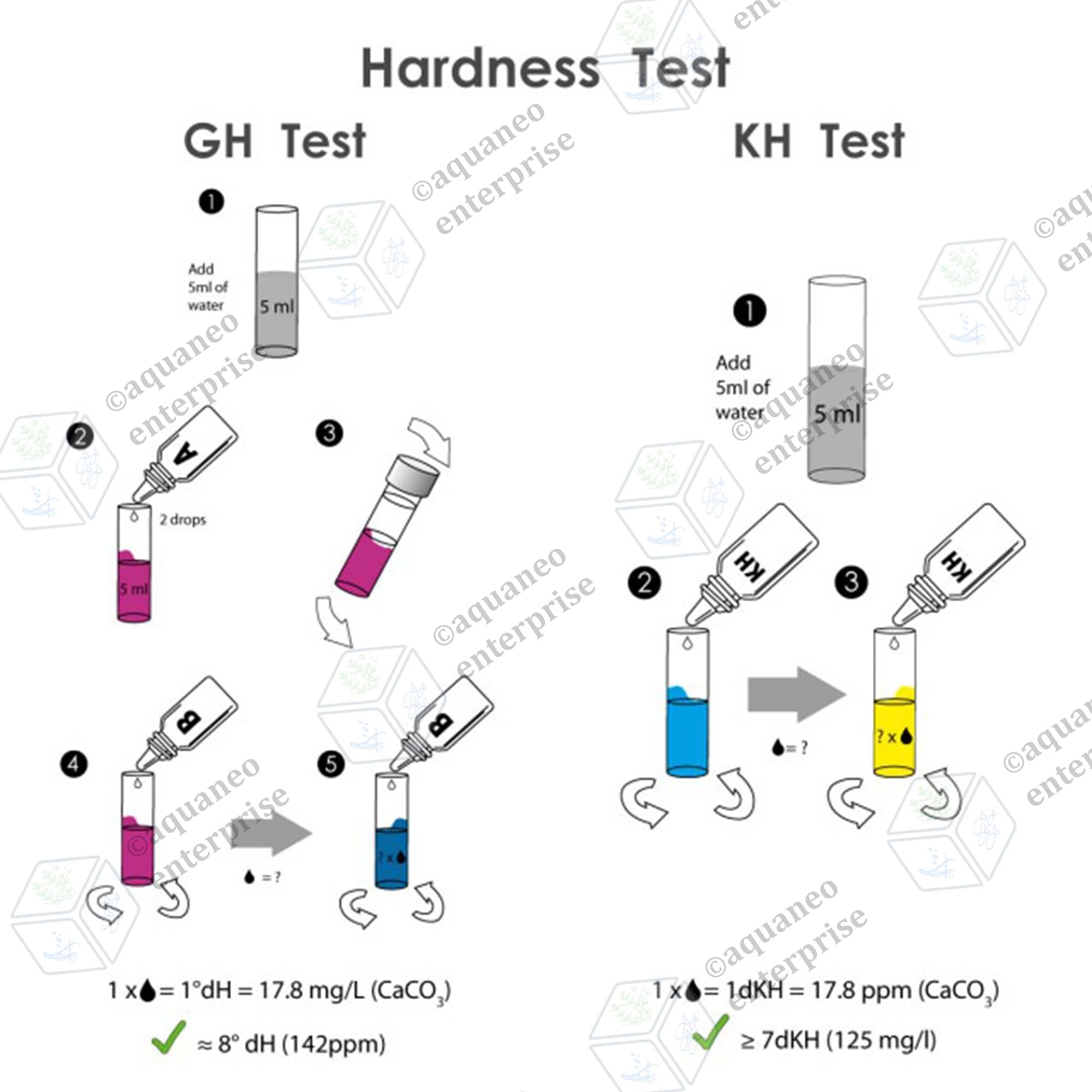
Maintaining proper Gh and Kh levels is important for water quality. Testing these levels helps keep your environment safe.
Regular tests show if adjustments are needed. This guide explains how to test Gh and Kh levels correctly.
Choosing The Right Test Kits
Select test kits made for Gh (general hardness) and Kh (carbonate hardness). Kits with clear instructions work best.
- Use liquid test kits or test strips for easy results
- Check if the kit covers the range you need
- Pick kits that show results in degrees or ppm
- Choose brands with good reviews for accuracy
Frequency Of Testing
Test Gh and Kh levels often to catch changes early. The frequency depends on your setup.
- Test weekly if you have a new tank or system
- Test biweekly in stable environments
- Test after adding new water or chemicals
- Test if fish or plants show signs of stress
Interpreting Test Results
Read your test results carefully to understand water hardness. Knowing what numbers mean guides your actions.
| Level | Gh (General Hardness) | Kh (Carbonate Hardness) | Meaning |
|---|---|---|---|
| Low | 0–4 dGH | 0–3 dKH | Soft water, may need buffering |
| Medium | 5–8 dGH | 4–7 dKH | Good for most freshwater fish |
| High | 9+ dGH | 8+ dKH | Hard water, may need adjustment |
Adjusting Gh Levels
General Hardness (Gh) measures the calcium and magnesium in water. Keeping Gh levels balanced is important for plants, fish, and microbes.
Adjusting Gh requires care. Too much change can harm your aquarium or garden ecosystem. Use safe methods to raise or lower Gh.
Increasing Gh Safely
To increase Gh, add calcium or magnesium sources slowly. This avoids sudden changes that stress aquatic life.
- Use crushed coral or limestone in your filter or substrate
- Add calcium chloride or magnesium sulfate in small doses
- Test water daily to monitor changes
- Increase Gh gradually over several days
Lowering Gh Effectively
Lower Gh by diluting water with softer water or using specific chemical treatments. Always check levels carefully.
| Method | Description | Notes |
|---|---|---|
| Water Dilution | Mix tank water with distilled or reverse osmosis water | Best for small Gh reductions |
| Peat Moss | Add peat to filter to bind minerals | Can also lower pH |
| Water Softeners | Use commercial Gh reducers carefully | Follow instructions strictly |
Common Mistakes To Avoid
Many beginners make errors that harm their water quality. Avoid these common mistakes to keep Gh stable.
- Changing Gh too quickly causes stress to fish and plants
- Ignoring regular water testing leads to unnoticed problems
- Using untreated tap water without testing raises Gh unexpectedly
- Adding chemicals without following doses can create spikes
- Mixing incompatible products can harm aquatic life
Managing Kh Levels
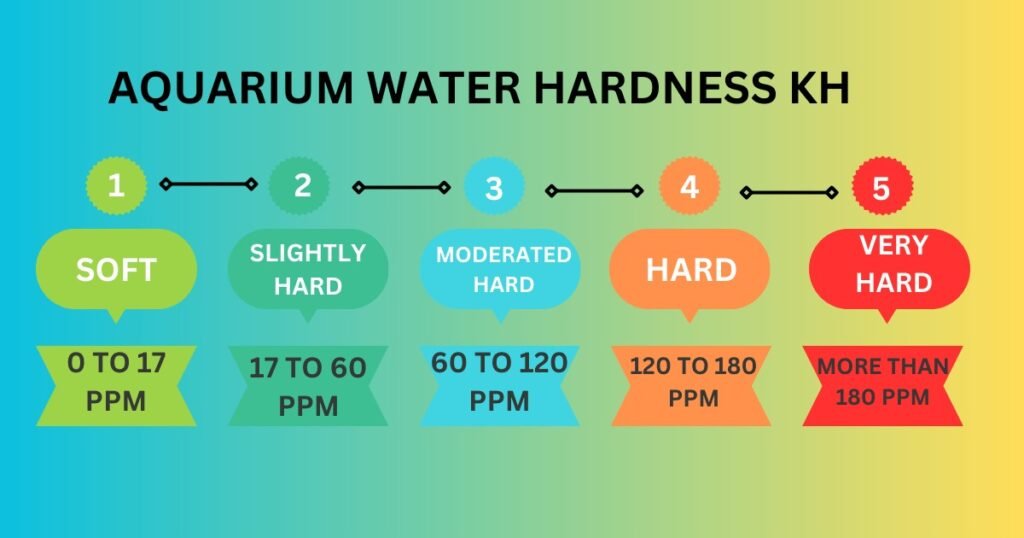
Kh, or carbonate hardness, is important for keeping water stable. It helps control the pH level in your aquarium or pond.
Knowing how to manage Kh will protect your fish and plants. It keeps the water safe and healthy.
Methods To Raise Kh
You can raise Kh by adding minerals that increase carbonate hardness. This helps keep the water from becoming too acidic.
- Add baking soda carefully to the water.
- Use crushed coral or limestone in your filter.
- Add commercial KH boosters made for aquariums.
- Use dolomite sand as a substrate for slow release.
Techniques To Reduce Kh
Reducing Kh can be needed if the water is too hard. Lower Kh to keep fish comfortable and plants healthy.
| Method | Description |
| Reverse Osmosis Water | Use filtered water with low minerals. |
| Peat Moss | Add to filter to soften water and lower Kh. |
| Driftwood | Natural wood lowers Kh by releasing tannins. |
| Partial Water Changes | Use softer water to mix with hard water. |
Balancing Kh With Gh
Gh measures general hardness, which includes calcium and magnesium. Balancing Gh and Kh keeps water stable and safe.
Here is a simple guide to balance Kh and Gh:
- Test both Kh and Gh levels regularly.
- Adjust Kh first if pH swings occur.
- If Gh is too low, add calcium or magnesium supplements.
- Keep Kh and Gh in the proper range for your fish species.
Natural Ways To Maintain Balance
Maintaining proper GH (general hardness) and KH (carbonate hardness) levels is important for healthy water in your aquarium or pond. These levels affect fish health and water stability.
You can balance GH and KH naturally by using certain materials and plants. It takes simple steps to keep your water stable without chemicals.
Using Substrates And Rocks
Substrates and rocks can change GH and KH by releasing minerals into the water. Choose materials carefully to keep water conditions steady.
- Use crushed coral or limestone to raise GH and KH levels.
- Avoid using soft sand or peat that lowers hardness too much.
- Test water regularly to see how substrates affect mineral content.
- Mix different substrates to balance water hardness naturally.
Incorporating Plants
Plants can help maintain GH and KH by using minerals in the water. They also improve water quality by adding oxygen.
| Plant Type | Effect on Water Hardness |
| Java Fern | Stable, does not change hardness much |
| Anubias | Uses some minerals, helps moderate hardness |
| Hornwort | Reduces hardness slightly by absorbing minerals |
| Amazon Sword | Moderates hardness, good for GH balance |
Water Source Considerations
Water source affects GH and KH levels. Knowing your source helps you adjust and maintain balance naturally.
Check these tips for choosing and treating water:
- Use tap water if it has stable hardness and pH levels.
- Rainwater usually has low hardness; mix with harder water if needed.
- Use natural spring water for balanced GH and KH.
- Let water sit for 24 hours to remove chlorine before use.
Credit: fishhunted.com
Impact Of Water Changes
Maintaining the right gh and kh levels is key for a healthy aquarium. Water changes play a big role in this process. They help in balancing minerals and keeping aquatic life safe.
Understanding the impact of water changes can prevent issues in your tank. Knowing when and how to adjust the water is essential for your fish and plants.
Frequency And Volume
Regular water changes are vital for maintaining stable gh and kh levels. They help remove waste and replenish essential minerals.
- Change 10-15% of the water weekly for small tanks.
- Larger tanks can have 20-25% water changes bi-weekly.
- Adjust volume based on the bioload and plant density.
Choosing Replacement Water
The type of replacement water affects gh and kh levels. It’s important to select water that matches the existing conditions as closely as possible.
| Water Type | Effect on GH/KH |
| Tap Water | May increase mineral content |
| RO Water | Neutral effect, requires remineralization |
| Distilled Water | Very low minerals, use cautiously |
Avoiding Sudden Shifts
Sudden changes in water chemistry can stress or harm aquatic life. It’s crucial to make adjustments gradually to avoid sudden shifts.
Troubleshooting Imbalances
Maintaining the right GH and KH levels is important for a healthy aquarium. This guide helps you troubleshoot any imbalances.
Learn to recognize signs of imbalance and how to correct them effectively.
Signs Of Gh And Kh Issues
Recognizing the signs of GH and KH issues is crucial. These signs help you address problems early.
- Fish showing signs of stress
- Plants not thriving as expected
- Water becoming cloudy
- Increased algae growth
Common Causes
Several factors can lead to imbalances in GH and KH levels. Understanding these causes aids in prevention.
| Cause | Description |
| Overfeeding | Leads to waste buildup and imbalance |
| Infrequent Water Changes | Accumulation of unwanted minerals |
| Improper Filtration | Fails to remove excess compounds |
| Use of Untreated Water | Introduces unwanted minerals |
Steps To Correct Problems
Addressing GH and KH issues involves simple steps. Follow these to restore balance.
- Test water regularly to monitor GH and KH levels.
- Perform regular water changes to maintain balance.
- Adjust feeding practices to reduce waste.
- Use a water conditioner for untreated water.
- Ensure filtration system is efficient and clean.

Credit: www.reddit.com
Frequently Asked Questions
What Are Gh And Kh Levels In Water?
GH (General Hardness) measures calcium and magnesium ions. KH (Carbonate Hardness) measures carbonate and bicarbonate ions. Both affect water quality and aquatic life health.
Why Is Maintaining Gh And Kh Levels Important?
Balanced GH and KH levels stabilize pH, support aquatic life, and prevent health issues in fish and plants. Proper levels ensure a healthy aquarium environment.
How Can I Test Gh And Kh Levels Accurately?
Use reliable aquarium water test kits designed for GH and KH. Test regularly to monitor changes and maintain stable water conditions for your tank.
What Methods Help Adjust Gh And Kh In Aquariums?
Add minerals like calcium carbonate to increase hardness. Use reverse osmosis water or peat moss to lower hardness. Adjust gradually to avoid stressing aquatic life.
Conclusion
Maintaining proper GH and KH levels keeps your water healthy and stable. Test your water regularly to catch changes early. Use safe methods to adjust levels slowly and carefully. Balanced GH and KH support fish and plants well. Simple steps make a big difference over time.
Stay consistent and patient for the best results. Your aquarium will thank you with vibrant life and clear water. Keep learning and adapting to meet your tank’s needs. Small efforts lead to a thriving aquatic environment.