
If you own or manage large tanks, you know how crucial it is to keep them in top shape. But maintaining these massive containers can feel overwhelming and time-consuming.
What if you could make the process easier, faster, and more effective? You’ll discover simple, practical tips to maintain your large tanks efficiently. By following these steps, you’ll save money, avoid costly repairs, and extend the life of your tanks.
Keep reading—you’re about to learn how to take control and protect your valuable assets like a pro.
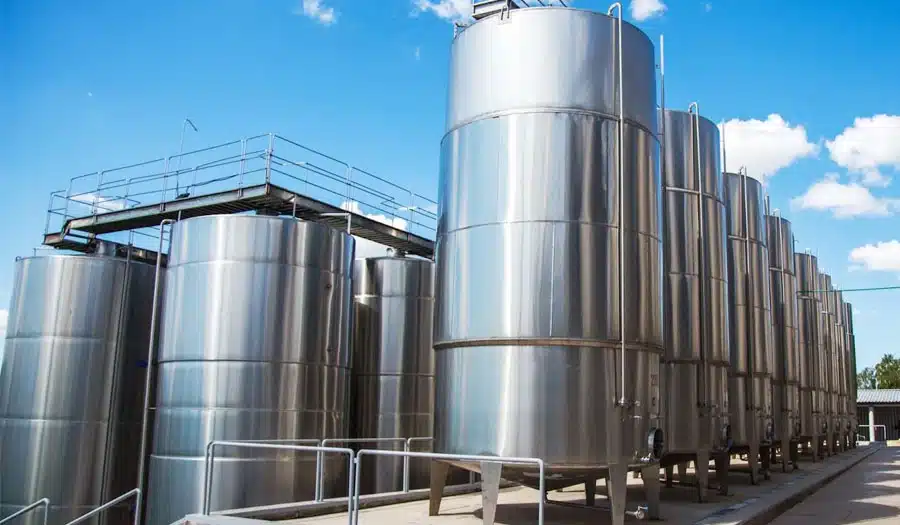
Credit: www.micetgroup.com
Choosing The Right Tank Material
Choosing the right material for large tanks helps keep them strong and long-lasting. The material affects how well the tank holds up and how much care it needs.
This guide compares common tank materials and explains their durability and maintenance needs.
Comparing Common Materials
Tanks come in many materials like steel, plastic, and fiberglass. Each has different strengths and weaknesses.
| Material | Strengths | Weaknesses |
|---|---|---|
| Steel | Very strong, holds pressure well | Can rust, heavy |
| Plastic | Lightweight, corrosion resistant | Less strong, can crack in cold |
| Fiberglass | Corrosion resistant, durable | More expensive, can crack on impact |
Durability And Maintenance Needs
Each tank material needs different care to last a long time. Knowing this helps you plan maintenance well.
- Steel tanks need regular painting to stop rust.
- Plastic tanks require checks for cracks or leaks.
- Fiberglass tanks should be inspected for surface damage.
- Cleaning schedules vary based on the material and tank use.

Credit: gototanks.com
Regular Cleaning Practices
Keeping large tanks clean is important to stop damage and keep them working well. Dirt, algae, and other build-ups can cause problems inside the tank.
Regular cleaning helps keep tanks safe and extends their life. It also ensures the contents stay pure and free from contamination.
Cleaning Frequency Guidelines
The time between cleanings depends on what the tank holds and its use. Some tanks need cleaning every month, others less often.
Check the tank often for signs of dirt or damage. Set a cleaning schedule based on how fast it gets dirty or the rules for your tank type.
- Water tanks: clean every 3 to 6 months
- Chemical tanks: clean after each use or monthly
- Fuel tanks: clean every 6 to 12 months
- Food storage tanks: clean after each batch
Safe Cleaning Techniques
Cleaning large tanks needs careful steps to keep workers safe and avoid tank damage. Use the right tools and cleaning agents.
Always wear protective gear like gloves and masks. Make sure the tank is well-ventilated during cleaning to avoid breathing harmful fumes.
- Drain and rinse the tank before cleaning
- Use brushes or pressure washers for tough dirt
- Choose cleaning chemicals safe for the tank material
- Dispose of waste water properly
- Inspect the tank for leaks or cracks after cleaning
Inspection And Monitoring
Maintaining large tanks requires regular checks to keep them safe and functional.
Inspection and monitoring help detect problems early and prevent failures.
Identifying Common Issues
Look for leaks, corrosion, and cracks during tank inspections. Check for unusual noises or vibrations.
- Surface rust or paint peeling
- Deformation or dents
- Loose or missing bolts
- Unusual smells or stains around the tank
- Water or fluid levels dropping unexpectedly
Using Technology For Monitoring
Modern tools help monitor tank conditions without manual checks all the time.
| Technology | Purpose | Benefit |
| Ultrasonic sensors | Measure tank thickness | Detect corrosion early |
| Pressure sensors | Monitor internal pressure | Prevent overpressure damage |
| Temperature sensors | Track fluid temperature | Ensure safe storage conditions |
| Remote cameras | Visual inspection | Check hard-to-reach areas |

Credit: gototanks.com
Preventing Corrosion And Leaks
Large tanks store liquids or gases for long periods. Proper care stops damage like corrosion and leaks. This saves money and ensures safety.
Using protective coatings and leak detection helps keep tanks strong. These methods reduce repair costs and prevent accidents.
Protective Coatings
Protective coatings shield tank surfaces from moisture and chemicals. These coatings slow down rust and corrosion. Applying the right coating is key.
- Clean the tank surface before coating
- Choose coatings that resist chemicals stored inside
- Apply coatings evenly to cover all areas
- Inspect and reapply coatings regularly
Leak Detection Methods
Detecting leaks early helps avoid spills and damage. Many tools and techniques find leaks fast. Choose methods that fit the tank type and use.
| Method | Description | Use Case |
| Visual Inspection | Look for cracks, rust, or wet spots | Simple tanks, regular checks |
| Ultrasonic Testing | Uses sound waves to find leaks inside walls | Metal tanks, hard-to-see areas |
| Pressure Testing | Measures pressure changes indicating leaks | Sealed tanks, after maintenance |
| Gas Detection Sensors | Detects gas leaks by sensing changes in air | Gas storage tanks |
Efficient Water Management
Large tanks store a lot of water. Managing this water well saves resources and keeps the tank safe.
Good water management helps prevent waste and keeps water clean for its intended use.
Optimizing Water Usage
Use water only when needed. Monitor tank levels regularly to avoid overflow or shortages.
Fix leaks quickly to reduce water loss. Use sensors and timers to control water flow.
- Check tank levels daily
- Repair leaks immediately
- Use automatic sensors for flow control
- Schedule water use during off-peak hours
Preventing Contamination
Keep tanks clean to avoid dirt and germs. Cover tanks to stop dust and insects from entering.
Regularly clean tanks and pipes. Use safe cleaning methods to protect water quality.
- Cover tanks with secure lids
- Clean tanks at set intervals
- Inspect pipes and fittings for damage
- Use filters to block debris
Maintenance Scheduling
Maintaining large tanks requires careful planning. Regular maintenance ensures safety and efficiency. A well-organized schedule helps prevent unexpected issues.
Creating a maintenance schedule involves understanding the tank’s needs. It also requires setting regular intervals for inspections and cleaning.
Creating A Maintenance Calendar
A maintenance calendar keeps your tasks organized. It helps you track when each task is due. This prevents any overlaps or missed inspections.
Create a calendar that includes all maintenance tasks. Use color codes for different types of tasks. This visual aid makes it easy to see what needs attention.
- Monthly inspections for leaks and damages
- Quarterly cleaning and sanitization
- Annual comprehensive checks
Record Keeping Tips
Record keeping is crucial for maintaining large tanks. Keep detailed records of all maintenance activities. This helps in tracking the tank’s health over time.
Use digital tools to store records securely. Ensure easy access for anyone responsible for maintenance. This helps in maintaining a consistent maintenance routine.
- Log dates of inspections and cleanings
- Note any repairs and parts replaced
- Keep a checklist for each maintenance task
Hiring Professional Services
Maintaining large tanks can be challenging. Professional services help keep them in top shape. Experts ensure safety and efficiency.
Hiring professionals saves time and effort. They use the right tools and techniques for maintenance.
When To Call Experts
Some tank problems need expert attention. Knowing when to call helps prevent damage.
If your tank shows leaks or unusual smells, call an expert. They can detect problems early.
- Strange noises from the tank
- Changes in water quality
- Unexplained increase in water bills
Choosing Reliable Contractors
Choose contractors with good reviews. Reliable ones have experience and proper certifications.
Ask for estimates from different contractors. Compare their services and prices before deciding.
- Check their license and insurance
- Read customer feedback and ratings
- Ensure they follow safety standards
Frequently Asked Questions
How Often Should Large Tanks Be Inspected?
Large tanks should be inspected at least twice a year. Regular checks help identify leaks, corrosion, or structural damage early. Frequent inspections ensure safety and prolong tank lifespan. Maintenance schedules may vary depending on tank usage and environmental conditions.
What Cleaning Methods Work Best For Large Tanks?
High-pressure water jetting and chemical cleaning are effective for large tanks. These methods remove sludge, residues, and contaminants efficiently. Proper cleaning prevents contamination and maintains tank quality. Always use eco-friendly chemicals to protect the environment.
How Can Corrosion In Large Tanks Be Prevented?
Corrosion can be prevented by applying protective coatings and regular maintenance. Use corrosion inhibitors and monitor tank conditions frequently. Proper ventilation and controlling moisture levels also reduce corrosion risks. Early detection and treatment extend tank durability.
What Safety Measures Are Essential During Tank Maintenance?
Safety measures include wearing protective gear, using proper ventilation, and following lockout/tagout procedures. Ensure trained personnel handle maintenance tasks. Clear communication and emergency plans minimize risks. Prioritize safety to avoid accidents and ensure smooth operations.
Conclusion
Maintaining large tanks takes regular care and attention. Clean tanks often to avoid buildup and damage. Check for leaks and fix them quickly. Use the right tools and follow safety steps. Keep records of all maintenance activities. This helps spot problems early and saves money.
A well-kept tank lasts longer and works better. Simple actions make a big difference in tank care. Stay consistent and your tanks will stay in top shape.