
Are you looking to keep your reef tank crystal clear and healthy? Choosing the right filter media can make all the difference for your underwater ecosystem.
The right materials not only trap debris but also support beneficial bacteria that keep your water balanced. You’ll discover which filter media options work best for reef tanks and how they can improve water quality, reduce maintenance, and help your corals thrive.
Keep reading to unlock the secrets to a vibrant, thriving reef tank that you’ll be proud of.
Credit: www.amazon.com
Types Of Filter Media
Filter media play a key role in keeping reef tanks clean and healthy. They remove waste and toxins from the water. Choosing the right type of media helps maintain water quality for coral and fish.
There are three main types of filter media. Each type works differently and targets specific impurities. Understanding these helps you build an effective filtration system.
Mechanical Media
Mechanical media traps solid particles like uneaten food, fish waste, and debris. It prevents these materials from breaking down and polluting the water.
- Filter floss or pads
- Sponge filters
- Polyester filter socks
- Foam blocks
Biological Media
Biological media provide a surface for beneficial bacteria to grow. These bacteria break down harmful ammonia and nitrites into less toxic nitrates. This process is called the nitrogen cycle.
| Type | Description | Material |
|---|---|---|
| Bio balls | Plastic spheres with holes for bacteria | Plastic |
| Ceramic rings | Porous rings that hold bacteria | Ceramic |
| Lava rock | Natural rock with high surface area | Volcanic rock |
| Glass media | Small glass pieces with pores | Glass |
Chemical Media
Chemical media remove dissolved substances like toxins, odors, and discoloration. They improve water clarity and quality by absorbing unwanted chemicals.
Common chemical media include:
- Activated carbon – removes impurities and odors
- Phosphate removers – reduce phosphate levels to prevent algae
- Zeolite – absorbs ammonia and other nitrogen compounds
- Resins – target specific contaminants
Choosing The Right Media
Filter media helps keep reef tanks clean and healthy. Picking the right media improves water quality and supports marine life.
There are many types of media to choose from. Consider your tank’s needs before buying filter media.
Tank Size Considerations
Tank size affects the amount and type of filter media needed. Larger tanks need more media to clean the water.
Small tanks may need compact or specialized media to save space. Large tanks require media that handles high water volume.
Compatibility With Reef Inhabitants
Choose media that is safe for corals, fish, and invertebrates. Some media can change water chemistry or release harmful substances.
Check if the media affects pH, salinity, or trace elements. Avoid media that can harm sensitive reef creatures.
- Use inert media for stable water conditions
- Avoid media that releases chemicals
- Choose media that supports beneficial bacteria
Water Flow And Filtration Needs
Water flow impacts how well filter media works. High flow moves particles quickly through the media for better cleaning.
Match your media to your filtration type. Mechanical, chemical, and biological media each work best with certain flow rates.
- Mechanical media traps debris and needs moderate flow
- Chemical media removes toxins and works with steady flow
- Biological media supports bacteria and requires good water contact
Mechanical Media Options
Mechanical media helps clean reef tank water by trapping debris. It removes particles before water flows to other filter types.
Choosing the right mechanical media keeps water clear and protects sensitive tank equipment. Various options work well for different setups.
Filter Pads And Sponges
Filter pads and sponges trap large and small particles. They provide a surface for beneficial bacteria to grow, helping with biological filtration.
Sponges can be rinsed and reused many times. Filter pads often need replacement when clogged to maintain good water flow.
- Available in different thicknesses and densities
- Easy to cut to fit filter compartments
- Good for both mechanical and biological filtration
Filter Floss And Pads
Filter floss is a fine, fibrous material that captures very small particles. It often follows filter pads for extra water polishing.
Filter pads made from synthetic fibers also trap fine debris. They are less durable than sponges but provide excellent filtration.
- Helps keep water crystal clear
- Needs regular replacement to avoid clogging
- Works well in sumps and canister filters
Foam Blocks
Foam blocks offer strong mechanical filtration and large surface area for bacteria. They last a long time and are easy to clean.
These blocks come in various pore sizes. Larger pores trap debris while smaller pores support biological filtration.
- Reusable after rinsing in tank water
- Good for heavy debris loads
- Can be stacked or shaped to fit filter areas

Credit: www.aquariumspecialty.com
Biological Media Options
Biological media help keep reef tanks clean by supporting good bacteria. These bacteria break down waste and keep water healthy.
Different types of media offer space for bacteria to grow. Choosing the right one helps your tank stay balanced.
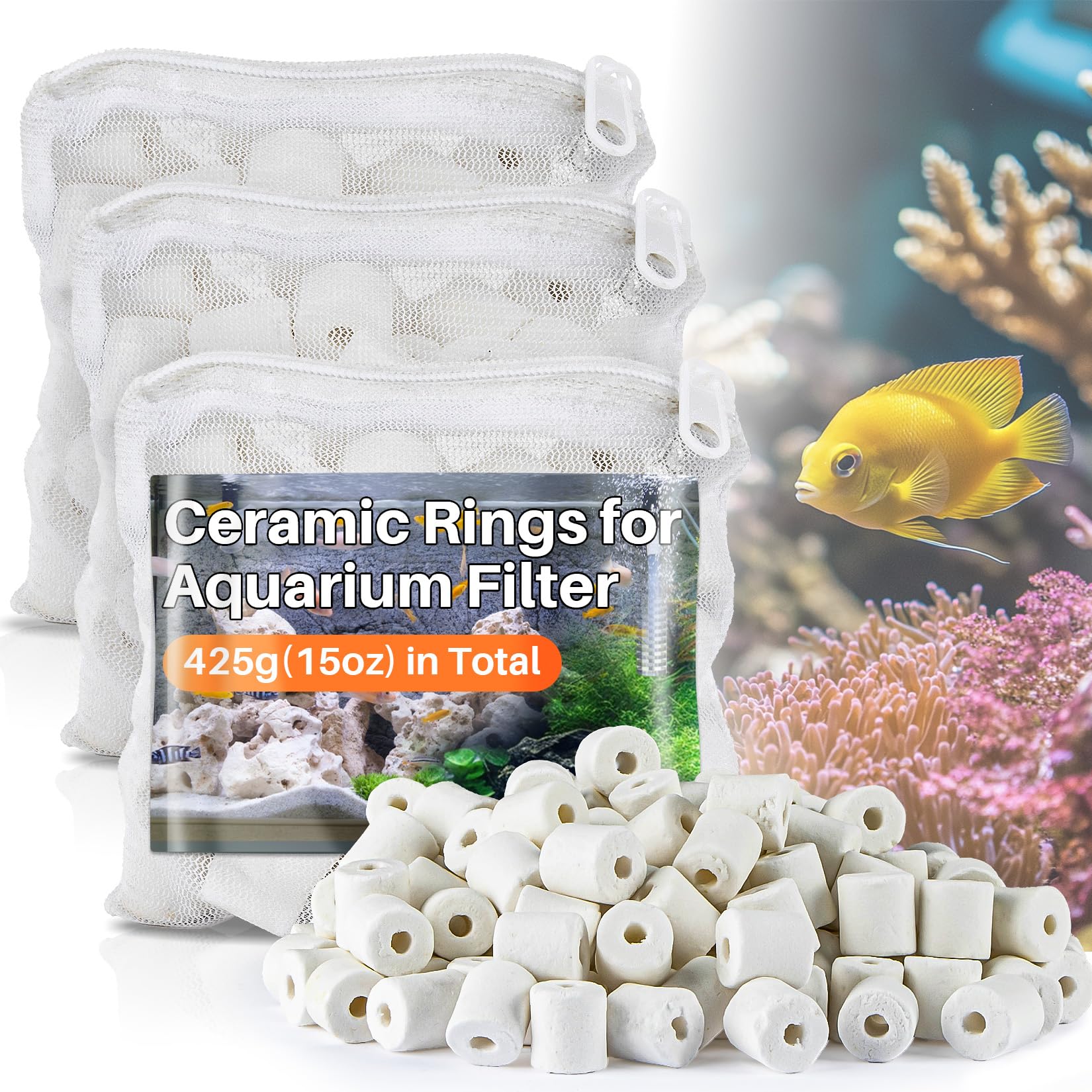
Ceramic Rings
Ceramic rings are small, hollow cylinders with many pores. These pores provide a large surface area for bacteria to live.
They are durable and easy to clean. Ceramic rings fit well in most filter systems.
Bio Balls
Bio balls are plastic spheres with open ridges. They offer a good surface for bacteria to grow.
- Lightweight and reusable
- Allow good water flow around the bacteria
- Easy to rinse and maintain
- Do not degrade in water
Live Rock And Sand
Live rock and sand come from natural reef environments. They contain beneficial bacteria and tiny organisms that help clean water.
| Type | Benefits | Care |
| Live Rock | Natural bacteria, adds minerals | Rinse gently, avoid bleach |
| Live Sand | Supports bacteria in substrate | Do not stir too much |
Chemical Media Options
Chemical media helps keep reef tanks clean and healthy. It removes toxins and unwanted chemicals.
Using the right chemical media improves water clarity and protects marine life.
Activated Carbon
Activated carbon removes impurities by trapping them inside its pores. It absorbs chemicals like tannins and odors.
This media helps clear yellow water and removes leftover medicines or toxins after treatments.
Phosphate Removers
Phosphate removers reduce phosphate levels in reef tanks. High phosphate causes algae growth and poor water quality.
These media types include granules or crystals that bind phosphate and keep it out of the water.
- Help control algae blooms
- Improve coral health
- Easy to use in filter bags or reactors
Purigen And Other Resins
Purigen is a synthetic resin that removes organic waste from water. It helps keep water clear and reduces nitrate and ammonia.
Other resins work similarly by trapping different toxins and impurities. They last longer and can be regenerated for reuse.

Credit: www.amazon.com
Maintaining Filter Media
Filter media is crucial for keeping reef tanks healthy. Proper maintenance ensures clear water and thriving marine life.
Regular care of filter media supports beneficial bacteria. It also prevents water contamination and keeps your tank balanced.
Cleaning Techniques
Clean filter media carefully to avoid harming beneficial bacteria. Use tank water for rinsing to keep bacteria alive.
Avoid using tap water as it can kill helpful bacteria. Maintain a gentle cleaning approach to ensure optimal performance.
- Rinse with tank water to preserve bacteria
- Gently squeeze sponges to remove debris
- Avoid chemical cleaners
Replacement Schedules
Replace filter media regularly to maintain efficiency. Check the manufacturer’s guide for specific timelines.
Some media types need replacing more often than others. Keep track of changes to ensure a healthy tank environment.
| Media Type | Replacement Frequency |
| Sponge | Every 2-4 weeks |
| Carbon | Every 4-6 weeks |
| Bio Balls | Rarely, only if damaged |
Avoiding Common Mistakes
Common mistakes can harm your reef tank. Avoid these to keep your marine life safe and healthy.
Do not over-clean or use tap water for rinsing. Always check compatibility of new media with your tank system.
- Avoid over-cleaning to protect beneficial bacteria
- Never use tap water for cleaning media
- Ensure new media suits your tank setup
Combining Filter Media For Best Results
Using the right filter media together can keep your reef tank clean and healthy. Each type of media has a role in removing waste and balancing water quality.
Combining media properly helps your filtration system work better. Learn how to layer and balance media for clear water and a thriving reef.
Layering Strategies
Layering filter media means placing different types in a specific order. This order helps trap particles and allows beneficial bacteria to grow.
- Start with coarse sponge or foam to catch large debris.
- Add fine filter floss or pads next to trap smaller particles.
- Place bio media last to provide surface for bacteria.
- Keep chemical media like activated carbon in a separate bag.
Balancing Filtration Types
Use mechanical, biological, and chemical filtration together. Each type removes different waste and keeps water healthy.
| Filtration Type | Purpose | Examples |
| Mechanical | Traps solid waste | Sponge, filter floss |
| Biological | Breaks down ammonia and nitrites | Bio balls, ceramic rings |
| Chemical | Removes toxins and odors | Activated carbon, phosphate remover |
Optimizing Water Clarity
Clear water shows a healthy reef tank. Use media that removes tiny particles and keeps water sparkling.
- Change mechanical media regularly to avoid clogging.
- Use chemical media to remove dissolved organics.
- Keep good water flow to help filter media work well.
Advanced Filtration Techniques
Reef tanks need clean water to keep fish and corals healthy. Advanced filtration techniques help maintain the perfect environment.
These techniques remove waste, toxins, and other harmful substances. They ensure your reef tank stays beautiful and vibrant.
Refugiums And Sumps
Refugiums and sumps are essential in reef tanks. They offer extra space for water treatment and support beneficial organisms.
A refugium is a separate area where algae and small creatures thrive. Sumps hide equipment and increase water volume for better filtration.
Protein Skimmers
Protein skimmers remove organic waste from the water. They create bubbles that trap proteins and other particles.
This process reduces toxins and keeps the water clear. Protein skimmers are a popular choice for reef tank owners.
Ultraviolet Sterilizers
Ultraviolet sterilizers use UV light to kill bacteria and algae. They help prevent diseases in your reef tank.
These devices are installed in the water flow path. They are effective in keeping the tank water clean and healthy.
Frequently Asked Questions
What Is The Best Filter Media For Reef Tanks?
The best filter media for reef tanks includes activated carbon, bio balls, and ceramic rings. These provide mechanical, chemical, and biological filtration, essential for maintaining clean water and a healthy reef environment.
How Often Should I Change Filter Media In Reef Tanks?
Filter media should be replaced every 4 to 6 weeks. Regular changes prevent clogging, maintain filtration efficiency, and keep water parameters stable for reef inhabitants.
Can Filter Media Affect Water Quality In Reef Tanks?
Yes, filter media directly impacts water quality by removing debris, toxins, and harmful chemicals. Proper media selection ensures clear water and supports beneficial bacteria growth, crucial for reef tank health.
What Types Of Filter Media Are Safe For Reef Tanks?
Safe filter media for reef tanks include activated carbon, phosphate removers, bio sponges, and ceramic media. Avoid toxic or abrasive materials to protect delicate corals and marine life.
Conclusion
Choosing the right filter media keeps your reef tank clean and healthy. Good filtration supports marine life and water clarity. Regularly check and replace media to avoid buildup. Different media types work best for various needs. Experiment to find what suits your tank best.
Clean water helps corals and fish thrive. Keep your reef tank stable and beautiful with proper filtering. Simple steps lead to a vibrant underwater world.