
Setting up a fish tank can be exciting, but it’s easy to feel overwhelmed by all the details. You want your fish to thrive, not just survive.
The key is creating a stable environment where water parameters stay balanced. When your tank’s temperature, pH, and cleanliness are just right, your fish will be healthier and happier. You’ll discover simple, practical steps to set up your fish tank with stable parameters.
By the end, you’ll have the confidence to create a perfect home for your aquatic friends—one that requires less stress and more enjoyment. Ready to make your fish tank a success? Let’s dive in.
Choosing The Right Tank
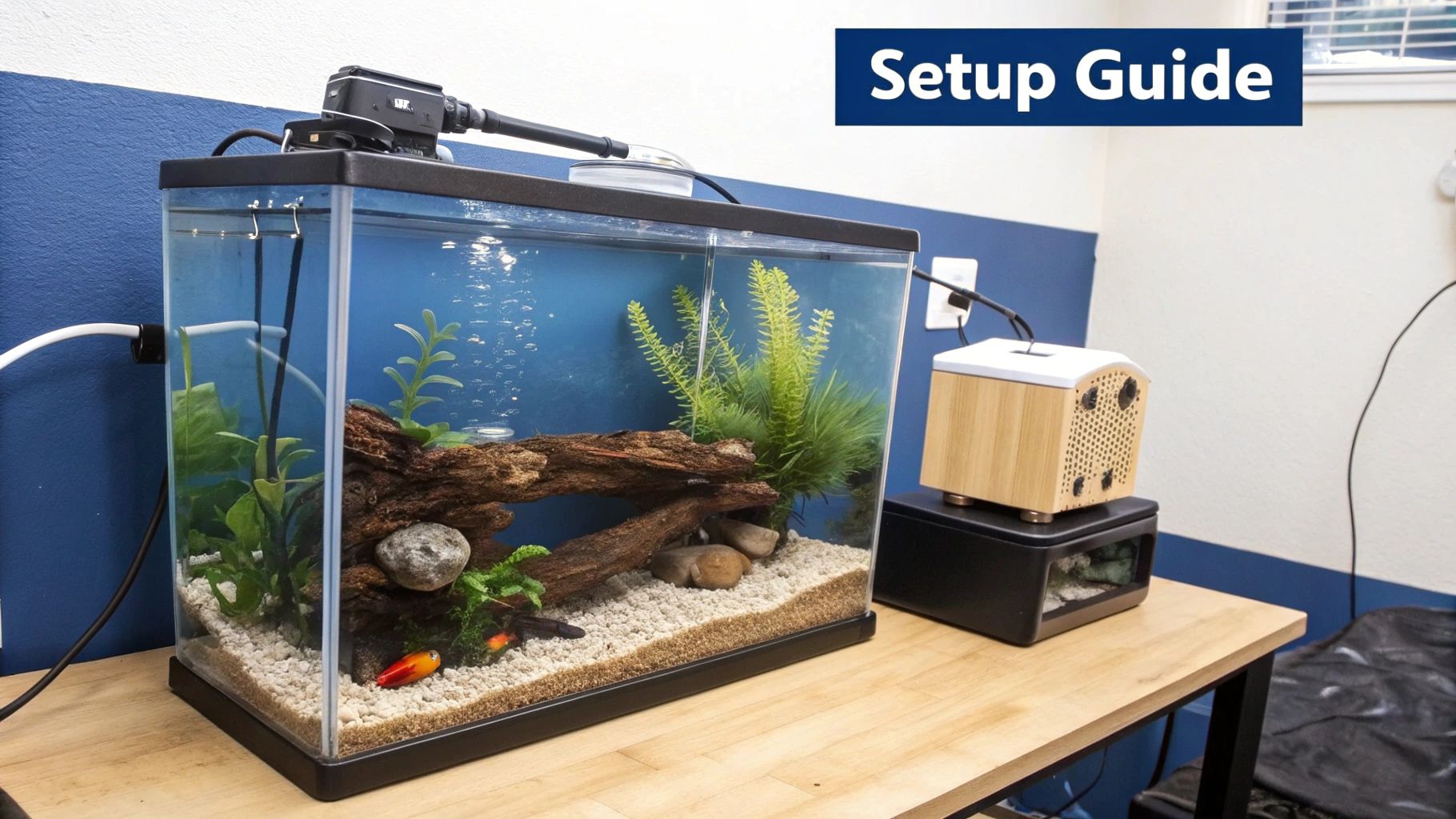
Setting up a fish tank starts with choosing the right tank. A good tank helps keep water stable and fish healthy.
Think about size, shape, and where to place your tank for the best results.
Tank Size And Shape
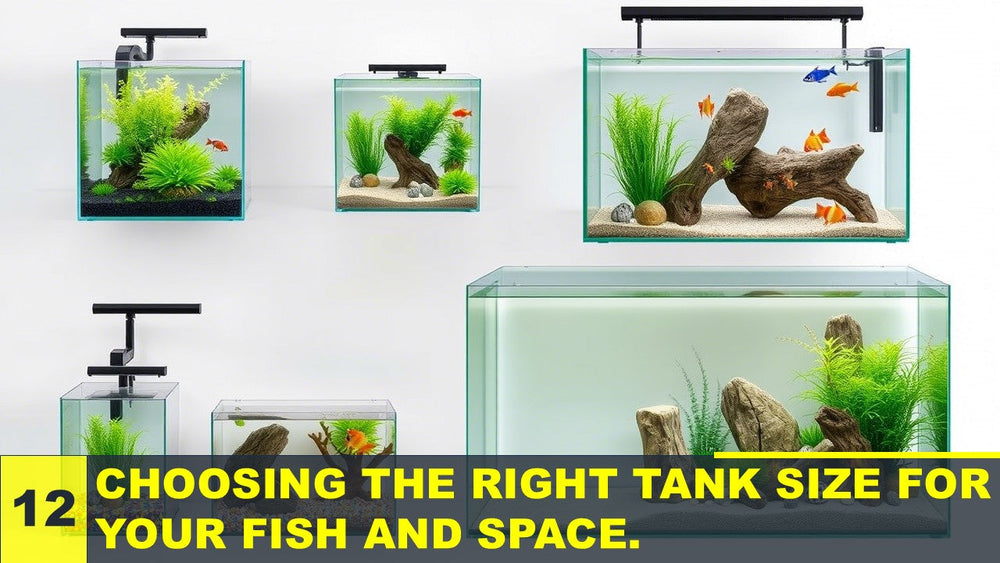
Choose a tank size that fits your space and fish needs. Bigger tanks keep water stable longer.
Shape affects water flow and fish comfort. Rectangular tanks are common and easy to clean.
- Small tanks need more care to keep water stable
- Large tanks give fish more room and steady water
- Rectangular tanks fit well on shelves or tables
- Bow front tanks offer good viewing angles
Material Options
Fish tanks come in glass or acrylic. Both have pros and cons for durability and clarity.
Glass tanks resist scratches but are heavier. Acrylic tanks are lighter and less likely to break.
- Glass tanks are clear and scratch-resistant
- Acrylic tanks are lighter and more impact-resistant
- Acrylic may yellow over time if exposed to sunlight
- Glass is easier to clean but can crack if dropped
Placement Tips
Place your tank where light and temperature are stable. Avoid direct sunlight to stop algae growth.
Keep the tank away from heaters, air conditioners, and busy areas to reduce stress on fish.
- Choose a sturdy, level surface for your tank
- Avoid windows to limit sunlight and heat changes
- Place away from drafts and vents
- Keep the area quiet to reduce fish stress
Credit: clixfueling.com
Essential Equipment
Setting up a fish tank needs the right tools to keep water healthy. Stable water conditions help fish live long and happy.
Using proper equipment controls water quality, temperature, and light. These factors are key for a good tank environment.
Filtration Systems
Filtration cleans the water by removing waste and harmful chemicals. It keeps the tank water clear and safe for fish.
There are three main types of filters: mechanical, biological, and chemical. Many filters use all three together.
- Mechanical filters trap debris and particles.
- Biological filters use good bacteria to break down waste.
- Chemical filters remove toxins and odors.
Heaters And Thermometers
Fish need a steady temperature to stay healthy. A heater helps keep water warm and stable.
Thermometers show the water temperature. Check it daily to avoid sudden changes that stress fish.
- Choose a heater that fits your tank size.
- Place the thermometer where you can see it easily.
- Set the heater to the ideal temperature for your fish species.
Lighting Choices
Good lighting helps fish show their colors and supports plants if you have any. It also sets day and night cycles.
Use lights designed for aquariums. LED lights are energy efficient and last long.
- Choose light color that matches your tank setup.
- Set a timer to keep a regular light schedule.
- Avoid strong lights that can stress fish.
Water Quality Basics
Fish need clean water to live and grow. Good water quality keeps fish healthy and happy.
Understanding water quality helps you set up a safe fish tank. You can avoid common problems this way.
Ph Levels
pH shows how acidic or basic the water is. Fish need the right pH to stay healthy.
Most fish like a pH between 6.5 and 7.5. Check pH regularly with a test kit.
- Low pH means water is acidic
- High pH means water is basic
- Sudden changes can stress or harm fish
Ammonia, Nitrite, And Nitrate
Ammonia, nitrite, and nitrate are chemicals in fish tanks. They come from fish waste and leftover food.
Ammonia and nitrite are very harmful. Nitrate is less toxic but can build up over time.
| Chemical | Safe Level | Effect on Fish |
|---|---|---|
| Ammonia | 0 ppm | Very toxic, damages gills |
| Nitrite | 0 ppm | Harmful, causes breathing problems |
| Nitrate | < 20 ppm | Less harmful, stress at high levels |
Test water often and do water changes to keep these chemicals low.
Water Hardness
Water hardness means how many minerals are in the water. It affects fish health and plant growth.
There are two types: general hardness (GH) and carbonate hardness (KH). Both are important.
- GH measures calcium and magnesium levels
- KH measures carbonate and bicarbonate levels
- KH helps keep pH stable
- Different fish need different hardness levels
Credit: bubble-magus.net
Cycling Your Tank
Setting up a fish tank requires patience and care. Cycling your tank is essential for a healthy environment. It helps establish stable parameters for fish.
The process ensures that your tank is ready for fish. It prevents harmful substances from building up. Let’s explore the steps involved in cycling.
Nitrogen Cycle Explained
The nitrogen cycle is a natural process. It converts fish waste into less harmful substances. This cycle involves bacteria that break down waste.
Ammonia from fish waste is toxic. Bacteria convert ammonia to nitrite, which is also harmful. Another type of bacteria turns nitrite into nitrate, which is less toxic.
- Ammonia is produced by fish waste
- Bacteria convert ammonia to nitrite
- Another bacteria turn nitrite into nitrate
Methods To Cycle
There are different ways to cycle your tank. The fishless cycle is a popular method. It uses ammonia to start the cycle without harming fish.
Another method is the fish-in cycle. It requires careful monitoring to keep fish safe. It involves using hardy fish that can tolerate higher waste levels.
- Fishless cycle uses pure ammonia
- Fish-in cycle uses hardy fish
- Both methods need monitoring
Monitoring Progress
Regular testing is crucial during cycling. Test kits help track ammonia, nitrite, and nitrate levels. Record your results to understand the cycle’s progress.
Water changes might be necessary if levels get too high. Always ensure the water is safe for fish before adding them to the tank. Patience is key for success.
- Use test kits for water parameters
- Record results to track progress
- Perform water changes if needed
Maintaining Stable Parameters
Keeping a fish tank healthy means keeping its water conditions steady. Stable parameters help fish stay healthy and active.
Small changes in water quality can cause big stress to your fish. Regular care is key to a good aquarium.
Regular Testing
Test your tank water often to know its condition. Check pH, ammonia, nitrites, and nitrates levels regularly. Testing helps catch problems early.
- Use reliable test kits for accuracy
- Test water at least once a week
- Record results to track changes
- Adjust care based on test results
Water Changes
Changing water keeps the tank clean and removes harmful chemicals. Replace 10-20% of water every week or two.
| Water Change Amount | Frequency |
| 10% | Weekly |
| 20% | Every two weeks |
| 30% | Monthly (if needed) |
Controlling Temperature
Keep the tank water at a steady temperature. Sudden changes can stress fish and cause illness.
Tips to control temperature:
- Use a reliable aquarium heater
- Place tank away from windows and direct sunlight
- Monitor temperature daily with a thermometer
- Adjust heater as needed for seasonal changes
Selecting Compatible Fish
Choosing the right fish is important for a healthy tank. Fish must live well together without stress.
Compatibility helps keep water stable and fish safe. Learn how to pick fish that match.
Species Compatibility
Different fish species need different water types and temperatures. Some fish are peaceful, others are aggressive.
Pick species that share similar needs. Avoid mixing fish that may fight or cause stress.
- Freshwater fish with freshwater fish
- Tropical fish with tropical fish
- Small peaceful fish with other small peaceful fish
Stocking Density
Do not add too many fish to the tank. Overcrowding harms water quality and fish health.
Follow the rule of one inch of fish per gallon of water. Adjust for fish size and activity level.
- Small active fish need more space
- Large slow fish need less space per inch
- Keep some extra room for growth and swimming
Behavior Considerations
Fish have different behaviors like schooling, hiding, or chasing. Match fish with similar habits.
Watch for territorial or aggressive fish. They may harm peaceful tank mates.
- Schooling fish need groups of 5 or more
- Territorial fish need plenty of hiding places
- Aggressive fish may need a separate tank
Feeding And Nutrition
Proper feeding and nutrition are vital for a healthy fish tank. They keep fish active and enhance their colors.
Setting stable feeding habits helps maintain clean water and balanced tank conditions.
Types Of Food
Fish need varied foods to get all nutrients. You can choose from flakes, pellets, frozen, and live food.
- Flakes are easy to digest and good for small fish.
- Pellets sink slowly and suit bottom feeders.
- Frozen food includes bloodworms and brine shrimp.
- Live food helps stimulate natural hunting behavior.
Feeding Frequency
Feed fish in small amounts two to three times daily. Young fish may need more frequent feeding.
| Fish Age | Feeding Times per Day | Portion Size |
| Fry (young) | 3-4 | Small, frequent meals |
| Adult | 2-3 | Moderate portions |
| Senior | 1-2 | Smaller portions |
Avoiding Overfeeding
Overfeeding causes water pollution and fish illness. Only give food fish can eat in five minutes.
Tips to avoid overfeeding:
- Feed small amounts at each session.
- Remove uneaten food quickly.
- Use a feeding ring to contain food.
- Observe fish behavior to adjust portions.

Credit: www.aqqapet.com
Tank Maintenance Routine
Keeping a fish tank requires regular care. A stable environment ensures healthy fish. Follow a routine to maintain your tank properly.
This guide will help you with cleaning, equipment checks, and algae control. Each part is important for a balanced tank.
Cleaning Schedule
Cleaning your tank is crucial. It keeps the water clear and the fish healthy. Regular cleaning prevents dirt buildup.
- Change 10-15% of the water weekly
- Remove debris from the substrate
- Clean the tank walls monthly
Equipment Checks
Equipment needs regular checks. This ensures everything works well. A well-functioning tank keeps fish safe.
- Check filters weekly for clogs
- Inspect heater and thermometer
- Ensure lights are functioning
Algae Management
Algae can quickly spread in tanks. Managing algae keeps the tank clean. It also helps the fish live better.
- Scrape algae off glass weekly
- Limit light exposure to 8-10 hours daily
- Introduce algae-eating fish or snails
Troubleshooting Common Issues
Setting up a fish tank with stable parameters can be tricky. Problems may arise that affect water quality and fish health.
This guide helps you identify and fix common problems. Follow simple tips to keep your tank clear and your fish happy.
Cloudy Water
Cloudy water is a common issue in new and established tanks. It may signal bacterial blooms or poor filtration.
- Check your filter and clean or replace it if needed.
- Do partial water changes regularly to reduce waste.
- Avoid overfeeding to prevent excess food from rotting.
- Test water for ammonia, nitrite, and nitrate levels.
- Let the tank cycle fully before adding many fish.
Fish Stress Signs
Stress can harm fish and cause illness. Watch for signs like unusual swimming, hiding, or loss of appetite.
| Stress Sign | Possible Cause |
| Gasping at Surface | Low oxygen or poor water quality |
| Clamped Fins | Stress or illness |
| Erratic Swimming | Water parameter changes |
| Loss of Appetite | Stress or disease |
| Color Fading | Poor water or stress |
Disease Prevention
Keeping fish healthy needs good care and clean water. Follow these steps to lower disease risks.
- Quarantine new fish before adding them to the tank.
- Maintain stable water temperature and parameters.
- Feed a balanced diet and avoid overfeeding.
- Remove uneaten food and debris daily.
- Perform regular water changes and tank cleaning.
- Observe fish daily for any signs of illness.
Frequently Asked Questions
How Do I Maintain Stable Water Parameters In A Fish Tank?
Regularly test water parameters like pH, ammonia, nitrite, and nitrate. Perform partial water changes weekly to keep levels balanced. Use a reliable filtration system and avoid overfeeding to reduce waste buildup.
What Are The Ideal Temperature Ranges For Fish Tanks?
Most tropical fish thrive between 75°F and 80°F (24°C-27°C). Coldwater fish prefer 65°F to 72°F (18°C-22°C). Use an aquarium heater or cooler to maintain stable temperature suitable for your fish species.
How Often Should I Test My Fish Tank Water?
Test water parameters at least once a week for stability. Increase frequency during new setups or after adding fish. Regular testing helps detect problems early, ensuring a healthy environment for your fish.
Why Is Cycling A Fish Tank Important For Stability?
Cycling establishes beneficial bacteria that break down harmful ammonia and nitrites. This process stabilizes water chemistry and creates a safe habitat for fish. Without cycling, toxic compounds can harm or kill aquatic life.
Conclusion
Setting up a fish tank with stable parameters keeps fish healthy and happy. Regular checks help catch problems early and avoid stress. Clean water and proper temperature create a safe home for fish. Simple steps make a big difference in tank life.
Keep learning and adjusting to maintain balance in your aquarium. Enjoy the beauty and calm of a well-kept fish tank every day.