
Setting up a fish tank for observing nano species can be an exciting and rewarding experience. If you want to get up close with these tiny, fascinating creatures, your tank needs to be just right.
This isn’t about just filling a tank with water and fish—it’s about creating a perfect little world where nano species thrive and reveal their hidden behaviors. You’ll learn how to choose the right tank, the best equipment, and simple tricks to keep everything balanced.
By the end, you’ll have all the tools to enjoy watching these miniature wonders every day. Ready to dive in and discover how to make your fish tank a nano species haven? Let’s get started.
Choosing The Right Tank
Setting up a fish tank for nano species needs careful tank selection. The right tank helps you watch these tiny fish easily.
Choosing the right tank size and material makes a big difference. Think about where you place the tank too.
Size And Dimensions
Small fish need a small tank but not too small. A tank between 5 to 10 gallons is best for nano species.
Choose a tank shape that fits your space. Longer tanks give more swimming room than tall tanks.
- 5 to 10 gallons tank size
- Long tanks provide better swimming space
- Avoid very tall tanks for small fish
Material Options
Most tanks are made from glass or acrylic. Glass is clear and scratch-resistant. Acrylic is lighter and stronger.
Glass tanks cost less but are heavier. Acrylic tanks cost more but are easier to move and less likely to break.
- Glass: clear, scratch-resistant, heavier
- Acrylic: lightweight, strong, more expensive
Placement Considerations
Place your tank where it gets steady light but no direct sunlight. Direct sunlight causes algae and temperature changes.
Put the tank on a strong, level surface. Avoid spots near doors or vents to keep water stable.
- Steady light, no direct sunlight
- Strong, level surface
- Away from doors and vents
Selecting Nano Fish Species
Setting up a nano fish tank requires picking the right fish species. These small fish need specific care and space.
Choosing the best nano fish helps create a healthy and lively aquarium. Learn about popular species, their behavior, and colors.
Popular Nano Fish Types
Many nano fish species fit well in small tanks. Each type has unique features and care needs.
- Betta Splendens: Bright colors, easy to care for, but aggressive males.
- Neon Tetras: Small, peaceful, and striking blue and red stripes.
- Celestial Pearl Danio: Tiny with sparkling pearl-like spots.
- Endler’s Livebearer: Hardy and active with vibrant patterns.
- Chili Rasbora: Very small, red-colored, and peaceful.
Compatibility And Behavior
Fish behavior affects tank harmony. Choose species that get along well in small spaces.
| Fish Species | Temperament | Group Size |
| Betta Splendens | Aggressive to males | 1 male per tank |
| Neon Tetras | Peaceful | 6 or more |
| Celestial Pearl Danio | Peaceful | 6 or more |
| Endler’s Livebearer | Peaceful | 4 or more |
| Chili Rasbora | Very peaceful | 6 or more |
Color And Activity Levels
Colors brighten your tank. Activity levels show how lively fish are during the day.
- Betta Splendens: Vibrant colors, moderate activity, often near the surface.
- Neon Tetras: Bright blue and red, swim actively in groups.
- Celestial Pearl Danio: Sparkly spots with calm but curious movement.
- Endler’s Livebearer: Colorful with fast, playful swimming.
- Chili Rasbora: Red hues, shy but steady swimmers.
Essential Equipment
Setting up a fish tank for nano species needs careful planning. Choosing the right equipment helps keep small fish safe and healthy.
Good equipment also makes watching these tiny creatures easier and more enjoyable.
Filtration Systems
Filtration keeps water clean by removing waste and harmful chemicals. Nano tanks need filters that are gentle and effective.
- Sponge filters are soft and safe for small fish.
- Hang-on-back filters are easy to install and maintain.
- Internal filters save space and work quietly.
Lighting Solutions
Proper lighting helps fish show their colors and supports plant growth. Nano species need light that is bright but not harsh.
| Light Type | Benefits | Best Use |
| LED | Energy efficient, long-lasting | General tank lighting |
| Fluorescent | Good color spectrum | Planted nano tanks |
| Natural Light | Free and natural | Near windows with shade |
Heating And Temperature Control
Small fish need stable water temperature to stay healthy. A heater and thermometer keep the tank at the right heat.
- Choose a heater with adjustable temperature.
- Use a reliable thermometer to check water heat daily.
- Keep the heater size small for nano tanks.

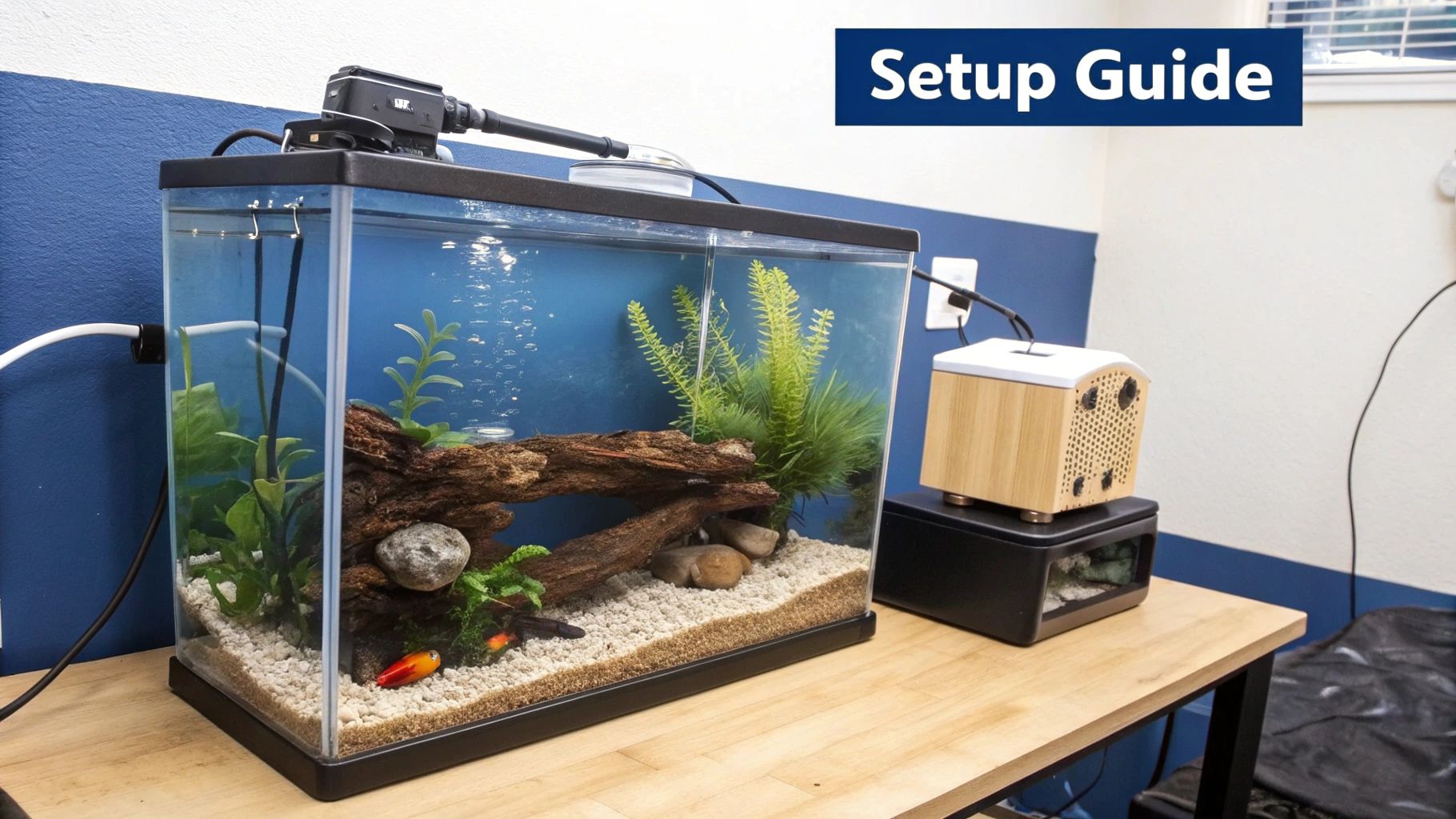
Credit: jungleaquatics.com
Creating The Ideal Habitat
Setting up a fish tank for nano species needs careful planning. A good habitat helps your tiny fish stay healthy and active.
Small fish need specific conditions to thrive. This includes the right substrate, plants, and hiding spots.
Substrate Choices
Choosing the right substrate is important for nano fish tanks. It affects water quality and plant growth.
Fine sand or small-grain gravel works best. These options are gentle on tiny fish and their delicate fins.
- Fine sand helps plants root easily
- Small gravel allows water flow and prevents waste buildup
- Avoid sharp or large rocks that can harm fish
Aquatic Plants Selection
Plants give shelter and oxygen to fish. Choose small or slow-growing plants for nano tanks.
Easy-to-care plants reduce tank maintenance and keep fish safe. They also create a natural look.
- Java moss grows well in small spaces
- Anubias has tough leaves that fish won’t eat
- Cryptocoryne adds color and hides fish from view
Decor And Hiding Spots
Decor helps fish feel safe and reduces stress. Tiny fish need places to hide and explore.
Use small caves, smooth stones, or driftwood. Make sure decorations have no sharp edges.
- Small clay pots make good hiding spots
- Driftwood adds natural cover and helps water conditions
- Live plants also serve as safe shelters
Water Quality Management
Maintaining good water quality is key for a healthy nano fish tank. Clean water helps small fish and plants thrive. It prevents diseases and keeps the tank environment stable.
Understanding water quality means knowing how to set up, test, and care for your tank regularly. This guide covers cycling the tank, testing water parameters, and daily maintenance tips.
Cycling The Tank
Cycling builds good bacteria that break down harmful waste. These bacteria turn ammonia into nitrite, then nitrate, which is safer for fish. This process usually takes 4 to 6 weeks.
Start by adding a small source of ammonia, such as fish food or pure ammonia. Test the water weekly to watch ammonia and nitrite levels drop. Only add fish after the cycle finishes.
Testing Water Parameters
Regular testing keeps water safe for nano species. Key parameters to test include ammonia, nitrite, nitrate, pH, and temperature. Use test kits made for aquariums.
| Parameter | Safe Range | Notes |
| Ammonia (NH3) | 0 ppm | Toxic even in small amounts |
| Nitrite (NO2) | 0 ppm | Harmful to fish |
| Nitrate (NO3) | < 20 ppm | Lower is better |
| pH | 6.5 – 7.5 | Depends on species |
| Temperature | 22°C – 26°C (72°F – 79°F) | Consistent is best |
Regular Maintenance Tips
Daily care keeps water clean and fish healthy. Change part of the water and check filters often. Remove leftover food and debris to stop pollution.
- Change 10-20% of water weekly
- Clean filter media monthly without soap
- Remove dead plants and waste daily
- Feed fish small amounts twice a day
- Keep tank away from direct sunlight
Credit: clixfueling.com
Feeding And Nutrition
Proper feeding is vital for the health of nano fish species. Understanding their nutritional needs helps maintain a balanced environment.
Learning about feeding habits ensures that your nano fish thrive in their tank. Let’s explore the key aspects of their diet.
Diet For Nano Species
Nano fish have specific dietary needs. They thrive on a varied diet that includes both plant and protein sources.
- Micro-pellets are suitable for most nano species
- Live or frozen foods like brine shrimp can enhance nutrition
- Algae wafers provide necessary plant matter
Feeding Frequency
Feeding nano fish the right amount at the right time is crucial. Overfeeding can lead to water quality problems.
Most nano fish do well with small meals. Feed them twice a day for optimal health.
Avoiding Overfeeding
Overfeeding can harm your nano fish and tank environment. It is important to give them only what they can eat in a few minutes.
- Use a timer to control feeding times
- Remove uneaten food promptly
- Monitor fish behavior to adjust portions
Observation Techniques
Setting up a fish tank for nano species offers an exciting chance to observe these tiny creatures. Using the right techniques can enhance your viewing experience.
In this guide, we will explore the best ways to watch and learn from your fish. From angles to tools, discover how to make the most of your observations.
Best Viewing Angles
Positioning your tank at eye level can provide a clear view. This helps you see the fish without straining your neck.
- Place the tank on a sturdy stand.
- Avoid direct sunlight to reduce glare.
- Ensure the background is not too busy.
Using Magnification Tools
Magnifying tools can reveal details that are hard to see with the naked eye. They help in observing the intricate patterns and behaviors of nano species.
Consider using a magnifying glass or a digital microscope for enhanced views.
Recording And Monitoring Behavior
Documenting your observations helps track the health and habits of your fish. It also allows you to spot changes over time.
| Behavior | Normal Frequency |
| Swimming | Frequent |
| Feeding | Twice a day |
| Resting | Several times a day |
Common Challenges
Setting up a fish tank for nano species offers a rewarding chance to observe tiny aquatic life. But it comes with unique challenges. Keeping the environment healthy needs careful attention.
This guide focuses on common problems such as algae growth, diseases, and stress in nano fish. Understanding these issues helps maintain a thriving tank.
Preventing Algae Growth
Algae can quickly take over a nano tank, affecting water quality and fish health. Proper control keeps the tank clear and safe.
- Limit direct sunlight to reduce algae spores.
- Do not overfeed; leftover food feeds algae.
- Perform regular water changes to remove excess nutrients.
- Use live plants that compete with algae for nutrients.
- Clean tank walls gently with an algae scraper weekly.
Dealing With Diseases
Nano fish are sensitive to diseases that can spread quickly in small tanks. Early detection and treatment are crucial.
| Disease | Symptoms | Action |
| Ich (White Spot) | Small white dots on body and fins | Raise water temperature and add medication |
| Fin Rot | Frayed or discolored fins | Improve water quality and apply antibacterial treatment |
| Swim Bladder | Fish floats unevenly or sinks | Feed peas and avoid overfeeding |
Managing Stress In Nano Fish
Stress weakens fish and makes them prone to illness. Keeping a calm tank helps nano species stay healthy.
- Keep water temperature stable to avoid shock.
- Provide hiding spots with plants or decorations.
- Do not overcrowd the tank; give each fish enough space.
- Use gentle filtration to keep water clean without strong currents.
- Limit sudden loud noises or vibrations near the tank.
Credit: clixfueling.com
Frequently Asked Questions
What Is The Ideal Tank Size For Nano Fish Species?
A 5 to 10-gallon tank is perfect for nano species. It offers enough space without overwhelming the small fish. Smaller tanks are harder to maintain stable water conditions, so avoid tanks under 5 gallons for nano setups.
How To Maintain Water Quality In A Nano Fish Tank?
Regular water changes and proper filtration are key. Use a gentle filter to avoid stressing small fish. Test water parameters weekly to keep ammonia, nitrite, and nitrate levels safe for nano species.
Which Plants Are Best For Nano Fish Tanks?
Small, slow-growing plants like Java moss, Anubias, and dwarf hairgrass work well. They provide hiding spots and improve water quality. Avoid large or fast-growing plants that may overcrowd the limited tank space.
Can I Keep Multiple Nano Species Together?
Yes, but choose peaceful species with similar water needs. Avoid aggressive or territorial fish. Research compatibility to prevent stress and ensure a balanced, harmonious nano fish community.
Conclusion
Setting up a fish tank for nano species offers a unique way to enjoy aquatic life. Small tanks need careful planning and regular care. Choosing the right plants, substrate, and lighting helps fish thrive. Watching tiny fish swim can bring calm and joy every day.
Keep water clean and stable to protect your fish’s health. Simple steps lead to a beautiful, lively tank you will love. Start small, stay patient, and enjoy the peaceful world of nano fish.