
Choosing the right filter for your marine tank can feel overwhelming. You want clear water, healthy fish, and a system that works without constant hassle.
But with so many options out there, how do you know what fits your tank’s needs best? This guide is made for you. It breaks down everything you need to pick the perfect filter, saving you time and stress. Keep reading, and you’ll discover simple tips that make a big difference in keeping your marine tank clean and vibrant.
Your underwater world deserves the best—let’s find it together.

Credit: www.completekoi.com
Types Of Marine Tank Filters
Marine tanks need clean water for fish and plants to stay healthy. Filters help remove dirt and harmful substances.
Different filters work in different ways. Each type plays a key role in keeping the tank water clear and safe.
Mechanical Filters
Mechanical filters remove solid waste from the water. They trap particles like uneaten food, fish waste, and debris.
These filters prevent waste from breaking down and harming water quality. They keep the tank clean and clear.
- Sponges and filter pads capture large particles
- Filter socks catch fine debris
- Filter floss traps very small particles
Biological Filters
Biological filters use beneficial bacteria to clean the water. These bacteria break down harmful ammonia and nitrites.
They convert toxic substances into safer nitrates. This process is called the nitrogen cycle and is vital for tank health.
- Live rock and sand provide surfaces for bacteria
- Bio balls and ceramic rings hold bacteria colonies
- Good water flow helps bacteria work well
Chemical Filters
Chemical filters remove dissolved impurities from water. They use special media to absorb toxins and odors.
These filters improve water clarity and quality by removing chemicals that mechanical and biological filters miss.
- Activated carbon removes odors and discoloration
- Phosphate removers control algae growth
- Resins remove heavy metals and toxins
Protein Skimmers
Protein skimmers remove organic waste before it breaks down. They create bubbles that attract waste particles.
The waste collects in a cup for easy removal. Skimmers help keep water clean and reduce toxins.
- Works well in saltwater tanks
- Reduces ammonia and nitrate buildup
- Improves oxygen levels in the water
Factors To Consider Before Choosing
Choosing the right filter for marine tanks is important for a healthy environment. Filters help keep the water clean and safe for your fish and corals.
Before buying a filter, you need to think about several key factors. These factors affect how well the filter will work for your tank.
Tank Size And Bioload
The size of your tank and the number of fish or other creatures inside decide the filter’s capacity. Bigger tanks or tanks with many inhabitants need stronger filters.
Bioload means the amount of waste produced by the tank’s inhabitants. High bioloads require filters that can handle more waste and keep the water clean.
Water Flow Rate
Water flow rate is how fast water passes through the filter. It must match your tank’s needs to clean efficiently without stressing the fish.
- Low flow rates suit delicate fish and corals
- High flow rates work well for tanks with strong swimmers
- Adjustable flow filters give more control
Maintenance Requirements
Filters need regular cleaning to work well. Some filters require more time and effort to maintain than others.
| Filter Type | Maintenance Frequency | Effort Level |
| Sponge Filter | Weekly | Low |
| Canister Filter | Monthly | Medium |
| Wet/Dry Filter | Monthly | High |
Compatibility With Tank Inhabitants
Some filters create strong currents or noise. Choose a filter that fits the behavior and needs of your fish and corals.
- Fish that like calm water need low flow filters
- Corals may need filters that keep water clean without disturbing flow
- Aggressive fish may need filters that cover intake to prevent harm
Top Filter Brands For Marine Tanks
Choosing the right filter is key for healthy marine tanks. Filters keep water clean and safe for fish and corals.
This guide covers top filter brands for marine tanks. Learn about high-performance and budget-friendly options.
Popular High-performance Filters
High-performance filters offer excellent water quality and reliability. They suit large or heavily stocked marine tanks.
- Fluval FX6: Powerful canister filter with advanced multi-stage filtration.
- Hydor Professional External Filter: Quiet and efficient with easy maintenance.
- MarineLand Penguin BIO-Wheel: Combines mechanical and biological filtration.
- Eheim Classic External Canister: Durable and trusted by many aquarists.
Budget-friendly Options
Budget-friendly filters provide good performance without high costs. Ideal for small to medium tanks or beginners.
| Brand | Filter Type | Price Range |
| Marineland | Canister | Low |
| Aqueon | Hang-On-Back | Low |
| API | Internal Power Filter | Low |
| Zoo Med | Undergravel | Low |
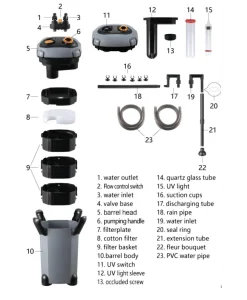
Credit: www.vevor.com
Installation Tips For Optimal Performance
Choosing the right filter for your marine tank is important. Proper installation helps your filter work well and keep water clean.
This guide gives simple tips to install your filter for the best results. Follow these steps to avoid common problems.
Placement Strategies
Place the filter where water flow is strong. This helps the filter clean the water faster and better.
Keep the filter near the tank’s bottom or side. Avoid placing it where debris easily blocks the intake.
- Place near water flow or current
- Keep away from tank decorations that block flow
- Set the filter where fish cannot damage it
- Allow space for easy cleaning and maintenance
Avoiding Common Mistakes
Do not install the filter too high above the water. This can reduce its suction and cleaning power.
Do not block the filter intake with gravel or plants. This stops water from reaching the filter.
- Do not place filter intake above water level
- Avoid blocking intake with tank decorations
- Do not overcrowd the filter with large debris
- Clean filter regularly to keep it working well
Maintenance And Troubleshooting
Marine tanks need clean filters to keep water healthy. Regular care stops problems early. This guide helps you keep filters working well and fix issues fast.
Follow clear steps for cleaning, spotting trouble, and quick repairs. This saves time and keeps your marine life safe.
Cleaning Schedules
Cleaning filters often keeps them effective. The schedule depends on tank size and fish count. Dirty filters can harm water quality.
- Check filters weekly for debris and buildup.
- Rinse filter media in tank water every two weeks.
- Replace filter cartridges monthly or as needed.
- Clean filter housing and parts during each media change.
- Keep a log of cleaning dates to track maintenance.
Signs Of Filter Failure
Watch for signs that a filter is not working right. Early detection helps you act before damage occurs.
| Sign | Cause | Effect |
| Cloudy water | Clogged filter media | Low water clarity |
| Strong odors | Dirty or old filter | Bad smell in tank |
| Unusual fish behavior | Poor water quality | Fish stress or illness |
| Low water flow | Blocked pump or filter | Reduced filtration |
Quick Fixes
Some filter issues need fast action to protect your tank. Use these fixes to restore filter function quickly.
- Turn off the filter and unplug it before cleaning.
- Remove debris from filter media using tank water only.
- Clear blockages in the pump or tubing.
- Replace worn or damaged parts as soon as possible.
- Restart filter and check water flow and noise levels.
- Test water quality after fixing the filter.
Enhancing Filtration With Add-ons
To keep marine tanks clean and healthy, filters are essential. Some add-ons can boost filtration and improve water quality.
Activated carbon, phosphate removers, and UV sterilizers are popular options. Each has unique benefits for your aquarium.
Activated Carbon
Activated carbon helps remove impurities from tank water. It absorbs toxins, chemicals, and odors, making the water clearer.
| Benefits | Drawbacks |
| Removes toxins | Needs regular replacement |
| Improves clarity | Can deplete trace elements |
Phosphate Removers
Phosphate removers help prevent algae growth. They reduce phosphate levels, which is crucial for maintaining a balanced ecosystem.
- Reduces algae blooms
- Maintains water balance
- Works well with other filters
Uv Sterilizers
UV sterilizers kill harmful microorganisms in the water. They use ultraviolet light to disinfect, keeping fish healthy.

Credit: www.nt-labs.com
Frequently Asked Questions
What Types Of Filters Are Best For Marine Tanks?
Mechanical, biological, and chemical filters suit marine tanks. Mechanical filters remove debris. Biological filters support beneficial bacteria. Chemical filters eliminate toxins. Combining all three ensures optimal water quality and a healthy marine environment.
How To Choose The Right Filter Size For Marine Tanks?
Select a filter that processes water 4-6 times the tank volume per hour. Larger tanks need more powerful filters. Oversized filters improve circulation but avoid excessive flow that stresses marine life.
Can A Hang-on-back Filter Work For Marine Tanks?
Yes, hang-on-back filters are effective for small to medium marine tanks. They provide mechanical and biological filtration. However, larger tanks may require canister or sump filters for better capacity and water quality.
How Often Should Marine Tank Filters Be Cleaned?
Clean filters every 2-4 weeks to maintain efficiency. Avoid over-cleaning biological media to preserve beneficial bacteria. Regular maintenance prevents clogging and keeps water clear and healthy.
Conclusion
Choosing the right filter helps keep marine tanks clean and healthy. Good filtration supports fish and coral well-being. Consider tank size, water flow, and filter type carefully. Regular maintenance keeps filters working at their best. Clean water means happier, thriving marine life.
Take your time to select the best filter for your needs. Clear water and strong filtration make tank care easier. Enjoy watching your marine tank flourish with proper filtration.