
Are you struggling to find the perfect support for your photography tanks? An aquarium stand isn’t just a piece of furniture—it’s the foundation that can make or break your shooting experience.
Imagine having a sturdy, reliable stand that keeps your tank steady, at the right height, and ready for your creative shots every time. You’ll discover how to choose the best aquarium stand designed specifically for photography tanks, so you can focus on capturing stunning images without any hassle.
Keep reading, and transform your setup into a professional-grade studio.
Choosing The Right Stand Material
Choosing the right stand material is important for your photography aquarium tank. The stand must hold the tank safely and look good in your space.
Different materials offer different benefits. This guide helps you understand wood and metal stands and their features.
Wood Vs Metal Stands
Wood stands have a classic look. They fit well with many room styles. Wood can be painted or stained to match your decor.
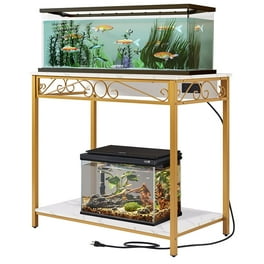
Metal stands look modern and sleek. They often take up less space and have a strong frame. Metal stands can be lighter than wood.
- Wood offers warmth and style
- Metal gives a modern and industrial look
- Wood can be heavy and bulky
- Metal is often lighter and slimmer
Durability And Weight Capacity
Durability is key for aquarium stands. The stand must hold the tank’s full weight safely. Wood stands are strong but can weaken over time if not cared for.
Metal stands usually have higher weight capacity. They resist bending and warping. Metal is less affected by humidity or pests.
- Wood stands need proper maintenance
- Metal stands resist damage better
- Check weight limits before buying
- Heavy tanks need very strong stands
Water Resistance Features
Water resistance is very important. Aquarium stands can get wet from spills or leaks. Wood can absorb water and get damaged or moldy.
Metal stands usually have coatings to resist rust and water damage. Some woods are treated or sealed to improve water resistance.
- Choose sealed or treated wood for water resistance
- Metal stands with powder coating resist rust
- Keep stands dry to last longer
- Use mats or trays to catch spills
Credit: www.walmart.com
Designs That Enhance Stability
A strong aquarium stand keeps your photography tanks safe and steady. Stability is key to avoid accidents and protect your equipment.
Different designs improve how well the stand holds weight and stays balanced on any floor surface.
Frame Construction Types
Frames made from solid wood or metal offer great strength. Wood frames often use hardwood for durability. Metal frames are usually steel or aluminum.
- Wood frames provide natural shock absorption.
- Metal frames resist bending and warping.
- Composite frames mix materials for extra support.
- Welded joints add extra firmness in metal frames.
- Reinforced corners keep the frame square and stable.
Leg Support And Bracing
Legs hold the entire weight of the aquarium and its contents. Good leg support spreads the load evenly to avoid pressure points.
| Support Type | Description | Benefit |
| Cross Bracing | Diagonal braces between legs | Prevents wobbling and twisting |
| Corner Braces | Reinforced angles at corners | Increases joint strength |
| Central Support | Extra leg or beam in middle | Supports heavy tanks evenly |
Leveling Mechanisms
Level stands keep tanks perfectly horizontal. Uneven stands risk leaks and stress on tank glass.
- Adjustable feet allow height changes on uneven floors.
- Shims can be placed under legs for small corrections.
- Built-in bubble levels help check evenness.
- Locking mechanisms keep adjustments in place.
Style Options For Photography Tanks
Photography tanks need stands that fit their style and function. Choosing the right stand can improve photos.
There are many style choices for aquarium stands. Each style offers different looks and benefits.
Minimalist Designs
Minimalist stands have clean lines and simple shapes. They do not distract from the tank or photos.
These stands often use neutral colors like black, white, or gray. They fit well in many spaces.
- Simple metal frames
- Wood with smooth finishes
- Open designs without extra shelves
Decorative Finishes
Decorative finishes add personality to aquarium stands. They can match your room’s style or theme.
Common finishes include wood grain, painted colors, and textured surfaces. These make stands stand out.
- Natural wood stains
- Glossy or matte paint
- Metal with rust or patina effects
Customizable Elements
Customizable stands let you change parts to fit your needs. You can adjust height, shelves, or colors.
This flexibility helps create the perfect setup for your photography tank and workspace.
- Adjustable legs for height
- Removable or added shelves
- Paint or finish options
Size And Fit Considerations
Choosing the right aquarium stand is important for your photography tanks. The stand must fit the tank perfectly and support its weight safely.
Proper size and fit help keep the tank stable and make it easier to work with your equipment.
Matching Stand Dimensions To Tank
The stand should match the length and width of the tank closely. A stand that is too small can be dangerous and cause the tank to tip.
- Measure the tank’s base length and width.
- Choose a stand with matching or slightly larger dimensions.
- Make sure the stand surface is flat and sturdy.
- Avoid stands with gaps or uneven surfaces.
Allowing Space For Equipment
You need extra space on or around the stand for lighting, filters, and cameras. This space helps keep equipment organized and safe.
| Equipment | Recommended Space (inches) |
| Lighting | 6-12 |
| Filters | 4-8 |
| Cameras | 8-10 |
| Power Strips | 3-6 |
Accessibility For Maintenance
Easy access to your tank makes cleaning and maintenance faster and safer. The stand should allow you to reach all sides without moving the tank.
- Leave at least 12 inches of free space on the sides.
- Make sure the stand height matches your working comfort.
- Choose stands with open backs or removable panels.
- Check that the stand does not block valves or cords.
Enhancing Functionality
A well-designed aquarium stand makes photography tanks easier to use. It supports the tank and adds useful features. These features help keep the setup neat and flexible.
This guide covers three key areas to improve your stand’s functionality: storage solutions, cable management, and mobility features.
Storage Solutions
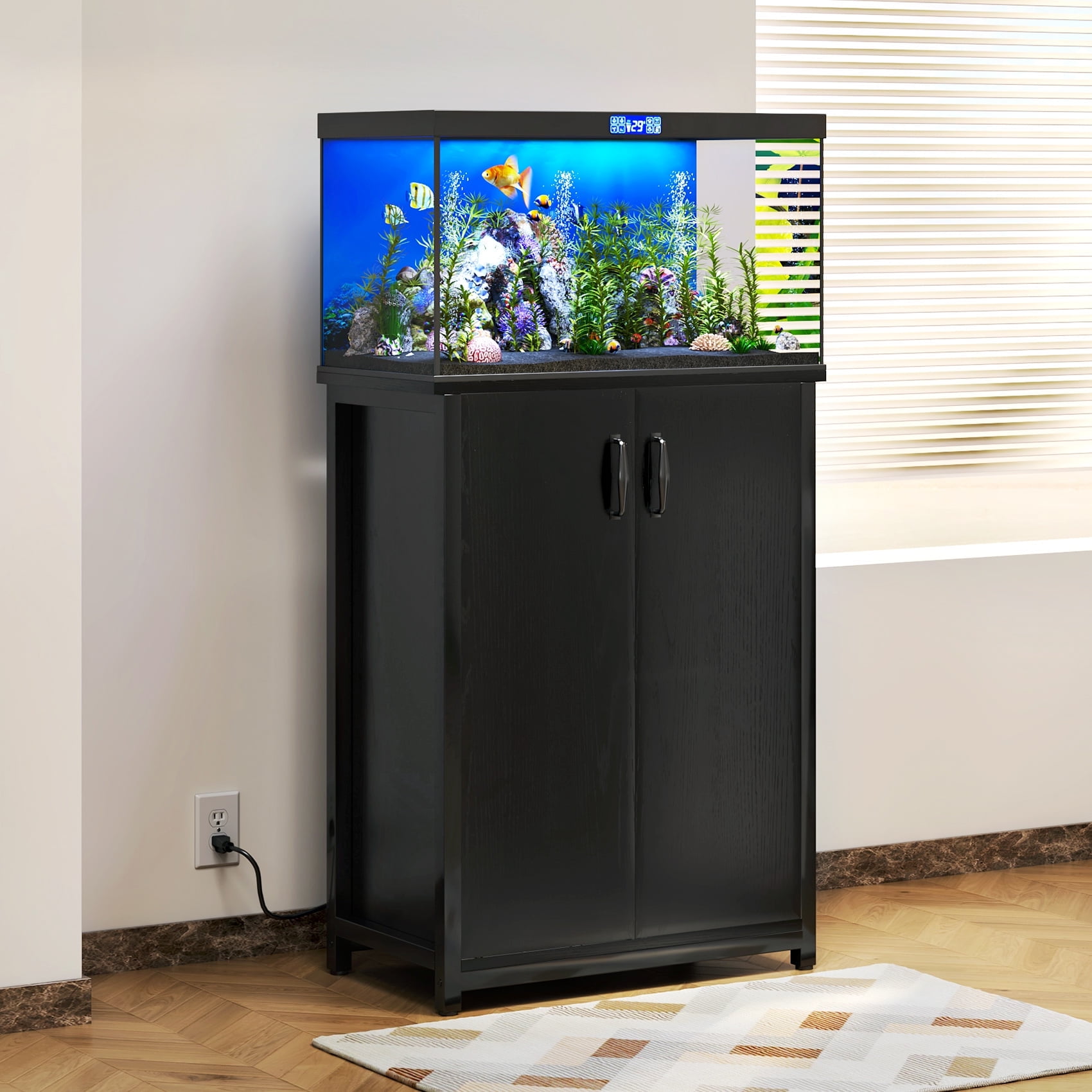
Storage space under the tank helps keep tools and supplies organized. Shelves, drawers, or cabinets store items like nets, food, and cleaning gear. This keeps everything within reach and reduces clutter around the tank.
- Adjustable shelves for different sized containers
- Pull-out drawers for small items
- Closed cabinets to hide supplies
- Open shelving for quick access
Cable Management
Many photography tanks need lights, filters, and heaters that require power cords. Good cable management keeps cords neat and safe. It prevents tangling and reduces the risk of accidents or damage.
| Method | Benefit |
|---|---|
| Built-in cable clips | Hold cords in place along the stand |
| Hidden cable channels | Conceal wires for cleaner look |
| Velcro straps | Bundle and adjust cable length easily |
Mobility Features
Mobility lets you move the tank stand for cleaning or repositioning. Wheels or casters make this easier. Locking mechanisms keep the stand steady once moved.
- Heavy-duty caster wheels for smooth rolling
- Locking brakes to secure the stand
- Handles or grips for easier pushing
Safety Tips For Photography Setups
Setting up an aquarium stand for photography requires safety measures. Ensuring the stability and security of the tank is crucial.
Follow these guidelines to prevent accidents and protect your equipment.
Securing The Tank
Make sure the tank is firmly placed on a stable surface. This prevents tipping and protects your fish and equipment.
- Use a level to ensure the stand is even
- Check that the stand can support the tank’s weight
- Ensure all screws and bolts are tightened
Preventing Water Damage
Water spills can damage your photography setup. Protect your equipment by using waterproof materials.
Avoiding Vibration And Movement
Vibrations can disturb the fish and affect the quality of your photos. Stabilize your setup to keep it still.
| Solution | Benefit |
| Rubber Pads | Absorb vibrations |
| Weighted Stand | Prevents movement |
| Secure Cables | Reduces shake |
Budgeting For Quality And Style
When setting up an aquarium stand for photography tanks, consider both quality and style. Your budget should reflect the need for a sturdy stand that looks good.
A well-designed stand enhances your tank’s beauty while providing reliable support. Balance aesthetics and functionality in your budget plan.
Balancing Cost And Durability
Quality materials ensure your stand lasts. Metal and solid wood are durable options. Consider the weight of your tank and choose materials accordingly.
A higher initial cost might save you money over time. Durable stands need fewer repairs and replacements, offering better value.
- Metal stands: strong and modern
- Wooden stands: classic and sturdy
- Composite materials: budget-friendly
Investing In Long-term Value
A quality stand is an investment in safety and aesthetics. It protects your aquarium and showcases it beautifully.
Investing wisely means considering future needs. Choose a stand that can accommodate changes in tank size or décor.
- Check weight limits for future tank upgrades
- Choose designs that match various styles
- Consider resale value if upgrading
Diy Vs Professional Builds
Building your own stand can save money. DIY allows for custom designs but requires skills and tools.
Professional builds offer expertise and precision. They ensure safety and quality but come at a higher cost.
| DIY Build | Professional Build |
| Cost-effective | Expert craftsmanship |
| Customizable designs | Guaranteed durability |
| Requires time and tools | Higher initial cost |
Credit: www.walmart.com

Credit: www.walmart.com
Frequently Asked Questions
What Is The Best Aquarium Stand For Photography Tanks?
The best aquarium stand for photography tanks is sturdy, stable, and adjustable. It supports heavy tanks and allows optimal lighting angles for clear photos. Materials like metal or reinforced wood are ideal to prevent vibrations and ensure safety during shoots.
How Do I Choose A Stand For A Photography Aquarium?
Choose a stand that matches your tank size and weight. It should be level, strong, and resistant to moisture. Adjustable height and easy access for cleaning or equipment setup are important for photography purposes.
Can I Use A Regular Aquarium Stand For Photography Tanks?
Regular aquarium stands can work if they are stable and strong enough. However, photography tanks may need stands with better vibration control and height adjustment for perfect shots. Custom stands often provide more flexibility and durability.
Why Is Stability Important For Photography Aquarium Stands?
Stability prevents tank movement, ensuring sharp and clear photos. Even slight vibrations blur images and stress aquatic life. A stable stand also protects the tank from accidental tipping or damage during shoots.
Conclusion
Choosing the right aquarium stand helps your photography tank stay stable. It keeps your tank safe and your photos clear. A strong stand supports the tank’s weight without wobbling. Good stands also fit your space well and look neat. Think about size, material, and style before buying.
This way, your aquarium setup will look great and last long. A proper stand makes your tank the perfect place for beautiful photos. Take your time to pick one that suits your needs best.