
Setting up a fish tank for single-species breeding can be both exciting and rewarding. If you want to create the perfect environment for your fish to thrive and multiply, you need to get every detail right.
From choosing the right tank size to controlling water conditions, each step affects your fish’s health and breeding success. In this guide, you’ll discover simple, effective tips that make setting up your breeding tank easier than you think. Ready to see your fish flourish like never before?
Keep reading, and you’ll learn exactly how to build a thriving home for your aquatic friends.
Choosing The Right Species
Setting up a fish tank for single-species breeding starts with picking the right fish. The choice affects the health and success of your breeding project.
Consider the fish’s size, care needs, and how well they breed in captivity before making your choice.
Popular Single-species Choices
Some fish are easier to breed and care for alone. These species often show strong breeding behaviors and adapt well to tank life.
- Betta fish are colorful and breed well in small tanks.
- Guppies are hardy and produce many fry quickly.
- Discus fish need stable water but have striking colors.
- Angelfish are peaceful and build nests for their eggs.
Species Compatibility
Choosing one species avoids fighting and stress. Fish of the same kind share similar needs and behaviors, making care easier.
| Species | Water Temperature (°F) | pH Range | Tank Size (Gallons) |
|---|---|---|---|
| Betta | 78-80 | 6.5-7.5 | 5+ |
| Guppy | 74-82 | 6.8-7.8 | 10+ |
| Discus | 82-86 | 6.0-7.0 | 50+ |
| Angelfish | 76-82 | 6.8-7.8 | 20+ |
Breeding Behavior
Each species breeds differently. Understanding their habits helps create the best environment for eggs and fry.
- Betta males build bubble nests at the water surface.
- Guppies give live birth without eggs.
- Discus fish guard their eggs carefully on flat surfaces.
- Angelfish clean leaves or tank sides to lay eggs.
Selecting The Tank
Choosing the right tank is important for single-species fish breeding. The tank must fit your fish’s needs and give them enough space to grow.
This guide covers key points about tank size, material, shape, and layout to help you pick the best setup.
Ideal Tank Size
The tank size depends on the fish species and their number. A bigger tank lets fish swim freely and reduces stress.
- Provide at least one gallon of water per inch of fish length
- Choose a tank with extra space for hiding spots and plants
- Consider future growth of your fish
- Use a longer tank to give more swimming room
Material Options
Fish tanks come in glass or acrylic. Each material has pros and cons to consider for breeding tanks.
| Material | Advantages | Disadvantages |
| Glass | Scratch-resistant, clear view | Heavier, can break if dropped |
| Acrylic | Lighter, stronger, better insulation | Scratches easily, can yellow over time |
Tank Shape And Layout
The shape of the tank affects water flow and fish behavior. The layout inside creates hiding spots and breeding areas.
Consider these points for tank shape and layout:
- Rectangular tanks offer more surface area for oxygen exchange
- Taller tanks are good for vertical swimmers
- Use plants and decorations to create safe spaces
- Keep open swimming areas for active species
Setting Up The Environment
Setting up a fish tank for single-species breeding needs careful planning. You must create a safe and healthy home for the fish.
The right environment helps fish grow strong and breed successfully. This guide covers key parts of the setup.
Water Quality And Parameters
Good water quality is very important for fish health. Test water regularly to keep conditions stable.
Keep these water parameters in mind:
- Temperature: Match the fish species’ needs
- pH level: Keep it steady, usually between 6.5 and 7.5
- Ammonia and nitrite: Should always be zero
- Nitrate: Keep below 20 ppm
- Hardness: Depends on species, keep consistent
Filtration Systems
Filtration keeps the tank clean by removing waste and toxins. Choose a filter suitable for your tank size.
Common filter types include:
- Hang-on-back filters: Easy to install and maintain
- Canister filters: Powerful and quiet
- Sponge filters: Good for breeding tanks because they are gentle
- Internal filters: Fit inside the tank and save space
Heating And Lighting
Many fish need warm water. Use a heater to keep the temperature steady.
Lighting helps fish stay active and shows their colors. Use soft lighting and set a daily schedule.
- Heater: Choose one with a thermostat for precise control
- Lighting time: 8 to 12 hours per day
- Light type: LED lights are energy-saving and last long
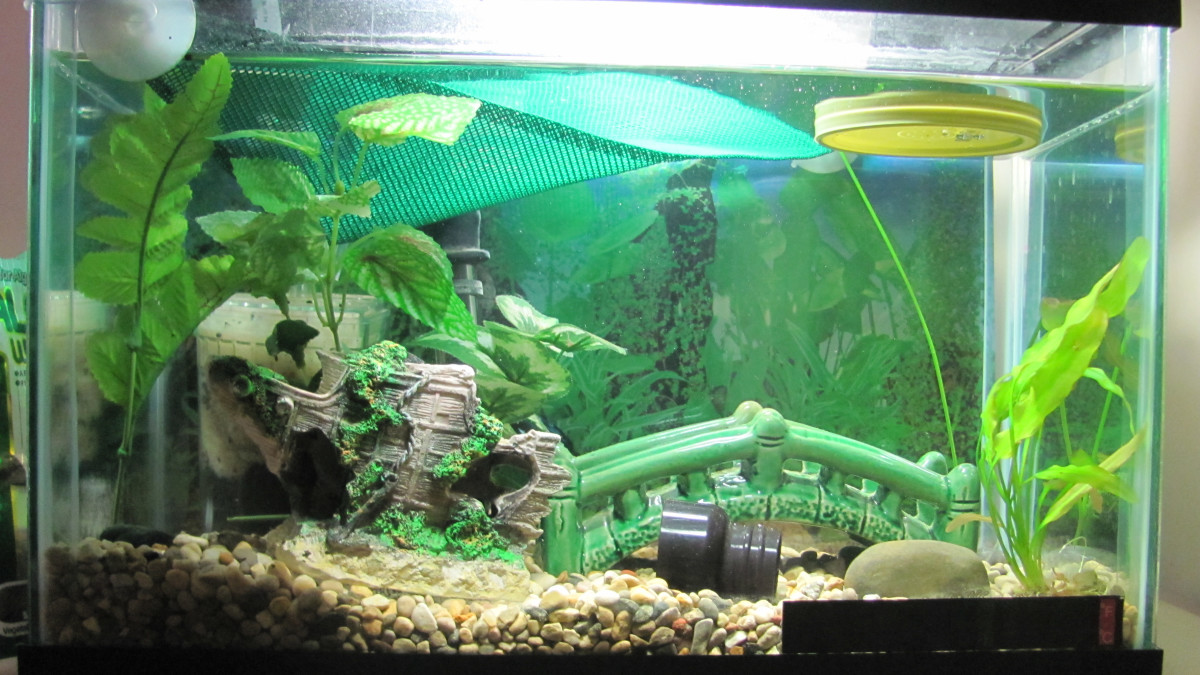
Credit: pethelpful.com
Decor And Substrate
Setting up a fish tank for single-species breeding needs careful choices. The decor and substrate help create a safe and healthy environment.
Good decor and substrate encourage natural behavior and protect eggs or fry. This guide covers key elements to add in your tank.
Suitable Plants
Plants provide oxygen and hiding places for fish and fry. Choose plants that suit the fish species and water conditions.
Soft-leaved plants work well because they are gentle on fish and eggs. Floating plants help reduce light and create shade.
- Anubias
- Java Moss
- Amazon Sword
- Hornwort
- Duckweed (floating)
Hiding Spots
Hiding spots protect fish from stress and predators. Use decorations that offer secure places for breeding fish and young fry.
Hiding spots can be natural or artificial. They help fish feel safe and reduce aggression during breeding.
- Caves made from rocks or resin
- Clay pots with openings
- Driftwood with crevices
- Dense plant clusters
- Leaf litter or peat moss areas
Choosing The Right Substrate
The substrate supports plants and fish eggs. It also affects water quality and tank cleanliness.
Choose a substrate type that fits the fish species and breeding needs. Fine gravel or sand is common for breeding tanks.
- Sand is soft and good for bottom spawners
- Fine gravel supports root plants
- Avoid sharp substrates that can harm eggs
- Dark substrates reduce stress for shy fish
- Use inert substrates to keep water stable
Creating Breeding Areas
Set up special zones for breeding inside the tank. These areas should be quiet and safe for fish to lay eggs.
Use plants, caves, and soft substrate to make breeding spots. Keep water flow low in these areas to protect eggs.
- Place plants and caves close together
- Use gentle water flow to avoid egg damage
- Keep breeding areas dim to reduce stress
- Provide flat surfaces for egg layers
- Separate breeding areas from aggressive fish zones
Introducing Fish And Conditioning
Setting up a fish tank for single-species breeding needs care. You must prepare the fish well.
Introducing fish and conditioning them helps improve breeding success. It keeps fish healthy and ready.
Acclimation Process
Acclimate fish slowly to reduce stress. Sudden changes can harm them.
- Float the sealed bag in the tank for 15 minutes.
- Add small amounts of tank water to the bag every 5 minutes.
- Repeat adding water until the bag is full.
- Gently release fish into the tank.
Diet For Breeding
Good diet helps fish grow strong and ready for breeding. Use varied foods.
| Food Type | Benefits |
| Live foods | Boost activity and color |
| Frozen foods | Provide protein and nutrients |
| Pellets | Easy to store and balanced diet |
| Vegetables | Improve digestion and health |
Monitoring Fish Health
Watch fish daily for signs of illness. Early detection helps treatment.
- Lethargy or hiding
- Loss of appetite
- Spots or discoloration
- Rapid breathing
- Clamped fins
Breeding Techniques
Setting up a fish tank for single-species breeding requires specific techniques. These techniques ensure healthy breeding and fry development.
Understanding the right environment and care methods is crucial. This helps in successful breeding and raising of the fish species.
Spawning Triggers
Spawning triggers are vital for fish breeding. They include changes in water temperature and light cycles.
Introducing these changes can stimulate breeding. Proper nutrition also plays a role in successful spawning.
- Increase water temperature slightly
- Adjust light duration to mimic natural seasons
- Provide high-quality, varied diet
Egg Care And Protection
Once eggs are laid, they need protection. Parents or separate tanks can keep eggs safe from predators.
Maintaining clean water and stable conditions is essential. This helps prevent fungal infections on the eggs.
- Use a breeding net or separator
- Regularly check water quality
- Remove any unfertilized eggs
Raising Fry
Fry need special care to grow healthy. They require frequent, small feedings of suitable food.
Gradually increase the size of their environment as they grow. This helps them adapt to larger spaces.
- Feed them infusoria or specialized fry food
- Perform regular, gentle water changes
- Monitor their growth and health
Maintenance And Troubleshooting
Setting up a fish tank for breeding a single species needs regular care. Ensuring the tank stays clean and the fish are healthy is key.
Learning how to fix common problems helps in keeping the fish tank in top shape. This guide covers cleaning, solving issues, and long-term success.
Routine Cleaning
Regular cleaning helps in maintaining a healthy environment for your fish. It prevents the build-up of harmful bacteria and algae.
- Change 10-15% of the water weekly
- Clean the tank glass to remove algae
- Rinse the filters monthly to ensure they work well
Common Issues And Solutions
Fish tanks can face several issues, such as cloudy water or sick fish. Identifying and resolving these problems quickly is important.
| Issue | Solution |
| Cloudy Water | Check the filter and reduce feeding |
| Algae Growth | Decrease light exposure and clean regularly |
| Fish Illness | Isolate sick fish and consult a vet |
Ensuring Long-term Success
Long-term success in fish breeding requires monitoring and adjusting tank conditions. Keeping a close eye on water parameters is essential.

Credit: www.aqqapet.com

Credit: www.aqqapet.com
Frequently Asked Questions
What Is The Ideal Tank Size For Single-species Breeding?
The ideal tank size depends on the fish species but generally starts at 20 gallons. Larger tanks offer better water stability and space for breeding behavior. Ensure enough room for fry and hiding spots to promote healthy breeding and reduce stress.
How To Maintain Water Quality For Breeding Fish?
Maintain clean water by performing 25-30% weekly water changes. Use a reliable filter and monitor parameters like pH, ammonia, nitrites, and nitrates. Stable temperature and clean water reduce stress and improve breeding success.
What Decorations Support Single-species Breeding Tanks?
Use plants, caves, and breeding cones to provide hiding places. These decorations mimic natural habitats and protect eggs and fry. Avoid overcrowding the tank to maintain good water flow and cleanliness.
How To Select Compatible Fish For Breeding Tanks?
Choose healthy, mature fish of the same species with good genetics. Avoid aggressive or overly shy individuals to reduce stress. Proper pairing increases breeding success and ensures healthy offspring.
Conclusion
Setting up a fish tank for single-species breeding takes care and patience. Choose the right tank size and maintain clean water. Provide proper hiding spots and suitable plants. Keep the temperature steady and feed fish well. Watch the fish closely for signs of stress or illness.
A good setup helps fish breed safely and grow strong. Enjoy the process and learn from each step. Your effort will create a healthy home for your fish. Simple steps lead to great success in breeding.