
Imagine turning your community space into a peaceful oasis where everyone feels connected and calm. Aquascaping for community harmony is more than just arranging plants and fish in a tank—it’s about creating a shared experience that brings people together.
You might wonder how a simple aquarium can change the vibe of your neighborhood or workplace. This article will show you how aquascaping can boost well-being, spark conversations, and build stronger bonds among your community members. Ready to discover the secret to harmony through nature’s beauty?
Keep reading to find out how you can make it happen.

Credit: www.amazon.ca
Benefits Of Aquascaping In Communities
Aquascaping is the art of arranging aquatic plants and decorations in water containers. Many communities use it to improve their surroundings.
This practice offers several benefits that help bring people together and improve their quality of life.
Enhancing Aesthetic Appeal
Aquascaping adds natural beauty to community spaces. It creates calm and pleasing views for everyone.
- Brightens parks and public areas
- Creates peaceful spots for relaxation
- Improves property values with attractive designs
- Encourages care for the environment
Promoting Mental Well-being
Watching aquascapes can reduce stress and anxiety. Nature scenes help calm the mind and boost mood.
| Benefit | Effect on Mental Health |
| Visual Relaxation | Decreases stress levels |
| Focus and Mindfulness | Improves concentration |
| Connection to Nature | Enhances happiness |
Encouraging Social Interaction
Aquascaping projects bring neighbors together. They share ideas and work on designs as a team.
Common social benefits include:
- Building friendships through group activities
- Learning from others about plants and care
- Organizing community events around aquascapes
- Creating a sense of pride and ownership
Choosing The Right Aquascape Style
Aquascaping is the art of arranging aquatic plants and decorations. Picking the right style helps create a peaceful community.
Different styles fit different spaces and moods. This guide explains popular aquascape styles for harmony.
Nature-inspired Designs
Nature-inspired aquascapes mimic forests, rivers, or mountains underwater. These designs bring calm and balance.
Use natural rocks, driftwood, and live plants to create a peaceful look. This style attracts fish and viewers alike.
- Include native plants for realism
- Use soft lighting to mimic sunlight
- Arrange stones to look like natural formations
Minimalist Approaches
Minimalist aquascapes use few elements with clean lines. They create a simple, calm environment.
Focus on space and balance. Use one or two types of plants and a few decorations to avoid clutter.
- Choose plants with simple shapes
- Use clear gravel or sand
- Keep decorations minimal and neat
Themed Aquascapes
Themed aquascapes create stories or moods. Themes can be fantasy, Zen, or historical scenes.
Choose plants and decorations that match the theme. This style adds interest and sparks imagination.
- Use special ornaments for storytelling
- Pick colors to fit the mood
- Arrange plants to support the theme’s style
Selecting Plants And Materials
Choosing the right plants and materials is key for a peaceful aquascape. It helps create a space where the community feels calm and connected.
Careful selection supports the health of the aquarium and the people who enjoy it. Let’s explore what to use for the best results.
Hardscape Elements
Hardscape includes stones, wood, and other solid materials. These form the structure and shape of the aquascape. Choose pieces that look natural and fit well together.
- Use smooth stones to avoid harming fish
- Select driftwood that does not release harmful substances
- Arrange materials to create hiding spots and open areas
- Avoid sharp edges that may hurt aquatic life
Aquatic Plant Varieties
Plants add color and oxygen to the water. Pick types that grow well in your tank’s conditions. Mix fast and slow growers for balance.
| Plant Name | Light Needs | Growth Speed |
| Java Fern | Low to Medium | Slow |
| Anubias | Low to Medium | Slow |
| Amazon Sword | Medium to High | Fast |
| Hornwort | Medium to High | Fast |
Sustainable Sourcing
Use plants and materials that do not harm the environment. Choose items from local or trusted suppliers. This helps keep nature safe and communities happy.
- Buy plants grown in nurseries, not wild collected
- Recycle or reuse hardscape materials
- Support local sellers to reduce transport impact
- Check for eco-friendly certifications
Setting Up A Community Aquascape
A community aquascape brings people together through a shared love of nature. It creates a peaceful space where everyone can enjoy the beauty of water plants and fish.
Careful planning and teamwork are key to building a successful aquascape. Each step helps the community connect and learn from each other.
Space Assessment And Planning
First, find a suitable location for the aquascape. Consider sunlight, space size, and access to water and electricity.
- Choose a spot with indirect sunlight to prevent algae growth.
- Measure the area to fit the tank and decorations comfortably.
- Ensure there is a power source for filters and lights nearby.
- Check if the floor can support the weight of a filled tank.
- Plan for easy access to clean and maintain the aquascape.
Involving Community Members
Include community members in decisions and tasks. Their input makes the aquascape more meaningful and fun.
| Role | Task | Benefit |
| Planner | Design layout and select plants | Improves project direction |
| Builder | Set up tank and decorations | Creates ownership and pride |
| Maintainer | Clean tank and feed fish | Keeps aquascape healthy |
| Educator | Teach others about aquascaping | Builds community knowledge |
Installation Tips
Follow these tips for a smooth installation and long-lasting aquascape.
- Clean the tank and tools before starting.
- Add substrate layer for plant roots.
- Place rocks and wood to create natural shapes.
- Fill the tank slowly with dechlorinated water.
- Plant aquatic plants carefully to avoid damage.
- Install filter and heater as needed.
- Wait a few days before adding fish to balance water.
Maintaining Aquascapes For Longevity
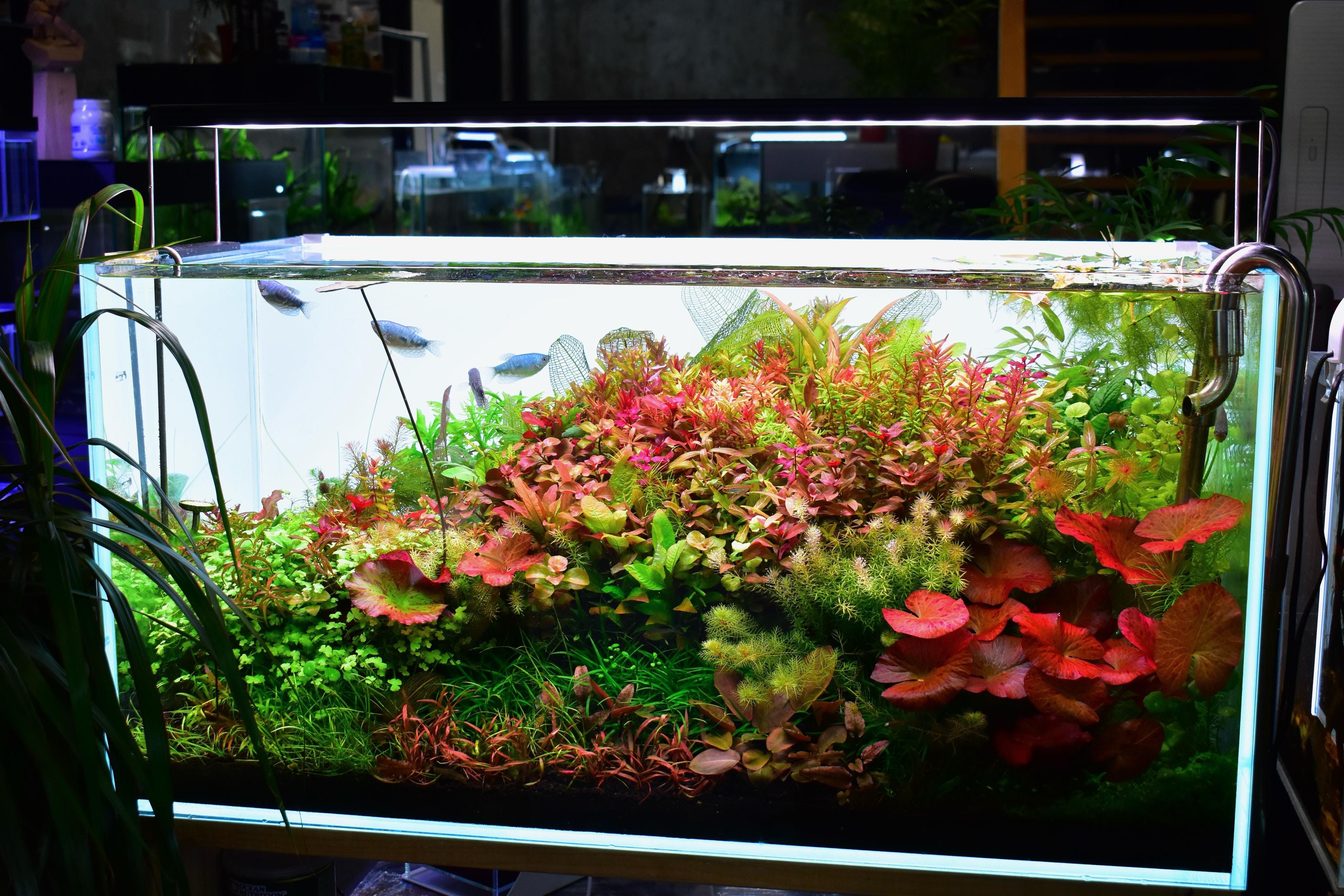
Keeping an aquascape beautiful and healthy takes regular effort. A well-maintained aquascape lasts longer and stays vibrant. Simple care steps help plants, fish, and the environment thrive together.
Understanding how to care for your aquascape will prevent common problems. Adjusting care for seasons also supports long-term success. This guide covers the basics to keep your aquascape alive and well.
Routine Care Practices
Daily and weekly tasks keep your aquascape in top shape. Regular checks and cleaning help avoid damage. Consistent care supports the ecosystem inside the tank.
- Check water quality, including pH and hardness
- Trim and prune plants to avoid overgrowth
- Clean algae from glass and decorations
- Feed fish proper amounts at set times
- Change 10-20% of water weekly to keep it fresh
Addressing Common Issues
Problems like algae blooms, plant decay, and fish stress can harm your aquascape. Early detection and action stop these issues from worsening. Knowing signs to watch for helps maintain balance.
| Issue | Cause | Solution |
| Algae Overgrowth | Too much light or nutrients | Reduce light, lower feeding, clean algae |
| Plant Decay | Poor water quality or lack of nutrients | Test water, add fertilizers, remove dead leaves |
| Fish Stress | Sudden changes or poor environment | Keep stable temperature, avoid overcrowding |
Seasonal Adjustments
Seasons affect water temperature and light, changing aquascape needs. Adjusting care helps plants and fish stay healthy year-round. Small changes make a big difference.
- Spring:Increase fertilization as plants grow faster.
- Summer:Monitor temperature, use fans or cooling if needed.
- Fall:Reduce feeding as fish slow down activity.
- Winter:Keep temperature stable, provide extra light if natural light is low.
Credit: mrplantgeek.substack.com
Aquascaping Events And Workshops
Aquascaping is a creative way to decorate underwater gardens. Events and workshops bring people together. They inspire and educate the community.
These gatherings offer unique learning experiences. People of all ages can join and share their passion for aquascaping.
Fostering Community Participation
Community participation is key to successful aquascaping events. These gatherings encourage people to connect and share ideas.
- Organize local meet-ups
- Create online forums for discussions
- Plan group projects to build aquascapes
Educational Opportunities
Aquascaping workshops provide valuable learning experiences. They teach essential skills and techniques to enthusiasts.
| Workshop Topic | Skills Learned |
| Plant Selection | Choosing the right plants |
| Water Chemistry | Maintaining water quality |
| Design Principles | Creating balanced layouts |
Showcasing Local Talent
Events showcase the creativity and skill of local aquascapers. These displays inspire others and foster a sense of pride in the community.
Success Stories Of Aquascaping
Aquascaping is the art of arranging aquatic plants, rocks, and driftwood in an aquarium. It has become a tool for community building and harmony. Many places use aquascaping to bring people together.
Success stories from various communities show how aquascaping projects can transform spaces. These projects not only beautify areas but also foster collaboration and learning.
Urban Renewal Projects
In cities, aquascaping is part of urban renewal. It revitalizes neglected spaces. For instance, a city park added aquascaped ponds. This brought new life to the area. It attracted families and tourists.
The project involved local artists and volunteers. They worked together to design and maintain the aquascapes. This effort promoted community pride.
- Increased park visitors
- Enhanced community engagement
- Improved local environment
School And Public Spaces
Schools have embraced aquascaping as a learning tool. Students create aquascapes in science classes. This hands-on experience teaches biology and ecology. It also boosts creativity.
Public libraries and community centers use aquascaping too. They display aquascapes to engage visitors. People feel calm and inspired by these natural displays.
| Educational Benefits | Community Benefits |
| Hands-on learning | Increased library visits |
| Creative expression | Community bonding |
Neighborhood Collaborations
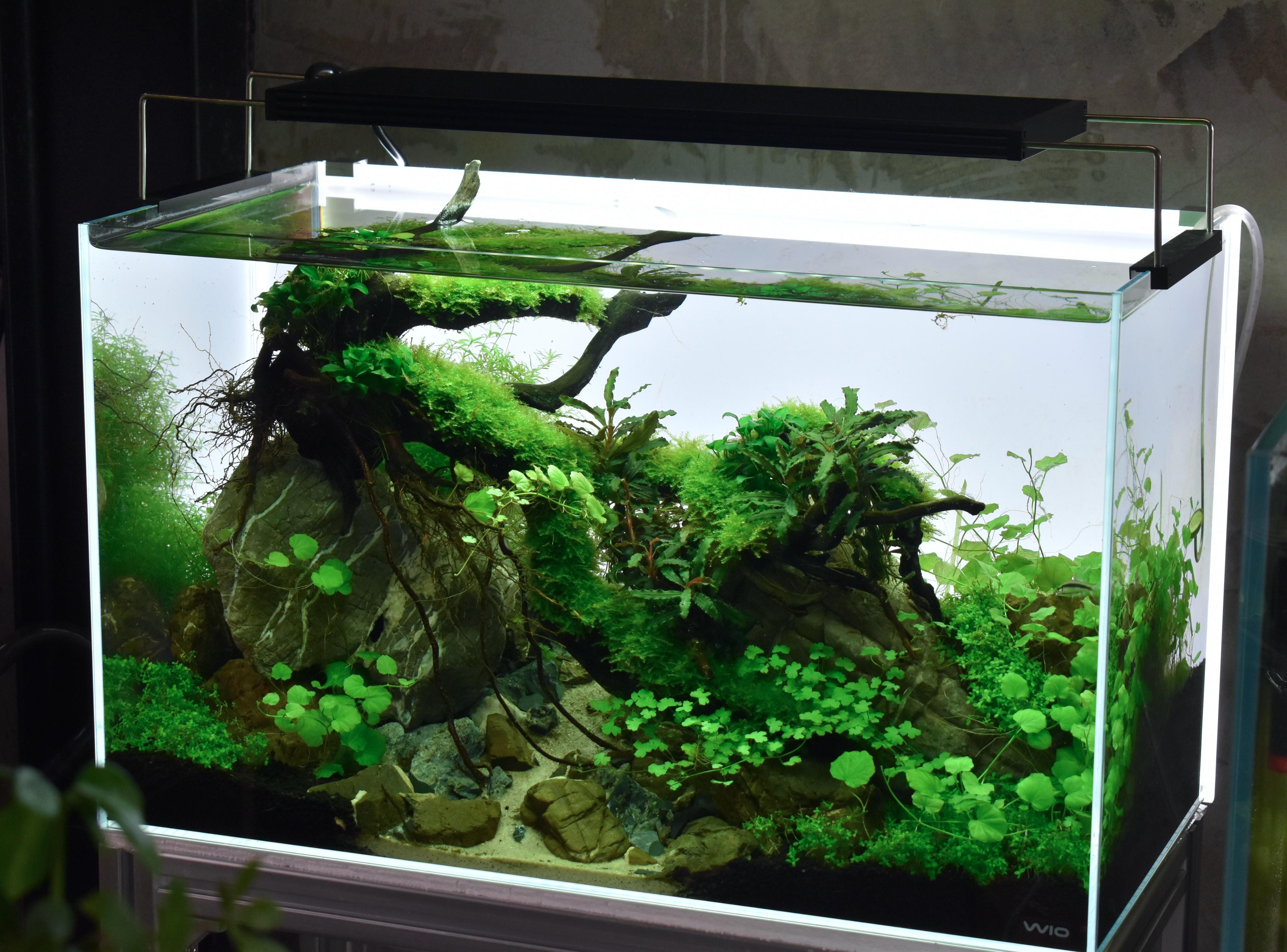
Neighborhoods collaborate on aquascaping projects to build harmony. Residents come together to design and maintain shared aquascapes. These projects create a sense of ownership and belonging.
One neighborhood transformed an empty lot into a community aquascape. Families worked side by side. They planted and decorated the area. Now, it serves as a local gathering spot.
- Strengthened neighborhood ties
- Beautified shared spaces
- Provided peaceful retreats
Credit: mrplantgeek.substack.com
Frequently Asked Questions
What Is Aquascaping For Community Harmony?
Aquascaping for community harmony involves designing shared aquatic spaces to promote peace and cooperation. It blends art and nature, encouraging social bonding and environmental respect. This practice fosters a calming atmosphere, enhancing community well-being and connection through a visually appealing underwater landscape.
How Does Aquascaping Improve Community Relationships?
Aquascaping improves community relationships by creating a shared project that unites people. It encourages teamwork, communication, and mutual respect. The calming effect of aquariums reduces stress, fostering positive interactions and a sense of belonging among community members.
What Are The Key Elements Of Harmonious Aquascaping?
Key elements include balanced plant and fish selection, natural layout, and water quality. Harmony in aquascaping also depends on sustainable practices and aesthetic appeal. These factors create a peaceful environment that supports community engagement and ecological health.
Can Aquascaping Promote Environmental Awareness In Communities?
Yes, aquascaping raises environmental awareness by highlighting aquatic ecosystems. It teaches communities about biodiversity and conservation. Engaging in aquascaping encourages responsible water use and habitat preservation, fostering eco-friendly attitudes and behaviors.
Conclusion
Aquascaping brings people together through shared creativity and care. It creates peaceful spaces where community bonds grow strong. Small efforts in design can spark big conversations and friendships. Everyone can join in and enjoy the beauty of nature. This simple hobby helps build trust and understanding among neighbors.
Community harmony grows from these calm, green places. Try it, watch how it changes your space and your community.