
Are you struggling to keep your cichlids healthy and vibrant? Feeding them the right way is key to unlocking their full colors and lively behavior.
But with so many food options and feeding routines out there, it’s easy to get confused. What if you could learn simple, effective tips that make your cichlids thrive? Keep reading, because the advice you’re about to discover will transform how you feed your fish—and your aquarium will thank you for it.
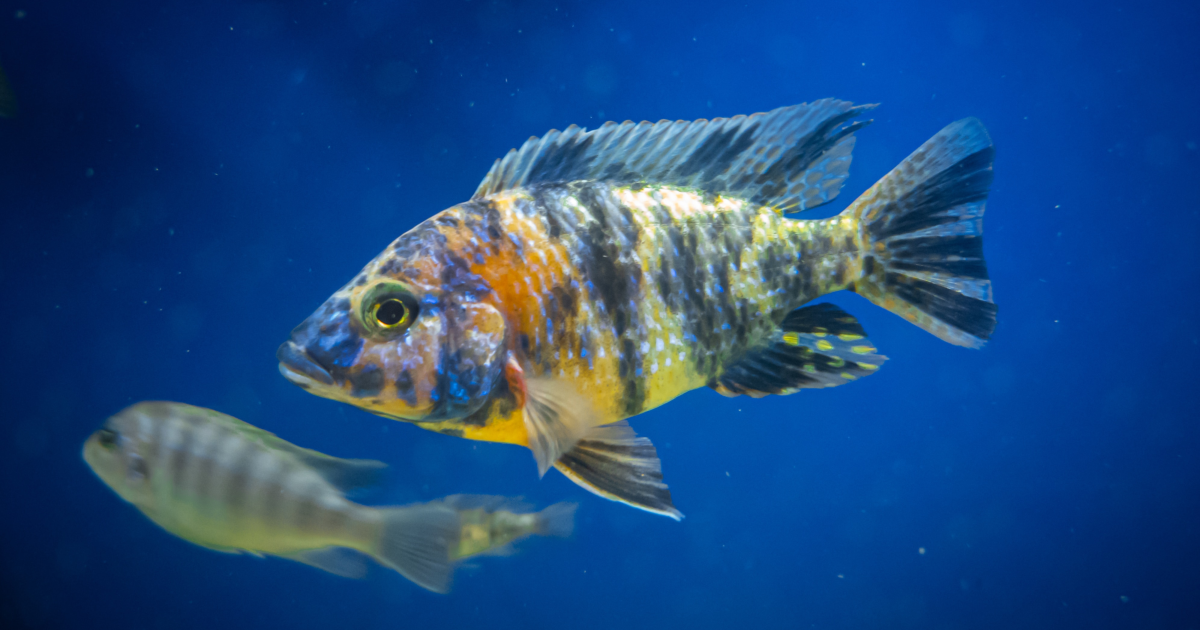
Credit: pethelpful.com
Choosing The Right Diet
Feeding cichlids the right food helps keep them healthy and active. Their diet should match their natural eating habits.
Different cichlids need different types of food. Knowing what to feed makes caring for them easier.
Types Of Cichlid Food
Cichlids eat flakes, pellets, frozen, and live foods. Each type offers different nutrients.
- Flakes:Easy to feed and digest, good for daily feeding.
- Pellets:Stay longer in water, perfect for bottom feeders.
- Frozen foods:Include bloodworms and brine shrimp, provide protein boost.
- Live foods:Such as small insects or worms, stimulate natural hunting instincts.
Balancing Proteins And Vegetables
Cichlids need a mix of proteins and vegetables. Too much of one can cause health problems.
| Nutrient | Source | Benefit |
| Protein | Pellets, frozen, live food | Builds muscle and energy |
| Vegetables | Spinach, peas, spirulina flakes | Supports digestion and color |
| Carbohydrates | Flakes, pellets | Provides energy |
Avoiding Overfeeding
Overfeeding causes water pollution and health issues. Feed small amounts to prevent this.
- Feed only what cichlids can eat in 2-3 minutes
- Feed 1-2 times per day
- Remove leftover food from the tank
- Watch fish for signs of overeating or bloating

Credit: www.promeal.in
Feeding Frequency And Portion Control
Feeding cichlids the right amount at the right times is very important. It helps keep them healthy and active.
Too much or too little food can cause problems. Learn how often and how much to feed your cichlids.
Daily Feeding Schedule
Cichlids usually eat two times a day. Feed them in the morning and in the evening.
Give small amounts that they can finish in a few minutes. Avoid leaving food in the tank.
- Feed once in the morning
- Feed once in the evening
- Remove leftover food after 5 minutes
Adjusting Portions By Age And Size
Young cichlids need smaller portions but more often. Adult fish eat larger portions less often.
Adjust the food amount based on the fish size and their growth stage. Watch how much they eat.
- Feed fry 3-4 small meals daily
- Feed juveniles 2-3 meals daily
- Feed adults 1-2 meals daily
- Increase portions as fish grow larger
Signs Of Overfeeding
Overfeeding can harm cichlids and pollute the tank water. Watch for these signs to avoid problems.
- Leftover food on the tank bottom
- Cloudy or dirty water
- Fish showing slow movement or bloating
- Increased algae growth
Supplementing With Live And Frozen Foods
Cichlids benefit from a varied diet that includes live and frozen foods. These foods add nutrients not found in dry pellets.
Feeding live and frozen foods can improve their health, color, and activity levels in the aquarium.
Benefits Of Live Foods
Live foods stimulate natural hunting behavior in cichlids. They also provide fresh nutrients and enzymes.
Live foods can increase fish activity and reduce boredom. They often have higher protein content than dry foods.
- Encourages natural feeding instincts
- Rich in essential nutrients
- Improves fish coloration and vitality
- Helps maintain good digestion
Safe Frozen Food Options
Frozen foods are a safe alternative to live foods. They reduce the risk of introducing diseases to your tank.
Many frozen foods keep most nutrients and are easy to store. They suit different types of cichlids well.
- Frozen bloodworms
- Frozen brine shrimp
- Frozen daphnia
- Frozen mosquito larvae
- Frozen krill
Preparing Foods For Feeding
Prepare live and frozen foods properly to keep your cichlids healthy. Rinse frozen foods in tank water before feeding.
Do not overfeed. Feed small amounts that fish can eat in a few minutes. Remove leftovers to keep water clean.
- Thaw frozen foods in cool water
- Rinse frozen foods before feeding
- Check live foods for pests
- Feed small portions to avoid waste
- Remove uneaten food quickly

Credit: www.amazon.in
Special Considerations For Different Cichlid Species
Cichlids need different foods depending on their species. Feeding them right helps them stay healthy.
Some cichlids eat plants, others eat meat. Knowing what each type needs is very important.
Diet For African Cichlids
African cichlids mostly come from Lake Malawi and Lake Tanganyika. They need a balanced diet.
Many African cichlids eat algae and small insects. Their food should match this natural diet.
- Use vegetable-based flakes or pellets
- Add spirulina for plant-eating species
- Offer occasional protein like brine shrimp
- Avoid too much fatty food to prevent health issues
Feeding South American Cichlids
South American cichlids live in rivers and lakes. They often eat insects, small fish, and plants.
These cichlids need a mix of protein and plants. Their diet should be varied to stay healthy.
- Feed high-quality flakes or pellets
- Include live or frozen foods like bloodworms
- Add some vegetable matter for herbivorous types
- Feed small amounts multiple times a day
Herbivorous Vs Carnivorous Needs
Herbivorous cichlids eat mostly plants and algae. They need fiber and plant nutrients.
Carnivorous cichlids eat insects and small animals. They need protein and fat for energy.
- Herbivores: feed algae wafers, spirulina, vegetables
- Carnivores: offer live or frozen shrimp, worms, fish
- Avoid feeding too much protein to herbivores
- Balance diet to match species’ natural habits
Maintaining Water Quality During Feeding
Feeding cichlids correctly helps keep their water clean. Dirty water causes stress and illness.
Good feeding habits reduce waste and keep the tank healthy for your fish.
Avoiding Food Waste
Feed your cichlids only what they can eat in a few minutes. Remove leftover food quickly.
- Give small portions at a time
- Observe how much your fish eat
- Remove uneaten food after feeding
- Use feeding rings to keep food contained
Cleaning Tips After Feeding
Clean the tank regularly to prevent waste buildup. Use tools made for aquariums.
| Cleaning Task | Frequency |
| Remove leftover food | Daily |
| Clean substrate | Weekly |
| Check filter | Weekly |
| Water change | Every 1-2 weeks |
Impact Of Diet On Water Parameters
Different foods affect water chemistry. Choose diets that do not pollute the water.
- High-protein foods increase ammonia levels
- Vegetable-based diets produce less waste
- Feed varied diets to balance water quality
- Avoid overfeeding to keep pH stable
Signs Of Nutritional Deficiencies
Cichlids are popular aquarium fish known for their vibrant colors. Like all pets, they need a balanced diet. Lack of proper nutrition can lead to health issues.
Understanding the signs of nutritional deficiencies helps in maintaining their health. Observing these signs early can prevent serious problems.
Common Deficiency Symptoms
Fish may show physical or behavioral changes when lacking nutrients. Recognizing these symptoms is crucial.
- Loss of color or dull appearance
- Reduced appetite
- Erratic swimming or lethargy
- Fin rot or damaged scales
- Swollen abdomen
Correcting Diet Imbalances
Adjusting the diet can help correct imbalances. Offering a variety of foods ensures they get all needed nutrients.
| Food Type | Benefits |
| Pellets | Balanced nutrition |
| Frozen food | Rich in proteins |
| Vegetables | Fiber and vitamins |
When To Consult A Vet
Sometimes, dietary changes are not enough. It is important to know when to seek professional help.
Frequently Asked Questions
What Is The Best Diet For Cichlids?
A balanced cichlid diet includes high-quality pellets, flakes, and occasional live or frozen foods. Variety ensures proper nutrition and vibrant colors. Avoid overfeeding to prevent health issues and water pollution.
How Often Should I Feed My Cichlids?
Feed cichlids 2-3 times daily in small portions. Remove uneaten food after 5 minutes to keep the tank clean. Consistent feeding supports growth and energy without overfeeding risks.
Can Cichlids Eat Vegetables Or Plants?
Yes, many cichlids enjoy blanched vegetables like spinach, peas, and zucchini. These provide essential fiber and nutrients. Avoid toxic plants and always introduce new foods gradually.
Is Live Food Necessary For Cichlids?
Live food is beneficial but not mandatory. It stimulates natural hunting instincts and adds protein. Supplement with frozen or pellet foods for a balanced diet.
Conclusion
Feeding cichlids the right way keeps them healthy and active. Offer a balanced diet with varied food types. Avoid overfeeding to prevent tank pollution. Watch their behavior to know if they like the food. Regular feeding schedules help cichlids feel safe and comfortable.
Clean leftover food quickly to keep water clean. These small steps make a big difference in their care. Enjoy watching your cichlids grow strong and vibrant every day. Simple care leads to happy fish in your aquarium.