
If you want a crystal-clear aquarium without spending hours on maintenance, choosing the right filter is key. An aquarium filter with long-lasting media means you won’t have to replace or clean it constantly.
This saves you time, money, and keeps your fish healthier. Imagine enjoying a vibrant, sparkling tank with minimal effort. You’ll discover how to pick the best filter media that works hard and stays effective for months. Ready to make your aquarium care easier and more rewarding?
Keep reading to find out how.

Credit: www.walmart.com
Types Of Aquarium Filters
A clean aquarium needs a good filter. Filters keep the water clear and safe for fish.
There are different types of filters. Each type works in a special way to clean the water.
Mechanical Filters
Mechanical filters remove dirt and debris from the water. They trap particles like fish waste and leftover food.
Common materials for mechanical filters are sponges, pads, and floss. These materials catch solid waste but do not remove chemicals or bacteria.
Biological Filters
Biological filters use good bacteria to clean the water. The bacteria break down harmful substances like ammonia and nitrites.
- These bacteria live on filter media like ceramic rings or bio balls.
- They help keep fish healthy by reducing toxins.
- Biological filters need time to grow bacteria before working well.
Chemical Filters
Chemical filters remove dissolved substances from the water. They use special materials to absorb toxins and odors.
| Filter Media | Purpose |
| Activated Carbon | Removes chemicals and odors |
| Zeolite | Absorbs ammonia |
| Resin | Removes heavy metals |
Combination Filters
Combination filters use two or more types of filtration. They clean water better than one type alone.
For example, a filter may have:
- A sponge for mechanical cleaning
- Ceramic rings for biological filtration
- Activated carbon for chemical removal
Benefits Of Long-lasting Filter Media
Choosing an aquarium filter with long-lasting media helps keep your tank clean longer. It reduces the need to change the media often.
This type of filter media improves water quality and saves you time and money. It also supports a healthier environment for your fish.
Reduced Maintenance Frequency
Long-lasting filter media stays effective for many weeks or months. This means you spend less time cleaning or replacing it. Your aquarium stays clear without constant work.
Improved Water Quality
This filter media traps more dirt and harmful substances. It helps keep ammonia and nitrites low, which protects fish health. The media also supports beneficial bacteria growth.
- Removes waste efficiently
- Supports biological filtration
- Maintains clear water longer
- Reduces harmful chemicals
Cost Efficiency
Long-lasting media cuts costs by lasting longer than standard media. You buy replacements less often. This saves money on filter materials and shipping.
| Media Type | Average Lifespan | Cost per Use |
| Standard Media | 4 Weeks | $5 |
| Long-Lasting Media | 12 Weeks | $3 |
Environmental Impact
Using media that lasts longer reduces waste. It lowers the number of discarded filter materials. This helps protect the environment by cutting landfill waste.
Benefits for the environment include:
- Less frequent disposal of used media
- Reduced plastic waste
- Lower carbon footprint from fewer shipments
Popular Long-lasting Filter Media Options
A good aquarium filter needs filter media that lasts long. It helps keep water clean and fish healthy.
Here are some popular filter media types that last a long time and work well in most filters.
Ceramic Rings
Ceramic rings are small, hollow tubes made of fired clay. They provide a large surface area for beneficial bacteria.
These bacteria help break down harmful waste in the water. Ceramic rings do not wear out quickly and can be reused.
Sponge Media
Sponge media is made of porous foam. It traps debris and offers a place for good bacteria to grow.
Sponges are easy to clean and last a long time if rinsed carefully. They are good for mechanical and biological filtration.
Activated Carbon
Activated carbon is a black, porous material that absorbs impurities and odors. It helps keep water clear and fresh.
It works well but loses effectiveness over time. You need to replace it regularly for best results.
Bio Balls
Bio balls are plastic spheres with many holes. They provide a large surface for beneficial bacteria to grow.
They are lightweight and last for many years. Bio balls are mainly used for biological filtration in larger tanks.
Foam Pads
Foam pads are thick sheets of porous foam. They trap dirt and support bacteria growth for cleaning water.
Foam pads are easy to remove and wash. They last long if cleaned gently and replaced when damaged.
Choosing The Right Filter For Your Aquarium
Choosing the right aquarium filter is key to keeping your fish healthy. A good filter cleans water and keeps it clear.
Filters with long-lasting media save time and money. They work better and need less frequent changes.
Tank Size Considerations
Tank size affects the type and power of filter you need. Bigger tanks need stronger filters to clean more water.
Choose a filter rated for your tank’s volume. This ensures proper water flow and cleaning.
- Small tanks (under 10 gallons) need gentle filters
- Medium tanks (10-50 gallons) need moderate flow filters
- Large tanks (over 50 gallons) need powerful filters
Fish And Plant Compatibility
Some fish prefer calm water while others like strong currents. Plants also need suitable flow to thrive.
Choose filter media that supports your fish and plants. Biological media helps beneficial bacteria grow.
- Delicate fish need gentle water flow
- Active fish require stronger currents
- Live plants benefit from clean, oxygenated water
- Use long-lasting media that supports bacteria growth
Flow Rate Importance
Flow rate is how fast water moves through the filter. It impacts water cleanliness and fish comfort.
Pick a flow rate that suits your tank size and inhabitants. Too strong or too weak flow can stress fish.
- Flow rate is measured in gallons per hour (GPH)
- Ideal flow is 4-5 times the tank volume per hour
- Adjust flow for sensitive fish or plants
Media Replacement Cycle
Long-lasting media means fewer replacements and less maintenance. Check media life before buying.
Replace media based on the type and condition of your aquarium. Follow manufacturer recommendations.
- Mechanical media traps debris and needs regular cleaning
- Biological media supports bacteria and lasts longer
- Chemical media removes toxins and may need monthly replacement
- Use media that balances life span and cleaning needs
Maintaining And Cleaning Filter Media
Keeping your aquarium filter media clean is important for a healthy tank. Clean media helps water stay clear and fish stay safe.
Regular maintenance stops the filter from clogging. It also protects the helpful bacteria that clean the water naturally.
When To Clean Media
Clean the filter media when water flow slows down or water looks dirty. Avoid cleaning too often to keep good bacteria alive.
Check the media every 2 to 4 weeks. Some types of media need less cleaning than others.
Proper Cleaning Techniques
Use water from the aquarium to rinse the media. This keeps the bacteria safe. Avoid using tap water as it may kill helpful bacteria.
- Remove media from the filter carefully
- Rinse gently in aquarium water
- Do not squeeze or scrub hard
- Return media to the filter after cleaning
Avoiding Damage To Beneficial Bacteria
Beneficial bacteria live on the filter media. They break down fish waste and keep water clean. Cleaning too hard can kill them.
Clean media lightly and only when needed. Keep some bacteria by not cleaning all media at once.
Signs Of Media Wear
Look for changes in your filter media. Old media may break apart or lose shape. This lowers filter performance.
- Media falling apart into small pieces
- Crushed or flattened shapes
- Strong odors coming from the media
- Filter water flow stays weak after cleaning
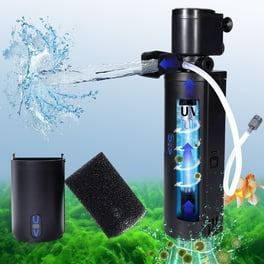
Credit: www.walmart.com
Enhancing Filter Performance
Aquarium filters with long-lasting media are essential for maintaining clean water. Enhancing their performance ensures a healthy environment for aquatic life.
There are several methods to improve filter efficiency. By focusing on key areas, you can extend media life and optimize filtration.
Combining Different Media Types
Using a mix of media types enhances filtration. Each type targets specific impurities in the water.
- Mechanical media captures debris and particles
- Biological media supports beneficial bacteria growth
- Chemical media removes toxins and odors
Upgrading Filter Components
Upgrading components can significantly boost filter performance. Using high-quality parts ensures durability and efficiency.
- High-capacity pumps for better water circulation
- Advanced filter pads for finer particle capture
- Durable tubing to prevent leaks
Optimizing Water Flow
Proper water flow is crucial for effective filtration. Ensuring balanced flow prevents dead zones where waste can accumulate.
| Flow Rate | Effect |
| Too Fast | Insufficient contact time |
| Too Slow | Limited water movement |
| Balanced | Optimal filtration |
Using Additives For Media Longevity
Additives can extend the life of filter media. They enhance the media’s ability to trap impurities and reduce buildup.
Regularly using additives keeps the media effective. This reduces the need for frequent replacements and ensures clean water.
Common Problems And Solutions
Aquarium filters with long-lasting media are essential for keeping fish tanks clean. Yet, these filters can face several issues over time.
Understanding common problems and their solutions helps in maintaining a healthy aquarium environment.
Clogging Issues
Clogging occurs when debris and waste block the filter media. This reduces water flow and affects filtration.
- Check the filter weekly for any blockages.
- Rinse the media in tank water to remove debris.
- Avoid overfeeding fish to reduce waste.
Reduced Filtration Efficiency
Filtration efficiency may drop if the filter media is old or dirty. Clean the filter regularly to ensure optimal performance.
| Action | Frequency |
| Rinse filter media | Every 2 weeks |
| Replace media | Every 6 months |
| Inspect pump | Monthly |
Media Degradation
Over time, filter media can degrade and lose its effectiveness. Replacement is necessary to maintain water quality.
Choose high-quality media to extend the lifespan of your filter.
Algae Growth In Filters
Algae can thrive in filters, reducing their efficiency. This usually happens in tanks with excessive light or nutrients.

Credit: www.amazon.com
Frequently Asked Questions
What Is Long-lasting Media In Aquarium Filters?
Long-lasting media refers to filter materials that maintain effectiveness over extended periods. They reduce frequent replacements and ensure consistent water quality in aquariums.
How Often Should I Replace Aquarium Filter Media?
Replacement depends on media type and tank conditions. Generally, mechanical media needs monthly changes, while biological media can last months to years.
Which Filter Media Lasts The Longest For Aquariums?
Ceramic rings and bio-balls are among the longest-lasting biological media. They support beneficial bacteria and rarely require replacement.
Can Long-lasting Filter Media Improve Water Quality?
Yes, durable media sustain beneficial bacteria growth, enhancing biological filtration. This results in cleaner, healthier aquarium water over time.
Conclusion
Choosing an aquarium filter with long-lasting media saves time and effort. It keeps water clean and fish healthy for longer periods. Filters that last reduce the need for frequent changes. This means less hassle and lower costs. A good filter supports a stable tank environment.
Clear water and happy fish are the rewards. Think of it as a small investment for big benefits. Keep your aquarium simple and effective with the right filter. Your fish will thank you for it.