
Imagine turning your aquarium into a stunning underwater garden that brings calm and beauty right into your space. Aquascaping with live plants lets you do just that.
If you’ve ever wanted to create a vibrant, natural habitat for your fish while adding a touch of green to your home, this is the perfect way to start. You’ll discover how easy it is to transform a simple tank into a living work of art.
Ready to learn the secrets to thriving, lush aquascapes that captivate every eye? Keep reading, and your aquarium will never look the same again.
Choosing The Right Aquarium
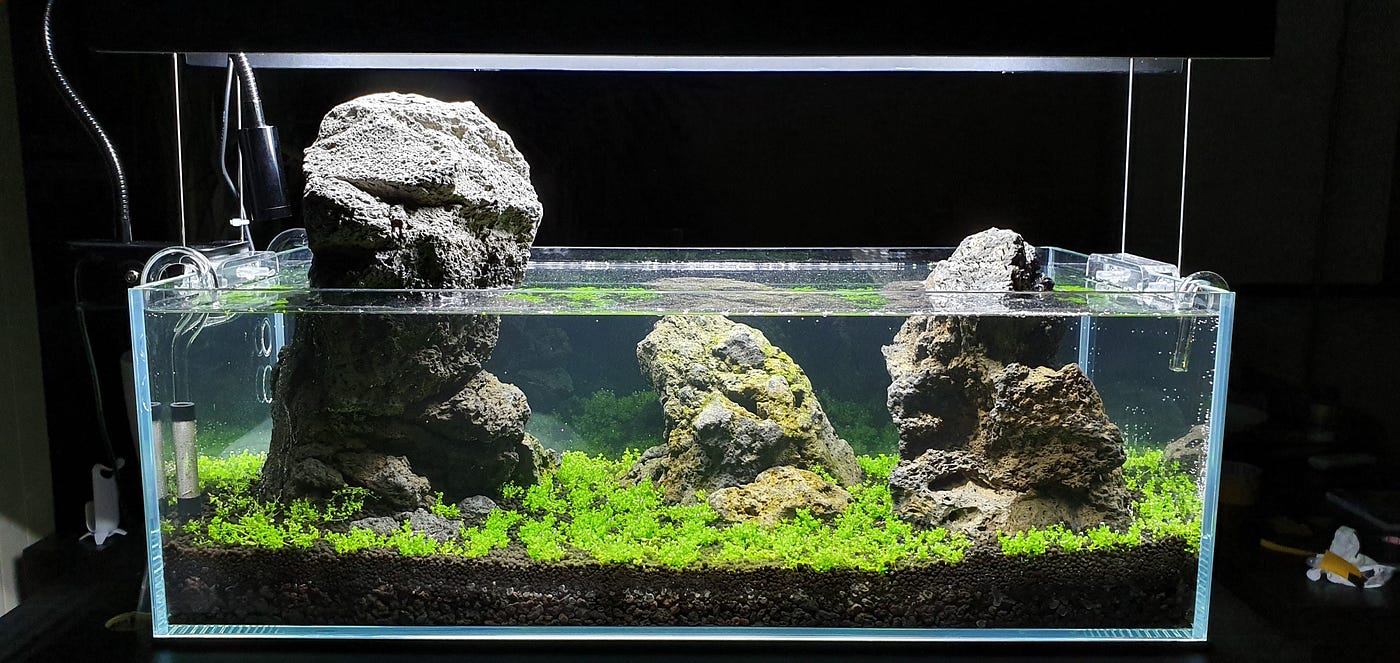
Picking the right aquarium is key for aquascaping with live plants. The tank must fit the plants’ needs and your space.
Consider size, light, and water flow to create a healthy environment for your plants and fish.
Tank Size And Shape
Choose a tank size that matches your room and plant choices. Larger tanks hold stable water conditions better.
- Tall tanks suit plants that grow upward
- Long tanks offer more surface area for light
- Wide tanks give space for spreading plants
- Small tanks need more care due to quick changes
Lighting Options
Plants need enough light to grow. Choose lighting that fits your tank size and plant types.
| Light Type | Best For | Duration |
| LED | Most plants | 8–10 hours |
| Fluorescent | Low to medium light plants | 8 hours |
| Incandescent | Not recommended | N/A |
Filtration Systems
Good filtration keeps water clean and clear. It supports plant and fish health by removing waste.
Types of filtration to consider:
- Mechanical: removes particles
- Biological: breaks down waste
- Chemical: removes toxins
Credit: medium.com
Selecting Live Plants
Choosing the right live plants is key for a healthy aquascape. Plants add beauty and help keep water clean.
Think about your tank size, light, and skill level before picking plants. This guide helps with easy choices and care tips.
Easy Plants For Beginners
Some plants grow well with little effort. They are perfect for new aquascapers and need less light and care.
- Anubias – slow-growing and tough
- Java Fern – grows on rocks or wood
- Amazon Sword – large leaves, low light
- Cryptocoryne – adapts to many conditions
- Duckweed – floats and grows fast
Plant Growth Requirements
Plants need light, nutrients, and CO2 to grow well. Each plant has different needs for these.
| Requirement | Low Need | Medium Need | High Need |
| Light | Java Fern, Anubias | Amazon Sword | Glossostigma |
| CO2 | Anubias, Java Fern | Amazon Sword | Carpet Plants |
| Nutrients | Cryptocoryne | Amazon Sword | Fast-growing Stem Plants |
Balancing Plant Types
Mix different plants for a balanced and natural look. Combine tall, medium, and small plants.
- Tall plants go in the back or corners.
- Medium plants fit well in the middle.
- Small plants or ground covers fill the front.
- Floating plants add shade and reduce algae.
Basic Aquascaping Techniques
Aquascaping is the art of arranging plants and decorations in an aquarium. It creates a beautiful underwater landscape.
Using live plants makes the aquarium look natural. It also helps keep the water clean and healthy for fish.
Hardscape Materials
Hardscape materials are the solid parts of your aquascape. They shape the layout and give structure to the design.
Common materials include rocks, driftwood, and stones. Choose materials that are safe for aquarium use and look natural.
- Rocks provide texture and visual interest
- Driftwood adds natural curves and hiding spots
- Stones help create terraces or slopes
- Avoid sharp edges that can harm fish
Plant Placement Strategies
Placing plants correctly is key to a balanced aquascape. Different plants suit different spots in the tank.
Tall plants work well at the back or sides. Short plants look good in the front or middle areas.
- Use tall plants like Vallisneria at the back
- Medium plants such as Cryptocoryne go in the middle
- Low plants like Java moss fit the front
- Group plants in odd numbers for natural look
Creating Depth And Layers
Depth makes the aquarium look bigger and more interesting. Use layers of plants and hardscape to add dimension.
Place larger objects and plants toward the back. Smaller ones go closer to the front. This creates a sense of space.
- Use sloping substrate to add height differences
- Place rocks and wood at different levels
- Mix tall and short plants to form layers
- Leave open spaces to avoid overcrowding
Design Styles To Try
Aquascaping with live plants offers many ways to create beautiful underwater scenes. Different styles bring unique moods and shapes to your aquarium.
Try various design styles to find what fits your space and taste. Each style uses plants and hardscape in special ways.
Nature-inspired Layouts
Nature-inspired aquascapes mimic forests, rivers, or mountains. They use rocks, wood, and plants to look like real landscapes.
This style often has many plant types and varied shapes. It feels wild and natural, like a scene from nature.
- Use driftwood and stones to create natural shapes
- Mix tall and short plants for depth
- Create pathways or open spaces like riverbeds
Japanese Style Aquascapes
Japanese style aquascapes focus on balance and simplicity. They often show harmony between rocks, plants, and empty space.
This style uses few plant types and careful placement. It brings a peaceful, Zen feeling to your aquarium.
- Choose smooth stones or bonsai-like plants
- Use open space to highlight key elements
- Keep colors calm and natural
Minimalist Designs
Minimalist aquascapes focus on simplicity and clean lines. They use fewer plants and decorations for a neat look.
This style highlights form and space. It works well in small tanks or modern rooms.
- Pick a single plant species or color
- Use plain rocks or sand as base
- Keep the layout open and uncluttered
Maintaining Your Aquascape
Keeping your aquascape healthy takes regular care and attention. You need to watch the plants and water closely. Small tasks done often help your aquascape stay beautiful.
This guide covers three key areas: trimming plants, managing water quality, and stopping algae growth. Each part is important to keep your aquascape thriving.
Regular Trimming And Pruning
Trim plants to keep them healthy and prevent overgrowth. Remove dead or yellow leaves to improve water flow. Prune fast-growing plants to make space for others.
- Use sharp scissors to cut stems cleanly
- Trim roots if they get too long
- Cut plants just above a node to encourage new growth
- Remove any damaged leaves right away
- Trim weekly or as needed for plant type
Water Quality Management
Good water quality is key for plant and fish health. Test water regularly to keep proper levels. Change water to remove waste and keep nutrients balanced.
| Parameter | Ideal Range | Why It Matters |
| pH | 6.5 – 7.5 | Plants grow best in neutral water |
| Ammonia | 0 ppm | Toxic to fish and plants |
| Nitrite | 0 ppm | Harmful to aquatic life |
| Nitrate | Below 20 ppm | High levels can cause algae |
| Temperature | 22 – 28°C (72 – 82°F) | Supports tropical plants and fish |
Preventing Algae Growth
Algae can harm plants and spoil your aquascape look. Control light and nutrients to stop algae from growing. Clean the tank and remove algae spots regularly.
Tips to prevent algae growth:
- Limit light to 8-10 hours daily
- Do not overfeed fish
- Use algae-eating fish or shrimp
- Clean glass and decorations weekly
- Keep nutrient levels balanced

Credit: www.reddit.com
Common Challenges And Fixes
Aquascaping with live plants can be rewarding but also challenging. Understanding common issues and their solutions helps maintain a healthy aquatic environment.
Let’s explore some frequent problems you might encounter and how to address them effectively.
Dealing With Plant Melting
Plant melting occurs when plants shed their leaves. It’s common with new plants as they adjust to the aquarium environment.
- Acclimate plants slowly to reduce stress.
- Monitor water parameters to ensure they are stable.
- Trim affected leaves to promote new growth.
Troubleshooting Lighting Issues
Proper lighting is crucial for plant health. Too much or too little light can cause problems.
Consider using LED lights with adjustable settings. They offer flexibility and energy efficiency for your aquascape.
Managing Nutrient Deficiencies
Nutrient deficiencies can lead to poor plant growth and discoloration. Identifying the missing nutrients is key.
| Deficiency | Signs | Solution |
| Iron | Yellowing leaves | Use iron supplements |
| Nitrogen | Stunted growth | Increase nitrogen dosing |
| Potassium | Holes in leaves | Add potassium fertilizers |

Credit: www.horizonaquatics.co.uk
Frequently Asked Questions
What Are The Best Live Plants For Aquascaping?
The best live plants include Java Fern, Anubias, and Cryptocoryne. These plants are hardy, low-maintenance, and thrive underwater. They add natural beauty and improve aquarium health by oxygenating water and reducing algae growth.
How Do I Maintain Live Plants In An Aquascape?
Maintain live plants by providing adequate light, nutrients, and CO2. Regularly trim dead leaves and clean the substrate. Monitor water parameters like pH and hardness to ensure optimal plant growth and prevent algae buildup.
Can Aquascaping With Live Plants Improve Fish Health?
Yes, live plants improve fish health by oxygenating the water and reducing toxins. They provide hiding spots, reduce stress, and create a natural environment that supports fish well-being and behavior.
What Lighting Is Best For Aquascaping With Live Plants?
Full-spectrum LED lights are best for aquascaping. They provide the right intensity and wavelength for photosynthesis. Aim for 8-10 hours of light daily to promote healthy plant growth without encouraging algae.
Conclusion
Aquascaping with live plants brings life and beauty to any aquarium. It helps create a natural, healthy environment for fish. Choosing the right plants keeps your tank vibrant and clean. Regular care makes your aquascape thrive over time. Enjoy the calm and joy this hobby brings every day.
Start simple, learn as you go, and watch your underwater garden grow.