
Are you struggling to keep your aquarium healthy and your fish happy? One key factor you might be overlooking is maintaining stable nitrite levels.
Nitrite can be dangerous if it spikes suddenly, causing stress or even harm to your aquatic friends. But don’t worry—understanding how to keep nitrite steady is easier than you think. You’ll discover simple, effective steps to control nitrite in your tank, ensuring a safe and thriving environment for your fish.
Keep reading to learn how you can take charge of your aquarium’s health right now.

Credit: glassboxdiaries.com
Role Of Nitrite In Aquariums
Nitrite is a chemical compound that forms in aquariums during the nitrogen cycle. It plays an important role in water quality and fish health. Understanding nitrite helps aquarium owners keep their tanks safe and clean.
In this article, we will look at nitrite’s part in the nitrogen cycle and how it affects fish health in aquariums.
Nitrite In The Nitrogen Cycle
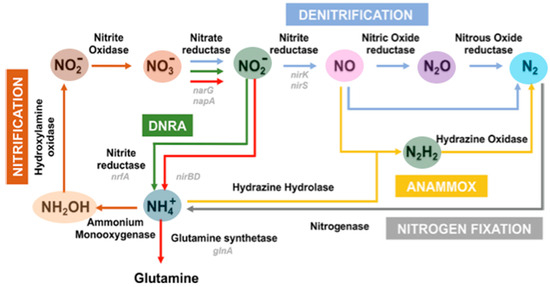
The nitrogen cycle is a natural process that breaks down fish waste and uneaten food. Nitrogen compounds go through several steps in this cycle. Nitrite is one of the important compounds formed during this process.
- Fish produce ammonia as waste.
- Bacteria convert ammonia to nitrite.
- Other bacteria change nitrite into nitrate.
- Nitrate is less harmful and plants use it as food.
Monitoring nitrite levels is important because it can be toxic to fish if it builds up in the water.
Effects Of Nitrite On Fish Health
Nitrite can harm fish by affecting their ability to carry oxygen in the blood. This condition is called “brown blood disease.” Fish may show signs of stress and sickness if nitrite levels get too high.
| Effect | Cause | Symptoms in Fish |
| Oxygen Transport Issues | Nitrite binds with hemoglobin | Gasping at surface, lethargy |
| Stress | High nitrite concentration | Loss of appetite, rapid breathing |
| Death | Prolonged exposure to nitrite | Fish become unresponsive |
Regular testing and water changes help keep nitrite levels low. This protects fish and supports a healthy aquarium environment.
Credit: www.mdpi.com
Causes Of Nitrite Fluctuations
Nitrite levels in an aquarium can change quickly. These changes affect fish health. Understanding what causes these shifts helps keep water safe.
Several common issues lead to unstable nitrite. These include feeding habits, filtration problems, and new tank setups.
Overfeeding And Waste Build-up
Feeding fish too much creates excess waste. This waste breaks down and raises nitrite levels. The tank’s bacteria may not keep up with the extra load.
- Uneaten food decomposes in the water.
- Fish produce more waste than normal.
- Waste builds up in the substrate and filters.
- Bacteria may become overwhelmed and slow down.
Inadequate Filtration
Filters clean water by removing harmful substances. A weak or clogged filter cannot process nitrites well. This causes spikes in nitrite levels.
| Filter Issue | Effect on Nitrite |
| Filter too small | Cannot handle tank waste |
| Filter clogged | Water flow slows down |
| Filter media old | Bacteria die off |
| Power outage | Bacteria stop working |
New Tank Syndrome
New tanks lack enough beneficial bacteria. These bacteria convert nitrite to nitrate. Without them, nitrite builds up quickly.
Signs of New Tank Syndrome:
- Clear water but high nitrite levels
- Fish gasping at the surface
- Sudden fish deaths
- Slow or no cycling progress
Monitoring Nitrite Levels
Maintaining stable nitrite levels is important for water quality. Too much nitrite can harm fish and plants.
Regular monitoring helps keep nitrite at safe levels. It prevents problems before they start.
Testing Methods And Frequency
You can test nitrite with test kits or electronic sensors. Test kits are easy and common for small tanks.
Test your water often. For new setups, test daily. For stable systems, test weekly or biweekly.
- Use colorimetric test kits for quick results
- Electronic sensors provide continuous monitoring
- Test more often after water changes or new fish
Interpreting Test Results
Safe nitrite levels are usually below 0.5 mg/L. Higher levels can stress or kill fish.
If nitrite is high, act quickly. Change water and check filtration. Keep testing daily until levels drop.
- 0 to 0.5 mg/L: Safe for most fish
- 0.5 to 1.0 mg/L: Caution, watch closely
- Above 1.0 mg/L: Dangerous, immediate action needed
Controlling Nitrite Spikes
Nitrite spikes can harm fish and plants in your aquarium. Keeping nitrite levels stable is important for a healthy tank.
There are ways to control sudden increases in nitrite. These include water changes, chemical treatments, and improving biological filtration.
Water Changes And Dilution
Regular water changes help reduce nitrite concentration. Removing some water and adding clean water lowers harmful chemicals.
Dilution is a quick way to fix a nitrite spike. It reduces nitrite without disturbing the tank’s balance too much.
- Change 25-50% of tank water during a spike
- Use dechlorinated water to protect beneficial bacteria
- Repeat water changes if nitrite stays high
Use Of Chemical Treatments
Chemical treatments can neutralize nitrite quickly. They help protect fish while the tank recovers naturally.
Use these treatments carefully. Follow instructions to avoid harming fish or beneficial bacteria.
- Nitrite detoxifiers make nitrite less toxic
- Use only when nitrite levels are dangerously high
- Do not rely on chemicals for long-term control
Improving Biological Filtration
Biological filtration removes nitrite by using beneficial bacteria. These bacteria convert nitrite into less harmful nitrate.
Boosting your tank’s biological filter helps keep nitrite stable. Healthy bacteria reduce the chance of spikes.
- Use filter media with good surface area for bacteria
- Avoid cleaning filter media too much to keep bacteria alive
- Add bacterial supplements to speed up filter cycling
Maintaining Long-term Nitrite Stability
Nitrite levels in an aquarium affect fish health. Keeping nitrite stable over time is very important.
Stable nitrite means less stress and better water quality. This helps fish live longer and healthier.
Balanced Feeding Practices
Overfeeding causes leftover food to decay and raise nitrite. Feed your fish only what they eat in a few minutes.
Feed small amounts often instead of one big meal. This keeps waste low and nitrite levels steady.
- Use high-quality fish food for better digestion
- Remove uneaten food quickly
- Feed only the right amount for your fish
Regular Tank Maintenance
Cleaning your tank helps control nitrite buildup. Regular water changes remove nitrite and other waste.
Check filters often and clean them as needed. Healthy filters help break down nitrite naturally.
- Change 10-20% of water weekly
- Clean or replace filter media monthly
- Remove debris and dead plants regularly
Choosing Suitable Fish Species
Some fish produce more waste, raising nitrite. Pick species that fit your tank size and filter capacity.
Mix fish that live well together and have similar needs. This keeps the tank balanced and nitrite levels stable.
- Select hardy fish with low waste output
- Avoid overcrowding to reduce stress and waste
- Research species before adding them to your tank

Credit: jungleaquatics.com
Role Of Beneficial Bacteria
Beneficial bacteria play a key role in maintaining stable nitrite levels in aquatic environments. They help convert harmful substances into less toxic forms.
These bacteria ensure the health and balance of the ecosystem, supporting fish and plant life.
Nitrifying Bacteria Functions
Nitrifying bacteria are essential for converting ammonia into nitrite, and then into nitrate. This process is crucial for reducing toxicity in water.
Ammonia comes from fish waste and uneaten food. Nitrifying bacteria use it as a food source, cleaning the water.
- Ammonia to Nitrite Conversion
- Nitrite to Nitrate Conversion
- Maintain Water Quality
Encouraging Bacterial Growth
To support beneficial bacteria, provide them with a suitable environment. This includes maintaining the right temperature and pH levels.
Adding substrates like bio-media can increase surface area for bacteria to grow. Avoid using chemicals that harm these bacteria.
- Monitor Water Temperature
- Maintain Optimal pH Levels
- Provide Adequate Surface Area
Frequently Asked Questions
What Causes Nitrite Levels To Become Unstable?
Nitrite levels fluctuate due to overfeeding, inadequate filtration, or sudden biofilter changes. Poor water quality and lack of regular maintenance also contribute to instability.
How Can I Maintain Stable Nitrite In My Aquarium?
Regular water changes, proper feeding, and efficient biological filtration help maintain stable nitrite. Testing water frequently ensures early detection of any imbalance.
Why Is Stable Nitrite Important For Fish Health?
Stable nitrite prevents toxicity, which can harm fish gills and metabolism. Maintaining low nitrite levels ensures a healthy, stress-free environment for aquatic life.
How Often Should I Test Nitrite Levels?
Test nitrite levels at least twice a week in new tanks. In established tanks, weekly testing helps quickly identify and address any spikes.
Conclusion
Maintaining stable nitrite levels keeps your aquatic environment safe. Regular testing helps catch changes early. Simple steps like proper feeding and good filtration matter. Clean water supports healthy fish and plants. Avoid overstocking to reduce nitrite spikes. Patience and care create balance in your tank.
Small efforts lead to big results. Keep learning and observing your tank’s needs. Stable nitrite means a happy, thriving aquarium.