
Looking for a simple way to make your aquarium stand out? Aquarium bridges for decoration might be just what you need.
These charming little structures add depth and interest to your tank, creating a peaceful, natural scene right in your home. Imagine watching your fish swim under a miniature bridge—doesn’t that sound relaxing? If you want to transform your aquarium into a captivating underwater world that draws attention and sparks conversation, keep reading.
You’ll discover how these decorative bridges can bring beauty and balance to your aquatic setup.

Credit: www.amazon.com
Why Choose Aquarium Bridges
Aquarium bridges add charm and interest to your fish tank. They are decorative and functional. These bridges help create a unique look for your underwater world.
Bridges can change a plain tank into a lively and natural space. They fit well with many aquarium themes. Let’s see why they are a great choice.
Enhancing Tank Aesthetics
Aquarium bridges bring style and depth to the tank. They create focal points that catch the eye. The shapes and textures add layers to the design.
- Break the monotony of plain gravel or sand
- Add height and dimension to the tank layout
- Complement plants and rocks with a natural look
- Serve as a centerpiece for decoration themes
Creating Natural Environments
Bridges mimic real-world structures found near water. They help build a natural habitat for fish and plants. This supports a balanced and healthy aquarium.
| Benefit | Description |
| Shelter | Fish can hide under or around the bridge. |
| Shade | Parts of the tank receive less light creating comfort. |
| Plant Support | Bridges allow plants to grow on or near them. |
| Water Flow | They guide water movement for natural currents. |
Encouraging Fish Interaction
Fish enjoy exploring and hiding around bridges. These structures give them places to swim through and rest. Interaction improves fish well-being.
- Create safe spaces to reduce stress
- Offer new paths for curious fish
- Encourage natural behaviors like hiding and playing
- Help establish territories within the tank
Popular Bridge Styles
Aquarium bridges add charm and depth to underwater scenes. They create a natural look that many aquarium owners enjoy.
Different styles of bridges suit various tank themes. Choosing the right style helps to enhance your aquarium’s decoration.
Rustic Wooden Bridges
Rustic wooden bridges bring a warm, natural feel to aquariums. They often look like small, rough-hewn planks or logs.
- Made from natural or faux wood materials
- Easy to blend with plants and stones
- Provide hiding spots for fish
- Often curved or arched for style
Stone And Rock Bridges
Stone and rock bridges add a solid and earthy touch to aquariums. They mimic natural river crossings or garden bridges.
| Type | Material | Best Use |
| Flat Stone Bridge | Slate or sandstone | Rocky or mountain themes |
| Arch Rock Bridge | Natural stone | Natural river designs |
| Stacked Rock Bridge | Multiple small stones | Zen or garden tanks |
Modern Glass Bridges
Modern glass bridges create a sleek and clear look inside the tank. They give a sense of openness and light.
Benefits of Glass Bridges:
- Show off the aquarium’s full depth
- Easy to clean and maintain
- Blend well with modern tank designs
- Durable and scratch-resistant
Materials For Aquarium Bridges
Aquarium bridges add beauty and structure to fish tanks. Choosing the right materials is important for safety and durability.
This guide explains safe wood types, non-toxic stones, and durable synthetic options for aquarium bridges.
Safe Wood Types
Wood bridges bring a natural look but must be safe for fish. Hardwoods like oak and maple are good choices. Avoid treated or soft woods that can harm water quality.
- Oak: strong and water-resistant
- Maple: durable and safe for water
- Manzanita: popular for its shape and hardness
- Spider wood: dense and stays submerged well
Non-toxic Stones
Stones offer a sturdy and natural look for aquarium bridges. Choose stones that do not change water chemistry or release toxins.
| Stone Type | Properties | Safe for Aquariums |
| Slate | Flat, smooth surface | Yes |
| Quartz | Hard and inert | Yes |
| Granite | Strong and non-reactive | Yes |
| Limestone | Soft, changes pH | No |
| Sandstone | Porous, can release particles | No |
Durable Synthetic Options
Synthetic materials can last longer and resist water damage. They are easy to clean and safe if made for aquarium use.
- Resin: lightweight and customizable shapes
- Acrylic: clear and strong, blends well with water
- Plastic: affordable but choose non-toxic types
- Fiberglass: durable and water-resistant

Credit: www.ebay.ca
Placement Tips For Impact
Aquarium bridges add charm and interest to your tank. Placing them well makes your aquarium look better.
Good placement highlights the bridge and keeps your fish comfortable. Small changes can make a big difference.
Positioning For Visual Depth
Place the bridge toward the middle or back of the tank. This adds layers and depth to the view.
Keep some space around the bridge. Avoid crowding it with too many decorations.
- Put the bridge slightly off-center for a natural look
- Use lighting to create shadows and highlights
- Combine with rocks or wood for added texture
Balancing With Plants And Decor
Mix the bridge with live or fake plants for a balanced scene. Plants soften the hard edges of the bridge.
Use different plant sizes and colors around the bridge. This creates harmony and interest.
- Place tall plants behind the bridge
- Use small plants near the base
- Match the colors of the decor for a unified look
Ensuring Fish Accessibility
Make sure fish can swim freely around and under the bridge. Avoid blocking their paths.
Check the size of the bridge openings. They should be big enough for your fish to pass safely.
- Leave clear swimming space on both sides
- Use bridges with wide arches for larger fish
- Watch fish behavior to adjust placement if needed
Diy Aquarium Bridge Ideas
Adding a bridge to your aquarium creates a unique look. It also gives your fish a fun place to swim around.
You can make aquarium bridges using simple materials. These ideas help you build safe and pretty decorations.
Crafting With Driftwood
Driftwood is a popular choice for aquarium bridges. It looks natural and fits well in water tanks.
- Choose smooth, clean driftwood pieces
- Sand rough edges to protect fish
- Use aquarium-safe glue to join pieces
- Seal with non-toxic varnish made for aquariums
Building With Aquarium-safe Resin
Resin lets you make strong and detailed aquarium bridges. Use resin that is safe for fish and plants.
| Material | Purpose | Notes |
| Aquarium-safe resin | Bridge structure | Non-toxic and waterproof |
| Mold or frame | Shape the bridge | Use silicone molds for easy removal |
| Paint or pigment | Color the bridge | Use fish-safe colors only |
Repurposing Natural Materials
You can reuse stones, shells, or bamboo for aquarium bridges. These materials add a rustic feel.
Tips for using natural materials:
- Clean all items well before placing them in the tank
- Check if the material changes water chemistry
- Secure pieces to avoid collapse
- Combine materials for a creative look
Maintenance And Care
Aquarium bridges add charm and interest to your aquatic setup. They require regular care to stay beautiful and safe.
Proper maintenance ensures your bridge remains a healthy part of your aquarium. Let’s explore some essential care techniques.
Cleaning Techniques
Cleaning your aquarium bridge removes debris and prevents buildup. Use gentle cleaning methods to protect both the bridge and your fish.
- Use a soft brush to scrub surfaces lightly.
- Avoid harsh chemicals; use aquarium-safe cleaners.
- Rinse thoroughly to remove any soap residue.
Preventing Algae Buildup
Algae can quickly cover your bridge, making it unsightly. Regular cleaning and proper aquarium conditions help prevent this.
Inspecting For Wear
Regular inspections help identify wear and tear early. This keeps your aquarium environment safe for your fish.
| Inspection Point | Frequency |
| Check for cracks | Monthly |
| Examine for sharp edges | Monthly |
| Look for color fading | Quarterly |
Inspiring Tank Transformations
Aquarium bridges can change the look of your tank. They add beauty and depth to your aquatic world. With the right setup, they create a magical scene.
Let’s explore how bridges transform both freshwater and marine aquariums. Discover how combining them with lighting effects enhances their charm.
Bridges In Freshwater Setups
In freshwater tanks, bridges create a natural look. They mimic small, serene streams. Fish love swimming under and around these structures.
- Wooden bridges for a rustic feel
- Stone bridges for a sturdy appearance
- Ceramic bridges for a unique design
Bridges In Marine Aquariums
Marine aquariums benefit from bridges too. They enhance the underwater landscape, adding depth and intrigue. These bridges can mimic coral reefs.
| Material | Effect |
| Resin | Coral-like appearance |
| Glass | Modern and sleek |
| Metal | Industrial look |
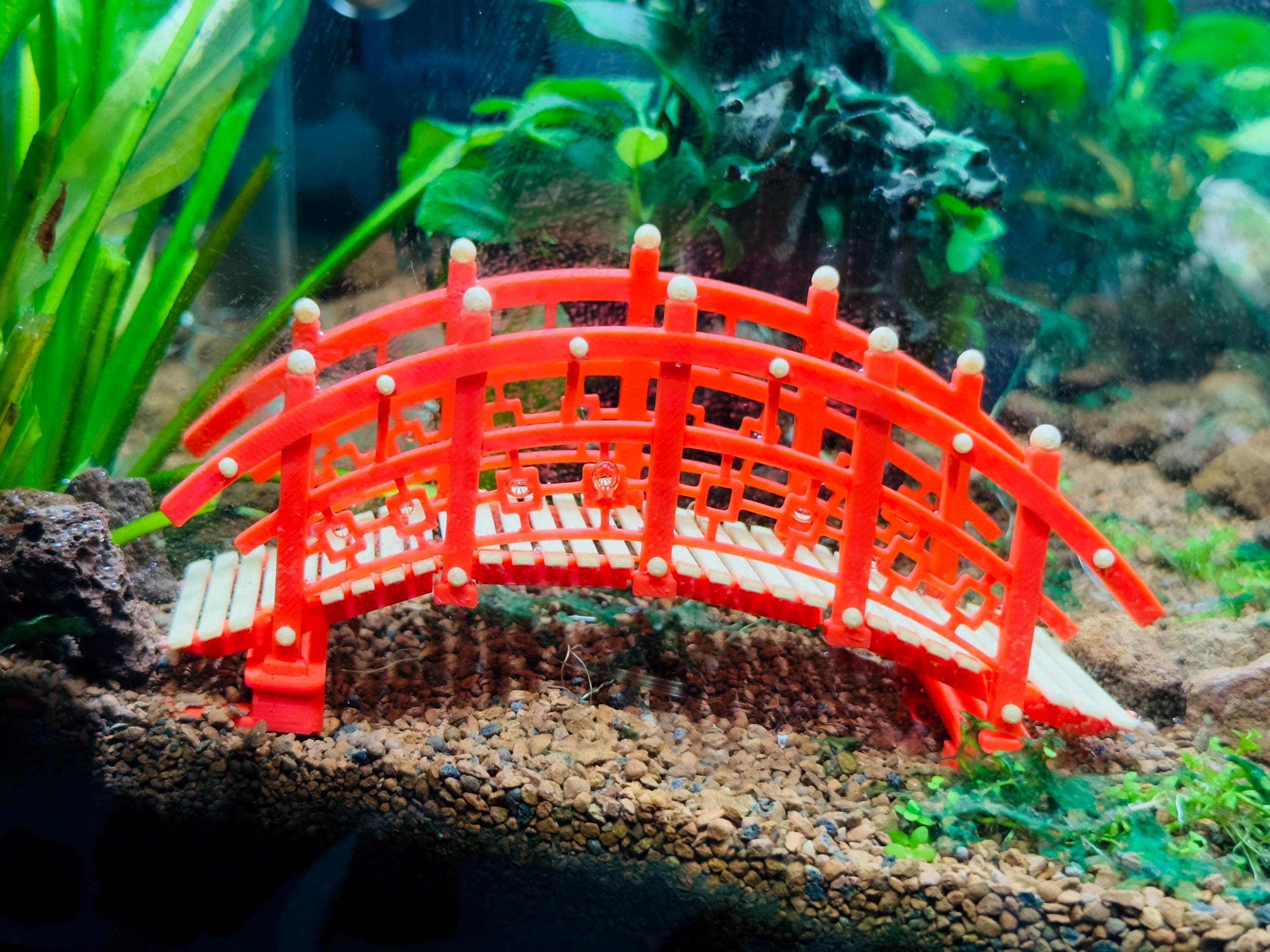
Combining Bridges With Lighting Effects
Lighting can change how bridges look in your tank. It highlights details and creates shadows. This makes the aquarium more captivating.
For a dramatic effect, try using LED lights. Place them under the bridge to cast enchanting shadows.
Credit: www.etsy.com
Frequently Asked Questions
What Are Aquarium Bridges Used For In Decoration?
Aquarium bridges add visual interest and depth to tank setups. They create a natural, serene environment. Bridges also provide hiding spots and pathways for fish, enhancing their activity and tank aesthetics.
How Do Aquarium Bridges Benefit Fish And Plants?
Bridges offer shelter and resting areas for fish, reducing stress. They create shaded zones that help plants thrive. These structures promote natural behavior, making the aquarium more lively and balanced.
What Materials Are Best For Aquarium Bridges?
Aquarium bridges are commonly made from resin, wood, or natural stones. Resin is durable and aquarium-safe. Wood offers a natural look but needs treatment. Stones provide a realistic, sturdy option.
Can Aquarium Bridges Improve Tank Aesthetics?
Yes, aquarium bridges enhance tank beauty by adding layers and texture. They create a focal point and complement plants and decorations. Bridges contribute to a realistic aquatic landscape, making the tank more captivating.
Conclusion
Aquarium bridges add charm and style to any fish tank. They create a natural look that fish and people enjoy. These decorations also provide hiding spots for shy fish. Simple to place, they fit well in many tank sizes. Choose a bridge that matches your tank’s theme.
Watch how your aquarium turns into a peaceful, beautiful scene. Small changes like this bring big joy to your underwater world. Try adding a bridge and see the difference it makes.