
Are you looking to make your aquascape thrive like never before? Adding CO2 injection to your aquarium could be the game-changer your plants need.
Imagine lush green leaves, faster growth, and a vibrant underwater garden that captures everyone’s attention. But how exactly does CO2 injection work, and is it right for your setup? Keep reading, because understanding this simple yet powerful technique can transform your aquascaping experience and bring your underwater world to life.

Credit: aquascapeshop.com
Benefits Of Co2 Injection
CO2 injection is a popular method used in aquascaping. It helps plants grow better by providing extra carbon dioxide. This boosts their overall health and appearance.
Adding CO2 to your aquarium supports natural plant processes. This makes your underwater garden look more lively and colorful.
Enhanced Plant Growth
Plants use carbon dioxide for photosynthesis. More CO2 means plants can make food faster. This leads to quicker and stronger growth.
CO2 injection helps plants grow dense leaves and long stems. It also supports root development for better nutrient uptake.
Improved Plant Health
CO2 keeps plants healthy by reducing stress. Healthy plants resist diseases and algae better. This creates a balanced aquarium environment.
When plants get enough CO2, they use nutrients more efficiently. This reduces nutrient waste and water problems.
Vibrant Colors And Foliage
CO2 injection brings out the best colors in aquatic plants. Leaves become brighter and more vivid. This adds beauty to your aquascape.
Stronger colors mean plants look fresh and alive. This makes your aquarium a stunning underwater scene.
Choosing The Right Co2 System
CO2 injection helps plants grow healthy and strong in aquascaping. Picking the right system makes your setup easier and more efficient.
Each CO2 system type has its pros and cons. This guide covers pressurized systems, DIY CO2 setups, and diffusers with reactors.
Pressurized Systems
Pressurized CO2 systems use a tank filled with compressed carbon dioxide. They offer steady and reliable CO2 release for aquariums of all sizes.
- Provide consistent CO2 levels
- Require a regulator to control flow
- Can be more expensive upfront
- Need refilling or tank replacement
- Work well for large or planted tanks
Diy Co2 Setups
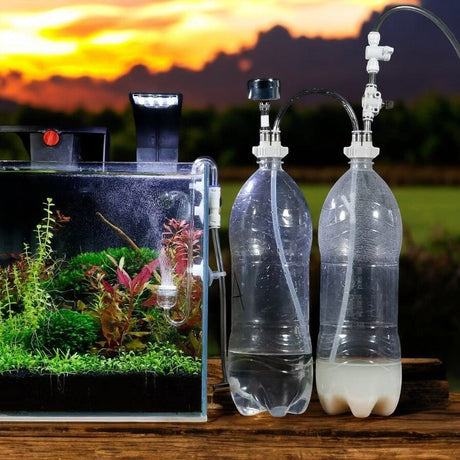
DIY CO2 setups use simple ingredients like yeast and sugar to create carbon dioxide. They are budget-friendly and good for beginners.
| Pros | Cons |
| Low cost | Unstable CO2 output |
| Easy to build | Needs frequent refills |
| Safe with household items | Not suitable for large tanks |
Diffusers And Reactors
Diffusers and reactors help dissolve CO2 into the water. Choosing the right one improves CO2 efficiency and plant growth.
- Glass diffusers create fine bubbles for better absorption.
- Plastic diffusers are affordable but less efficient.
- Inline reactors mix CO2 before water enters the tank.
- Bubble counters track CO2 flow and help adjust dosing.
Setting Up Co2 Injection
CO2 injection helps plants grow healthy in your aquascape. It adds carbon dioxide, which plants need for photosynthesis.
Setting up the system right keeps your aquatic plants green and strong.
Placement And Installation
Place the CO2 cylinder in a dry, stable place near the aquarium. Use a secure bracket or stand to avoid accidents.
Connect tubing from the CO2 regulator to a diffuser inside the tank. Make sure all connections are tight to prevent leaks.
- Keep the cylinder upright
- Avoid direct sunlight on the CO2 system
- Use a check valve to stop water from flowing back
- Place the diffuser where water flows well for better CO2 spread
Adjusting Co2 Levels
Start with low CO2 levels and increase slowly. Watch your plants and fish for signs of stress.
| CO2 Level (ppm) | Plant Growth | Fish Safety |
| 10-15 | Low | Safe |
| 20-30 | Good | Safe |
| 30-40 | Very Good | Watch Fish |
| Above 40 | High | Risky |
Timing And Duration
Run CO2 during the light period for plants to use it. Turn it off when lights go out to keep fish safe.
- Start CO2 injection 1 hour before lights on
- Keep CO2 on while lights are on
- Turn off CO2 1 hour before lights off
- Adjust duration based on plant needs

Credit: aquascapeshop.com
Monitoring And Maintenance
CO2 injection helps plants grow well in aquascapes. It is important to check and care for the system often. This keeps the tank healthy and plants strong.
Good monitoring helps you see if CO2 levels are right. Regular maintenance stops problems and keeps equipment working.
Measuring Co2 Concentration
Use a CO2 drop checker or tester to measure CO2 levels. These tools show if plants get enough gas for growth.
Keep CO2 levels between 20 and 30 ppm for most plants. Too much CO2 can harm fish and too little slows plant growth.
- Place the drop checker inside the tank
- Check it daily for color changes
- Adjust CO2 injection if color shows too high or low levels
Preventing Algae Growth
Algae grows fast if CO2 or light is not balanced. Watch for green or brown spots on plants and glass.
Keep CO2 steady and avoid too much light. Remove algae by hand or use algae-eating fish if needed.
- Monitor light time and intensity
- Keep CO2 level stable
- Clean algae regularly
- Use plants that grow fast to compete with algae
Regular Equipment Checks
Check CO2 tanks, tubes, and diffusers often. Look for leaks or blockages that stop CO2 flow.
Clean or replace parts as needed. A well-maintained system gives steady CO2 to the plants.
- Check CO2 tank pressure weekly
- Inspect tubes for cracks or bubbles
- Clean diffusers every month
- Replace worn parts quickly
Common Challenges And Solutions
Adding CO2 to your aquascape helps plants grow well. It also keeps the water healthy for fish.
Many people face problems when using CO2 injection. This guide covers common challenges and how to fix them.
Co2 Overdosing Risks
Too much CO2 can harm fish and plants. It lowers oxygen levels and can cause stress or death.
- Watch for fish gasping at the surface.
- Use a drop checker to monitor CO2 levels.
- Adjust CO2 flow to keep safe levels.
- Turn off CO2 at night when plants do not use it.
Balancing Light And Nutrients
Plants need the right light and nutrients with CO2. Too much light without enough nutrients causes algae.
| Factor | Too Much | Too Little |
| Light | Algae growth | Slow plant growth |
| Nutrients | Algae blooms | Yellow leaves |
| CO2 | Fish stress | Weak plants |
Troubleshooting Equipment Issues
CO2 equipment can stop working well. Common problems include leaks, blockages, and weak bubbles.
- Check all tubing for cracks or loose connections.
- Clean the diffuser to stop blockages.
- Replace the CO2 canister if empty or old.
- Use a bubble counter to check flow rate.
Credit: aquascapeshop.com
Advanced Tips For Aquascapers
Enhancing your aquascape with CO2 injection can make a big difference. It helps plants grow faster and makes your tank look vibrant.
Understanding how to integrate CO2 effectively is key. Here are some advanced tips to get the most out of your aquascaping efforts.
Optimizing Plant Species Selection
Choosing the right plants is crucial for a successful aquascape. Different plants have different CO2 needs.
- Fast-growing plants like Rotala benefit from high CO2 levels.
- Slow-growing species such as Anubias prefer stable CO2 conditions.
- Mix species for a balanced ecosystem.
Integrating Co2 With Fertilizers
CO2 works best when combined with the right fertilizers. This ensures plants get the nutrients they need.
| Fertilizer Type | Benefits |
| Liquid Fertilizer | Easy to dose, quickly absorbed |
| Root Tabs | Good for root feeders |
| Powdered Fertilizer | Cost-effective for large tanks |
Creating Stunning Aquascapes
Creating a visually appealing aquascape involves more than just plant placement. Lighting and hardscape materials also play a role.
Frequently Asked Questions
What Is Co2 Injection In Aquascaping?
CO2 injection is adding carbon dioxide to aquarium water. It promotes healthy plant growth and vibrant colors in aquascapes. This method mimics natural aquatic environments and boosts photosynthesis efficiency for aquatic plants.
Why Is Co2 Important For Aquarium Plants?
CO2 is essential for photosynthesis in aquatic plants. It helps plants produce energy and oxygen. Without enough CO2, plants grow slowly, look weak, and algae may take over the tank.
How Do I Set Up Co2 Injection System?
Install a CO2 cylinder, regulator, diffuser, and tubing. Adjust CO2 flow to maintain 20-30 ppm in water. Monitor levels regularly to avoid harming fish and plants.
Can Co2 Injection Harm Aquarium Fish?
Excessive CO2 can lower oxygen levels, stressing fish. Proper dosing and monitoring prevent harm. Keep CO2 within safe limits to ensure a healthy environment for fish and plants.
Conclusion
CO2 injection helps plants grow healthy and strong in aquariums. It supports green leaves and vibrant colors. Regular use keeps your aquascape balanced and lively. Remember to monitor CO2 levels for fish safety. Simple care brings beautiful underwater gardens to life.
Start small, watch your plants thrive, and enjoy the calm beauty.