
Are you setting up a juvenile tank and wondering where to place it? Choosing the right aquarium cabinet can make all the difference.
It’s not just about holding your tank; it’s about keeping your setup stable, organized, and looking great in your space. Imagine having everything you need within reach—filters, food, and tools—all neatly stored away. You’ll discover how the perfect aquarium cabinet can protect your young aquatic friends and simplify your care routine.
Keep reading to find out what features to look for and how to pick a cabinet that fits your needs perfectly.
Choosing The Right Cabinet
Picking the right aquarium cabinet helps keep your juvenile tank safe and stable. It also adds style to the room where you keep your fish.
Think about the cabinet’s materials, size, and how much weight it can hold. These factors make sure your tank stays in good shape.
Material Options
Cabinets come in many materials. Each type offers different strengths and looks. Choose one that fits your room and tank needs.
- Wood: Strong and classic, but can be damaged by water.
- Metal: Very durable but may rust if not coated well.
- MDF (Medium-Density Fiberboard): Affordable and smooth but less water-resistant.
- Plastic: Water-resistant and light, but not as strong for heavy tanks.
- Glass: Stylish but fragile and heavy.
Size And Dimensions
Measure your juvenile tank before buying a cabinet. The cabinet should fit the tank’s base perfectly to avoid accidents.
| Tank Size | Recommended Cabinet Width | Recommended Cabinet Depth |
|---|---|---|
| 10 gallons | 20 inches | 12 inches |
| 20 gallons | 24 inches | 12 inches |
| 30 gallons | 36 inches | 18 inches |
| 40 gallons | 36 inches | 18 inches |
Weight Capacity
Your cabinet must hold the tank’s full weight when filled with water, gravel, and decorations. Choose a cabinet with enough strength to avoid damage.
- Check the tank’s total weight when full.
- Look for cabinets with weight capacity higher than your tank’s full weight.
- Consider extra support if you add heavy decorations.
Designs That Complement Juvenile Tanks
Aquarium cabinets are key to supporting juvenile tanks. They add style and function to your setup. Choosing the right design helps create a perfect home for young fish.
This guide explores three cabinet design styles. Each style fits different tastes and needs for juvenile tanks.
Modern Styles
Modern aquarium cabinets offer sleek lines and simple shapes. They often use materials like metal and glass. These designs blend well with contemporary rooms and spaces.
- Smooth surfaces with minimal ornamentation
- Neutral colors like black, white, or gray
- Compact size to save space
- Hidden storage compartments
Classic Looks
Classic aquarium cabinets bring warmth and tradition. They often feature wood finishes and detailed craftsmanship. These cabinets suit homes with a cozy or vintage style.
| Wood Type | Finish | Style |
| Oak | Dark Stain | Elegant and sturdy |
| Pine | Light Varnish | Simple and natural |
| Cherry | Glossy | Rich and warm |
Customizable Features
Customizable cabinets let you tailor storage and design. They help fit the tank and your space perfectly. Many options improve both look and function.
- Adjustable shelves for equipment and supplies
- Built-in lighting mounts for better tank display
- Color options to match room decor
- Removable panels for easy cleaning and access
Maximizing Storage Space
A well-designed aquarium cabinet helps keep your juvenile tank area neat. It offers space for equipment and supplies. This makes caring for young fish easier.
Good storage solutions save room and reduce clutter. You can organize everything from food to cleaning tools in one place.
Shelves And Compartments
Shelves provide easy access to items you use often. Compartments help separate different supplies. This keeps the cabinet tidy and organized.
Adjustable shelves let you change space height. This fits larger or smaller items as needed.
- Store fish food in small compartments
- Keep nets and tools on open shelves
- Place water conditioners in easy-to-reach spots
Hidden Storage
Hidden storage areas help keep less used items out of sight. This keeps the cabinet looking clean and simple. Drawers or cabinets with doors work well for this.
Use hidden spaces for chemicals or backup supplies. This protects children and pets from harmful materials.
- Keep cleaning chemicals in locked drawers
- Store extra filters in closed cabinets
- Hide small tools inside pull-out trays
Cable Management
Proper cable management prevents tangles and keeps your space safe. Use clips or hooks inside the cabinet to hold wires in place.
Organize power cords from filters, lights, and heaters. This reduces risk of damage or accidents.
- Label cables to identify each device
- Bundle wires with ties to avoid mess
- Route cables away from water sources
Durability And Maintenance
A good aquarium cabinet for juvenile tanks should last long and stay strong. It must handle water and daily use without damage.
Proper care keeps the cabinet looking nice and working well for years. This helps protect your tank and fish.
Water Resistance
Water resistance is key for cabinets near aquariums. It stops moisture from soaking into the wood or material.
Look for cabinets made with water-resistant finishes or sealed surfaces. These prevent warping and swelling.
- Use waterproof paint or sealant
- Choose materials like PVC or treated wood
- Avoid gaps where water can enter
Cleaning Tips
Regular cleaning keeps the cabinet free from dust and dirt. It also prevents mold and mildew growth.
Use a soft cloth with mild soap and water. Avoid harsh chemicals that can damage finishes.
- Wipe spills immediately
- Dust cabinet weekly
- Dry surfaces after cleaning
Longevity
Good cabinets last many years with proper care. Choosing strong materials helps the cabinet resist wear.
Keep the cabinet away from direct sunlight and extreme temperatures. This prevents fading and cracking.
- Use sturdy wood or metal frames
- Apply protective finishes regularly
- Handle the cabinet gently during moves
Safety Considerations
Keeping juvenile tanks safe is very important. The aquarium cabinet must protect the tank and the people around it.
Good safety features help prevent accidents and keep the tank stable. This ensures a safe environment for children and pets.
Stable Support
The cabinet must hold the tank firmly without wobbling. A strong base stops the tank from tipping over.
Check the cabinet’s weight capacity before placing the tank on it. Use levelers if the floor is uneven.
- Use strong, durable materials for the cabinet
- Make sure all legs or supports touch the floor evenly
- Place the cabinet on flat, stable ground
Childproofing Options
Children are curious and may try to open or climb the cabinet. Childproofing keeps them safe from harm.
Locking features and rounded edges reduce risks. Keep cleaning supplies and tools out of reach.
- Install child-safe locks on doors and drawers
- Use corner guards to cover sharp edges
- Store harmful items in high or locked compartments
Secure Doors And Latches
Doors and latches must stay closed to protect the tank and prevent spills. Loose doors can cause accidents.
Choose strong latches that are easy for adults but hard for kids to open. Regularly check for wear and tear.
- Use magnetic or keyed locks for extra security
- Check hinges and latches for tightness often
- Replace broken parts immediately

Credit: www.thebrick.com
Budget-friendly Choices
Creating a cabinet for juvenile tanks can be affordable. You can find budget-friendly options that still look great.
Let’s explore materials, DIY ideas, and where you can buy them without breaking the bank.
Affordable Materials
Using affordable materials helps you save money. Many materials work well for aquarium cabinets.
- Plywood is cheap and easy to paint.
- Particle board is budget-friendly and sturdy.
- Recycled wood can be eco-friendly and low-cost.
Diy Cabinet Ideas
Building your own cabinet can be fun. You can create a unique piece that fits your style.
Consider simple designs to keep costs low. Use basic tools for construction.
- Build a cabinet with shelves for extra storage.
- Use a wooden crate for a rustic look.
- Add wheels for easy movement.
Where To Buy
Finding the right place to buy materials saves money. Look for sales and discounts.
Here are some places to consider for your aquarium cabinet needs.
- Local hardware stores often have sales.
- Online marketplaces offer competitive prices.
- Check thrift stores for second-hand materials.
Enhancing Aquarium Aesthetics
An aquarium cabinet for juvenile tanks can transform any space. It enhances the beauty of the aquarium. This guide helps you make your aquarium look better.
Consider color coordination, lighting, and decorative elements. These aspects improve the visual appeal of your aquarium cabinet.
Color Coordination
Colors can change the look of your aquarium. Choose colors that match your room’s theme. This creates a harmonious look.
- Use light colors to make spaces feel larger.
- Dark colors add a touch of elegance.
- Natural wood tones create a warm atmosphere.
Lighting Integration
Lighting is crucial for aquarium aesthetics. It highlights tank features and creates ambiance. Use adjustable lights for different effects.
Ensure lights do not overheat. Proper lighting supports healthy plant and fish life.
Decorative Elements
Decorative elements add character to your aquarium. Use stones, plants, and ornaments. They make the tank environment more engaging.
- Choose elements that are safe for fish.
- Mix natural and artificial decorations for variety.
- Avoid overcrowding the tank with too many items.
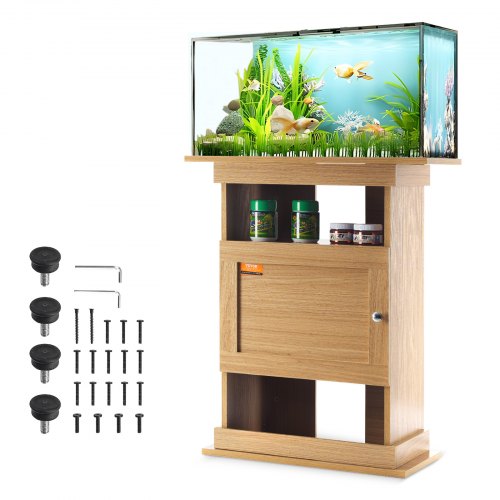
Credit: www.vevor.ca

Credit: www.amazon.ca
Frequently Asked Questions
What Size Aquarium Cabinet Fits Juvenile Tanks Best?
A cabinet matching the tank’s base size offers optimal support. Juvenile tanks usually need compact, sturdy cabinets for stability and durability.
How To Choose Materials For Juvenile Tank Cabinets?
Select water-resistant materials like treated wood or metal. These resist humidity and prevent damage, ensuring a long-lasting aquarium cabinet.
Can Aquarium Cabinets Store Juvenile Tank Supplies?
Yes, many cabinets have storage compartments. They help organize fish food, cleaning tools, and water conditioners neatly and conveniently.
Are Aquarium Cabinets Necessary For Juvenile Tanks?
While not mandatory, cabinets enhance tank stability and aesthetics. They also provide extra storage, making maintenance easier and safer.
Conclusion
Choosing the right aquarium cabinet helps keep juvenile tanks stable and safe. It offers strong support and useful storage space. A good cabinet makes cleaning and feeding easier every day. It also protects your tank from damage or spills. Investing time in picking the best cabinet pays off in the long run.
Your young fish will grow happy in a well-set home. Simple, sturdy, and practical—these cabinets suit any beginner or expert. A smart choice for a healthy, beautiful aquarium display.