
Setting up a fish tank for saltwater breeding can seem tricky at first, but with the right steps, you can create a thriving environment for your marine life. If you want healthy, vibrant fish and successful breeding, your tank setup is the key.
Imagine watching your saltwater fish grow and multiply, right in your own home. This guide will walk you through everything you need to know, making the process simple and enjoyable. Keep reading to discover how to build the perfect saltwater breeding tank that meets your fish’s needs and makes your aquarium a stunning underwater world.

Credit: seatechaquariums.com
Choosing The Right Tank
Setting up a saltwater breeding tank starts with choosing the right tank. The tank needs to fit the space and the needs of your fish.
Think about size, material, and where to place the tank before buying. These factors help your fish live healthy and grow well.
Tank Size And Shape
Saltwater fish need space to swim and grow. Bigger tanks hold more water, which is more stable and easier to keep clean.
- Choose a tank at least 30 gallons for breeding
- Long tanks give more swimming room
- Tall tanks can be harder to maintain
- Wide tanks allow better access to equipment
Material Options
Tanks come in glass and acrylic. Each has good and bad points for saltwater breeding.
| Material | Pros | Cons |
| Glass | Scratch resistant, clear view | Heavier, can break |
| Acrylic | Lighter, better insulation | Scratches easily, expensive |
Placement Considerations
Where you put the tank affects your fish and your work. Choose a spot with stable temperature and no direct sunlight.
- Keep away from windows to avoid algae growth
- Place on a strong, level surface
- Easy access for feeding and cleaning
- Near power outlets for filters and lights
Essential Equipment
Setting up a fish tank for saltwater breeding needs the right equipment. Good tools keep the water clean and the fish healthy.
This guide covers key equipment to help you start your saltwater breeding tank with success.
Filtration Systems
Filtration removes waste and keeps water clear. A good filter mimics natural water cleaning.
- Mechanical filters trap debris and particles.
- Chemical filters remove toxins and impurities.
- Biological filters grow helpful bacteria to break down waste.
Lighting Requirements
Light helps corals and plants grow. It also supports fish health and breeding habits.
| Light Type | Purpose | Recommended Duration |
| LED | Energy efficient and bright | 8 to 10 hours daily |
| Fluorescent | Good for coral growth | 8 to 12 hours daily |
| Metal Halide | Strong light for deep tanks | 6 to 8 hours daily |
Heaters And Thermometers
Saltwater fish need stable temperatures. Use heaters to keep water warm and thermometers to check heat.
- Choose heaters with automatic shut-off for safety.
- Place thermometers where you can easily see them.
- Keep temperature between 75°F and 80°F for most saltwater fish.
Water Movement And Aeration
Water movement brings oxygen to fish and stops waste buildup. Aeration adds air to water for breathing.
Use these devices to improve water flow and oxygen:
- Powerheads for strong water currents
- Wave makers to mimic ocean waves
- Air pumps with air stones for bubbles and oxygen
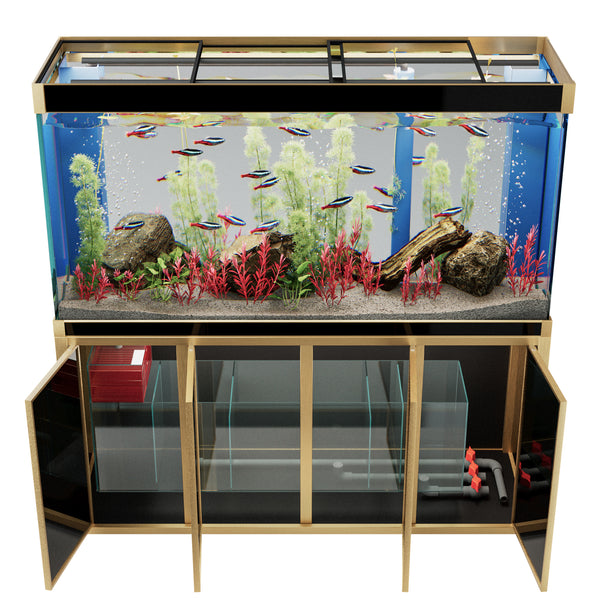
Water Quality Management
Managing water quality is key for a healthy saltwater breeding tank. Good water supports fish growth and prevents diseases.
Regular checks and care keep the tank stable and safe for breeding saltwater fish.
Saltwater Preparation
Use pure salt mix and clean water to prepare the saltwater. Mix salt and water well to reach the right salinity before adding fish.
Testing Parameters
| Parameter | Ideal Range | Why It Matters |
|---|---|---|
| Salinity (ppt) | 30-35 | Maintains fish osmotic balance |
| pH | 8.0-8.4 | Ensures stable chemical environment |
| Ammonia (ppm) | 0 | Toxic at any level |
| Nitrite (ppm) | 0 | Harmful to fish gills |
| Nitrate (ppm) | <20 | High levels stress fish |
| Temperature (°F) | 75-82 | Supports fish metabolism |
Maintaining Stable Conditions
- Use a quality heater and thermometer to control temperature.
- Keep lighting consistent for regular day-night cycles.
- Run a good filtration system to remove waste.
- Monitor water parameters daily with test kits.
- Do not overcrowd the tank to reduce stress.
Water Changes
Regular water changes remove harmful chemicals and keep water fresh. Replace 10-20% of tank water weekly using prepared saltwater.
- Match new water temperature and salinity to tank water.
- Use a siphon to remove debris from the substrate.
- Do not change too much water at once to avoid stressing fish.
- Check water parameters after each change.
Credit: aquadreamusa.com
Selecting Breeding Species
Choosing the right fish species is key for a saltwater breeding tank. The species must fit well together and breed successfully.
Knowing each species’ needs helps create a healthy environment for breeding.
Compatible Fish Types
Pick fish that live peacefully with each other. Some saltwater fish can be aggressive or eat eggs.
Look for species that share similar water needs and temperatures.
- Clownfish – peaceful and easy to breed
- Gobies – small and calm
- Cardinalfish – gentle and good parents
- Damsels – hardy but watch for aggression
- Blennies – usually peaceful and adaptable
Breeding Behavior Traits
Learn how fish breed and care for their eggs. Some guard eggs, while others scatter them.
Choose species with clear breeding habits for easier care.
- Egg layers – lay eggs on surfaces or plants
- Livebearers – give birth to live young
- Bubble nesters – build nests to protect eggs
- Pair spawners – mate in pairs and guard eggs
Pairing And Grouping
Some fish breed better in pairs. Others need small groups for natural behavior.
Separate aggressive fish to avoid stress and harm.
- Keep one male and one female for pair spawners
- Use small groups for species that live in schools
- Watch for fighting or dominance issues
- Provide hiding spots to reduce stress
Aquascaping For Breeding
Setting up a saltwater tank for breeding needs careful aquascaping. The right layout helps fish feel safe and encourages breeding behavior.
Focus on choosing the right substrate, adding decor and hiding spots, and placing live rock and coral correctly for best results.
Substrate Choices
Substrate affects water quality and fish comfort. Use fine sand or crushed coral to mimic the natural environment. Avoid sharp gravel that can hurt fish or eggs.
- Fine sand helps small eggs stay safe on the bottom.
- Crushed coral raises pH and hardness, good for saltwater fish.
- Avoid dark substrates if you want to see eggs clearly.
- Rinse substrate well before adding it to the tank.
Decor And Hiding Spots
Fish need places to hide and rest. Decor creates shelter, reducing stress and boosting breeding chances. Use caves, tubes, or PVC pipes.
| Type of Decor | Purpose |
| Clay pots | Safe hiding and breeding spots |
| PVC pipes | Easy to clean and arrange |
| Caves and tunnels | Protect eggs and fry from predators |
| Plants | Offer cover and improve water quality |
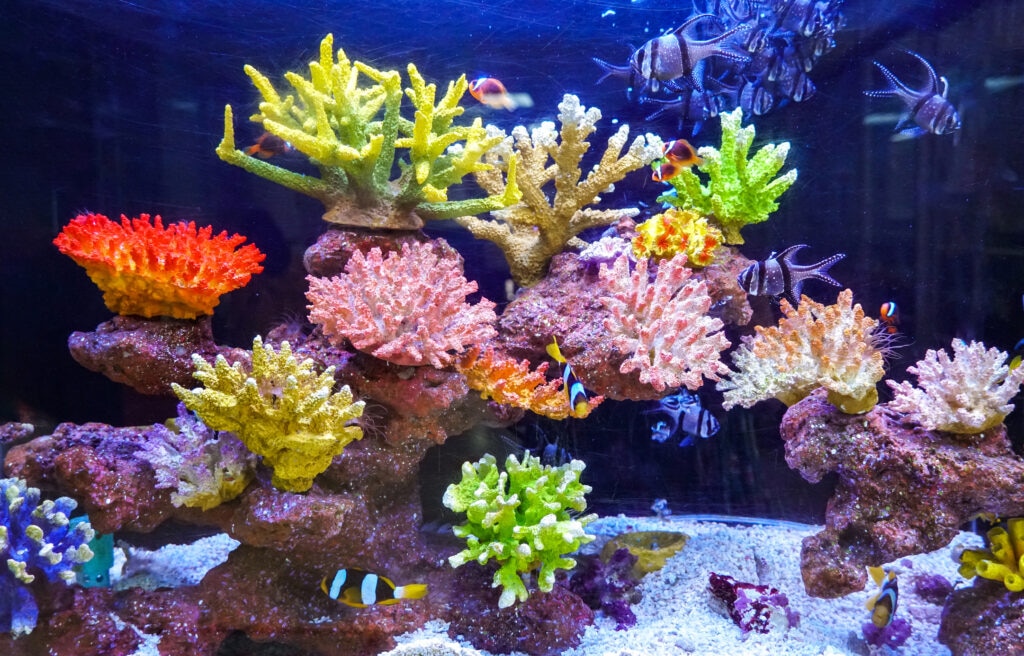
Live Rock And Coral
Live rock and coral add natural beauty and function. They provide surfaces for algae and microorganisms that fish eat. They also create shelter and breeding areas.
Tips for using live rock and coral:
- Arrange rocks to form caves and crevices.
- Place coral away from aggressive fish.
- Use live rock to help maintain water quality.
- Clean rocks carefully to avoid harming beneficial bacteria.
Credit: www.chewy.com
Feeding And Nutrition
Setting up a fish tank for saltwater breeding requires careful planning. Feeding and nutrition play a crucial role in the health of breeding fish.
Understanding their diet and feeding habits will help ensure successful breeding. Let’s explore some key aspects of feeding and nutrition for breeding fish.
Diet For Breeding Fish
A balanced diet is essential for breeding fish. It helps in growth, energy, and reproduction. Include a mix of proteins, fats, and vitamins.
- Protein-rich foods like brine shrimp and bloodworms
- Fatty acids from fish oil supplements
- Vitamins from algae and seaweed
Feeding Frequency
Feeding frequency is vital to prevent overfeeding. Overfeeding can lead to poor water quality and health issues.
| Fish Type | Feeding Frequency |
| Juvenile Fish | 3-4 times a day |
| Adult Fish | 2 times a day |
| Breeding Pair | 2-3 times a day |
Supplementing With Live Foods
Live foods offer natural nutrients and simulate the fish’s natural diet. They are excellent for breeding fish as they enhance vitality and reproduction.
Breeding Process And Care
Setting up a fish tank for saltwater breeding requires careful planning. Fish breeding involves understanding their natural behaviors and needs.
Proper care and monitoring ensure healthy breeding and fry development. Let’s explore the key aspects of the process.
Spawning Triggers
Spawning triggers are essential for starting the breeding process. These factors mimic the natural conditions of fish habitats.
- Adjust water temperature to mimic seasonal changes.
- Provide adequate lighting to simulate day and night cycles.
- Ensure the tank has enough space for the fish to swim.
Egg And Fry Care
Once the eggs are laid, they need protection. Fry are delicate and require special care to grow into healthy fish.
| Stage | Care Required |
| Egg | Keep water clean and oxygenated |
| Fry | Feed small, nutrient-rich food |
| Juvenile | Gradually introduce to larger tank |
Monitoring Health
Regular monitoring helps detect health issues early. Observing fish behavior is key to ensuring a thriving tank environment.
Install a digital thermometer to track temperature changes.
Use water testing kits to check for pH and ammonia levels.
Common Challenges
Setting up a saltwater fish tank for breeding can be rewarding but tricky. Many challenges can affect the health and growth of your fish. Knowing these problems helps you prepare better.
This guide covers common issues like disease prevention, aggression among fish, and water problems. Each section offers tips to keep your tank stable and safe.
Disease Prevention
Diseases spread fast in saltwater tanks. It is important to keep the tank clean and fish healthy to avoid outbreaks. Quarantine new fish before adding them to the main tank.
- Regularly test water quality for ammonia and nitrites
- Remove dead plants and uneaten food quickly
- Use a quarantine tank for new or sick fish
- Keep tank temperature stable and suitable for breeding species
- Perform partial water changes weekly to reduce pathogens
Dealing With Aggression
Aggressive fish can harm others and disrupt breeding. Some species show territorial behavior that causes fights. Watch your fish closely and separate aggressive ones if needed.
| Cause | Effect | Solution |
| Overcrowding | Increased fights and stress | Reduce fish number or increase tank size |
| Territorial species | Chasing and biting other fish | Provide hiding spots and separate aggressive fish |
| Breeding behavior | Parents may attack others | Use breeding tanks or barriers |
Troubleshooting Water Issues
Water quality is key for saltwater breeding tanks. Wrong pH, salinity, or temperature can harm fish and eggs. Check water parameters daily and fix any problems fast.
- High ammonia:Change 25% of water and check filter.
- Low salinity:Add marine salt mix carefully.
- Wrong pH:Use buffers to adjust pH between 8.0 and 8.4.
- Temperature swings:Use a heater and thermometer to keep 75-80°F.
- Cloudy water:Clean substrate and check for dead matter.
Advanced Tips For Success
Setting up a fish tank for saltwater breeding needs careful planning. You must create the best conditions for your fish to breed well.
This guide offers advanced tips to help you improve your saltwater breeding setup. These tips will help you raise healthy fish.
Using Breeding Traps
Breeding traps help separate breeding fish from others. This protects eggs and fry from getting eaten.
Use traps that fit your tank size. Place them where water flow is gentle to keep eggs safe. Check traps often to remove debris.
- Choose traps with smooth edges to avoid injury
- Use mesh sizes that keep fry inside but allow water flow
- Place traps near hiding spots to reduce stress
Selective Breeding Techniques
Selective breeding helps improve fish traits like color, size, and health. Choose parents with the best qualities.
Keep breeding pairs separate to control which fish mate. Avoid breeding closely related fish to prevent health problems.
- Pick strong, healthy fish for breeding
- Observe fish behavior to select good breeders
- Record traits of each generation for better selection
Record Keeping
Good records help track breeding success and fish health. Note dates, pairings, and offspring details.
Use a notebook or digital tool to keep information organized. This helps you learn what works best in your setup.
- Write down breeding dates and results
- Track water conditions and changes
- Note any health issues or abnormalities
Frequently Asked Questions
What Size Tank Is Ideal For Saltwater Breeding?
A 30 to 50-gallon tank is suitable for beginners. It provides enough space for fish to breed and grow. Larger tanks offer better stability and water quality control.
How To Maintain Water Quality For Saltwater Breeding?
Regular water changes and testing are essential. Use a protein skimmer and quality filtration. Keep salinity, temperature, and pH stable for healthy breeding conditions.
Which Saltwater Fish Breed Easily In Captivity?
Clownfish, gobies, and dottybacks are popular. They adapt well to tank conditions and breed with proper care. Research specific species requirements before starting.
What Equipment Is Necessary For Saltwater Breeding Tanks?
Essential gear includes a heater, protein skimmer, and quality filtration. Lighting and live rock provide a natural habitat. Monitoring tools help maintain ideal water parameters.
Conclusion
Setting up a saltwater fish tank for breeding takes patience and care. Keep water clean and stable for healthy fish. Choose the right tank size and equipment to support growth. Regularly check water quality and make small changes slowly. Provide hiding spots and proper lighting for comfort.
Watch your fish closely to spot problems early. Enjoy the rewarding experience of raising saltwater fish. Care and attention help your breeding tank thrive.