
If you have shy fish in your aquarium, you know how tricky it can be to create a space where they feel safe and comfortable. Aquascaping isn’t just about making your tank look beautiful—it’s about designing a home that helps your fish thrive.
Imagine your shy fish finally coming out of hiding, exploring freely, and showing off their colors. This guide will help you transform your aquarium into a peaceful retreat tailored to your fish’s needs. Ready to learn the secrets of aquascaping for shy fish?
Keep reading, and discover how small changes can make a big difference.
Choosing Plants For Shelter
Aquascaping for shy fish means creating safe spaces. Plants provide shelter and reduce stress.
Choosing the right plants helps shy fish hide and feel secure in the aquarium.
Dense Foliage Varieties
Plants with thick leaves and many branches offer great hiding spots. They protect shy fish from bright light and open spaces.
Good dense foliage plants include Java Fern, Anubias, and Cryptocoryne. These plants grow well underwater and create safe areas.
- Java Fern has wide leaves that block light
- Anubias grows slowly with strong leaves
- Cryptocoryne forms thick clusters for hiding
Floating Plants Benefits
Floating plants hang on the water surface and cast shade below. This lowers light and helps shy fish feel hidden.
They also reduce water movement, creating calm zones. Common floating plants are Duckweed, Frogbit, and Water Lettuce.
- Duckweed grows fast and covers the surface
- Frogbit has roots that hang down for shelter
- Water Lettuce forms thick mats for shade
Plant Placement Tips
Place dense plants near aquarium corners and behind decorations. This creates quiet spaces for shy fish.
Use floating plants above to soften bright lights. Avoid open areas without plants to keep fish safe.
- Group plants to form natural hiding spots
- Keep open swimming areas in the center
- Use tall plants at the back, short ones in front

Credit: www.youtube.com
Incorporating Natural Decorations
Aquascaping for shy fish means creating a calm and safe environment. Natural decorations help fish feel secure and reduce stress.
Using items like driftwood, rocks, caves, and soft substrates makes the tank look natural. These elements give fish places to hide and explore.
Using Driftwood And Rocks
Driftwood and rocks create natural shapes and hiding spots in the aquarium. They also add texture and interest to the tank layout.
Choose smooth driftwood and rounded rocks to avoid sharp edges. This protects shy fish from injuries and helps them feel safe.
- Place driftwood vertically or horizontally for variety
- Use rocks to build natural barriers or shelves
- Clean decorations before adding them to the tank
Creating Caves And Tunnels
Caves and tunnels give shy fish places to hide and rest. These spaces reduce stress and encourage natural behavior.
You can build caves using rocks or hollow driftwood. Make sure entrances are wide enough for your fish to swim through easily.
- Use stacked rocks to form small caves
- Hollow driftwood can serve as natural tunnels
- Keep caves stable to prevent collapse
Soft Substrate Choices
Soft substrates like sand or fine gravel are gentle on shy fish. They allow fish to dig and move comfortably.
Avoid sharp or rough substrates. Soft bedding helps shy fish feel secure and prevents injuries to their fins and bodies.
- Use fine sand for bottom dwellers
- Choose smooth gravel for easy cleaning
- Keep substrate depth shallow to moderate
Lighting For Comfort
Aquascaping for shy fish needs careful lighting choices. Bright lights can stress these fish and hide their natural behavior.
Setting the right light helps fish feel safe and show their true colors. This guide covers low light options, shaded areas, and light adjustment.
Low Light Options
Choose light bulbs that emit soft, low light. LED lights with adjustable brightness work well. Avoid harsh, direct lighting that can scare shy fish.
- Use daylight or warm white LEDs at low brightness
- Install dimmable lights to control intensity
- Try blue or green spectrum lights for calm effects
- Turn off aquarium lights during the night
Shaded Areas Creation
Shy fish need places to hide from bright light. Adding plants, rocks, or decorations can create shaded spots.
| Shading Method | Benefit |
|---|---|
| Live Plants | Softens light and offers hiding places |
| Floating Plants | Blocks some overhead light |
| Rocks and Driftwood | Creates shadows and shelter |
| Decorative Caves | Secure hiding spots for fish |
Adjusting Light Intensity
Change light levels gradually to avoid stressing fish. Use timers and dimmers to set a day-night cycle that feels natural.
- Start with low brightness in the morning
- Increase light slowly during the day
- Lower brightness toward evening
- Turn off lights for at least 8 hours at night
Tank Layout Strategies
Aquascaping for shy fish needs careful tank layout. The design should create safe spaces and reduce stress.
This guide covers key strategies to help shy fish feel comfortable in their home.
Zoning For Privacy
Zoning means dividing the tank into private areas. These zones give shy fish places to hide and relax.
Use plants, rocks, and decorations to create natural barriers. These zones reduce fish stress and encourage natural behavior.
- Place tall plants in corners for hiding spots
- Use driftwood or stones to build caves
- Leave open swimming space near the center
- Keep zones balanced to avoid overcrowding
Open Vs. Covered Spaces
Shy fish need both open and covered areas in the tank. Open spaces let them swim freely.
Covered spaces offer shelter from light and movement. These areas help fish feel safe and less exposed.
- Open spaces should be clear and calm
- Covered spaces can include plants and caves
- Balance both to suit shy fish habits
- Adjust covers based on fish behavior
Flow And Current Control
Shy fish prefer gentle water flow. Strong currents cause stress and hideout behavior.
Arrange filters and pumps to create calm zones. Use plants or decorations to break up water movement.
- Place filter output away from shy fish zones
- Use floating plants to reduce surface flow
- Add rocks or wood to slow down currents
- Keep water flow steady but soft
Behavioral Considerations
Aquascaping can create a safe space for shy fish. Understanding their behavior helps you design a better tank. Fish feel more secure in environments that meet their needs.
This guide covers key points about stress signals, encouraging exploration, and keeping the environment steady for shy fish.
Recognizing Stress Signals
Shy fish show clear signs when stressed. Watch for changes in color, hiding often, or staying still. These signals mean the fish feels unsafe or uncomfortable.
- Faded or dull colors
- Hiding behind plants or decorations
- Slow or no movement
- Loss of appetite
- Rapid gill movement
Encouraging Exploration
Shy fish need time and space to explore. Use hiding spots and open areas to help them feel safe. Light plants and gentle water flow invite fish to move around.
Tips to Encourage Exploration:
- Place small caves or tunnels in different spots
- Use soft lighting to reduce stress
- Provide gentle water currents for natural movement
- Arrange plants to create paths and open spaces
Maintaining Consistent Environment
Shy fish need a stable tank to stay calm. Sudden changes in temperature, light, or water quality cause stress. Keep a regular schedule for feeding and cleaning.
| Factor | Ideal Condition | Effect of Change |
|---|---|---|
| Water Temperature | Consistent within species range | Stress and illness |
| Lighting | Stable, soft light cycles | Fear and hiding |
| Feeding Times | Same time daily | Reduced appetite |
| Tank Cleaning | Regular but gentle | Disruption and stress |
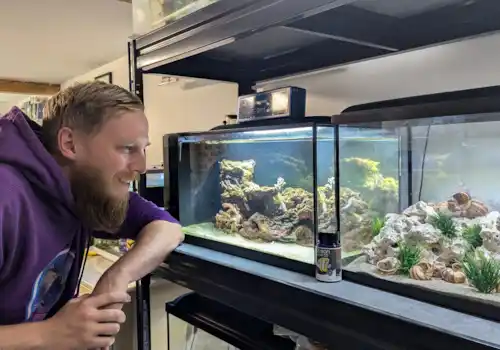
Credit: www.practicalfishkeeping.co.uk
Maintenance Tips For Peaceful Habitat
Aquascaping for shy fish creates a tranquil environment. Proper maintenance keeps their habitat peaceful and stress-free.
Learn how to maintain an aquascape with minimal disruptions. Follow these simple tips to ensure a serene home for your fish.
Gentle Cleaning Techniques
Cleaning the tank can disturb shy fish. Use gentle techniques to keep them calm.
Use soft brushes and slow movements. Avoid sudden water changes. Gradual cleaning helps keep fish stress-free.
- Clean small sections at a time
- Use a soft sponge for algae
- Rinse tools in tank water
Water Quality Management
Good water quality is crucial for shy fish. Keep the water clean and balanced.
Test water regularly for pH, ammonia, and nitrates. Use filters to maintain water purity. Change water gradually to avoid stress.
| Parameter | Ideal Range |
| pH | 6.5 – 7.5 |
| Ammonia | 0 ppm |
| Nitrates | 0 – 20 ppm |
Minimizing Disruptions
Shy fish need a stable environment. Minimize disruptions to their habitat.
Limit rearranging decorations and plants. Keep the tank in a quiet area. Regular feeding schedules help maintain calmness.
- Avoid loud noises near the tank
- Do not tap on the glass
- Introduce new fish slowly

Credit: www.aqqapet.com
Frequently Asked Questions
What Is Aquascaping For Shy Fish?
Aquascaping for shy fish involves designing a tank with hiding spots and gentle lighting. This reduces stress and encourages natural behavior. Plants, caves, and driftwood provide comfort and security, making shy fish feel safe and more active in their environment.
How Does Aquascaping Benefit Shy Fish Behavior?
Aquascaping creates a natural habitat with plenty of cover. This helps shy fish feel protected and less exposed to threats. Proper aquascaping reduces stress, promotes healthy activity, and enhances their overall well-being and confidence in the aquarium.
Which Plants Are Best For Shy Fish Aquascaping?
Dense, bushy plants like Java moss, Anubias, and Cryptocoryne are ideal. These plants offer shelter and hiding places. They create a calm, natural environment that helps shy fish feel secure and encourages them to explore.
How To Arrange Aquascape For Shy Fish Comfort?
Place plants and decorations to form hiding spots and shaded areas. Avoid open spaces that make fish feel exposed. Use layered planting and caves to mimic natural habitats, providing safe zones that reduce fish stress.
Conclusion
Creating a calm space helps shy fish feel safe and relaxed. Use plants, rocks, and hiding spots to build their world. Keep the water clean and stable for their comfort. Watch them slowly explore and grow more confident each day.
Patience is key; shy fish need time to trust. Enjoy the peaceful beauty of a well-planned aquascape. This approach makes your aquarium a happy home for all fish.