
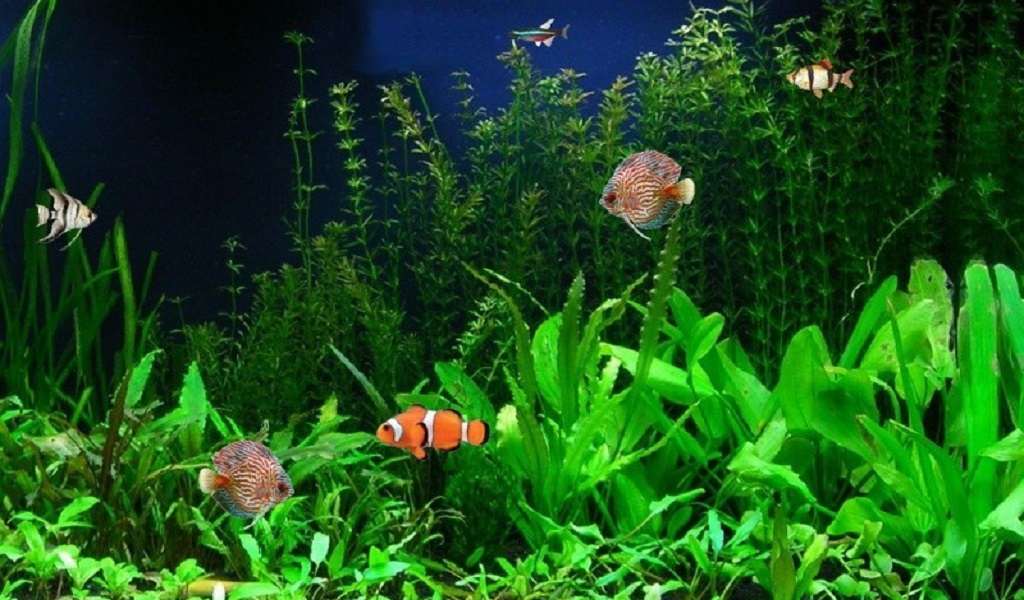
Setting up a fish tank for peaceful fish can be one of the most rewarding experiences you’ll enjoy. You want your fish to thrive in a calm, stress-free environment where they can swim happily without any trouble.
But how do you create that perfect space? The right setup can make all the difference in keeping your fish healthy and calm. In this guide, you’ll discover simple yet powerful tips to design a tank that feels like a safe haven for your peaceful fish.
Keep reading, and you’ll learn how to transform your aquarium into a serene underwater world your fish will love.
Credit: www.hygger-online.com
Choosing Peaceful Fish Species
Setting up a fish tank with peaceful fish creates a calm and beautiful environment. Choosing the right species helps keep harmony in your aquarium.
Peaceful fish get along well with others and do not cause stress or harm. This makes them great for beginners and community tanks.
Top Peaceful Fish For Beginners
Some fish are gentle and easy to care for. These fish suit new hobbyists and small community tanks.
- Neon Tetras – Small, colorful, and calm swimmers.
- Guppies – Hardy fish with bright colors and peaceful behavior.
- Corydoras Catfish – Bottom dwellers that clean the tank quietly.
- Platies – Easy to care for and social with other fish.
- Harlequin Rasboras – Peaceful fish with a striking orange color.
Compatibility Tips
Choose fish that share similar water needs like temperature and pH. This helps them stay healthy together.
Mix fish of similar size to avoid bullying. Add plenty of hiding places to reduce stress.
- Keep fish with similar swimming levels (top, middle, bottom).
- Avoid overcrowding to prevent fights.
- Watch fish behavior regularly to spot issues early.
- Introduce new fish slowly to reduce stress.
Avoiding Aggressive Species
Some fish are naturally aggressive and can harm peaceful species. Avoid adding these fish to your tank.
Check the temperament of any fish before buying. Aggressive fish may chase or nip peaceful fish.
- Cichlids (many types) tend to be territorial and aggressive.
- Betta males often fight with other fish.
- Oscar fish grow large and may bully smaller fish.
- Some Barbs can be fin nippers and aggressive.
Selecting The Right Tank
Choosing the right fish tank is key for peaceful fish to thrive. The tank affects their health and comfort.
Think about size, shape, material, and where you place the tank in your home.
Ideal Tank Size
Peaceful fish need enough space to swim and hide. Too small a tank causes stress and illness.
- Small fish need at least 10 gallons of water
- Medium fish should have tanks of 20 gallons or more
- Large or many fish require 30 gallons or higher
- A bigger tank keeps water stable and clean longer
Tank Shape And Material
The tank’s shape changes how fish swim and how you clean it. Material affects durability and clarity.
| Shape | Benefits | Drawbacks |
| Rectangular | More swimming space, easy to decorate | Needs more floor space |
| Bow Front | Good viewing angle, stylish look | Harder to clean corners |
| Cylindrical | Unique style, good for small spaces | Less swimming room, harder to decorate |
| Glass | Clear view, scratch-resistant | Heavier, can break on impact |
| Acrylic | Lighter, more impact-resistant | Scratches easily, less clear over time |
Placement And Lighting
Where you put the tank affects fish health and your viewing pleasure. Light helps plants but too much harms fish.
Follow these tips for tank placement and lighting:
- Place tank away from direct sunlight to avoid algae growth
- Keep tank on a sturdy, level surface to prevent accidents
- Use LED lights that mimic natural daylight for 8-10 hours daily
- Adjust light intensity to match fish and plant needs
- Ensure easy access for feeding and cleaning
Filtration And Water Quality
Keeping your fish tank clean is important for peaceful fish. Good filtration helps keep water clear and safe.
Water quality affects fish health and comfort. Proper care makes your fish happy and calm.
Choosing A Quiet Filter
Peaceful fish like calm water and low noise. Pick a filter that runs quietly to avoid stressing them.
Filters with sponge or canister types usually work quietly and clean well.
- Look for filters labeled as “quiet” or “low noise”
- Check the flow rate to match your tank size
- Use sponge filters for gentle water flow
- Canister filters offer strong cleaning with low sound
Maintaining Water Parameters
Fish need stable water conditions to stay healthy. Test water often to keep it safe.
Important water parameters include temperature, pH, and ammonia levels. Keep these in the right range.
- Keep temperature steady between 72-78°F (22-26°C)
- Maintain pH around 6.5 to 7.5 for most peaceful fish
- Check ammonia and nitrite; they should be zero
- Use water test kits weekly for best results
Regular Water Changes
Change part of the water regularly to remove waste and keep water fresh. This helps fish stay calm.
Changing 10-20% of water every week is a good habit for a peaceful fish tank.
- Use a gravel vacuum to clean the tank bottom
- Replace water with dechlorinated, room-temperature water
- Avoid changing too much water at once to reduce stress
- Observe fish behavior after water changes for signs of stress
Credit: splashyfishstore.com
Decor And Plants For Serenity
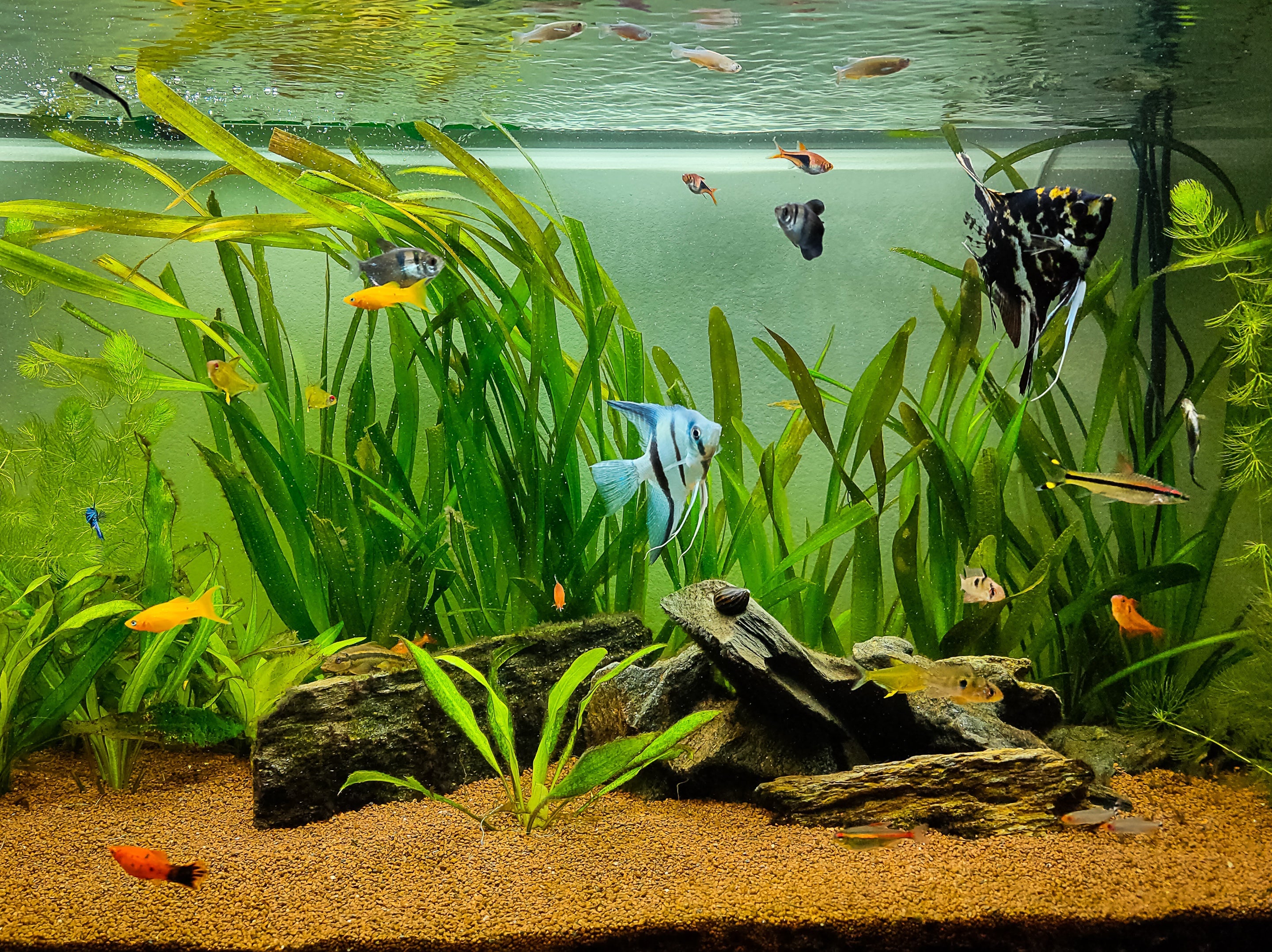
Setting up a peaceful fish tank needs calm decorations and plants. They make the tank look natural and give fish a calm place to live.
Choosing the right decor helps fish feel safe and happy. Plants and hiding spots add to the tank’s quiet and gentle feel.
Natural Vs Artificial Decorations
Natural decorations come from real plants and stones. Artificial ones are made from plastic or resin. Both have good and bad points.
- Natural decor looks real and helps fish feel at home.
- Artificial decor lasts longer and is easy to clean.
- Natural items can change water quality if not cleaned well.
- Artificial decor does not affect water but can look fake.
Live Plants Benefits
Live plants clean the water by using fish waste and light. They also give oxygen and reduce algae growth.
| Benefit | Description |
| Water Cleaner | Plants use fish waste to keep water fresh. |
| Oxygen Supply | They add oxygen for fish to breathe well. |
| Algae Control | Live plants stop algae from growing fast. |
| Fish Comfort | Plants offer safe spots and lower stress. |
Creating Hiding Spots
Fish need places to hide and feel safe. Hiding spots reduce stress and help shy fish stay calm.
- Use rocks and caves for small shelters.
- Add dense plants for natural cover.
- Place decorations to block bright light.
- Make sure hiding spots are easy to reach for fish.
Feeding Peaceful Fish
Feeding peaceful fish is important to keep them healthy and happy. Giving the right food helps them grow strong. It also keeps the tank water clean.
Learn what kinds of food to give, how often to feed, and how to avoid overfeeding your fish.
Types Of Food
Peaceful fish eat different types of food. You can feed flakes, pellets, or live food. Each type offers different nutrients.
- Flakes:Easy to use and good for daily feeding.
- Pellets:Sinks or floats, suitable for many fish.
- Live food:Includes brine shrimp or bloodworms, adds protein.
- Frozen food:A good substitute for live food.
- Vegetables:Some peaceful fish eat blanched peas or spinach.
Feeding Frequency
Feed peaceful fish small amounts two to three times a day. Young fish may need more frequent feeding. Adult fish do well with twice daily meals.
| Fish Age | Feeding Times per Day | Portion Size |
| Fry (young) | 3-4 | Small, frequent bites |
| Juveniles | 2-3 | Moderate portions |
| Adults | 2 | Enough to finish in 2 minutes |
Avoiding Overfeeding
Overfeeding can harm fish and pollute the tank. Leftover food causes bad water and fish illness. Feed only what fish eat quickly.
Tips to avoid overfeeding:
- Feed small amounts at each feeding.
- Remove uneaten food after 5 minutes.
- Watch fish behavior for signs of hunger or fullness.
- Adjust feeding if water quality drops.
Tank Maintenance Routine
Maintaining a fish tank is essential for the health of your fish. A routine helps keep the tank clean and the fish healthy.
Regular checks and cleaning ensure a balanced environment. Here is a guide to help you with your tank maintenance routine.
Cleaning Schedule
Cleaning your fish tank regularly prevents algae buildup and keeps the water clear.
Follow this simple cleaning schedule:
- Weekly: Change 10-15% of the water.
- Bi-weekly: Clean the glass walls of the tank.
- Monthly: Rinse the filter media using tank water.
Monitoring Fish Health
Observing fish behavior is crucial to detect any health issues early.
Watch for signs like unusual swimming patterns or lack of appetite. Healthy fish are active and have vibrant colors.
Equipment Check
Regular equipment checks ensure everything is functioning properly. This includes the filter, heater, and lights.
| Equipment | Check Frequency | Maintenance Tip |
| Filter | Weekly | Ensure it’s running smoothly |
| Heater | Monthly | Check the temperature setting |
| Lights | Monthly | Replace any burnt-out bulbs |
Behavioral Tips For Peaceful Fish
Creating a peaceful fish tank environment is important for the well-being of your fish. Understanding their behavior helps in maintaining harmony.
These tips will guide you in recognizing stress signs, encouraging natural behavior, and preventing territorial conflicts among your fish.
Recognizing Stress Signs
Fish can show stress through various signs. Stress can lead to health issues if not addressed promptly.
- Erratic swimming patterns
- Loss of appetite
- Discoloration
- Hiding more than usual
Encouraging Natural Behavior
Allowing fish to exhibit natural behavior keeps them happy and healthy. A suitable environment is key.
| Behavior | Environment Requirement |
| Schooling | Open swimming space |
| Foraging | Substrate with hiding spots |
| Resting | Plenty of plants |
Preventing Territorial Conflicts
Territorial conflicts can disrupt the peace in your fish tank. Proper measures can prevent these conflicts.

Credit: www.youtube.com
Frequently Asked Questions
What Is The Ideal Tank Size For Peaceful Fish?
A tank size of at least 20 gallons suits most peaceful fish. Larger tanks provide more space and reduce stress. Always research your specific fish’s space needs for a healthy environment.
How To Choose The Best Substrate For A Peaceful Fish Tank?
Fine gravel or sand substrates work best for peaceful fish. They mimic natural habitats and are gentle on fish fins. Avoid sharp or rough substrates that may harm delicate species.
Which Plants Are Best For Peaceful Fish Tanks?
Live plants like Java fern, Anubias, and Amazon sword thrive well. They provide shelter, improve water quality, and reduce fish stress. Choose low-maintenance plants suitable for your tank conditions.
How Often Should I Clean A Peaceful Fish Tank?
Partial water changes of 20-30% every 1-2 weeks are ideal. Cleaning prevents waste buildup and keeps water parameters stable. Avoid deep cleaning to preserve beneficial bacteria.
Conclusion
A peaceful fish tank brings calm to your home. Choose the right fish and decorations carefully. Keep water clean and check it often. Provide enough space for each fish to swim. Watch your fish daily for signs of stress. A well-set tank helps fish live longer.
Enjoy the quiet beauty of your aquarium. Small steps create a healthy, peaceful fish tank. Your effort makes a big difference.