
Are you ready to transform your high-light tank into a stunning underwater masterpiece? Aquascaping for high-light tanks isn’t just about placing plants and decorations; it’s about creating a vibrant, thriving ecosystem that catches every eye.
But getting it right can be tricky—you need the perfect balance of light, plants, and care to make your tank truly shine. You’ll discover simple tips and expert secrets to help your high-light aquascape flourish like never before. Keep reading, and turn your tank into the breathtaking focal point it deserves to be.
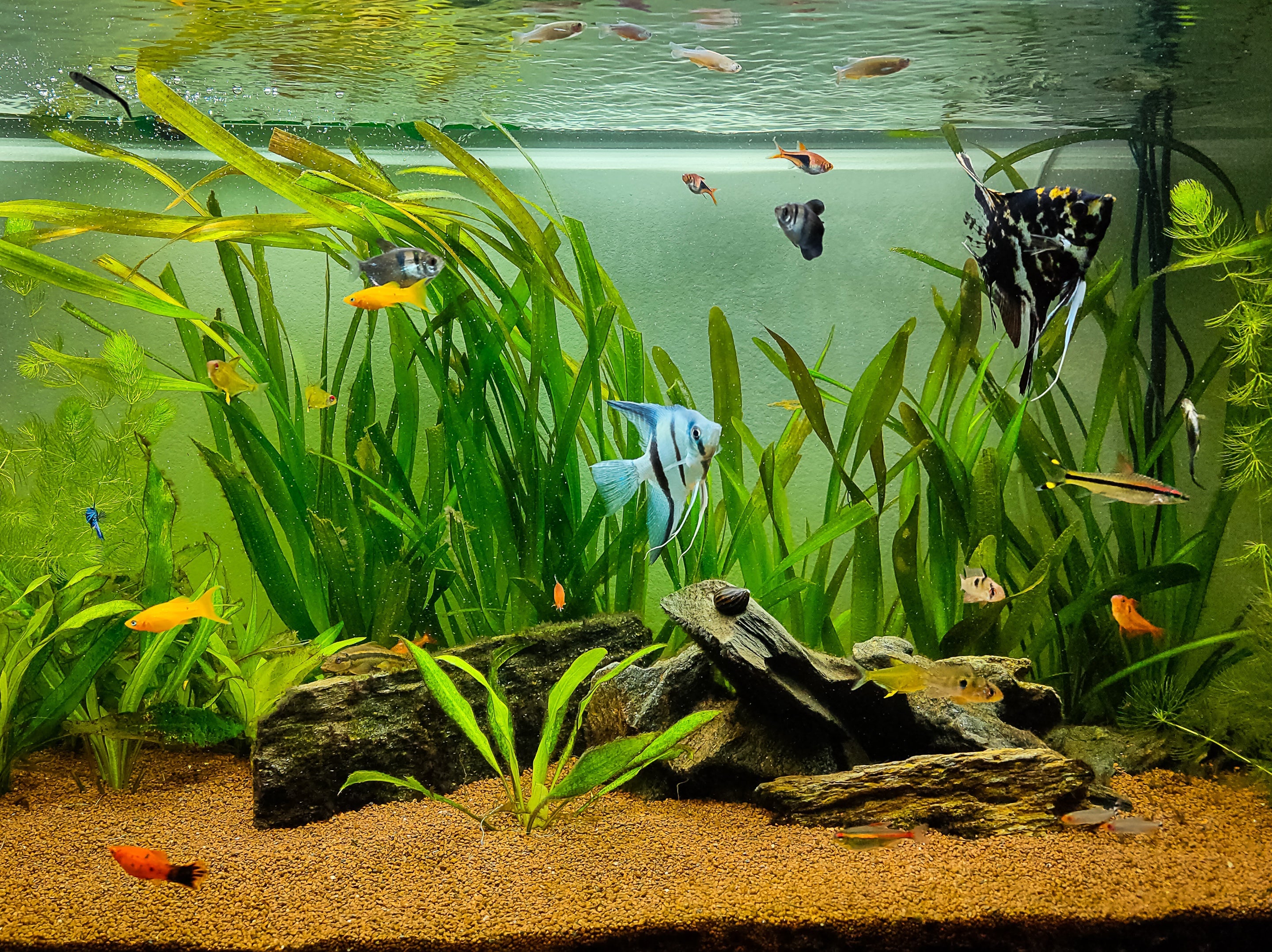
Credit: splashyfishstore.com
Choosing Plants For High-light Tanks
High-light aquariums need special plants that can handle strong light. The right plants grow well and stay healthy. They also keep the tank balanced.
Choosing plants for high-light tanks means knowing which species thrive, which to avoid, and how to care for them. This guide helps you make good choices.
Best Plant Species
Some plants do very well in tanks with bright light. These plants use the light to grow fast and look vibrant. They add beauty and oxygen to your tank.
- Java Fern (Microsorum pteropus)
- Amazon Sword (Echinodorus amazonicus)
- Water Wisteria (Hygrophila difformis)
- Cryptocoryne Wendtii
- Rotala Rotundifolia
- Vallisneria Spiralis
Avoiding Algae-prone Plants
Some plants attract algae, which can harm the tank’s look and health. Avoid plants that grow slowly or drop many dead leaves. These create spots for algae to grow.
| Plant | Reason to Avoid |
| Hornwort | Leaves can decay quickly |
| Duckweed | Spreads fast, blocks light |
| Anacharis | Attracts algae if not trimmed |
Growth Patterns And Care
High-light plants grow fast and need regular care. Trim dead leaves and prune to keep shape. Use good fertilizer to support growth without causing algae.
- Trim plants weekly to avoid overgrowth
- Remove dead or yellow leaves quickly
- Use root tabs or liquid fertilizer as needed
- Keep water clean with regular changes
Lighting Setup And Management
Aquascaping in high-light tanks needs careful lighting control. Proper light helps plants grow strong and look bright.
Too much or too little light can hurt plants and cause algae problems. This guide covers how to set up and manage light well.
Optimal Light Intensity
High-light tanks require intense lighting to support plant growth. Use LED or fluorescent lights designed for aquariums.
Measure light intensity with a PAR meter. Aim for 50 to 70 micromoles per square meter per second at the substrate.
Keep lights evenly spread to avoid dark spots. Adjust height and angle to cover the whole tank.
Light Duration Tips
Lighting time affects plant health and algae growth. Set the light duration carefully each day.
- Start with 8 hours of light daily.
- Increase gradually to 10-12 hours if plants need more light.
- Use a timer to keep light periods consistent.
- Turn off lights during feeding or maintenance to reduce stress.
Preventing Algae Growth
Too much light or long light periods cause algae to grow fast. Manage light and tank conditions to stop it.
| Cause | Solution |
| Excessive light intensity | Lower light or raise lights higher |
| Long light duration | Reduce daily lighting hours |
| Uneven light distribution | Adjust fixture position for even coverage |
| Nutrient imbalance | Check and balance fertilizer use |
Designing Stunning Aquascapes
Aquascaping is the art of arranging aquatic plants and decorations in a tank. It creates a beautiful underwater landscape.
High-light tanks bring out vibrant colors and plant growth. Proper design helps keep the tank balanced and natural.
Layout Principles
Start by planning the shape and flow of your aquascape. Use the rule of thirds to place key elements.
- Keep a clear focal point
- Use asymmetry for interest
- Balance open spaces with planted areas
- Plan paths for the viewer’s eye to follow
- Consider the tank’s size and shape
Creating Depth And Perspective
Depth makes the aquascape look bigger and more natural. Use size and placement tricks to add perspective.
| Technique | Description |
| Foreground | Place small plants and stones near the front |
| Midground | Use medium-sized plants and features in the middle |
| Background | Put tall plants and large hardscape pieces at the back |
| Layering | Overlap elements to create depth |
Using Hardscape Elements
Hardscape includes rocks, wood, and other solid materials. These create structure and contrast in the tank.
Tips for hardscape placement:
- Use different shapes and textures
- Arrange elements in groups, not evenly spaced
- Keep some open space for swimming
- Anchor plants around hardscape for stability
- Match hardscape colors with plant tones
Water Parameters And Filtration
Aquascaping in high-light tanks needs careful water control. Stable water helps plants and fish stay healthy.
Good filtration removes waste and keeps the water clear. It also helps keep the water chemistry steady.
Maintaining Stable Conditions
High-light tanks require steady water parameters. Sudden changes can stress plants and fish. Keep these levels stable:
- Temperature: 72–78°F (22–26°C)
- pH: 6.5–7.5
- Hardness: Soft to moderately hard water
- Ammonia and nitrite: 0 ppm
- Nitrate: Below 20 ppm
Filtration Options
Choose filters that clean well and suit your tank size. Filters must support good bacteria growth to process waste.
| Filter Type | Pros | Cons |
| Canister | Strong flow, good media options | Higher cost, more space needed |
| Hang-on-back | Easy to maintain, affordable | Less flow, limited media |
| Sponge | Good for biological filtration, gentle flow | Needs frequent cleaning |
| Internal | Compact, easy to install | Lower capacity, can be noisy |
Co2 Injection Importance
High-light tanks need extra CO2. It helps plants grow faster and stay green. Without enough CO2, algae may grow more.
- Improves plant photosynthesis
- Reduces algae growth
- Supports lush, healthy plants
- Must be balanced with good water flow
- Use a diffuser for even CO2 distribution
Maintenance And Troubleshooting
High-light tanks need careful care to keep plants healthy and bright. Regular maintenance helps stop problems early.
Knowing how to clean, control algae, and prune plants is key for a great aquascape.
Regular Cleaning Routines
Clean your tank weekly to keep water clear and healthy. Remove debris and old plant parts from the tank.
Change 20-30% of the water every week. This removes waste and keeps nutrients balanced.
- Use a gravel vacuum to clean the substrate
- Wipe the glass to remove algae
- Check and clean filters regularly
- Remove any dead or decaying plant leaves
Managing Algae Issues
Algae can grow fast in high-light tanks. Too much algae makes plants weak and water dirty.
Control algae by balancing light, nutrients, and CO2. Keep light time to 8-10 hours daily.
- Reduce light if algae grows too much
- Do regular water changes to lower nutrients
- Add algae-eating fish or shrimp
- Use a soft brush to remove algae from plants and decorations
Plant Pruning Techniques
Prune plants often to keep them healthy and looking good. Remove old or damaged leaves.
Trim fast-growing plants to stop them from blocking light to others. This helps all plants grow well.
- Cut stems above a leaf node to encourage new growth
- Thin out crowded areas to improve water flow
- Remove yellow or dying leaves quickly
- Use sharp scissors to avoid plant damage

Credit: www.reddit.com
Advanced Tips From Experts
Aquascaping in high-light tanks can be challenging but rewarding. With the right techniques, you can create stunning underwater landscapes. Experts share tips to help you succeed.
High-light tanks need special care. This includes balancing nutrients and customizing lighting. Innovative ideas can enhance your aquascaping projects.
Balancing Nutrients
Plants need nutrients to grow well. In high-light tanks, nutrient balance is key. Too much or too little can cause problems.
- Add fertilizers based on plant needs
- Check water parameters regularly
- Use root tabs for rooted plants
Customizing Lighting Schedules
Light is crucial for plant growth. High-light tanks require specific lighting schedules. Proper timing helps plants thrive and prevents algae.
Adjusting light duration is important. Too much light can cause algae, while too little can stunt growth.
Innovative Aquascaping Ideas
Creativity can transform your tank. Try new layouts and plant combinations. This keeps your aquascaping fresh and exciting.
- Mix different plant heights for depth
- Use rocks and driftwood for natural look
- Experiment with plant textures and colors
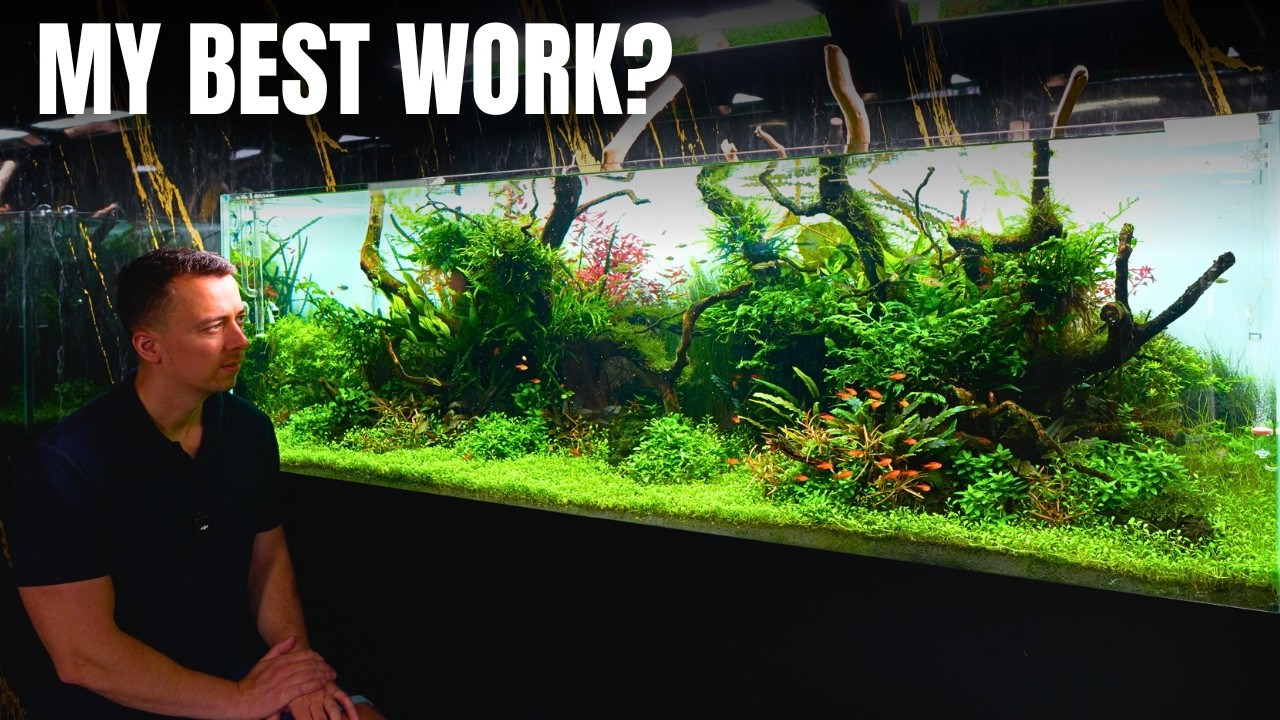
Credit: www.youtube.com
Frequently Asked Questions
What Plants Thrive In High-light Aquascaping Tanks?
High-light tanks support plants like carpet moss, red Ludwigia, and Rotala. These plants need intense light to grow healthy and vibrant.
How To Control Algae In High-light Aquascapes?
Use proper CO2, maintain balanced nutrients, and regular water changes. Introduce algae eaters like snails or shrimp to keep algae in check.
What Substrate Is Best For High-light Aquascaping?
Nutrient-rich substrates like aqua soil or laterite promote plant growth. They provide essential nutrients and support root development in high-light conditions.
How Much Co2 Is Needed For High-light Tanks?
High-light tanks require consistent CO2 injection around 20-30 ppm. This helps plants absorb carbon efficiently and prevents algae outbreaks.
Conclusion
Aquascaping high-light tanks brings life and beauty to your aquarium. Choosing the right plants and hardscape materials keeps your tank healthy. Regular care and attention help plants grow strong. Watch your underwater garden flourish with bright light and good balance.
Enjoy the peaceful view and the vibrant colors it creates. This hobby offers relaxation and pride in your own creation. Start small, learn as you go, and see the rewards. Aquascaping high-light tanks can be simple and fun for everyone.