
Are you looking to transform your aquarium into a stunning underwater garden? Choosing the right foreground plants for aquascaping can make all the difference.
These plants not only add depth and texture but also create a natural, inviting look that draws your eyes in. Whether you want a lush green carpet or delicate accents, the right foreground plants can bring your vision to life.
Keep reading to discover which plants will elevate your aquascape and how to care for them easily. Your perfect underwater scene is just a few steps away!
Benefits Of Foreground Plants
Foreground plants play a key role in aquascaping. They add beauty and function to the aquarium. These plants help create a balanced environment for fish and other aquatic creatures.
Using foreground plants lets you design a more natural and inviting underwater scene. Their presence supports the overall health of the tank.
Enhancing Tank Depth
Foreground plants help create an illusion of depth in your aquarium. They make the tank look larger and more spacious. By placing these plants at the front, you can guide the viewer’s eye inside the tank.
- Small leaves create fine details that draw attention
- Low-growing plants keep the front clear and open
- Contrast with taller background plants adds layers
- Helps to separate different areas visually
Creating Natural Pathways
Foreground plants help form natural pathways in aquascapes. These pathways guide the eye and fish through the tank. They mimic natural riverbeds or forest floors.
| Pathway Feature | Benefit |
| Low plants on sides | Clear walking space for fish |
| Curved paths | Add visual interest and flow |
| Mixed textures | Create natural look and feel |
| Open areas | Improve swimming space |
Supporting Aquatic Life
Foreground plants provide shelter and food for aquatic life. They improve water quality by absorbing nutrients. These plants help create a healthy ecosystem inside the tank.
- Offer hiding spots for small fish and shrimp
- Produce oxygen through photosynthesis
- Reduce algae growth by competing for nutrients
- Help maintain stable water conditions

Credit: www.youtube.com
Popular Foreground Plants
Foreground plants are key to a beautiful aquascape. They create depth and cover the tank floor. These plants stay low and spread quickly.
Choosing the right foreground plants helps make your aquarium look natural and vibrant. Here are four popular options that work well.
Glossostigma Elatinoides
Glossostigma Elatinoides is a small, bright green carpet plant. It grows fast and forms a dense carpet on the substrate. It needs moderate light and CO2 for best growth.
Dwarf Hairgrass
Dwarf Hairgrass has thin, grass-like leaves. It creates a soft lawn effect in the aquarium. This plant prefers medium to high light and grows well in various water conditions.
Marsilea Hirsuta
Marsilea Hirsuta looks like small four-leaf clovers. It spreads by runners and covers the tank floor nicely. It tolerates low to medium light and is easy to grow.
- Fast spreading with runners
- Clove-shaped leaves add texture
- Low to medium light needs
- Good for small and large tanks
Eleocharis Parvula
| Feature | Description |
| Appearance | Thin, bright green grass-like blades |
| Light Needs | Medium to high light |
| Growth Rate | Moderate |
| Care Level | Easy to moderate |
Planting Techniques
Foreground plants add depth and beauty to aquascapes. Proper planting helps them grow well and look natural. Understanding the right techniques is key for a healthy aquarium.
Focus on spacing, substrate, and trimming to create a balanced layout. These factors affect plant health and aquascape appearance.
Spacing And Arrangement
Give each plant enough space to grow its leaves and roots. Crowded plants may compete for nutrients and light. Arrange plants in groups for a natural look.
- Leave 1 to 2 inches between plants
- Place shorter plants in front
- Use taller varieties near the back
- Group plants with similar needs together
Substrate Selection
Choose a substrate that supports root growth and nutrient absorption. Nutrient-rich substrates help foreground plants thrive. Some plants need fine sand, while others prefer gravel.
| Plant Type | Recommended Substrate | Notes |
| Carpet plants | Fine sand or nutrient-rich soil | Allows easy root spread |
| Rosette plants | Gravel with root tabs | Needs stable anchoring |
| Stem plants | Looser substrate | Supports fast growth |
Trimming And Maintenance
Regular trimming keeps plants healthy and attractive. Remove dead leaves to prevent decay. Trim to control growth and encourage dense coverage.
- Trim leaves that block light to others
- Remove brown or damaged parts
- Trim roots if they get too long
- Use clean, sharp scissors for cutting
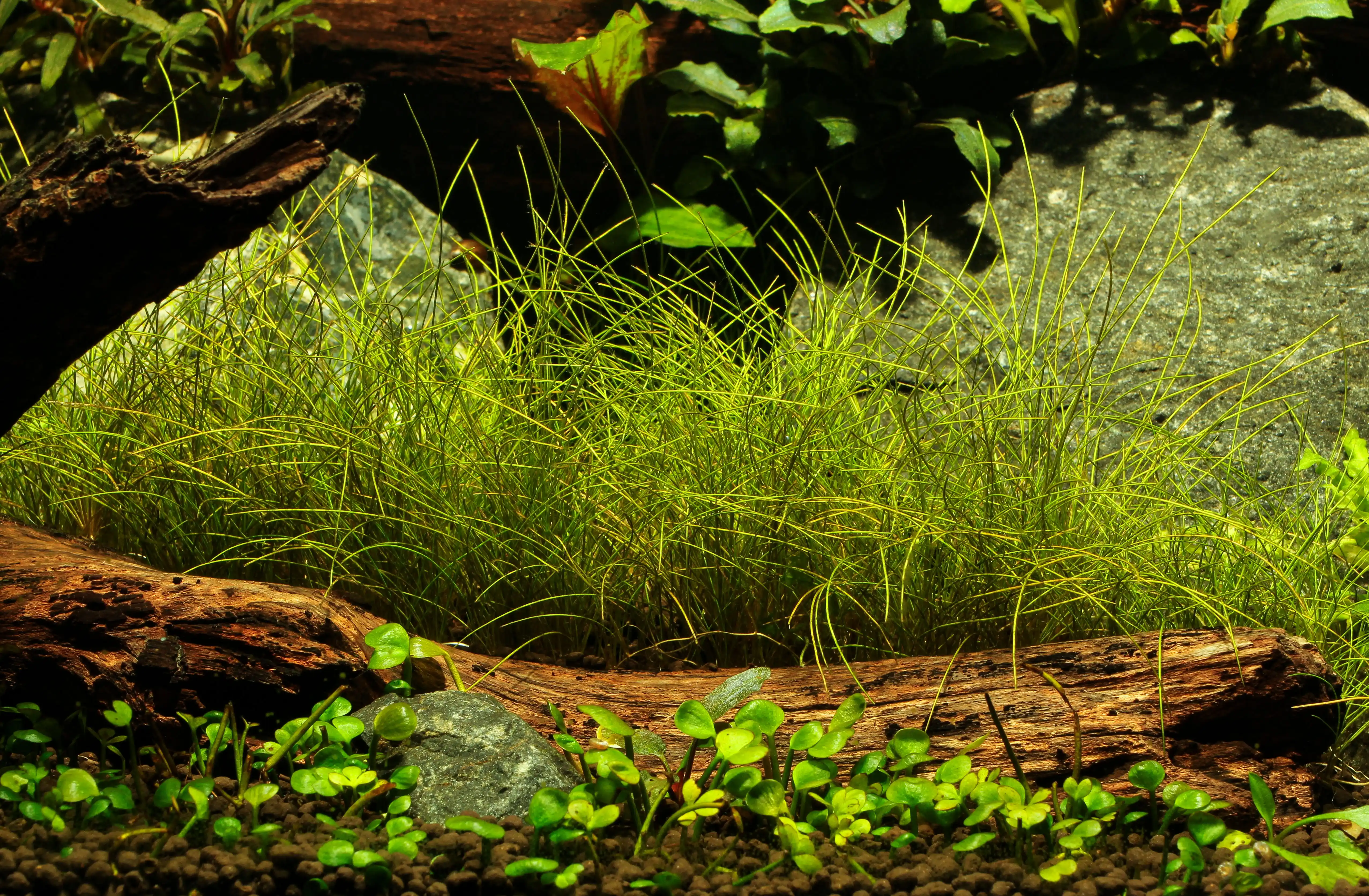
Credit: www.practicalfishkeeping.co.uk
Lighting And Co2 Needs
Foreground plants need the right light and CO2 to grow well. These two factors help plants stay green and healthy.
Good lighting and CO2 levels create a strong base for your aquascape. This helps plants spread and look their best.
Optimal Light Intensity
Foreground plants need medium to high light to grow nicely. Light helps plants make food through photosynthesis.
Too little light makes plants grow slowly and lose color. Too much light can cause algae to grow fast.
- Use 0.5 to 1 watt per liter of light
- Keep lights on for 8 to 10 hours daily
- Use full spectrum LED lights for best results
Co2 Injection Benefits
CO2 helps plants grow faster and stronger. It is a key part of photosynthesis for aquatic plants.
Adding CO2 keeps plants green and helps roots spread well. It also reduces algae by helping plants use nutrients.
- Improves plant growth speed
- Enhances leaf color and health
- Supports dense carpet growth
- Reduces algae growth
Balancing Light And Co2
Good aquascapes balance light and CO2. Too much light without CO2 causes algae.
Keep CO2 levels steady to match the light. This helps plants grow well and keeps water clear.
- Match CO2 injection to light intensity
- Keep CO2 around 20-30 ppm for best growth
- Use timers for light and CO2 to sync cycles
- Watch plants for signs of stress or algae
Common Challenges
Foreground plants in aquascaping can face many challenges. These issues may hinder their growth and beauty.
Understanding these challenges helps keep your aquascape healthy and vibrant.
Algae Control
Algae can quickly take over the tank, affecting plant health. Control methods are essential for balance.
- Limit light exposure to 8 hours a day
- Regularly clean the tank and remove debris
- Use algae-eating fish or snails
Nutrient Deficiencies
Nutrient deficiencies can cause poor plant growth. Plants need specific nutrients for healthy development.
| Nutrient | Deficiency Sign |
| Nitrogen | Yellowing leaves |
| Potassium | Holes in leaves |
| Iron | Pale new leaves |
Plant Melting And Recovery
Plant melting happens when plants fail to adapt to new conditions. Recovery is possible with proper care.
Combining Foreground With Midground And Background
In aquascaping, layering plants creates depth and interest. Foreground, midground, and background plants work together to form a natural look.
Choosing the right plants for each zone helps to build a pleasing and balanced underwater landscape.
Creating Visual Layers
Visual layers help make your aquascape look full and three-dimensional. Foreground plants stay low and small. Midground plants are medium height and fill space. Background plants grow tall and frame the scene.
- Plant short carpet plants in the foreground
- Use bushy or stem plants in the midground
- Place tall, leafy plants in the background
- Arrange plants to create depth and flow
Choosing Complementary Plants
Choose plants that match in color, shape, and growth rate. This helps the aquascape look natural and unified. Avoid plants that will overgrow others quickly.
| Plant Zone | Example Plants | Characteristics |
| Foreground | Dwarf Hairgrass, Monte Carlo | Low height, carpet-like growth |
| Midground | Anubias, Java Fern | Medium height, bushy leaves |
| Background | Amazon Sword, Vallisneria | Tall height, broad leaves |
Maintaining Balance In Design
Balance means no part of the tank feels too crowded or empty. Spread plants evenly, but keep some open areas for contrast. Use plant shapes and colors to guide the eye.
Tips for Balanced Aquascape:
- Place large plants opposite small clusters
- Use color contrasts carefully
- Keep open spaces for fish to swim
- Trim plants to prevent overgrowth

Credit: buceplant.com
Frequently Asked Questions
What Are The Best Foreground Plants For Aquascaping?
The best foreground plants include dwarf hairgrass, Monte Carlo, and Java moss. These plants create a lush, carpet-like effect. They are low-growing, easy to maintain, and ideal for enhancing aquarium aesthetics.
How Do Foreground Plants Benefit Aquascaping?
Foreground plants add depth and texture to aquascapes. They improve water quality by absorbing nutrients and provide hiding spots for small fish. Their vibrant green hues enhance the tank’s visual appeal.
Can Foreground Plants Survive In Low Light Conditions?
Yes, many foreground plants like Java moss and Anubias nana thrive in low light. They require minimal care and adapt well to various aquarium setups, making them perfect for beginners.
How Often Should Foreground Plants Be Trimmed?
Trim foreground plants every 2 to 4 weeks to maintain shape and prevent overgrowth. Regular trimming promotes healthy growth and keeps the aquascape neat and balanced.
Conclusion
Choosing the right foreground plants brings life to your aquascape. They create depth and make your tank look natural. Small, low-growing plants fit well in front. They also help hide the substrate and create a soft carpet effect. Remember to pick plants that suit your tank’s light and care level.
Regular trimming keeps your aquascape neat and healthy. Experiment with different types to find what you like best. With patience, your aquarium will turn into a beautiful underwater garden. Enjoy the process and watch your aquascape grow!