
Are you struggling to keep your ornamental corals healthy and vibrant? The secret to stunning coral growth often lies in one simple factor: lighting.
The right light doesn’t just brighten your tank—it fuels your corals’ life and color. But with so many options and technical details, it can feel overwhelming to choose the perfect lighting setup. This guide will help you understand exactly what your corals need to thrive, so you can create a dazzling underwater display that catches every eye.
Ready to unlock the full potential of your coral reef? Let’s dive in.
Coral Lighting Basics
Lighting plays a key role in growing ornamental corals. Good light helps corals get energy and stay healthy.
Choosing the right light means understanding types, colors, and how long to shine it on corals.
Types Of Light For Coral
Different lights work well for corals. The most common types are LED, fluorescent, and metal halide.
LED lights are popular because they use less energy and last long. Fluorescent lights are good for small tanks. Metal halide lights give strong brightness for deep tanks.
- LED: energy efficient and customizable
- Fluorescent: affordable and easy to find
- Metal Halide: very bright, good for large tanks
Light Spectrum Importance
Light spectrum means the colors of light. Corals need blue and white light to grow well.
Blue light helps corals make food through photosynthesis. White light helps show the coral’s true colors.
- Blue light supports coral growth
- White light helps coral colors shine
- Full spectrum lights mix colors for balanced growth
Intensity And Duration
Light intensity means how bright the light is. Corals need medium to high brightness depending on species.
Duration means how long the light stays on. Corals usually do best with 8 to 12 hours of light daily.
- Adjust brightness to coral type
- Use timers for consistent light periods
- Avoid too much light to prevent coral stress

Credit: jungleaquatics.com
Choosing The Right Lighting
Lighting plays a key role in growing ornamental coral. The right light helps coral thrive and show bright colors. It also supports coral photosynthesis and growth.
Choosing the best lighting depends on your tank size, coral type, and budget. Different lights have different strengths and weaknesses.
Led Vs Fluorescent Vs Metal Halide
LED lights are popular for coral tanks. They use less power and can be adjusted for color and brightness. LEDs also run cool and last a long time.
Fluorescent lights, especially T5 bulbs, give good light spread. They are less expensive but use more power than LEDs. Fluorescents need bulb changes often.
Metal halide lights offer very strong light. They work well for deep tanks or corals that need intense light. Metal halides get hot and use more electricity.
- LED: Energy-saving, adjustable, long-lasting
- Fluorescent: Good spread, affordable, moderate lifespan
- Metal Halide: Powerful, best for deep tanks, high heat
Energy Efficiency Considerations
Energy use affects your electric bill and tank heat. LEDs use the least energy and produce less heat. This can reduce cooling needs.
Fluorescent lights use more power than LEDs but less than metal halides. Metal halides consume the most energy and give off more heat.
- LEDs save energy and reduce heat
- Fluorescents use moderate energy
- Metal halides need high energy and cooling
Cost And Lifespan
LED lights cost more at first but last 5 to 10 years. They need little maintenance and save money over time.
Fluorescent bulbs cost less but last about 1 to 2 years. You must replace bulbs regularly to keep good light quality.
Metal halide bulbs are moderately priced but last only 1 year. They also need ballasts and extra cooling, which add to costs.
| Light Type | Initial Cost | Lifespan | Maintenance |
|---|---|---|---|
| LED | High | 5-10 years | Low |
| Fluorescent | Low | 1-2 years | Medium |
| Metal Halide | Medium | 1 year | High |
Light Placement And Setup
Proper light placement helps ornamental corals grow strong and vibrant. Setting up the lights correctly supports coral health and color.
Good lighting setup means knowing the right distance and angles. This avoids problems like too much heat or uneven light.
Optimal Distance From Coral
Keep lights at the right distance to avoid coral stress or poor growth. Too close can burn corals, too far can limit light absorption.
Most corals do well with light 12 to 18 inches above them. Check your light’s intensity to adjust this distance.
- Soft corals need more distance, about 18 inches
- Hard corals may require closer light, around 12 inches
- Adjust based on coral reaction and color
Fixture Positioning Tips
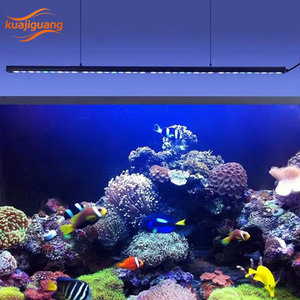
Place fixtures so light spreads evenly over the coral area. Center lighting helps reduce dark spots and uneven growth.
Use adjustable mounts to change light angles. This lets you focus on corals needing more light and avoid overheating others.
- Position lights directly above corals
- Use multiple smaller lights for even coverage
- Change angles to reach shaded coral parts
Avoiding Shadows And Hotspots
Shadows block light and slow coral growth. Hotspots cause coral tissue damage from too much light or heat.
Arrange lights to spread light evenly. Avoid placing fixtures too close or at odd angles that create dark or bright patches.
- Use diffusers or reflectors to soften light
- Check tank for objects that cast shadows
- Move lights to balance bright and shaded areas
Credit: www.alibaba.com
Adjusting Light For Coral Types
Lighting is very important for coral growth. Different corals need different light levels. Adjusting light helps corals stay healthy and colorful.
Knowing how to set light for each coral type is key. This guide covers soft vs hard corals, SPS, and LPS lighting needs.
Soft Vs Hard Corals
Soft corals are less demanding and grow well in low to medium light. Hard corals need stronger light for their skeletons to form.
- Soft corals prefer shaded or indirect light.
- Hard corals need bright, direct lighting.
- Soft corals grow slower under strong light.
- Hard corals require stable, intense light for best growth.
Lighting Needs For Sps Corals
SPS corals need very bright light and strong water flow. They thrive under metal halide or high-output LED lights.
| Light Type | Intensity | Duration |
| Metal Halide | High | 8-10 hours |
| High-Output LED | High | 8-10 hours |
| T5 Fluorescent | Medium-High | 8-10 hours |
Lps Coral Light Preferences
LPS corals need moderate light. Too much light can cause stress and bleaching.
LPS corals often do well with these light settings:
- Moderate intensity LED or T5 lighting
- 6-8 hours of light per day
- Gradual changes in light to avoid shock
Simulating Natural Conditions
Lighting plays a big role in coral growth. It helps corals thrive by mimicking natural conditions.
We need to simulate the ocean’s light patterns. This includes day and night cycles, seasonal light changes, and cloud cover effects.
Day And Night Cycles
Corals need both day and night light cycles. During the day, they get energy from light.
At night, less light helps them rest. This cycle keeps their growth healthy.
| Time | Light Intensity |
|---|---|
| Day | High |
| Night | Low |
Seasonal Light Changes
Light changes with the seasons. Corals need different light in summer and winter.
Adjusting light mimics these changes. This helps corals adapt just like in the wild.
- Summer: Longer daylight hours
- Winter: Shorter daylight hours
Cloud Cover And Moonlight Effects
Clouds can block sunlight sometimes. In aquariums, dimming lights simulates this effect.
Moonlight is also important. It gives soft light at night, helping corals rest.
- Cloudy days: Lower light levels
- Clear nights: Gentle moonlight
Monitoring Coral Health
Lighting plays a key role in coral growth and health. Proper light helps corals thrive and maintain their color.
Regular monitoring of coral health shows if lighting is right or needs adjustment. Watch your corals closely.
Signs Of Light Stress
Corals show stress when they get too much or too little light. Look for changes in their behavior and appearance.
Light stress signs include bleaching, tissue loss, or unusual growth patterns. These signs mean light levels must be checked.
- Faded or bleached colors
- Tissue shrinking or peeling
- Closed or retracted polyps
- Slowed or stopped growth
Color And Growth Indicators
Healthy corals have bright and vibrant colors. Their growth should be steady and visible over time.
Use color changes and growth rates to judge if lighting suits your coral. Dull colors or slow growth show problems.
- Bright colors mean good health
- Dark or dull colors suggest stress
- Consistent growth shows proper light levels
- Slow growth may mean too little light
Using Par Meters
PAR meters measure light intensity that corals use for photosynthesis. They help set the right lighting.
Check light levels with a PAR meter at coral locations. Adjust lighting to keep PAR values in the right range.
| Coral Type | Recommended PAR Range (μmol/m²/s) |
|---|---|
| Soft Corals | 50 – 150 |
| Zoanthids and Mushrooms | 100 – 200 |
| LPS Corals | 100 – 250 |
| SPS Corals | 200 – 400 |
Troubleshooting Common Issues
Lighting plays a key role in ornamental coral growth. Problems with lighting can cause stress to corals. This guide helps you fix common lighting issues.
Check your setup regularly. Early detection of problems can save your corals from damage.
Algae Overgrowth
Too much light can cause algae to grow fast. Algae compete with corals for nutrients and space. This can hurt your coral’s health.
- Reduce light intensity or duration.
- Use a timer to control light cycles.
- Keep water clean and free of excess nutrients.
- Add algae-eating fish or snails to the tank.
Coral Bleaching
Coral bleaching happens when corals lose their color. This often occurs due to too strong or wrong type of light. Bleached corals are weak and may die.
| Cause | Solution |
| Light intensity too high | Lower the brightness or increase distance |
| Incorrect light spectrum | Use lights made for coral growth |
| Sudden change in lighting | Adjust light gradually over days |
| Too long lighting period | Shorten light exposure to 8-10 hours |
Lighting Malfunctions
Lights can stop working properly. This includes flickering, dimming, or not turning on. These issues affect coral growth and health.
Common lighting malfunctions and fixes:
- Check power supply and connections.
- Replace burnt-out bulbs or LEDs.
- Clean light fixtures from dust or salt build-up.
- Reset timers or controllers.
- Test with a backup light source.
Advanced Lighting Techniques
Lighting is very important for coral growth in aquariums. Using advanced lighting helps corals get the right light they need.
Good lighting can improve coral health, color, and growth speed. Here are some key techniques to use.
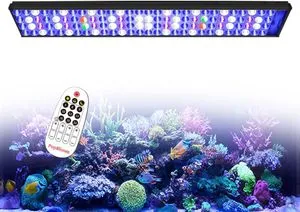
Dimming And Programming Lights
Dimming lights lets you control the brightness to match natural conditions. This reduces stress on corals.
Programming lights allows you to set different light levels for day and night. It helps mimic sunlight patterns.
- Use timers to create sunrise and sunset effects
- Lower light at night to give corals rest
- Adjust brightness gradually to avoid sudden changes
Using Actinic Lighting
Actinic lights shine blue and violet colors. These colors help corals make food through photosynthesis.
These lights also make corals look bright and colorful. They support coral health by providing needed light waves.
- Use actinic lights during the main daylight period
- Combine with white light for balance
- Keep actinic lights on for 8-10 hours daily
Combining Multiple Light Sources
Using different types of lights together gives corals a full light spectrum. This helps them grow well.
Mix LED, fluorescent, and actinic lights to cover all light needs. This creates a natural and healthy environment.
- LEDs offer energy efficiency and color options
- Fluorescent lights provide broad light coverage
- Actinic lights add blue and violet wavelengths
- Balance the intensity of each light source
Credit: www.dhgate.com
Frequently Asked Questions
What Type Of Lighting Promotes Ornamental Coral Growth?
LED lighting is ideal for ornamental coral growth. It provides adjustable intensity and spectrum, mimicking natural sunlight. This promotes photosynthesis and vibrant coral colors, enhancing coral health and growth.
How Much Light Do Ornamental Corals Need Daily?
Ornamental corals generally need 8 to 12 hours of light daily. This duration supports photosynthesis and growth without causing stress. Proper timing helps maintain coral health and mimics their natural environment.
Can Improper Lighting Harm Coral Growth?
Yes, improper lighting can harm corals. Too much light causes bleaching, while too little limits growth. Balanced lighting ensures corals thrive, maintaining their vibrant colors and overall health.
What Light Spectrum Is Best For Coral Growth?
Blue and actinic light spectrums are best for coral growth. These wavelengths enhance photosynthesis and coral fluorescence. Combining blue with white light creates a natural environment, promoting healthy growth.
Conclusion
Proper lighting helps ornamental corals grow strong and healthy. Choose the right light type and intensity for your coral species. Balanced light supports photosynthesis and vibrant colors. Watch your corals closely to adjust lighting as needed. Good lighting creates a beautiful, thriving underwater display.
Keep learning about coral needs to improve your setup. Small changes can make a big difference in coral growth. Lighting matters most for a lively and colorful reef tank.