
Setting up a tropical fish tank can be an exciting way to bring vibrant colors and calming energy into your space. But before you dive in, it’s important to know what essentials you need to create a healthy, beautiful environment for your fish.
If you want your tank to thrive and avoid common mistakes, this guide is for you. Keep reading to discover the key items and tips that will make your tropical fish tank setup easy and successful. Your fish will thank you!
:strip_icc()/aquarium-with-cichlids-fish-from-lake-malawi-936332656-0ddcdd7df1444600a9598112db12a470.jpg)
Credit: www.thesprucepets.com
Choosing The Right Tank
Setting up a tropical fish tank starts with picking the right tank. The tank size and material affect your fish’s health and ease of care.
Think about the space you have and the type of fish you want. This helps you choose a tank that fits your needs.
Tank Sizes For Beginners
Small tanks are easier to manage for beginners. A 10 to 20-gallon tank is a good start. It gives fish enough space and is not too hard to clean.
Bigger tanks hold more water, which means stable water conditions. But they need more care and space.
- 10 gallons: good for a few small fish
- 20 gallons: allows more fish and plants
- 30 gallons or more: for larger fish or groups
Material Options: Glass Vs Acrylic
Glass tanks are common and scratch-resistant. They are heavier but clear and easy to clean. Glass is also cheaper than acrylic.
Acrylic tanks are lighter and stronger. They resist breaking but scratch easily. Acrylic also keeps heat better than glass.
- Glass: heavier, scratch-resistant, affordable
- Acrylic: lighter, strong, scratches easier
- Both materials work well for fish tanks
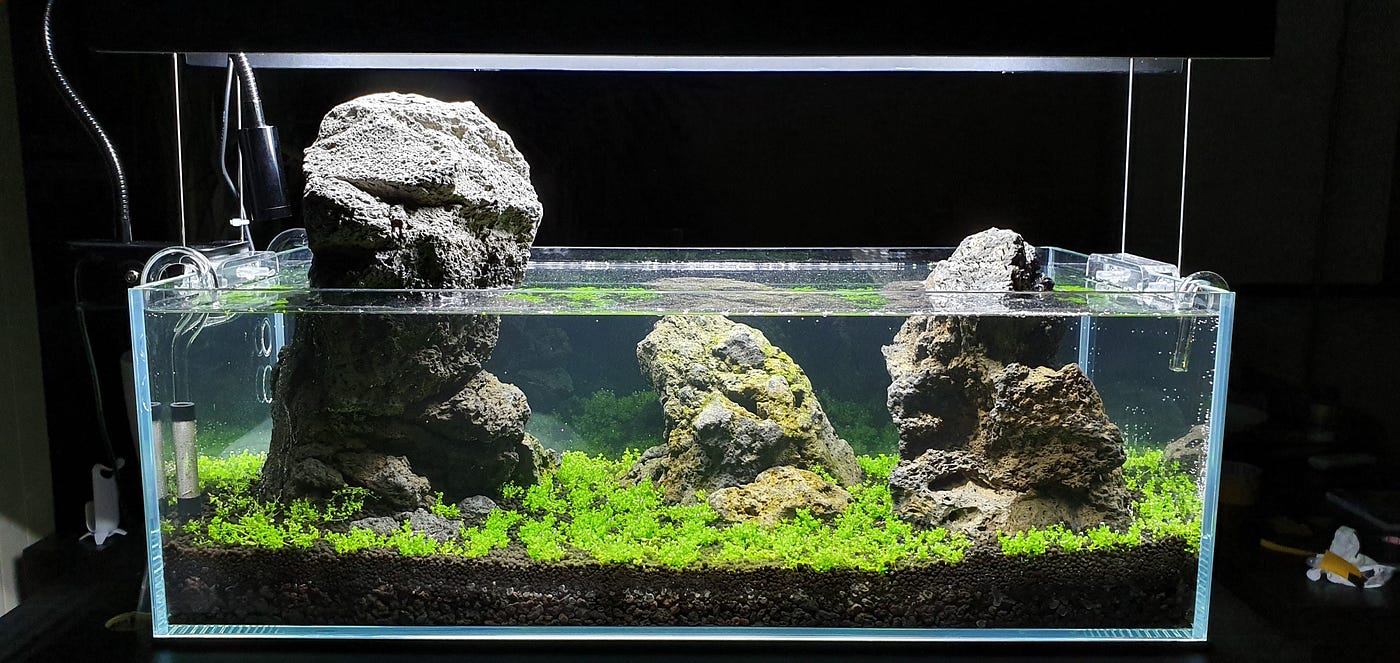
Placement Tips
Place your tank where it gets no direct sunlight. Sunlight can cause algae growth and temperature changes. Keep it away from heaters or vents.
Choose a sturdy surface that can hold the tank’s weight. Use a level stand to avoid stress on the glass or acrylic. Make sure you have easy access for cleaning and feeding.
- Avoid direct sunlight to control algae
- Keep away from heat sources and drafts
- Use a strong, level stand
- Place near an outlet for equipment power
Credit: medium.com
Essential Equipment
Setting up a tropical fish tank requires the right tools. Proper equipment keeps fish healthy and the tank clean.
This guide covers key items you need to create a thriving aquarium environment.
Filters And Filtration Types
Filters clean the water by removing waste and toxins. They keep the water clear and safe for fish.
- Mechanical filters remove debris and particles.
- Chemical filters use activated carbon to absorb impurities.
- Biological filters promote beneficial bacteria to break down waste.
Heaters And Temperature Control
Tropical fish need warm water. A heater keeps the temperature steady and suitable for your fish.
| Heater Type | Best For | Temperature Range |
| Submersible Heater | Most tanks | 68°F to 86°F (20°C to 30°C) |
| Inline Heater | External filters | 65°F to 85°F (18°C to 29°C) |
| Thermostatic Heater | Precise control | Adjustable |
Lighting Choices
Lighting affects fish health and plant growth. Choose lights that mimic natural daylight.
- LED lights save energy and last long.
- Fluorescent lights are bright and affordable.
- Full-spectrum lights support live plants well.
Air Pumps And Accessories
Air pumps add oxygen and create water movement. Accessories help spread bubbles and improve flow.
- Airstones for fine bubbles
- Air tubing to connect devices
- Check valves to prevent backflow
- Air valves to control airflow
Water Preparation
Preparing water is a key step for a tropical fish tank. Fish need clean water to stay healthy.
Good water preparation helps create a safe home for your fish. It supports their growth and well-being.
Cycling The Tank
Cycling means building good bacteria in the tank. These bacteria clean harmful fish waste.
This process can take 4 to 6 weeks before adding fish. It prevents toxic ammonia and nitrite spikes.
- Start the tank with water and filter running
- Add a small source of ammonia, like fish food
- Test water regularly for ammonia, nitrite, and nitrate
- Wait until ammonia and nitrite reach zero
- Only then add fish slowly
Water Testing Basics
Test water to check its safety for fish. Use test kits to measure key chemicals.
Focus on ammonia, nitrite, nitrate, and pH levels. These affect fish health directly.
- Ammonia and nitrite should be zero
- Nitrate should be below 40 ppm
- pH depends on fish species but keep it stable
- Test water weekly or after changes
Dechlorination Methods
Tap water often contains chlorine, harmful to fish. Removing chlorine is necessary before use.
Use dechlorinators or natural methods to make water safe. This protects fish gills and skin.
- Use a water conditioner from aquarium stores
- Let water sit 24-48 hours to let chlorine evaporate
- Boil water and cool to remove chlorine
- Activated carbon filters also reduce chlorine
Selecting Tropical Fish
Choosing the right tropical fish is key to a happy aquarium. Different fish need different care and space.
Think about your tank size, water type, and how much time you have for care.
Popular Beginner Species
Some fish are easier to care for than others. They adapt well to new tanks and are less sensitive.
These species are great for new fish owners because they handle mistakes better.
- Guppies: Small, colorful, and active fish
- Neon Tetras: Bright blue with a red stripe
- Zebra Danios: Hardy and fast swimmers
- Corydoras Catfish: Bottom dwellers that clean the tank
- Platies: Peaceful and come in many colors
Compatibility And Community Tanks
Some fish live well together, while others fight. Check their behavior before mixing.
Community tanks need peaceful fish that share similar water needs.
- Avoid aggressive fish with peaceful ones
- Match fish that like the same water temperature
- Choose fish with similar sizes to prevent bullying
- Keep the tank crowded but not too full
Fish Health Indicators
Healthy fish swim actively and eat well. Watch for clear eyes and smooth scales.
Signs of illness include dull colors, clamped fins, and spots on the body.
- Bright, clear eyes
- Normal swimming behavior
- Good appetite
- No unusual spots or growths
- Fins spread out and not clamped
Aquascaping Tips
Aquascaping creates a beautiful and healthy environment for tropical fish. It includes choosing the right materials and plants.
Good aquascaping helps fish feel safe and shows off their colors well. It also makes your tank easier to clean.
Choosing Substrate
The substrate is the material at the bottom of your tank. It can be sand, gravel, or special soil for plants.
Pick a substrate that fits your fish and plants. Some plants need nutrient-rich soil to grow well.
- Sand is good for bottom-dwelling fish and easy to clean.
- Gravel helps anchor plants and allows water flow.
- Plant soil supports root growth and plant health.
Plant Selection And Care
Choose plants that match your tank size and light conditions. Some plants need more light and care than others.
Trim plants regularly to keep them healthy. Remove dead leaves to stop decay and keep water clean.
- Easy plants: Java fern, Anubias, and Amazon sword.
- Require moderate light: Cryptocoryne and Vallisneria.
- High light plants: Dwarf hairgrass and Rotala.
Decor And Hiding Spots
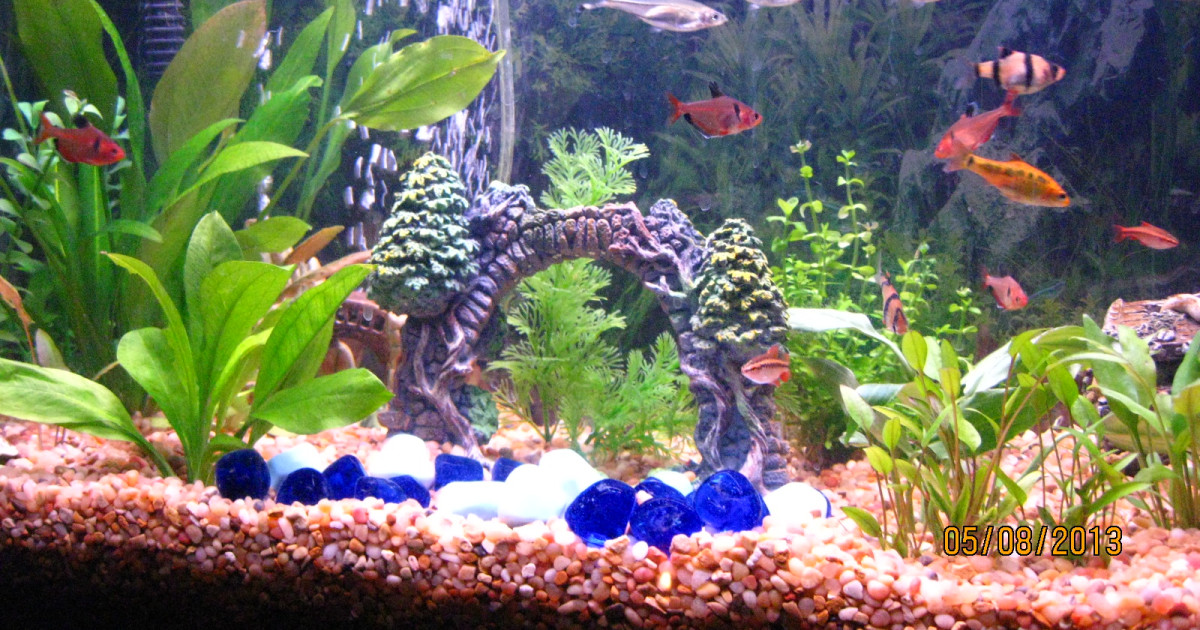
Decorations create hiding places and reduce fish stress. Use rocks, driftwood, and caves for shelter.
Arrange decor to allow open swimming space. Avoid sharp edges to keep fish safe.
- Driftwood adds natural look and hides fish.
- Rocks create caves and resting spots.
- Plants also serve as hiding spots and improve water quality.
Maintenance Routine
Setting up a tropical fish tank is exciting. Keeping it clean requires regular maintenance. Learn the essentials for a healthy aquatic environment.
A consistent maintenance routine ensures your tropical fish thrive. Explore cleaning tasks, water changes, and health monitoring.
Regular Cleaning Tasks
Cleaning tasks are vital for a clean tank. These steps help remove debris and maintain water quality.
- Wipe down the tank walls to remove algae.
- Vacuum the substrate to eliminate waste.
- Rinse filter media to ensure proper filtration.
Water Changes Schedule
Regular water changes keep your fish healthy. Replace part of the water to maintain balance.
| Tank Size | Water Change Frequency |
| 10 gallons | Weekly |
| 20 gallons | Every two weeks |
| 50 gallons | Monthly |
Monitoring Fish Health
Keeping an eye on fish health is essential. Observing their behavior can prevent issues.
- Look for signs of stress or disease.
- Ensure fish are active and eating well.
- Check for changes in color or behavior.
Common Challenges
Setting up a tropical fish tank is exciting but comes with challenges. These challenges can affect fish health and tank beauty.
Understanding common issues helps you keep your fish safe and your tank clean. Below are key problems and how to handle them.
Algae Control
Algae grows fast in tropical tanks. It can make water cloudy and plants unhealthy. Controlling algae keeps the tank clear.
- Limit the tank’s light to 8-10 hours daily
- Do regular water changes every week
- Use algae-eating fish or snails
- Avoid overfeeding fish to reduce waste
- Clean tank decorations and glass often
Dealing With Diseases
Tropical fish can catch diseases from poor water or stress. Early detection is key to saving fish.
| Disease | Symptoms | Prevention |
| Ich (White Spot) | White dots on body | Keep water clean, quarantine new fish |
| Fin Rot | Frayed fins, discoloration | Maintain good water quality, avoid injuries |
| Fungal Infection | White cotton-like patches | Remove sick fish, keep tank dry and clean |
Preventing Overcrowding
Too many fish cause stress and poor water quality. Follow these tips to avoid overcrowding.
- Know the adult size of each fish species
- Allow at least one gallon of water per inch of fish
- Research fish behavior to avoid aggressive types together
- Plan tank size before buying fish
- Remove excess fish if the tank feels crowded
Credit: pethelpful.com
Frequently Asked Questions
What Are The Basic Equipment Needed For A Tropical Fish Tank?
A tropical fish tank requires a filter, heater, lighting, substrate, and aquarium water conditioner. These essentials maintain water quality and temperature for fish health.
How Do I Choose The Right Fish For My Tropical Tank?
Select fish compatible with your tank size, water parameters, and each other. Research species’ temperament, size, and care needs before adding them.
How Often Should I Clean A Tropical Fish Tank?
Clean your tank partially every 1-2 weeks by changing 10-20% of the water and removing debris. Deep cleaning is needed monthly to maintain balance.
What Water Temperature Is Ideal For Tropical Fish?
Most tropical fish thrive between 75°F and 80°F (24°C-27°C). Maintain consistent temperature with an aquarium heater for optimal fish health.
Conclusion
Setting up a tropical fish tank takes patience and care. Choose the right tank size and filter for clean water. Add plants and decorations to make fish feel safe. Keep water temperature steady to help fish stay healthy. Feed fish the right food and avoid overfeeding.
Test water often to keep conditions perfect. With these basics, your tank will thrive. Enjoy watching colorful fish swim happily. A peaceful tank brings joy and calm to any room.