
If you own a heavy aquarium tank, you know how important it is to have the right support. A sturdy aquarium cabinet is not just a piece of furniture—it’s the foundation that keeps your tank safe and secure.
Choosing the wrong cabinet can lead to costly damage or even accidents. You’ll discover exactly what makes a cabinet strong enough for heavy tanks. By the end, you’ll feel confident picking the perfect stand that protects your investment and enhances your space.
Keep reading to find out how to make your aquarium setup both beautiful and safe.

Credit: www.amazon.ca
Choosing The Right Material
Building a cabinet for a heavy aquarium tank needs careful thought. The material must hold weight and resist water damage. This guide helps you pick the best material for your cabinet.
Strong materials keep your tank safe. Water resistance stops damage from spills or leaks. Read on to learn about solid wood, MDF, metal frames, and water-resistant finishes.
Solid Wood Vs. Mdf
Solid wood is strong and lasts long. It can hold heavy tanks well. MDF is cheaper but weaker. It can swell if it gets wet.
- Solid wood is durable and supports heavy weight.
- MDF is smooth and easy to paint.
- Solid wood handles moisture better than MDF.
- MDF may warp or soften if exposed to water.
Metal Frames For Strength
Metal frames add extra strength to aquarium cabinets. Steel or aluminum frames hold more weight than wood alone. They also last longer in damp environments.
| Metal Type | Strength | Rust Resistance |
|---|---|---|
| Steel | Very Strong | Needs coating |
| Aluminum | Strong | Rust resistant |
Water-resistant Finishes
Finishes protect the cabinet from water damage. Use varnish, paint, or laminate designed for wet areas. These finishes stop water from soaking into the wood or MDF.
Common water-resistant finishes include:
- Polyurethane varnish for clear protection
- Epoxy coatings for strong waterproofing
- Laminates that cover surfaces fully
Weight Capacity Considerations
Choosing the right aquarium cabinet is key for heavy tanks. The cabinet must hold the full weight safely. This includes the tank, water, decorations, and equipment.
Understanding weight capacity helps avoid damage and keeps your aquarium stable. It is important to plan before buying or building a cabinet.
Calculating Tank Weight
Calculate the total weight by adding all parts. The tank’s size and water volume are the main factors. Decorations and equipment add extra weight too.
- Measure the tank’s dimensions (length, width, height).
- Calculate water volume in gallons or liters.
- Multiply water volume by weight per gallon (8.34 lbs per gallon or 1 kg per liter).
- Add the tank’s empty weight.
- Include the weight of rocks, gravel, and accessories.
Reinforced Support Designs
Heavy tanks need extra support inside the cabinet. Reinforced designs use stronger materials and extra braces. This stops the cabinet from bending or breaking.
| Support Type | Description | Benefit |
| Steel Braces | Metal bars fixed inside the cabinet frame. | Increases strength and prevents warping. |
| Cross Bracing | Diagonal supports connecting corners. | Improves stability and load resistance. |
| Thick Panels | Use of high-grade plywood or MDF. | Supports heavier weights without bending. |
Load Distribution Techniques
Distribute the tank’s weight evenly across the cabinet. This lowers pressure points and damage risk. Use flat, strong surfaces and adjust cabinet legs if needed.
- Place a thick plywood sheet under the tank base.
- Ensure all cabinet legs touch the floor firmly.
- Use shims to level uneven floors.
- Avoid placing heavy items on just one side.
Design Styles For Every Space
Aquarium cabinets for heavy tanks come in many styles. You can find designs that fit any room.
Choosing the right style helps your aquarium blend well with your home or office space.
Modern Minimalist Cabinets
Modern minimalist cabinets have clean lines and simple shapes. They focus on function and space.
These cabinets use neutral colors and smooth surfaces. They fit well in modern homes and offices.
- Sleek design with no extra details
- Often made with metal or glass elements
- Colors like white, black, or grey
Classic Wood Finishes
Classic wood cabinets bring warmth and charm to a room. They suit traditional and rustic spaces.
These cabinets use natural wood grains and rich colors. They often have decorative touches.
- Made from oak, cherry, or walnut
- Finish options include matte and glossy
- Carved details add character
Customizable Modular Options
Modular cabinets allow you to build the perfect setup. You can add or remove sections as needed.
These cabinets fit many spaces and tank sizes. You can mix different colors and materials.
- Stackable units for flexible height
- Different compartments for storage
- Easy to move and adjust

Credit: www.amazon.com
Storage And Accessibility
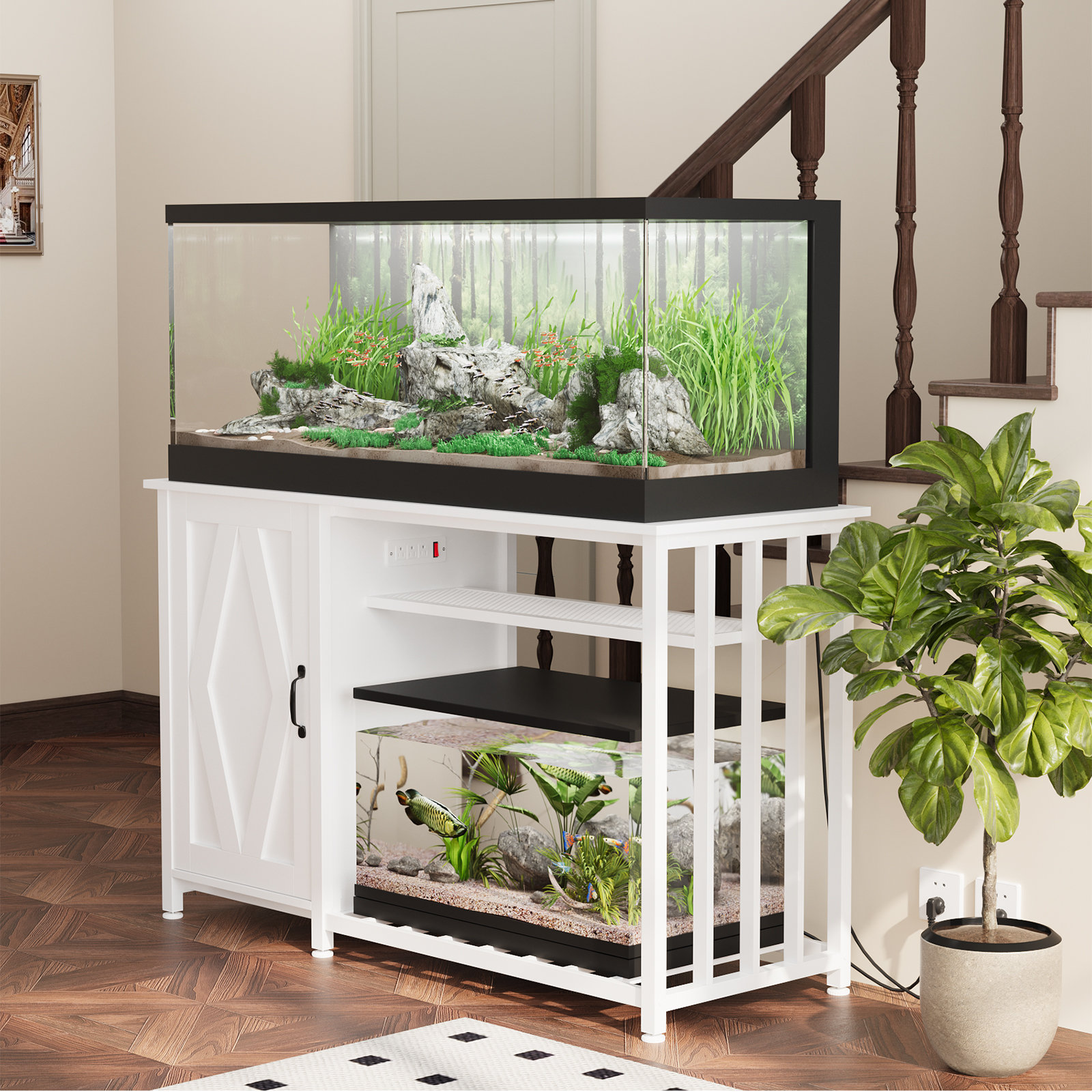
Aquarium cabinets for heavy tanks need smart storage solutions. They must hold equipment and supplies safely. Easy access is important to maintain your aquarium well.
Good design helps keep everything organized. It also protects your gear from dust and damage. Let’s explore key features that improve storage and accessibility.
Hidden Compartments
Hidden compartments offer secure spaces for valuable items. They keep chemicals, tools, and small parts out of sight. This helps prevent clutter and accidental spills.
These compartments often use sliding panels or secret doors. They blend with the cabinet’s design while adding extra storage.
Open Shelving Benefits
Open shelves make it easy to reach daily-use items. You can quickly grab food, nets, or cleaning tools. This saves time during tank maintenance.
- Allows fast access to supplies
- Keeps items visible and organized
- Helps air circulation around equipment
- Supports heavier items without damage
Cable And Equipment Management
Managing cables and equipment is crucial for safety. Proper routing prevents tangles and reduces trip hazards. It also protects wires from water damage.
| Feature | Benefit |
| Cable clips and ties | Keep wires neat and secure |
| Built-in holes for cables | Allow easy pass-through without clutter |
| Separate compartments for pumps and filters | Reduce noise and vibration |
| Ventilated sections | Prevent overheating of equipment |
Protecting Your Cabinet
A strong aquarium cabinet must resist water and daily wear. Protecting it keeps your tank safe and extends the cabinet’s life.
Use good care methods to avoid damage from water, scratches, and dirt. Simple steps help maintain the cabinet’s look and function.
Waterproofing Tips
Water can damage wood and cause swelling or warping. Seal your cabinet with waterproof paint or varnish to stop water from soaking in.
- Apply a clear waterproof sealant every six months.
- Use silicone around joints to block leaks.
- Place a water-resistant mat under the tank.
- Wipe spills immediately to avoid water damage.
Scratch And Impact Resistance
Protect your cabinet from scratches and bumps by using pads and careful handling. Strong surfaces last longer and look better.
| Method | Benefit |
| Use felt pads under items | Prevents scratches on wood |
| Handle with care during moves | Avoids dents and cracks |
| Choose scratch-resistant paint | Reduces marks from daily use |
Maintenance And Cleaning
Regular cleaning keeps your cabinet fresh and strong. Use soft cloths and mild cleaners to protect the finish.
Cleaning tips:
- Dust weekly with a soft cloth.
- Clean spills right away to prevent stains.
- Avoid harsh chemicals that damage finish.
- Check for loose screws or joints monthly.
Budgeting For Heavy Tank Cabinets
Choosing the right aquarium cabinet for heavy tanks is important. It affects both your budget and the safety of your fish.
Understanding the costs involved helps you make better decisions. Let’s explore some key considerations.
Cost Vs. Durability
Durability often goes hand in hand with cost. Stronger materials like metal or high-quality wood usually cost more.
- Metal cabinets: High durability, higher cost
- Wood cabinets: Moderate durability, moderate cost
- Particleboard: Low durability, low cost
Diy Vs. Pre-made Options
Deciding between DIY or pre-made options depends on your skills and budget. DIY can save money, but requires time.
| Option | Pros | Cons |
| DIY | Cost-saving, customizable | Time-consuming, skill needed |
| Pre-made | Convenient, professionally made | More expensive, limited design |
Long-term Investment Value
Think of your cabinet as a long-term investment. High-quality cabinets may cost more, but they last longer.
Credit: www.wayfair.ca
Frequently Asked Questions
What Weight Capacity Should An Aquarium Cabinet Have?
An aquarium cabinet must support the tank’s weight plus water and decorations. Choose cabinets rated for at least 25% more than your tank’s full load for safety and durability.
How To Choose The Best Material For Heavy Tank Cabinets?
Look for solid wood, metal, or reinforced plywood cabinets. These materials offer strong support and resist warping or bending under heavy aquarium weight.
Can I Customize An Aquarium Cabinet For Large Tanks?
Yes, custom cabinets can be built to your tank’s exact dimensions and weight needs. Custom options allow for tailored storage and design preferences.
What Features Improve Stability In Heavy Aquarium Cabinets?
Features like sturdy legs, cross braces, and levelers enhance stability. Proper weight distribution and a flat surface are critical to prevent tank tipping or damage.
Conclusion
Choosing the right aquarium cabinet ensures safety and style. Strong materials support heavy tanks without risk. Proper design helps keep your aquarium stable and neat. A good cabinet also hides equipment and wires nicely. Think about size, weight, and storage before buying.
This small effort protects your fish and home. Enjoy your aquarium with peace of mind.