
If you’re serious about breeding fish, you know how important a clean and healthy tank is for your little swimmers. But choosing the right aquarium filter for breeder tanks can be tricky.
You need something that keeps the water crystal clear without harming delicate fry or stressing the adult fish. In this guide, you’ll discover exactly what to look for in a filter that supports your breeding success. By the end, you’ll feel confident picking the perfect filter to give your fish the best start possible.
Keep reading—your future fish colony depends on it!
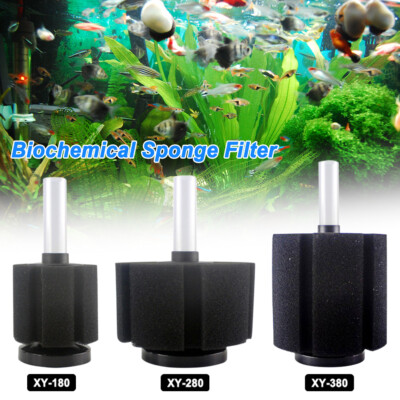
Credit: www.ebay.ca
Choosing Filters For Breeder Tanks
Choosing the right filter is important for breeder tanks. It keeps water clean and safe for fish and fry.
Filters help remove waste and harmful chemicals. Good filtration supports healthy fish growth.
Types Of Aquarium Filters
There are several filter types for breeder tanks. Each type works differently and has its own benefits.
- Hang-on-back filters hang on the tank’s side. They are easy to clean and maintain.
- Canister filters sit outside the tank. They offer strong filtration and hold lots of media.
- Sponge filters use air power and are gentle for fry. They provide biological filtration.
- Internal filters fit inside the tank. They save space but may need frequent cleaning.
Filter Size And Capacity
Filter size matters for breeder tanks. It must match the tank size and fish load.
A filter with too low capacity will not clean water well. Too large filters can stress fish with strong currents.
- Choose a filter rated for at least the tank’s volume.
- Adjust flow rate to avoid strong water movement.
- Consider future fish growth when picking filter size.
Filter Media Options
Filter media trap debris and support beneficial bacteria. Different media types work together for clear water.
Common media types include mechanical, biological, and chemical. Each has a special role in filtration.
- Mechanical media removes solid waste like uneaten food.
- Biological media helps grow bacteria that break down toxins.
- Chemical media removes impurities and odors from water.
Maintaining Water Quality
Good water quality is key for breeder tanks. It keeps fish healthy and helps eggs develop well.
Using the right aquarium filter supports clean water by removing harmful substances and balancing the tank environment.
Importance Of Clean Water For Breeding
Clean water lowers stress for fish and reduces disease risks. It also helps baby fish grow strong.
Removing Waste And Toxins
Filters take out fish waste, uneaten food, and toxic chemicals. This keeps water safe and clear.
- Removes ammonia and nitrites
- Prevents buildup of harmful substances
- Improves oxygen levels in water
- Reduces bad smells and cloudiness
Balancing Water Parameters
Good filters help keep water temperature, pH, and hardness stable. These factors affect fish health and breeding success.
| Parameter | Ideal Range for Breeder Tanks |
|---|---|
| Temperature | 75°F – 80°F (24°C – 27°C) |
| pH Level | 6.5 – 7.5 |
| Water Hardness | 5 – 12 dGH |
Setting Up Filters For Breeder Tanks
Filters keep breeder tanks clean and safe for fish. Proper setup helps protect eggs and fry.
This guide covers placement, flow rate, and how to avoid stress to young fish.
Placement And Installation Tips
Place filters where water flows evenly across the tank. Avoid spots that create strong currents near eggs or fry.
- Install filters at tank corners or back walls
- Keep intake away from eggs and small fry
- Secure filter so it does not move or shake
- Use sponge pre-filters to protect tiny fish
Flow Rate Considerations
Choose a filter with an adjustable flow rate. Strong currents can harm fragile fry and eggs.
| Flow Rate (GPH) | Tank Size (Gallons) | Recommended Use |
|---|---|---|
| 50-100 | 5-10 | Small breeder tanks with fry |
| 100-200 | 10-20 | Medium tanks with eggs and fry |
| 200+ | 20+ | Large breeder tanks with adult fish |
Avoiding Stress To Fry And Eggs
Stress can kill eggs and fry. Use gentle filtration and keep water stable to reduce stress.
- Use sponge filters or add sponge covers to intakes
- Keep water temperature steady
- Perform regular but gentle water changes
- Avoid loud noises and sudden movements near the tank

Credit: www.amazon.ca
Common Filter Problems
Aquarium filters are key for healthy breeder tanks. They keep the water clean and clear. Filters can have problems that affect their work.
Knowing common filter problems helps you fix them fast. This keeps your fish safe and your tank balanced.
Clogging And Reduced Efficiency
Filters can get clogged with debris, waste, and uneaten food. This slows water flow and lowers cleaning power. A clogged filter may cause cloudy water and poor oxygen levels.
- Check and clean filter media regularly
- Remove large debris before it enters the filter
- Replace worn or old filter parts
Noise And Vibration Issues
Filters can make loud noises or vibrate too much. This can stress fish and bother people. Noise may come from trapped air, loose parts, or dirty impellers.
| Cause | Solution |
| Trapped Air | Bleed the filter to remove air pockets |
| Loose Parts | Tighten screws and fittings |
| Dirty Impeller | Clean or replace the impeller |
Preventing Filter Malfunctions
Regular care can stop most filter problems. Set a cleaning schedule and watch the filter’s performance. Proper setup also helps avoid damage.
- Clean filter parts every 2–4 weeks
- Use the correct filter size for your tank
- Check water flow and remove blockages
- Keep power cords and plugs dry and secure
Optimizing Filtration For Different Breeds
Breeder tanks need special care to keep fish healthy. Filtration plays a big role in water quality and fish well-being.
Different fish breeds need different filter types and setups. Choosing the right filter helps maintain clean water and good oxygen levels.
Filters For Freshwater Breeder Tanks
Freshwater breeder tanks need filters that handle waste without stressing the fish. Mechanical and biological filtration are important.
Canister filters and sponge filters are common choices. Sponge filters are gentle and good for small or delicate fish.
- Use mechanical filtration to remove solid waste
- Biological filtration helps break down harmful chemicals
- Sponge filters provide gentle water flow
- Canister filters offer strong cleaning for larger tanks
Filters For Saltwater Breeder Tanks
Saltwater breeder tanks need filters that support stable water conditions. Protein skimmers remove organic waste before it breaks down.
Live rock and sump filters add biological filtration. They keep water clean and provide places for beneficial bacteria.
- Protein skimmers remove dissolved waste
- Live rock acts as natural biological filter
- Sump filters increase water volume and filtration
- Use powerheads to improve water circulation
Customizing Filtration For Sensitive Species
Some fish breeds are sensitive to strong water flow or poor water quality. Filters must be adjusted to meet their needs.
Use gentle filters like sponge filters or adjust flow rate. Add extra biological media to keep water stable and safe.
- Lower water flow to avoid stressing fish
- Add more biological filter media for stable water
- Regularly clean filters without removing beneficial bacteria
- Monitor water quality more often
Filter Maintenance Routine
Keeping your breeder tank clean is important for healthy fish. A good filter maintenance routine helps maintain water quality.
Regular maintenance ensures your filter works well. It also helps prevent issues before they start.
Cleaning And Replacing Media
Filter media needs regular cleaning. This keeps your tank water clear and safe for fish.
Replace media when it shows signs of wear. This ensures the filter works effectively.
- Rinse media in tank water, not tap water
- Replace carbon media monthly
- Change sponge media every 3 months
Regular Inspection Checklist
Inspect your filter parts often. This helps catch problems early and keeps the filter working well.
Check for clogs and leaks. Ensure all parts are in good condition.
- Look for cracks in filter housing
- Check for unusual noises
- Ensure hoses are firmly connected
Signs You Need To Upgrade Your Filter
Sometimes filters need upgrading. This helps keep up with your tank’s needs.
Notice if your filter struggles to keep water clear. Upgrading may be necessary for larger fish populations.
- Water remains cloudy despite cleaning
- Filter runs loudly or frequently stops
- Fish seem stressed or unhealthy

Credit: www.amazon.ca
Frequently Asked Questions
What Is The Best Aquarium Filter For Breeder Tanks?
The best filter for breeder tanks is gentle, efficient, and promotes clean water. Sponge filters are ideal as they provide biological filtration without strong currents that can harm fry.
How Often Should I Clean A Breeder Tank Filter?
Clean your breeder tank filter every 2-4 weeks. Avoid deep cleaning to preserve beneficial bacteria vital for water quality and fish health.
Can I Use A Hang-on-back Filter In Breeder Tanks?
Yes, but choose a model with adjustable flow. Strong currents can stress young fish, so moderate water movement is crucial for breeder tanks.
Why Is Filtration Important In Breeder Tanks?
Filtration removes waste and toxins, maintaining water quality. This creates a healthy environment for breeding fish and ensures fry survival.
Conclusion
Choosing the right aquarium filter helps keep breeder tanks clean and healthy. Clean water supports fish growth and reduces stress. Filters remove waste and harmful substances from the water. Good filtration creates a safe home for baby fish. Regular filter maintenance ensures it works well over time.
A strong filter helps maintain good water quality easily. Healthy fish mean happier breeders and better breeding results. Keep your breeder tank’s filter in top shape for success. Simple steps lead to a thriving aquarium environment.