
If you have a community tank, you know how important it is to keep your fish happy and healthy. But how do you make sure the water stays clean and clear for all your aquatic friends?
The secret lies in choosing the right aquarium filter for community tanks. This simple device can make a huge difference in the life of your fish and the overall balance of your tank. You’ll discover what makes a filter perfect for community setups and how to pick one that fits your needs.
Keep reading to unlock the key to a thriving, vibrant aquarium!
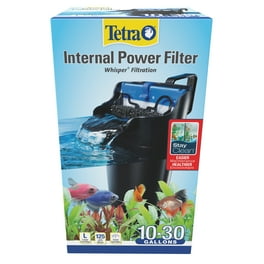
Credit: www.walmart.com
Types Of Aquarium Filters
A clean aquarium helps fish stay healthy and happy. Filters remove dirt and harmful substances from the water. Different filters work in different ways to keep water clear and safe.
Choosing the right filter depends on your tank size, fish types, and maintenance routine. Below are the main types of aquarium filters used in community tanks.
Mechanical Filters
Mechanical filters trap solid particles like fish waste and uneaten food. They clean the water by physically removing debris. Common materials include sponge, floss, or pads.
These filters need regular cleaning to avoid clogging. If not cleaned, they lose efficiency and can harm water flow.
Biological Filters
Biological filters use good bacteria to break down toxic waste. These bacteria convert harmful ammonia into less harmful nitrates. This process is essential for a healthy tank.
- Uses porous materials like ceramic rings or bio balls
- Supports growth of beneficial bacteria
- Needs oxygen-rich water to work well
Chemical Filters
Chemical filters remove dissolved substances from water. They use materials like activated carbon or resins. These filters help clear odors and discoloration from the aquarium.
| Chemical Media | Function |
| Activated Carbon | Removes odors and toxins |
| Zeolite | Absorbs ammonia |
| Phosphate Remover | Reduces algae growth |
Combination Filters
Combination filters include mechanical, biological, and chemical media. They offer complete filtration in one unit. These filters save space and simplify tank care.
- All-in-one cleaning system
- Easy to maintain
- Suitable for most community tanks
Choosing Filters For Community Tanks
Community tanks have many types of fish living together. Choosing the right filter keeps water clean and fish healthy.
A good filter removes waste and keeps water clear. Picking the right one depends on tank size and fish types.
Filter Capacity And Tank Size
The filter must handle the size of your tank. A filter too small will not clean well enough.
Check the filter’s capacity before buying. It should match or exceed your tank’s volume in gallons or liters.
- Smaller tanks (up to 20 gallons) need smaller filters
- Larger tanks (over 50 gallons) need bigger filters or multiple units
- Filters rated for higher capacity give better water quality
Flow Rate Considerations
The flow rate is how fast water moves through the filter. It affects how well the tank stays clean.
A good flow rate should cycle the tank water 4 to 6 times each hour. Too strong flow can stress fish.
- Low flow for small or delicate fish
- Moderate flow for most community tanks
- Adjustable flow filters offer flexibility
Noise Levels And Placement
Filters can make noise. Choose a quiet filter for calm tank environments.
Place the filter where noise and vibrations are least disturbing. Proper placement also helps good water flow.
- External filters are often quieter
- Keep filter away from walls and furniture
- Use soft mats to reduce vibration noise
Benefits Of Effective Filtration
Using a good aquarium filter helps keep community tanks clean and healthy. Filters remove dirt and waste from the water.
Effective filtration supports fish well-being and keeps the tank clear and balanced.
Maintaining Water Clarity
Clear water makes the aquarium look beautiful and lets you see your fish well. Filters trap particles that cloud the water.
- Remove leftover food and fish waste
- Filter out tiny debris and dirt
- Keep water fresh and clear
Supporting Fish Health
Good filtration helps fish stay healthy by removing harmful substances. It keeps the water safe and balanced.
| Benefit | Effect |
| Removes toxins | Prevents fish diseases |
| Maintains oxygen levels | Supports fish breathing |
| Balances pH | Reduces fish stress |
Reducing Algae Growth
Filters help reduce algae by removing excess nutrients from the water. Less food for algae means slower growth.
- Clean filter media regularly
- Use filter types that remove phosphates
- Keep water flow steady and strong

Credit: www.reddit.com
Installation Tips For Filters
Installing an aquarium filter correctly helps keep the water clean and healthy. Good setup improves the filter’s performance and tank life.
Follow simple steps to place and start your filter for community tanks. Proper installation makes a big difference.
Positioning In The Aquarium
Place the filter where water flows well through the tank. Avoid spots blocked by decorations or plants.
Keep the filter intake near the bottom for better cleaning. The outflow should create gentle water movement.
- Choose a corner or side wall for the filter
- Keep filter intake away from fish hiding places
- Ensure easy access for cleaning and maintenance
Setting Up Filter Media
Use the right filter media in the correct order for best results. Media traps dirt and helps good bacteria grow.
Start with coarse media to catch large debris. Then add finer media for smaller particles and chemical filtration.
- Place mechanical media first to trap big waste
- Add biological media to support beneficial bacteria
- Use chemical media last to remove toxins
- Rinse media with tank water before use
Priming And Starting The Filter
Priming fills the filter with water before turning it on. This helps avoid damage and noise.
Follow the filter’s instructions to prime it. Check all parts fit tightly and tubing is secure.
- Fill the filter chamber with water before starting
- Plug in the filter and watch for steady water flow
- Listen for unusual sounds and fix leaks immediately
- Run the filter for a few hours before adding fish
Maintenance And Cleaning
Keeping your aquarium filter clean is crucial. It helps maintain a healthy environment for your fish. Regular maintenance ensures the filter works effectively.
Community tanks need special care. They often have more fish, producing extra waste. This makes regular filter cleaning even more important.
When To Clean Filter Media
Cleaning filter media depends on your tank’s needs. Generally, every two to four weeks is a good interval. Check the water flow to decide if cleaning is necessary.
- Reduced water flow indicates a dirty filter
- Check water clarity for signs of dirt
- Observe fish behavior for stress or discomfort
How To Clean Without Killing Beneficial Bacteria
Beneficial bacteria are essential for a healthy tank. Clean the filter gently to avoid killing these bacteria. Always use tank water to rinse filter media.
Avoid using tap water for cleaning. The chlorine in tap water can harm the bacteria. Handle the filter media carefully to keep bacteria alive.
Replacing Filter Components
Sometimes, filter components need replacing. Sponges and cartridges wear out over time. Replace them every few months to ensure optimal performance.
Follow the manufacturer’s instructions for replacements. Keep spare parts handy for quick changes. This minimizes downtime and keeps your tank clean.
| Component | Replacement Frequency |
| Sponge | Every 3-6 months |
| Cartridge | Every 1-2 months |
| Biomedia | Rarely, only if damaged |

Credit: www.amazon.com
Common Problems And Solutions
Aquarium filters are important for keeping fish tanks clean. They help remove waste and keep water healthy. Community tanks have unique challenges. This guide covers common problems and solutions.
Learn how to fix issues like filter clogging, low water flow, and noise. These tips can help maintain a peaceful tank environment.
Filter Clogging
Filters can get clogged with debris and waste. This reduces their efficiency. Regular cleaning helps prevent this problem. Clogged filters can cause water to become dirty.
Check your filter weekly. Remove any visible dirt and rinse the media. Avoid using soap as it can harm fish.
- Clean the filter media regularly
- Rinse with tank water, not tap water
- Inspect the filter for blockages
Insufficient Flow
Water flow is crucial for distributing oxygen and nutrients. A slow flow can lead to poor water quality. Fish may become stressed or sick.
Check the filter’s flow rate often. Make sure nothing is blocking the inlet or outlet. Adjust settings if your filter allows it.
| Problem | Solution |
| Low flow | Adjust filter settings |
| Blocked inlet | Clear any obstructions |
Noise Issues
Noisy filters can be annoying. They can disturb both fish and people. Causes include vibrations, loose parts, or air bubbles.
Ensure all parts are securely fitted. Check for trapped air and release it. Place a mat under the filter to reduce vibrations.
- Tighten any loose parts
- Release trapped air
- Use a mat to reduce noise
Enhancing Filtration With Add-ons
Good filtration keeps community tanks clean and healthy. Using add-ons can improve water quality. These extra tools help remove more waste and harmful substances.
Add-ons like UV sterilizers, bio balls, and activated carbon increase filter efficiency. Each type targets different impurities and supports beneficial bacteria.
Using Uv Sterilizers
UV sterilizers use ultraviolet light to kill harmful bacteria and parasites. They reduce water cloudiness and control algae growth. This keeps fish healthier and lowers disease risks.
These devices fit after the main filter. Water flows through the UV chamber before returning to the tank. They are easy to install and require little maintenance.
Adding Bio Balls Or Ceramic Rings
Bio balls and ceramic rings provide surface area for good bacteria. These bacteria break down harmful ammonia and nitrites. They are essential for biological filtration.
- Bio balls are plastic spheres with many holes.
- Ceramic rings are small porous tubes.
- Both fit inside filter compartments.
- They help keep water safe for fish.
Incorporating Activated Carbon
Activated carbon removes odors, discoloration, and chemicals. It traps impurities that other media miss. This helps keep water clear and odor-free.
| Type of Carbon | Use | Replacement Time |
| Granular Activated Carbon | General filtration | Every 3-4 weeks |
| Powdered Activated Carbon | Fast absorption | Every 2-3 weeks |
| Extruded Activated Carbon | Long-lasting filtration | Every 4-6 weeks |
Frequently Asked Questions
What Type Of Filter Is Best For Community Tanks?
Canister filters are ideal for community tanks. They provide strong mechanical, biological, and chemical filtration. This ensures clear water and a healthy environment for diverse fish species.
How Often Should I Clean My Aquarium Filter?
Clean your aquarium filter every 3 to 4 weeks. Regular cleaning prevents clogging and maintains efficient filtration. Avoid over-cleaning to preserve beneficial bacteria essential for tank health.
Can One Filter Support Multiple Community Tanks?
A single filter can support multiple tanks if properly sized. Ensure the filter’s flow rate matches the combined tank volume. Using sponge pre-filters helps avoid cross-contamination between tanks.
What Are The Signs Of A Failing Aquarium Filter?
Signs include cloudy water, unusual odors, and sluggish water flow. Fish may also appear stressed or sick. Immediate filter maintenance or replacement is necessary to protect aquatic life.
Conclusion
Choosing the right aquarium filter keeps your community tank clean and healthy. Good filtration helps fish live longer and stay active. It removes dirt, waste, and harmful chemicals from the water. Always pick a filter that fits your tank size and fish type.
Regular cleaning and maintenance keep the filter working well. Clean water means happy fish and a beautiful aquarium. Your community tank will thrive with proper filtration care. Simple steps lead to a peaceful and vibrant underwater world.