
Setting up a fish tank can be exciting, but have you thought about adding hiding spots for your fish? These little safe spaces do more than just look nice—they help your fish feel secure and reduce stress.
When your fish feel safe, they stay healthier and more active, making your tank a lively and beautiful sight. You’ll discover easy and effective ways to create hiding spots that your fish will love. Keep reading to transform your aquarium into a peaceful underwater haven!
Choosing The Right Tank
Setting up a fish tank with hiding spots starts with picking the right tank. The tank size, shape, and material affect fish comfort and tank setup.
Good placement also helps fish feel safe and happy. Below are key points to consider for your tank choice.
Tank Size And Shape
Choose a tank size that fits the fish species and number. Bigger tanks give fish more space to swim and hide.
Tanks come in many shapes. Rectangular tanks offer more surface area for oxygen. Tall tanks suit fish that swim vertically.
- Small tanks suit small fish or single species
- Large tanks allow more hiding spots and decorations
- Flat tanks show fish better but need more cleaning
- Tall tanks are good for plants and tall hiding spaces
Material Options
Most fish tanks are made from glass or acrylic. Glass is clear and scratch-resistant. Acrylic is lighter and stronger but scratches easier.
Both materials hold water well but need regular cleaning. Acrylic tanks can be shaped in many ways for creative hiding spots.
- Glass tanks are heavy but durable
- Acrylic tanks are light and flexible
- Check for smooth edges to protect fish
- Choose material based on your budget and style
Placement Tips
Place your tank where fish feel safe and calm. Avoid direct sunlight to stop algae growth and overheating.
Keep the tank away from busy areas and loud noises. Stable surfaces prevent accidents. Position hiding spots where fish can easily reach.
- Use a sturdy stand that can hold tank weight
- Keep tank away from windows and heaters
- Choose a quiet spot with gentle room light
- Arrange hiding spots near plants or decorations
Selecting Hiding Spots
Hiding spots are important for fish to feel safe in the tank. They reduce stress and help fish rest.
Choose hiding places that match your fish’s needs. They should be easy to clean and safe.
Natural Decorations
Natural decorations like rocks and driftwood create real hiding areas. They look good and provide shelter.
Use smooth stones to avoid fish injury. Driftwood adds texture and places to hide.
- Choose non-toxic rocks and wood
- Arrange pieces to form caves or tunnels
- Clean decorations before adding to tank
Artificial Structures
Artificial structures like caves and tunnels provide safe spots. They come in many shapes and sizes.
Pick ones made for aquariums. Avoid sharp edges to protect your fish.
- Use plastic or resin caves
- Choose smooth and durable materials
- Place structures where fish can easily hide
Plants As Shelter
Plants give natural cover for fish to hide in. They help keep water clean and oxygenated.
Use live or artificial plants. Dense plants offer the best shelter.
- Choose tall or bushy plants
- Place plants in groups for better cover
- Check if plants suit your fish species
Substrate And Layout
Setting up a fish tank requires careful choice of substrate and layout. These elements help create a natural environment for your fish.
Choosing the right substrate and arranging hiding spots can improve fish health and comfort. It also makes your tank look more attractive.
Gravel Vs Sand
Gravel and sand are popular substrates for fish tanks. Gravel allows good water flow and root growth. Sand offers a smooth surface and is easy to clean.
- Gravel comes in many colors and sizes, adding texture.
- Sand can compact and create low oxygen zones.
- Gravel suits fish that like to dig and forage.
- Sand works well for bottom dwellers like catfish.
- Both need rinsing before use to remove dust.
Creating Depth And Layers
Layering substrate adds depth and natural look. Start with a base layer of larger gravel. Add finer gravel or sand on top. This helps plant roots grow well.
Use this simple layering method:
- Place 1-2 inches of coarse gravel as the bottom layer.
- Add 1 inch of fine gravel or sand on top.
- Arrange plants and decorations over the layers.
- Make small slopes or hills for a natural effect.
Safe Arrangement Ideas
Arrange hiding spots so fish feel safe. Use rocks, plants, and driftwood. Avoid sharp edges that can hurt fish.
| Material | Safety Tips | Benefits |
| Rocks | Use smooth stones only | Creates caves and crevices |
| Plants | Choose non-toxic species | Provides cover and oxygen |
| Driftwood | Soak before use to prevent tannins | Offers natural hiding spots |
| Decorations | Check for fish-safe paint and edges | Adds color and structure |

Credit: www.reddit.com
Water Conditions And Filtration
Setting up a fish tank with hiding spots needs careful water care. Clean water helps fish stay healthy and active.
Good filtration and stable water conditions keep your tank safe. They also reduce stress for your fish.
Temperature Control
Fish need the right temperature to live well. Use a reliable heater to keep water steady. Avoid sudden changes in heat.
Most tropical fish like water between 75°F and 80°F. Use a thermometer to check temperature daily.
Filtration Systems
Filters clean fish waste and leftover food from the water. They help stop harmful chemicals from building up.
- Mechanical filters trap dirt and particles.
- Biological filters use good bacteria to break down waste.
- Chemical filters remove toxins and odors.
Choose a filter that fits your tank size. Clean or replace filter parts as the maker suggests.
Water Quality Maintenance
Regular water tests keep your tank safe. Check for ammonia, nitrites, and nitrates often. Keep these levels low.
| Test | Safe Level |
| Ammonia | 0 ppm |
| Nitrites | 0 ppm |
| Nitrates | Below 20 ppm |
Change 10-20% of the water every week. Use a water conditioner to remove chlorine before adding new water.
Choosing Compatible Fish
Setting up a fish tank with hiding spots improves fish comfort. Picking fish that get along is key for a peaceful aquarium.
Some fish need hiding places to feel safe. Others may show different behaviors that affect tank harmony. It is important to know which fish fit well together.
Species That Need Hiding Spots
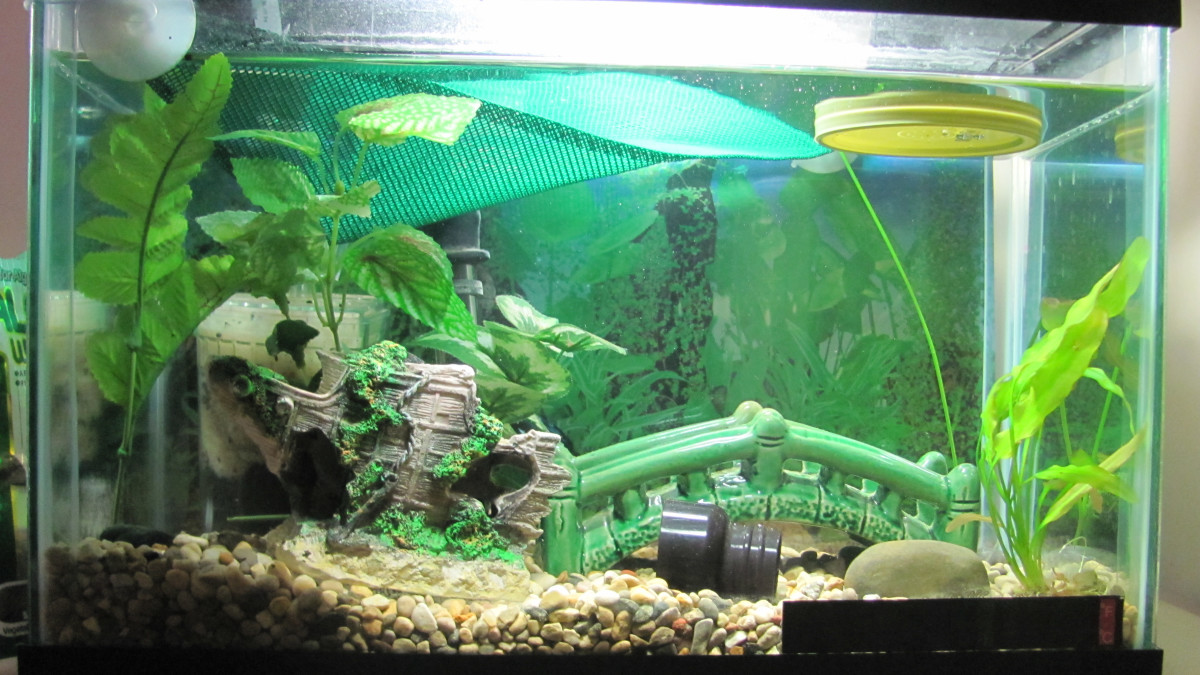
Many fish species prefer places to hide. Hiding spots reduce stress and help shy fish feel secure. Examples include:
- Corydoras catfish
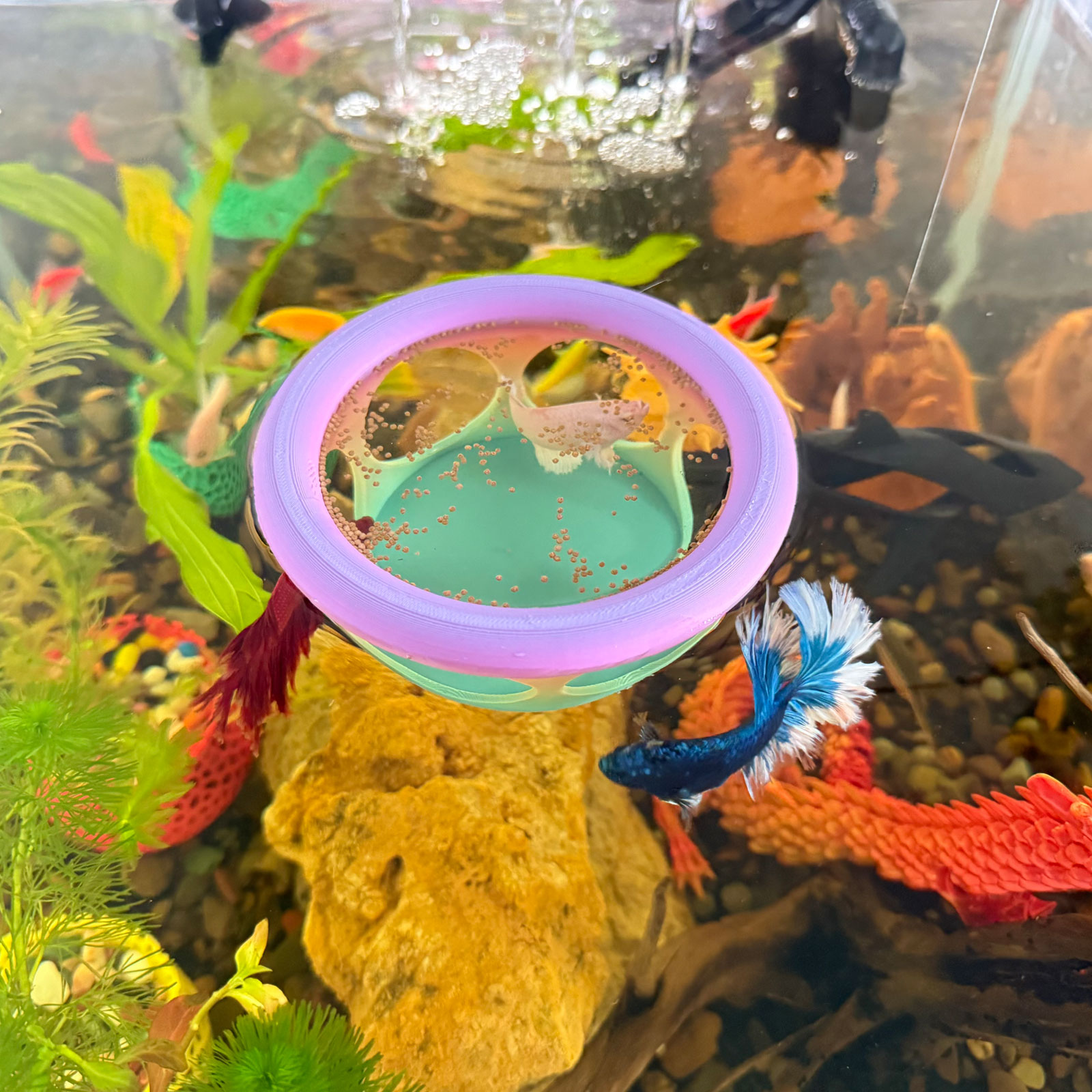
- Betta fish
- Angelfish
- Loaches
- Gouramis
Behavior And Compatibility
Understanding fish behavior helps create a balanced tank. Some fish like to swim alone, while others enjoy groups. Mixing aggressive and peaceful fish can cause problems.
| Fish Type | Behavior | Compatibility |
| Corydoras Catfish | Peaceful, bottom-dweller | Good with most community fish |
| Betta Fish | Territorial, solitary | Avoid other bettas and fin-nippers |
| Angelfish | Semi-aggressive, mid-level swimmer | Keep with larger, non-aggressive fish |
| Loaches | Active, social | Best in groups of 3 or more |
| Gouramis | Peaceful but territorial | Can live with other peaceful fish |
Avoiding Aggression
Aggression causes stress and injury. Hiding spots reduce fights by giving fish safe zones. Follow these tips to avoid aggression:
- Provide plenty of caves and plants
- Choose fish with similar temperaments
- Do not overcrowd the tank
- Separate aggressive fish if needed
- Keep water conditions stable
Credit: pethelpful.com
Lighting And Ambiance
Setting up a fish tank involves more than just water and fish. Lighting plays a crucial role in creating ambiance and ensuring fish wellbeing.
Proper lighting can simulate natural environments, which helps fish feel more at home. This guide will explore different lighting types and their effects.
Lighting Types
Different types of lighting can be used in a fish tank. Each type has its unique benefits and impacts on fish health.
- LED lights: Energy-efficient and customizable.
- Fluorescent lights: Provide bright, even lighting.
- Incandescent lights: Produce a warm, soft glow.
Simulating Natural Environment
Simulating a natural environment is key for a happy fish tank. Lighting can mimic sunlight and moonlight, creating a realistic day-night cycle.
Consider using timersto automate light changes. This helps fish adapt to a natural rhythm.
Impact On Fish Behavior
Lighting affects fish behavior significantly. The right light can reduce stress and encourage natural activities like feeding and exploring.
| Light Type | Behavior Impact |
| Bright Light | Increased activity |
| Dim Light | Calm, restful behavior |
| Blue Light | Enhanced colors and relaxation |
Routine Care And Maintenance
Setting up a fish tank with hiding spots is exciting. Routine care ensures a healthy environment for your fish.
Maintenance includes cleaning, health checks, and water changes. These steps keep your aquarium vibrant and safe.
Cleaning Hiding Spots
Hiding spots are essential for fish to feel safe. Regular cleaning prevents algae and bacteria buildup.
- Gently remove hiding spots from the tank.
- Rinse them with warm water to remove debris.
- Use a soft brush for tough spots.
- Return them to the tank once clean.
Monitoring Fish Health
Observing your fish daily helps in early detection of health issues. Healthy fish are active and have bright colors.
| Signs of Health | Signs of Illness |
| Clear eyes | Cloudy eyes |
| Active swimming | Floating or sinking |
| Good appetite | Refusal to eat |
Regular Water Changes
Regular water changes are vital. They maintain water quality and remove waste products.
Use a siphon to remove 10-15% of the water weekly. Replace it with clean, dechlorinated water.
Credit: www.amazon.com
Enhancing Fish Comfort
Setting up a fish tank with hiding spots helps fish feel safe. A comfortable tank reduces stress and improves fish health.
Adding shelters mimics natural environments. This allows fish to relax and show normal behaviors.
Stress Reduction Techniques
Stress harms fish and can cause illness. Hiding spots give fish a place to escape from bright light or aggressive tank mates.
- Use plants or decorations as cover
- Place caves or tunnels for shelter
- Avoid overcrowding the tank
- Keep water clean and stable
Providing Multiple Shelters
Different fish prefer different hiding places. Offering a variety of shelters helps all species feel secure.
| Shelter Type | Description | Best For |
| Plants | Natural cover with leaves and stems | Small and shy fish |
| Rock Caves | Solid hiding spots with openings | Bottom dwellers and territorial fish |
| Driftwood | Natural wood with crevices | Fish that like to hide and graze |
| Plastic Decorations | Colorful shelters in various shapes | All fish types, adds color |
Encouraging Natural Behavior
Fish behave better when their tank feels like home. Hiding spots let fish explore, rest, and avoid threats.
Natural behaviors supported by hiding spots include:
- Territory marking
- Breeding and nesting
- Resting without disturbance
- Escaping predators or aggressive fish
Frequently Asked Questions
What Are The Best Hiding Spots For Fish Tanks?
Ideal hiding spots include caves, plants, driftwood, and rock formations. These provide shelter, reduce stress, and mimic natural habitats. Choose spots based on fish size and behavior. Proper hiding places enhance fish comfort and tank aesthetics.
How Do Hiding Spots Benefit Fish In Tanks?
Hiding spots reduce stress and aggression by offering safe retreats. They help shy fish feel secure and promote natural behaviors. This leads to healthier, more active fish and a balanced aquarium environment.
Can Hiding Spots Improve Fish Tank Health?
Yes, hiding spots improve health by reducing stress and territorial fights. Less stress means stronger immune systems and fewer diseases. Well-placed shelters also enhance water circulation and tank cleanliness.
What Materials Are Safe For Fish Tank Hiding Spots?
Use aquarium-safe materials like natural wood, smooth rocks, ceramic caves, and live or artificial plants. Avoid sharp or toxic items that can harm fish or pollute water. Always rinse new decorations before adding them.
Conclusion
Creating a fish tank with hiding spots helps fish feel safe and calm. Fish enjoy places to explore and rest. Adding caves, plants, or decorations works well. These spots reduce stress and keep fish healthy. Remember to keep hiding areas clean and safe.
A well-set tank makes watching fish more fun. Small changes can improve your tank’s environment. Your fish will thank you with bright colors and lively behavior. Keep learning and enjoy your fish tank journey.