
If you’re serious about keeping your aquarium crystal clear and your fish healthy, choosing the right filter is a game-changer. An aquarium filter for professionals isn’t just any filter—it’s designed to handle bigger tanks, tougher conditions, and delivers unmatched water quality.
You want a system that works quietly, efficiently, and keeps your underwater world thriving without constant hassle. You’ll discover exactly what makes a top-tier aquarium filter stand out and how to pick one that fits your expert needs perfectly. Keep reading to transform your aquarium care routine like never before.
Credit: www.walmart.ca
Choosing The Right Filter
Choosing the right aquarium filter helps keep your water clean. It supports a healthy environment for your fish.
Different filters work best for different tanks. Knowing what to pick can improve your aquarium’s health.
Types Of Aquarium Filters
There are several types of filters for aquariums. Each uses a different method to clean the water.
- Mechanical Filters:Remove debris by trapping particles in filter media.
- Biological Filters:Use beneficial bacteria to break down waste products.
- Chemical Filters:Remove toxins with activated carbon or resins.
- Canister Filters:External units that offer strong filtration for large tanks.
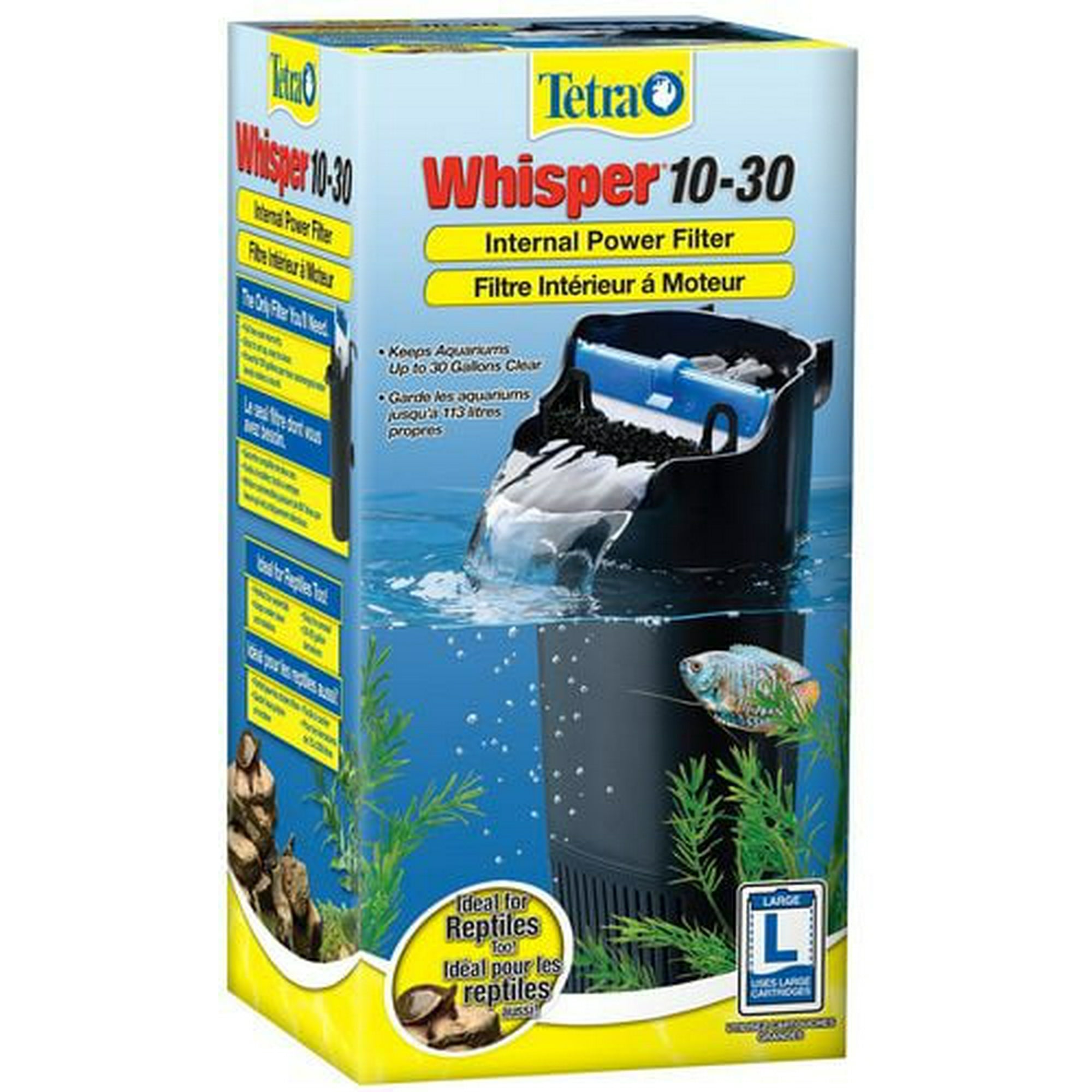
- Hang-on-back Filters:Easy to install and maintain for small to medium tanks.
- Sponge Filters:Gentle filtration, ideal for fry or shrimp tanks.
Filter Capacity And Aquarium Size
Filter capacity must match your aquarium size. A filter too small will not clean the water properly.
| Tank Size (Gallons) | Recommended Filter Flow Rate (GPH) |
|---|---|
| 10 or less | 100-200 |
| 11 to 30 | 200-400 |
| 31 to 60 | 400-800 |
| 61 to 100 | 800-1500 |
| Over 100 | 1500+ |
Compatibility With Fish Species
Some fish prefer calm water while others like strong currents. Choose a filter that suits your fish’s needs.
- Delicate fish like bettas need low flow filters.
- Active swimmers like cichlids benefit from stronger filtration.
- Bottom dwellers prefer filters that do not create strong surface currents.
- Shrimp and fry need gentle filtration to avoid harm.
Mechanical Filtration Techniques
Mechanical filtration removes solid particles from aquarium water. It traps debris like fish waste and uneaten food. This process helps keep water clear and healthy.
Effective mechanical filtration protects biological filters. It also reduces toxins by stopping waste buildup. Using proper media and maintenance is key to success.
Media Options For Mechanical Filtration
Choose media based on particle size and water flow. Common types include sponges, filter pads, and floss. Each type offers unique filtration strengths.
- Foam Sponges:Capture large debris and allow water flow.
- Filter Pads:Trap smaller particles with dense fibers.
- Filter Floss:Fine material for very small particles and polishing.
- Ceramic Rings:Mainly for biological filtration but can trap some solids.
Maintenance Tips For Efficiency
Clean media regularly to avoid clogging. Rinse filter material in tank water, not tap water, to protect beneficial bacteria. Replace worn media as needed.
| Task | Frequency | Notes |
| Rinse sponges and pads | Every 2 weeks | Use aquarium water for rinsing |
| Check for clogging | Weekly | Look for slow water flow |
| Replace filter floss | Monthly | Replace if very dirty or torn |
| Inspect filter housing | Monthly | Clean debris to maintain flow |
Biological Filtration Essentials
Biological filtration is key for a healthy aquarium. It uses beneficial bacteria to break down fish waste.
This process keeps water clean and safe for fish. Good filtration helps maintain a balanced environment.
Beneficial Bacteria And Bio-media
Beneficial bacteria grow on bio-media surfaces. These bacteria convert harmful ammonia to less toxic substances.
- Ammonia is changed into nitrites by bacteria.
- Nitrites are then converted into nitrates.
- Nitrates are less harmful and removed by water changes.
- Bio-media provides a large surface area for bacteria growth.
- Common bio-media types include ceramic rings and sponge filters.
Optimizing Biological Filtration
Proper care of the filter improves bacteria health. Regular cleaning and correct water flow help maintain the system.
| Action | Benefit |
|---|---|
| Rinse bio-media in tank water | Preserves beneficial bacteria colonies |
| Maintain steady water flow | Supplies oxygen and nutrients to bacteria |
| Avoid over-cleaning | Prevents bacteria loss and filtration drop |
| Replace bio-media gradually | Allows bacteria to recolonize the new media |
Credit: www.vevor.ca
Chemical Filtration Methods
Chemical filtration helps keep aquarium water clean and safe. It removes harmful substances that other filters may miss.
This type of filtration works by using special materials that absorb or change chemicals in the water.
Activated Carbon
Activated carbon is a common chemical filter media. It traps impurities, odors, and discoloration from the water.
The carbon has many tiny pores that catch chemicals and toxins. This keeps the water clear and healthy for fish.
Other Media
Besides activated carbon, other media remove specific chemicals. These include zeolite, resin, and phosphate removers.
Zeolite absorbs ammonia, which is toxic to fish. Resin targets harmful metals and nitrates. Phosphate removers reduce algae growth.
- Zeolite: removes ammonia
- Resin: removes metals and nitrates
- Phosphate removers: control algae
When To Use Chemical Filtration
Use chemical filtration when water has odors, discoloration, or harmful chemicals. It helps fix water problems fast.
Chemical filtration is useful after medication or cleaning. It removes leftover chemicals that can harm fish.
- Clear cloudy or yellow water
- Remove fish medication residues
- Control algae by removing phosphates
- Reduce harmful ammonia or metals
Advanced Filtration Systems
Aquarium filtration is key to keeping water clean and healthy. Advanced systems remove waste, toxins, and debris efficiently. Professionals often choose specialized filters for large or complex setups.
Choosing the right filtration system affects fish health and tank clarity. This guide covers canister filters and sump filters used by experts.
Canister Filters For High Performance
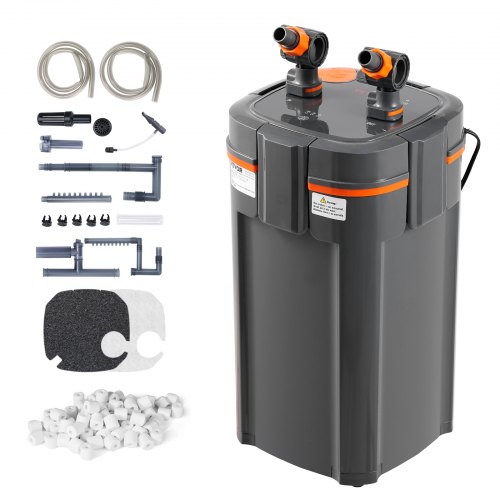
Canister filters sit outside the tank and use multiple chambers for filtration. They handle mechanical, chemical, and biological filtration well. These filters provide strong water flow and large media capacity.
- External placement saves space inside the tank
- Easy to customize filter media
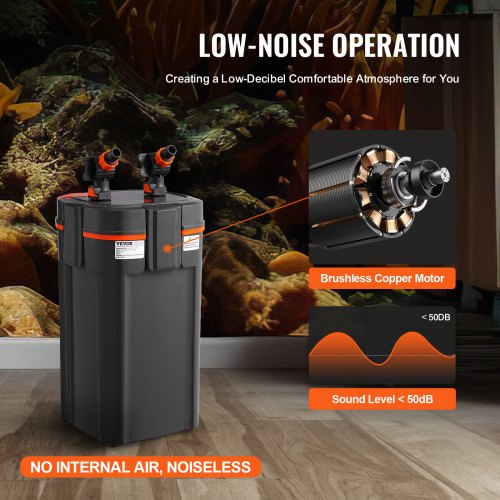
- Quiet operation with powerful pumps
- Suitable for large or heavily stocked tanks
Sump Filters And Custom Setups
Sump filters sit below the aquarium and hold extra water. They allow more filtration media and equipment like heaters. Custom setups can include refugiums and reactors for advanced water care.
| Feature | Benefit | Use Case |
| Large Media Volume | Better biological filtration | Big tanks with many fish |
| Extra Equipment Space | Place heaters and skimmers outside tank | Complex reef or freshwater tanks |
| Customizable Flow | Adjust water speed and direction | Delicate species needing gentle flow |
Credit: www.vevor.ca
Installation Best Practices
Setting up an aquarium filter correctly is essential. This ensures a healthy environment for aquatic life.
Follow these best practices for effective installation. This will keep your aquarium clean and clear.
Positioning For Maximum Flow
Positioning the filter is crucial for water circulation. It helps in distributing clean water evenly.
Place the filter near the water’s surface. This allows the filter to draw in debris efficiently.
- Avoid placing the filter too low in the tank
- Ensure the outlet faces the longest side of the tank
- Check for obstructions that block water flow
Ensuring Easy Access For Cleaning
Easy access to the filter is important. It makes cleaning and maintenance quick and simple.
Position the filter where you can reach it easily. This saves time during routine maintenance.
- Install filters with removable parts facing outward
- Avoid tight spaces that limit access
- Keep necessary cleaning tools nearby
Maintenance Routines For Professionals
Professional aquarium filter maintenance ensures a healthy environment for aquatic life. Regular routines help prevent problems and extend the lifespan of equipment.
This guide covers essential cleaning schedules and troubleshooting tips for professional-grade aquarium filters.
Cleaning Schedules And Procedures
Cleaning filters regularly is crucial for maintaining water quality. Professionals follow strict schedules to keep systems efficient.
- Weekly inspection for debris and blockages
- Monthly disassembly and thorough cleaning of filter parts
- Quarterly replacement of filter media
- Annual check-up of all components
Troubleshooting Common Issues
Even with regular maintenance, issues can arise. Identifying problems early can prevent serious damage.
| Issue | Possible Cause | Solution |
| Reduced water flow | Clogged filter media | Clean or replace media |
| Unusual noise | Loose components | Tighten parts |
| Water leakage | Worn out seals | Replace seals |
Enhancing Filter Performance
Aquarium filters keep water clean and safe for fish. Improving filter performance helps maintain a healthy tank environment.
Proper care and upgrades can make your filter work better and last longer.
Upgrading Media And Components
Changing the filter media can boost cleaning power. Use high-quality materials that trap dirt and support beneficial bacteria.
Replace worn parts like impellers and seals to keep the filter running smoothly and quietly.
- Use ceramic rings or bio balls for better biological filtration
- Choose activated carbon to remove odors and chemicals
- Swap out old sponges or foam pads regularly
- Check and replace damaged impellers
- Clean seals to prevent leaks and maintain suction
Using Supplementary Equipment
Add extra devices to support your main filter. These tools help improve water flow and quality.
Use equipment like UV sterilizers or protein skimmers to reduce harmful bacteria and organic waste.
- UV sterilizers kill algae and harmful germs
- Protein skimmers remove organic particles before they break down
- Water pumps improve circulation in large tanks
- Pre-filters catch debris to protect main filters
Energy Efficiency And Noise Control
A good aquarium filter keeps water clean and healthy. It also uses less energy and stays quiet.
Energy efficiency saves money and helps the environment. Noise control makes the tank peaceful.
Selecting Energy-saving Filters
Look for filters that use low power but clean water well. Energy-saving models reduce electricity costs.
Filters with efficient motors and smart flow controls use less energy. They keep the tank healthy and save power.
- Choose filters with Energy Star ratings if available
- Use filters with adjustable flow speeds
- Pick models with durable, long-lasting parts
- Consider filters designed for your tank size
Reducing Operational Noise
Noise from filters can bother both you and your fish. Choose quiet filters for a calm aquarium.
Look for filters with noise-reducing features. Soft mounts and sound insulation lower vibration sounds.
- Pick filters with rubber feet or pads
- Use filters with sealed motor compartments
- Regularly clean parts to avoid noisy buildup
- Place filters on soft surfaces to reduce noise
Case Studies And Expert Tips
A strong aquarium filter helps keep water clean and fish healthy. Professionals share their best setups and tips. These examples show real results in different tank types.
Read on for tested filtration methods and expert advice to improve your aquarium system. Learn what works well for various fish and plants.
Successful Filtration Setups
A well-planned filtration setup balances mechanical, chemical, and biological cleaning. Below is a table showing setups from professional aquarists and their benefits.
| Setup Type | Filter Components | Tank Size | Key Benefit |
|---|---|---|---|
| Canister Filter | Mechanical sponge, activated carbon, bio media | 50-100 gallons | Strong flow and deep cleaning |
| Hang-on-back Filter | Foam pad, bio balls | 20-50 gallons | Easy maintenance and good oxygenation |
| Sponge Filter | Air pump, sponge | Small tanks & breeding setups | Gentle water flow and biological filtering |
| Undergravel Filter | Gravel bed, uplift tubes | Medium tanks | Good biological filtration and plant support |
Advice From Aquarium Professionals
Experts recommend routine checks and choosing the right filter for your tank’s needs. Here are tips collected from experienced aquarists.
- Clean filter media regularly but keep some bacteria alive
- Match filter size to tank volume and fish load
- Use multiple filtration stages for best water quality
- Test water parameters weekly to catch issues early
- Adjust flow rate based on fish species’ preferences
Following these tips can reduce stress on fish and create a stable environment. Good filtration supports healthy growth and vibrant colors.
Frequently Asked Questions
What Types Of Aquarium Filters Suit Professionals Best?
Professional aquarists prefer canister, sump, and wet/dry filters. These types offer superior filtration, high flow rates, and easy maintenance. They efficiently handle large tanks and diverse aquatic species, ensuring optimal water quality and a healthy environment.
How Often Should Professionals Clean Aquarium Filters?
Filter cleaning frequency depends on tank size and bio-load. Professionals typically clean filters every 2 to 4 weeks. Regular cleaning prevents clogging and maintains efficient filtration. Over-cleaning can harm beneficial bacteria, so balance is essential.
What Factors Matter When Choosing A Professional Aquarium Filter?
Key factors include tank size, fish species, and filtration type. Professionals consider mechanical, chemical, and biological filtration needs. Flow rate, noise level, and ease of maintenance also influence the choice. Proper matching ensures a healthy, clear aquatic environment.
Can Professional Filters Improve Aquarium Water Quality?
Yes, professional filters enhance water clarity and purity. They remove debris, toxins, and excess nutrients effectively. Advanced filtration promotes stable water parameters and reduces disease risks. This supports vibrant, thriving aquatic life.
Conclusion
Choosing the right aquarium filter helps keep fish healthy and water clear. A good filter removes dirt and harmful chemicals fast. Professionals trust filters that work quietly and last long. Regular cleaning and maintenance keep filters in top shape. Clean water means happy fish and a beautiful tank.
Pick a filter that matches your tank size and needs. Simple steps lead to great results in fish care. Quality filters make aquarium keeping easier and more fun.