
Are you tired of worrying about overheating or moisture damaging your aquarium setup? An aquarium cabinet with built-in ventilation might be exactly what you need.
Imagine a sleek, sturdy cabinet that not only holds your tank but also keeps the air flowing perfectly to protect your fish and equipment. This simple upgrade can make a huge difference in maintaining a healthy environment and extending the life of your aquarium.
Keep reading to discover how the right cabinet can solve common problems and enhance your entire aquarium experience.
Benefits Of Built-in Ventilation
An aquarium cabinet with built-in ventilation helps keep your fish healthy. It controls the environment inside the cabinet. This prevents problems caused by heat and moisture.
Good ventilation improves the air quality and supports the equipment in the cabinet. Let’s look at the main benefits of built-in ventilation.
Improved Temperature Control
Built-in ventilation helps keep the aquarium cabinet at a steady temperature. It removes hot air and brings in cooler air. This stops the cabinet from getting too warm.
- Prevents overheating of aquarium lights and pumps
- Keeps fish safe from sudden temperature changes
- Reduces stress on aquarium equipment
Enhanced Air Circulation
Good air flow inside the cabinet stops stale air from building up. It moves fresh air around the equipment and tank. This helps keep the cabinet fresh and clean.
| Air Circulation Benefit | Effect on Aquarium |
|---|---|
| Continuous Air Movement | Prevents mold and mildew growth |
| Fresh Air Supply | Improves oxygen levels for fish |
| Removes Odors | Keeps the room smelling fresh |
Reduced Humidity Levels
Ventilation lowers moisture inside the cabinet. This stops water damage and rust on the wood or metal parts.
- Protects cabinet materials from warping
- Reduces risk of mold growth
- Keeps electrical parts dry and safe
Types Of Ventilation Systems
Proper ventilation in an aquarium cabinet helps keep the environment safe. It controls temperature and humidity. This prevents damage to the cabinet and keeps the aquarium healthy.
There are different types of ventilation systems. Each works in its own way to move air and control moisture. This guide explains three main types.
Passive Ventilation Options
Passive ventilation uses natural airflow. It does not need fans or electricity. Air moves through small openings or vents in the cabinet. This helps reduce heat and moisture build-up.
- Vent holes or slots placed at the top and bottom of the cabinet
- Mesh panels that allow air to flow freely
- Open spaces behind the aquarium stand for air circulation
- Use of natural convection to move warm air up and out
Active Ventilation Solutions
Active ventilation uses fans or blowers to move air. It forces fresh air in and pushes warm air out. This system works well in cabinets with little natural airflow.
| Type | Description | Benefits |
|---|---|---|
| Exhaust Fans | Remove hot air from inside the cabinet | Prevents heat build-up |
| Intake Fans | Bring fresh air into the cabinet | Improves air quality |
| Thermostatic Fans | Turn on at set temperatures | Automatic temperature control |
Hybrid Ventilation Designs
Hybrid ventilation combines passive and active systems. It uses natural airflow with mechanical help when needed. This keeps the cabinet air balanced and stable.
Common hybrid features include:
- Passive vents with small fans for extra airflow
- Automatic fan control linked to temperature sensors
- Backup fans for use during high heat or humidity
Materials For Aquarium Cabinets
Aquarium cabinets need strong and safe materials. They must hold the tank’s weight well. Materials must resist water and moisture damage.
Choosing the right material helps keep the aquarium and cabinet in good shape. It also supports built-in ventilation features.
Moisture-resistant Woods
Wood is a popular choice for aquarium cabinets. Moisture-resistant woods last longer near water. They can handle humidity and spills.
Examples include teak, cedar, and marine plywood. These woods resist rot and warping. They keep the cabinet strong and stable.
- Teak wood is very durable and water-resistant
- Cedar has natural oils that prevent moisture damage
- Marine plywood uses waterproof glue for extra protection
Metal And Composite Options
Metal cabinets offer strong support and modern style. They do not rot or swell from water exposure. Steel and aluminum are common metals used.
Composite materials mix wood fibers and plastic. They are lightweight and moisture-proof. These materials do not crack or peel easily.
- Steel cabinets are very strong but may need rust protection
- Aluminum is lightweight and resists corrosion
- Composite boards handle moisture and are easy to clean
Ventilation-friendly Designs
A good cabinet material should allow airflow. Ventilation prevents heat and moisture buildup inside the cabinet. This protects both the tank and equipment.
Materials that are easy to drill or cut help add vents or fans. Designs often include mesh panels or slats to improve air movement.
- Wood can be shaped to add ventilation holes or slots
- Metal panels may include built-in vents or perforations
- Composite materials allow for custom air openings
- Proper ventilation keeps equipment cool and dry

Credit: www.amazon.com
Installation Tips
Installing an aquarium cabinet with built-in ventilation needs careful planning. Proper setup keeps your tank safe and healthy.
Good ventilation helps control temperature and reduces moisture inside the cabinet. Follow these tips for the best installation results.
Positioning Ventilation Vents
Place vents where air can flow freely. Avoid blocking vents with furniture or walls. This helps remove heat and moisture.
Use vents near the top and bottom of the cabinet. Warm air rises, so top vents let hot air escape. Bottom vents bring cool air in.
- Keep vents clear of dust and debris
- Use mesh covers to stop insects
- Ensure vents are the right size for airflow needs
Integrating Fans And Filters
Fans improve air movement inside the cabinet. Choose quiet fans to avoid noise. Position fans near vents for best effect.
Filters keep dust and particles out of the cabinet. Use removable filters to clean them easily. Replace filters regularly for good air quality.
- Select fans with adjustable speed settings
- Place filters where air enters the cabinet
- Check fan and filter power needs before installing
Ensuring Easy Maintenance Access
Design the cabinet for easy access to vents, fans, and filters. This makes cleaning and repairs simple and fast.
Use doors or panels that open wide. Keep electrical parts reachable without moving the whole tank. Label parts for quick identification.
- Plan space for filter removal and fan cleaning
- Use quick-release screws or hinges on panels
- Keep a clear path to ventilation components
Energy Efficiency Considerations
Building an aquarium cabinet with built-in ventilation requires smart energy use. Efficient ventilation keeps fish healthy and lowers power bills.
Choosing the right parts and design helps save energy. This guide covers key features to focus on.
Low-power Ventilation Fans
Low-power fans use less electricity while moving enough air. They run quietly and last a long time. This reduces energy use and noise.
- Look for fans with energy star ratings.
- Choose fans with brushless motors.
- Use fans designed for continuous operation.
- Pick the right fan size for your aquarium cabinet.
Smart Temperature Sensors
Smart sensors help control ventilation based on temperature. They turn fans on only when needed. This saves power and keeps the environment stable.
| Feature | Benefit |
| Automatic fan control | Reduces energy waste |
| Temperature alerts | Protects fish health |
| Remote monitoring | Easy to manage settings |
Optimizing Airflow Paths
Good airflow design helps fans work less. It moves air smoothly through the cabinet. Avoid blockages and tight spots to save energy.
- Place vents at the top and bottom of the cabinet.
- Keep pathways clear of cables and pipes.
- Use mesh covers to allow air but stop dust.
- Seal gaps to direct air where needed.
Common Challenges And Fixes
Aquarium cabinets with built-in ventilation help keep fish tanks healthy. Yet, they come with some challenges.
Understanding and fixing these issues ensures a better environment for aquatic life.
Dealing With Noise Levels
Ventilation systems can be noisy. This affects the peace of your living space.
- Check for loose screws on fans.
- Ensure the fan blades are clean.
- Use rubber pads to reduce vibrations.
Preventing Dust And Debris Build-up
Dust and debris can clog ventilation. This reduces airflow and affects tank health.
| Solution | Frequency |
| Clean air vents | Weekly |
| Replace filters | Monthly |
| Vacuum surrounding area | Weekly |
Avoiding Overcooling Issues
Excessive cooling can stress fish. It may also cause condensation in the cabinet.
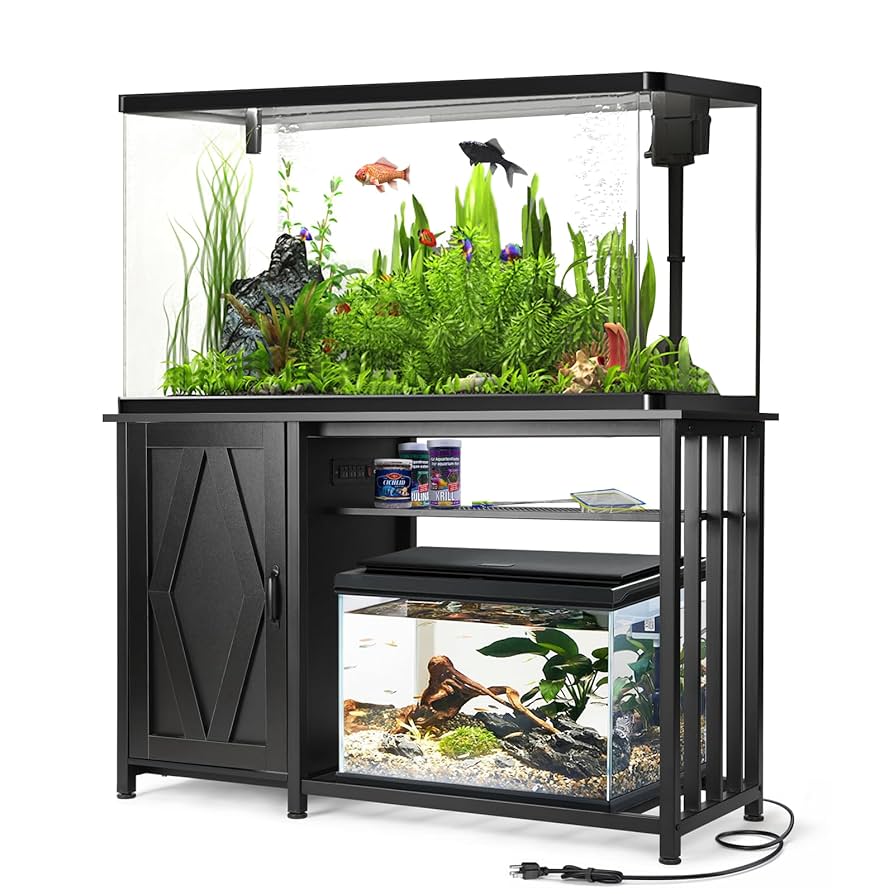
Popular Aquarium Cabinet Models
Aquarium cabinets with built-in ventilation help keep your fish healthy. They provide airflow and reduce moisture inside the cabinet.
There are many aquarium cabinet models to choose from. Each has unique features, sizes, and designs to fit your needs.
Top Ventilated Cabinets On The Market
Some cabinets have excellent ventilation systems. These ensure your aquarium stays fresh and clean.
- Model A has multiple ventilation slots for better airflow.
- Model B includes a built-in fan to circulate air efficiently.
- Model C features adjustable vents for customized airflow.
Custom-built Solutions
Custom-built cabinets allow you to design your own ventilation. You can choose materials and styles that fit your home.
Many people prefer custom designs for a unique touch. They provide flexibility in size and ventilation options.
Budget-friendly Alternatives
Budget-friendly cabinets offer basic ventilation features. They are good for people who want a simple solution.
- Model X is affordable and has basic vent slots.
- Model Y includes a simple fan for air movement.
- Model Z offers a combination of vents and low cost.
Credit: www.amazon.com
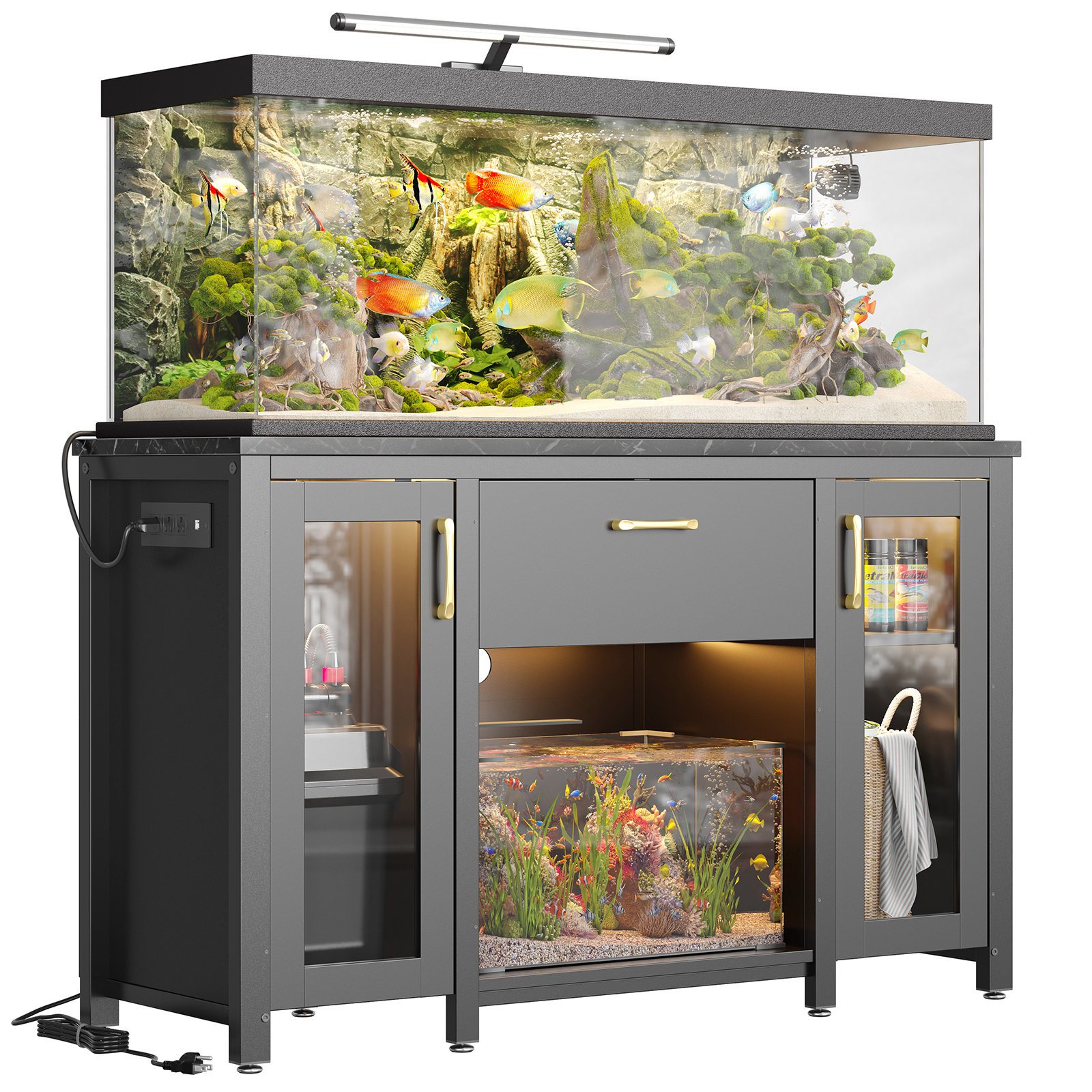
Diy Ventilation Projects
Building an aquarium cabinet with built-in ventilation keeps your fish healthy. Proper airflow prevents moisture and heat buildup inside the cabinet. You can create your own ventilation system with simple tools and materials.
This guide helps you install ventilation in your aquarium cabinet safely and correctly. Follow the steps carefully to improve your tank environment.
Tools And Materials Needed
- Electric drill with drill bits
- Jigsaw or hole saw
- Screwdriver set
- Measuring tape
- Ventilation grilles or mesh covers
- Small fans (optional)
- Wood screws and anchors
- Sandpaper
- Safety goggles and gloves
Step-by-step Installation Guide
- Measure the cabinet sides or back where you want ventilation.
- Mark the spots for cutting vents using a pencil.
- Drill pilot holes to start the cuts safely.
- Use a jigsaw or hole saw to cut the vent openings.
- Sand the edges to remove splinters and rough spots.
- Attach ventilation grilles or mesh covers over the openings.
- Secure small fans inside the cabinet if extra airflow is needed.
- Check that all screws and fixtures are tight and stable.
Safety Precautions
| Safety Tip | Reason |
|---|---|
| Wear safety goggles and gloves | Protect eyes and hands from debris |
| Unplug power tools when changing bits | Prevent accidental starts |
| Work in a well-lit area | See clearly to avoid mistakes |
| Keep children and pets away | Avoid injuries during cutting |
| Ventilate the room if using adhesives or paint | Reduce inhaling fumes |
Credit: www.wayfair.com
Frequently Asked Questions
What Is An Aquarium Cabinet With Built-in Ventilation?
An aquarium cabinet with built-in ventilation helps regulate temperature and humidity. It prevents overheating of equipment and reduces moisture buildup inside the cabinet. This feature ensures a stable environment for fish and aquarium electronics, enhancing durability and performance.
How Does Built-in Ventilation Benefit My Aquarium Setup?
Built-in ventilation improves airflow, preventing heat damage to filters and pumps. It controls humidity, reducing mold and mildew risks. This creates a healthier environment for aquatic life and extends the lifespan of aquarium equipment.
Can I Install Ventilation In Any Aquarium Cabinet?
Not all cabinets are designed for ventilation installation. Cabinets with built-in vents or customizable panels work best. Retrofitting may require professional help to avoid structural damage and maintain aesthetics.
Does Ventilation Affect Aquarium Temperature Control?
Yes, ventilation helps maintain consistent temperature by dissipating excess heat. It prevents overheating from lights and equipment, supporting stable water conditions crucial for fish health.
Conclusion
An aquarium cabinet with built-in ventilation keeps fish healthy and happy. It stops heat and moisture from building up inside. This helps protect both the fish and the furniture. Good airflow means less mold and damage. Choose a cabinet that fits your tank size well.
Easy maintenance saves you time and effort. A well-ventilated cabinet makes your aquarium look neat and lasts longer. Consider it a smart choice for any fish lover. Your tank will stay fresh, and your fish will thrive. Simple, practical, and effective.