
Are you struggling to keep your ornamental fish happy and peaceful in the same tank? Feeding them the right way can make all the difference.
When your fish get the nutrition they need, they stay calm, healthy, and get along better. Imagine a vibrant aquarium where every fish swims peacefully without chasing or stressing each other. You’ll discover simple feeding tips that help create harmony in your aquarium.
Keep reading to unlock the secrets of feeding your ornamental fish for a calm and beautiful underwater world.
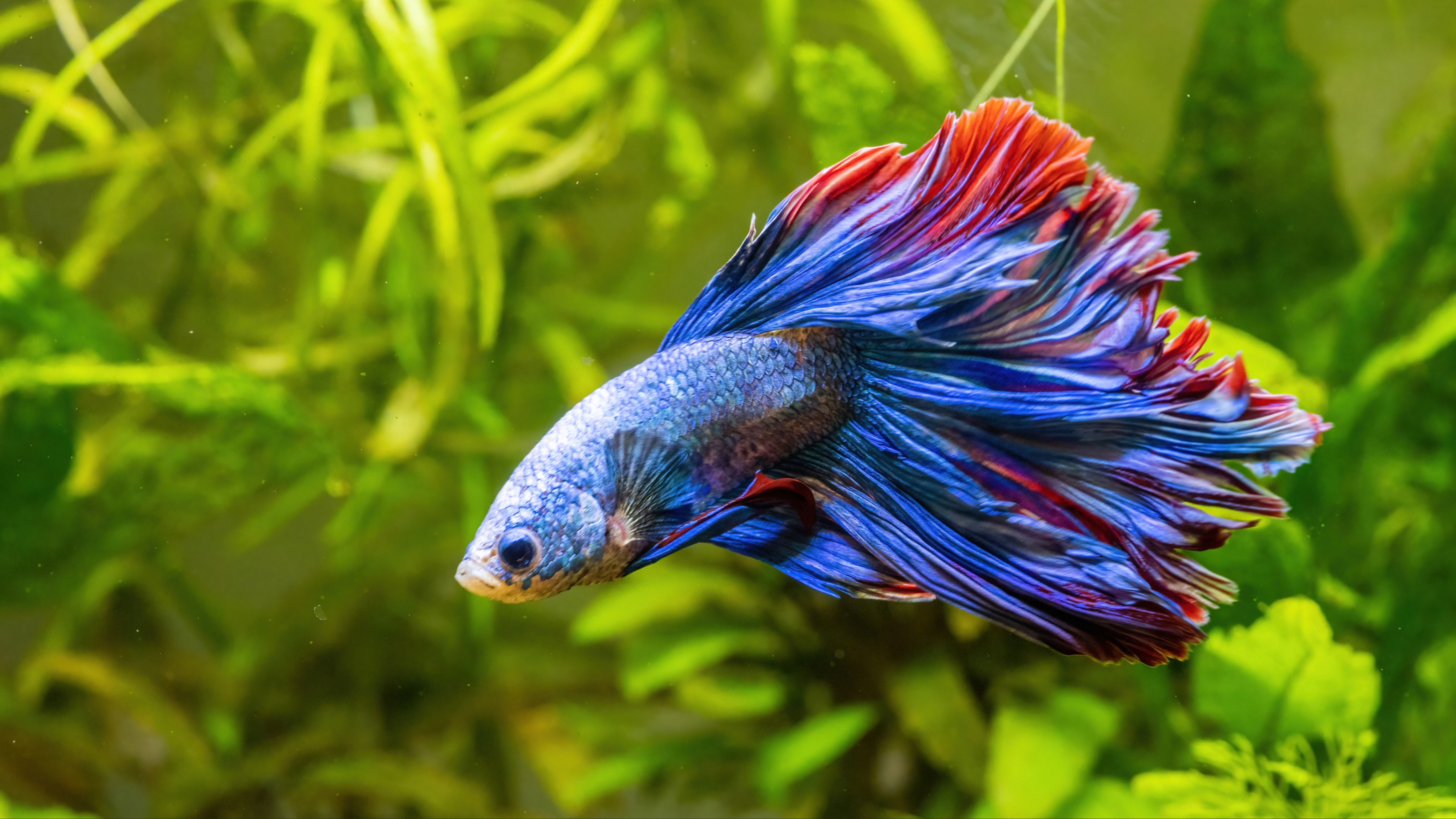
Credit: www.petsradar.com
Choosing The Right Food
Feeding ornamental fish correctly helps keep them healthy. Choosing the right food is key for peaceful coexistence in your aquarium.
Different fish need different foods. Understanding these needs stops problems like aggression and illness.
Types Of Fish Food
Fish food comes in many forms. Each type offers different benefits for your fish.
- Flakes: Easy to use and good for surface feeders.
- Pellets: Sink slowly, ideal for mid-water fish.
- Freeze-dried: Preserve nutrients well and last long.
- Live food: Great for natural hunting behavior and variety.
- Frozen food: Retains nutrients and is convenient to store.
Nutritional Needs By Species
Different fish species need different nutrients. Knowing these needs helps you pick the best food.
| Fish Species | Main Nutrients Needed | Recommended Food Type |
| Goldfish | Carbohydrates, Fiber | Flakes, Pellets |
| Betta | Protein, Fat | Pellets, Live Food |
| Tetras | Protein, Vitamins | Flakes, Freeze-dried |
| Catfish | Bottom-dwelling nutrients | Sinking Pellets, Frozen Food |
Avoiding Overfeeding
Overfeeding causes water pollution and fish health problems. Feed only the amount fish can eat in minutes.
- Feed small portions two to three times a day.
- Observe fish eating habits closely.
- Remove uneaten food after feeding.
- Adjust feeding amount based on fish activity.

Credit: glassboxdiaries.com
Feeding Techniques
Feeding ornamental fish is key for a calm aquarium. Using good techniques helps fish stay healthy. It also keeps peace among different species.
Feeding right means knowing when, how much, and how to share food. These steps stop fights and stress in the tank.
Scheduled Feeding Times
Feed your fish at set times every day. This routine helps fish feel safe and less aggressive. Avoid feeding too often to keep the water clean.
- Choose two or three fixed times for feeding daily.
- Feed small amounts to avoid leftovers.
- Keep feeding sessions short to reduce fish stress.
Portion Control
Give just the right food amount to avoid waste. Overfeeding can cause water problems and fish illness. Watch how much your fish eat in five minutes.
| Fish Type | Daily Food Amount |
| Small Fish | Pinch or less |
| Medium Fish | Pea-sized portion |
| Large Fish | Two pea-sized portions |
Ensuring Equal Access
Make sure shy and slow fish get food too. Some fish eat faster and can block others. Separate feeding spots help all fish eat in peace.
Tips for Equal Feeding:
- Use multiple feeding points in the tank.
- Feed sinking and floating food types.
- Observe fish to ensure shy ones eat.
- Feed slower fish by hand if needed.
Food Presentation
Feeding ornamental fish properly helps keep peace in the tank. How food looks and is offered affects fish behavior.
Good food presentation stops fights and makes sure all fish get enough to eat. Use simple methods to feed calmly.
Using Feeding Rings
Feeding rings keep food in one place. They stop food from spreading all over the tank. This helps fish find food easily.
Rings also reduce waste by holding food near plants or decorations. This keeps the tank cleaner and fish calmer.
Distributing Food Evenly
Spread food in several spots to avoid fights. Fish eat better when food is easy to reach.
- Place food near hiding places for shy fish
- Use small amounts several times a day
- Feed slow and fast eaters separately if needed
- Watch fish to see if any need more food
Feeding Live Vs. Prepared Food
Live food moves and attracts fish quickly. Prepared food is easy to store and use anytime.
| Type of Food | Advantages | Disadvantages |
| Live Food | Stimulates natural hunting High in nutrients | Can carry diseases Needs special care |
| Prepared Food | Easy to store Consistent quality | Less stimulating May cause waste |
Managing Aggression During Feeding
Feeding ornamental fish can lead to aggressive behavior. This behavior disrupts the peace in your aquarium. It’s important to manage this aggression to ensure harmony.
By understanding the triggers, you can create a peaceful feeding environment. This keeps both dominant and passive fish happy.
Identifying Aggressive Behavior
Aggressive fish may chase others or nip at fins. Look for signs like rapid swimming or constant fighting. These behaviors indicate stress in the tank.
Recognizing these signs early helps you act fast. This reduces harm and stress among your fish.
- Chasing other fish
- Nipping at fins
- Rapid swimming
- Constant fighting
Separating Dominant Fish
Dominant fish often take more food. They bully weaker fish during feeding times. Separating them can help reduce this aggression.
Use a tank divider or separate feeding areas. This ensures all fish get enough food without stress.
- Use a tank divider
- Create separate feeding areas
- Monitor feeding times
Creating Feeding Zones
Feeding zones can help distribute food evenly. This reduces competition among fish. Designate specific areas for feeding in your tank.
Use floating rings or partitions to create these zones. This helps ensure each fish gets its share of food.
| Zone | Food Type |
| Top | Floating pellets |
| Middle | Flakes |
| Bottom | Sinking pellets |
Maintaining Water Quality
Keeping water clean is key for healthy ornamental fish. Dirty water harms fish and plants. Feeding fish right helps keep water clear.
Good water quality supports peaceful fish living. It stops diseases and stress. Learn how to keep water fresh with feeding tips.
Impact Of Uneaten Food
Uneaten fish food can cause water problems. It rots and adds harmful chemicals. This hurts fish and makes water cloudy.
- Remove leftover food after feeding
- Feed small amounts fish can eat quickly
- Use sinking pellets for bottom fish
- Observe fish to adjust feeding amounts
Regular Tank Cleaning
Cleaning the tank keeps water healthy. Waste and debris build up fast. Regular cleaning reduces toxins and keeps fish safe.
| Cleaning Task | Frequency |
| Water change (20-30%) | Weekly |
| Gravel vacuuming | Biweekly |
| Glass cleaning | Weekly |
| Filter maintenance | Monthly |
Filtration Tips
Filters remove waste and keep water clear. Choose the right filter for your tank size. Clean filters often to keep them working.
Good filtration systems:
- Use mechanical filtration to catch particles
- Include biological filters for waste breakdown
- Run filters 24/7 for steady water flow
- Replace filter media as recommended
Adapting To Different Species
Feeding ornamental fish requires understanding their unique diets. Different species need different care to live peacefully together.
Knowing how to feed herbivores, carnivores, and other types helps keep your aquarium healthy and balanced.
Herbivores Vs. Carnivores
Herbivores eat plants and algae. Carnivores need animal proteins like insects or small fish. Feeding the wrong type can harm your fish.
- Herbivores need leafy greens and algae wafers.
- Carnivores require live or frozen meat foods.
- Some fish are omnivores and eat both plants and meat.
Surface, Midwater, And Bottom Feeders
Fish feed at different tank levels. Surface feeders eat food floating on top. Midwater feeders eat in the middle. Bottom feeders search the tank floor.
| Feeding Zone | Fish Types | Food Type |
|---|---|---|
| Surface | Guppies, Bettas | Flakes, floating pellets |
| Midwater | Barbs, Tetras | Small pellets, freeze-dried foods |
| Bottom | Corydoras, Loaches | Sinking pellets, wafers |
Special Dietary Needs
Some fish have unique diets that need special care. These needs depend on their species and health.
Examples of special needs:
- Discus fish need high-protein foods.
- Arowanas prefer live food for nutrition.
- Some algae eaters require constant access to plant matter.
- Juvenile fish need smaller, frequent meals.
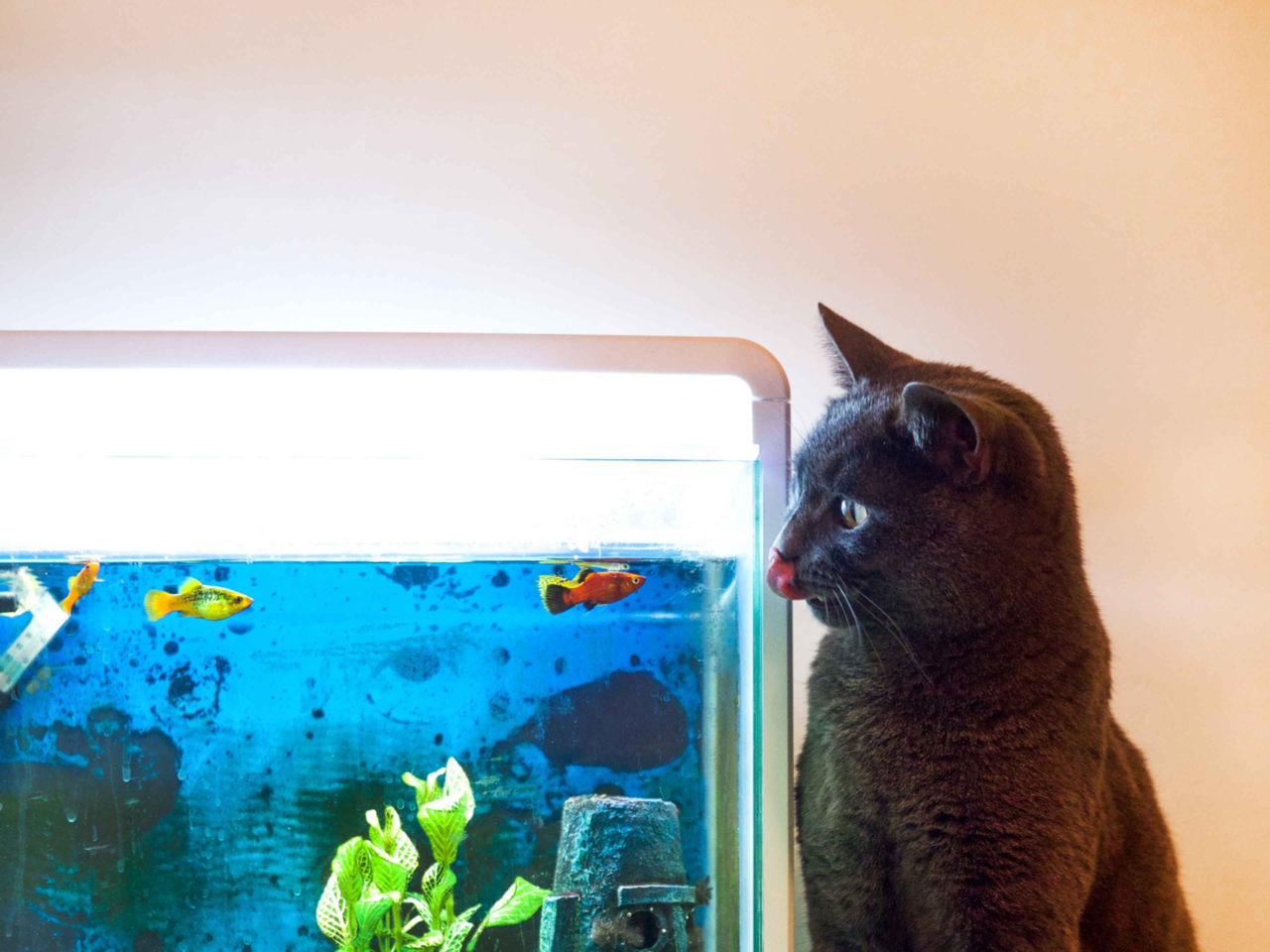
Credit: petdirect.co.nz
Frequently Asked Questions
How Often Should I Feed Ornamental Fish Daily?
Feed ornamental fish 1 to 2 times daily. Overfeeding causes water pollution and health issues. Small, frequent meals mimic natural feeding.
What Type Of Food Is Best For Peaceful Fish?
Provide a balanced diet with flakes, pellets, and live food. Vary diet to ensure nutrition and reduce aggression.
Can Feeding Habits Affect Fish Coexistence?
Yes, proper feeding reduces competition and stress. Uneven food distribution can cause fights and territorial behavior among fish.
How To Prevent Overfeeding In A Community Aquarium?
Feed small portions that fish consume in 2-3 minutes. Remove uneaten food promptly to maintain water quality and peace.
Conclusion
Feeding ornamental fish properly keeps them healthy and calm. Balanced meals reduce fighting and stress in the tank. Small, frequent feedings help maintain water quality. Observe your fish to adjust their diet and amount. Clean water and good food create a peaceful home.
Enjoy watching your fish thrive and live happily together. Simple care makes a big difference in their behavior. Peaceful coexistence starts with the right feeding habits.