
Are you struggling to get the most out of your filters? Whether it’s for air, water, or any other system, improving filter efficiency can save you money, enhance performance, and protect your health.
Imagine breathing cleaner air or enjoying purer water without constantly replacing costly filters. You’ll discover simple, practical steps you can take right now to boost your filter’s effectiveness. Keep reading to unlock easy tips that make a big difference—your system will thank you.
Factors Affecting Filter Efficiency
Filter efficiency depends on many factors that affect how well a filter works. Understanding these helps improve performance.
This article covers important factors such as the material, design, and operating conditions of filters.
Filter Material Types
The type of material used in a filter greatly affects its ability to catch particles. Some materials trap smaller particles better.
- Fiberglass: Good for fine particles but can be fragile.
- Activated Carbon: Removes odors and chemicals well.
- Polyester: Durable and works for larger particles.
- Cotton: Often used in reusable filters.
- HEPA: High efficiency for very small particles.
Filter Design And Structure
The shape and layers of a filter affect airflow and particle capture. Proper design balances efficiency with air resistance.
| Design Feature | Effect on Efficiency |
| Layer Count | More layers increase trapping but reduce airflow |
| Surface Area | Larger area captures more particles |
| Fiber Diameter | Thinner fibers catch smaller particles |
| Filter Thickness | Thicker filters last longer but may block air |
Operating Conditions
Filters work differently depending on conditions like airflow speed and temperature. These conditions change efficiency.
- Airflow Rate: High speeds may reduce trapping time.
- Temperature: Extreme heat can damage filter material.
- Humidity: Moisture may clog or weaken filters.
- Particle Load: Heavy dust reduces filter life and efficiency.

Credit: coolingmaven.com
Choosing The Right Filter
Choosing the right filter is key to improving filter efficiency. A proper filter helps capture particles better and lasts longer.
Filters come in many types and ratings. It is important to pick one that fits your needs and environment.
Matching Filter To Application
Different filters work best for different tasks. Use a filter designed for your specific application for best results.
For example, air filters for homes differ from those used in factories. Using the right filter helps remove the right particles.
- Check what type of particles you need to filter
- Match filter material to the application (air, water, oil)
- Choose filter size that fits your equipment
Evaluating Filter Ratings
Filter ratings show how well a filter captures particles. Look for ratings that fit your needs.
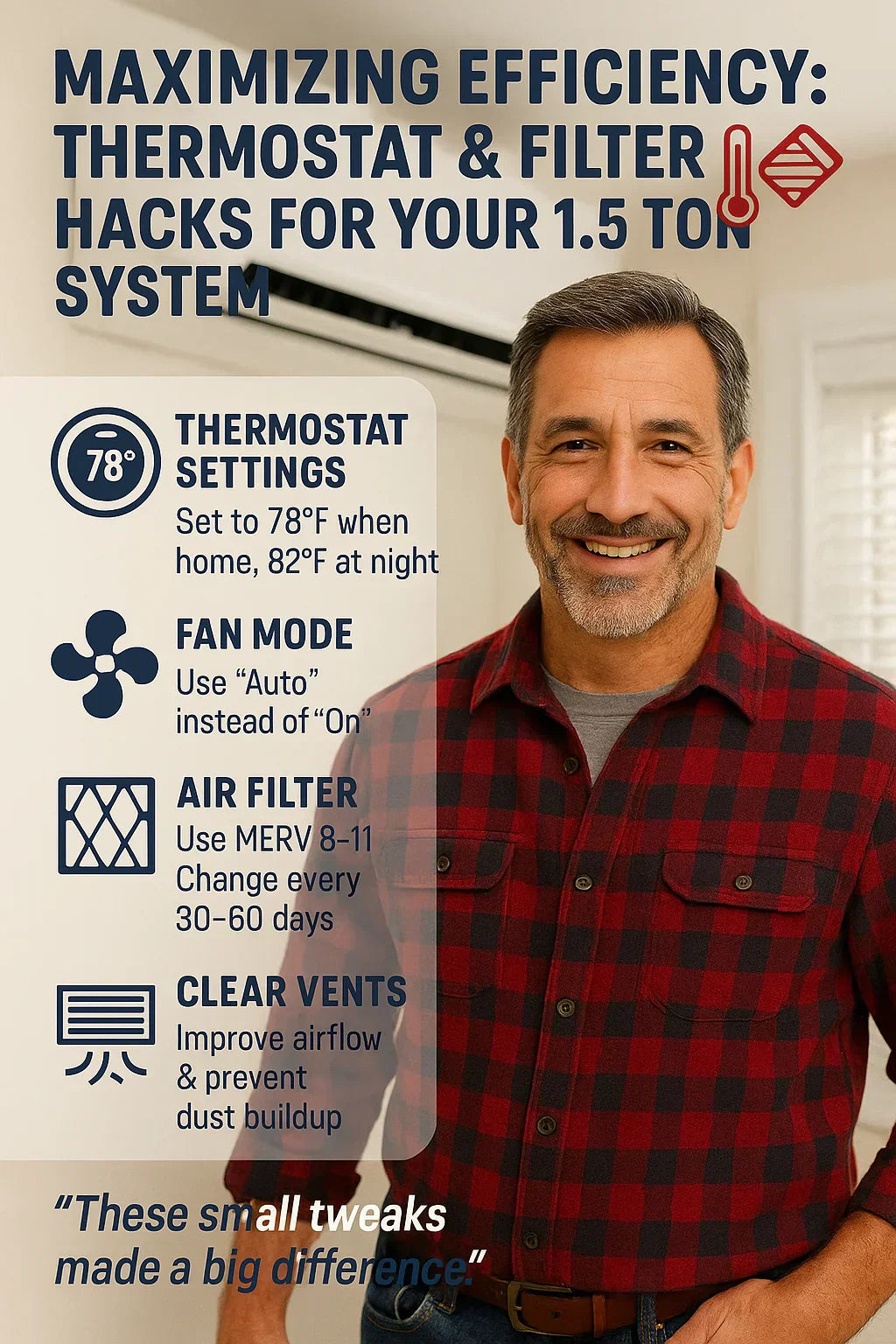
Common ratings include MERV, HEPA, and micron ratings. Higher ratings usually mean better filtration but may reduce airflow.
- MERV ratings range from 1 to 16; higher means finer filtration
- HEPA filters capture 99.97% of particles 0.3 microns or larger
- Micron ratings show the smallest particle size filtered
Considering Environmental Factors
Environmental conditions affect filter performance. Choose filters that can handle your environment.
Factors like humidity, temperature, and dust levels impact filter life and efficiency. Filters must be durable under these conditions.
- High humidity can reduce filter efficiency
- Extreme temperatures may damage some filter materials
- Dusty environments need filters with higher capacity
Maintenance Practices
Maintaining filter systems is key to keeping them efficient. Proper care helps filters work better and last longer.
Regular checks and upkeep prevent problems and save costs over time. Focus on cleaning, replacing, and tracking performance.
Regular Cleaning Techniques
Cleaning filters regularly removes dust and debris. This keeps airflow smooth and reduces strain on the system.
- Use a soft brush to clear loose dirt
- Wash washable filters with mild soap and water
- Allow filters to dry completely before reinstalling
- Vacuum non-washable filters gently
- Follow manufacturer cleaning instructions carefully
Timely Replacement Schedules
Filters lose efficiency over time and need replacement. Following a schedule avoids clogged and ineffective filters.
| Filter Type | Replacement Frequency |
| HEPA Filters | Every 6 to 12 months |
| Carbon Filters | Every 3 to 6 months |
| Fiberglass Filters | Every 1 to 3 months |
| Washable Filters | Replace if damaged after cleaning |
Monitoring Performance Metrics
Track filter performance to spot issues early. Use key metrics to decide when cleaning or replacement is needed.
- Airflow rate: Lower flow means blockage.
- Pressure drop: High drop indicates dirt buildup.
- Filter lifespan: Track days since last change.
- Energy usage: Increased energy may signal filter problems.
Credit: makeitright.ca
Optimizing Filter Installation
Installing filters correctly helps them work better and last longer. Good installation stops dirt from bypassing the filter.
Focus on the right position, tight seals, and avoiding common mistakes. These steps improve filter efficiency and system health.
Proper Positioning
Place filters where air or liquid flows smoothly. Avoid spots with sharp bends or heavy vibration. Proper placement helps filters catch more particles.
- Install filters in straight sections of duct or pipe
- Keep filters accessible for easy checking and replacement
- Do not place filters near heat sources
- Ensure the flow direction matches the filter’s design
Ensuring Secure Seals
Tight seals stop unfiltered air or liquid from leaking around the filter. Use proper gaskets and check seals regularly to maintain efficiency.
| Seal Type | Use Case | Tips |
| Foam Gasket | Standard filters | Compress evenly for tight fit |
| Rubber Gasket | High pressure | Inspect for cracks before installation |
| Adhesive Seal | Temporary setups | Replace after filter change |
Avoiding Common Installation Errors
Many filters fail due to simple installation errors. Check the filter size, airflow direction, and cleanliness before fitting the filter.
- Confirm filter matches the system’s size requirements
- Install filter with arrows pointing the right way
- Remove all packaging and protective covers
- Do not force the filter into place
- Inspect filter for damage before use
Advanced Technologies
Filter efficiency is important for clean air and water. New technologies help improve how filters work.
These technologies make filters better at catching small particles and last longer without much maintenance.
Nanofiber And Electrospun Filters
Nanofiber filters use tiny fibers that are thinner than a human hair. They trap very small particles better than regular filters.
Electrospinning is a way to make these nanofibers by using an electric charge to pull fibers from a liquid.
- Capture particles smaller than 0.3 microns
- Lightweight and strong filter layers
- Improved airflow with less resistance
- Useful in masks, air purifiers, and water filters
Self-cleaning Filters
Self-cleaning filters remove dirt and particles without manual help. This keeps filters working well for longer.
Some filters use vibrations, air pulses, or water sprays to clean themselves automatically.
- Reduce filter clogging and pressure drop
- Lower maintenance costs and effort
- Extend filter life and efficiency
- Used in factories and HVAC systems
Smart Monitoring Systems
Smart monitoring systems track filter condition in real time. Sensors check airflow, pressure, and particle buildup.
These systems alert users when filters need cleaning or replacement to keep efficiency high.
- Improve filter maintenance timing
- Prevent damage from clogged filters
- Save energy by keeping airflow optimal
- Used in air purifiers, HVAC, and industry
Credit: thefurnaceoutlet.com
Environmental And Cost Considerations
Improving filter efficiency can help the environment. It also affects costs in different ways. Understanding these factors is important for making smart choices.
Filters that work well save energy and money. They also reduce waste and pollution. Let’s explore how this can be done.
Energy Efficiency Impact
Filters that use less energy are better for the planet. They reduce electricity use and cut down on carbon emissions. This means a cleaner environment for everyone.
Energy-efficient filters lower bills, too. They need less power to run. This saves money over time, which is good for both homes and businesses.
- Use filters with high energy ratings
- Check filters regularly for blockages
- Replace old filters with newer models
Balancing Cost And Performance
Filters must work well without costing too much. Finding the right balance is key. High-quality filters may cost more upfront but save money later.
Cheaper filters can lead to higher energy bills. They might not last as long, either. Spending a bit more can mean better performance and savings.
| Type of Filter | Initial Cost | Maintenance Cost | Performance |
| Basic | Low | High | Low |
| Advanced | High | Low | High |
Sustainable Filter Options
Sustainable filters are made from eco-friendly materials. They last longer and can be recycled. This reduces waste and protects the environment.
Using sustainable options helps companies meet green goals. It also shows a commitment to caring for the planet, which customers appreciate.
- Choose filters with recyclable parts
- Look for filters made from natural materials
- Support brands that focus on sustainability
Frequently Asked Questions
What Are The Best Methods To Improve Filter Efficiency?
Improving filter efficiency involves regular maintenance, using high-quality filters, and ensuring proper installation. Upgrading to filters with higher MERV ratings also helps capture smaller particles more effectively.
How Often Should Filters Be Cleaned Or Replaced?
Filters should be cleaned or replaced every 1-3 months depending on usage and environment. Regular replacement ensures optimal airflow and prevents clogging, which maintains efficiency.
Can Filter Efficiency Impact Indoor Air Quality?
Yes, higher filter efficiency significantly improves indoor air quality. Efficient filters trap dust, allergens, and pollutants, leading to a healthier living environment and reduced respiratory issues.
Does Filter Type Affect Its Efficiency?
Absolutely, filter type impacts efficiency. HEPA filters capture finer particles than standard fiberglass ones. Choosing the right filter type for your system boosts performance.
Conclusion
Improving filter efficiency takes some simple steps. Clean or replace filters often to keep them working well. Choose the right filter for your needs. Check your system regularly to spot any issues early. Small efforts can save energy and improve air or water quality.
Good filter care helps machines last longer and work better. Stay consistent, and you will see better results soon. Keep these tips in mind for a healthier space and smoother operation.