
If you want your aquarium to be a safe and stress-free home for your fish, adding hiding spots is a must. Aquarium caves are the perfect solution to give your fish a cozy retreat where they can feel secure and calm.
Imagine watching your fish explore their own secret hideaways – it’s fascinating and helps keep them healthy. You’ll discover why aquarium caves are essential, how they benefit your aquatic friends, and the best ways to choose and place them in your tank.
Keep reading to transform your aquarium into a peaceful haven your fish will love.
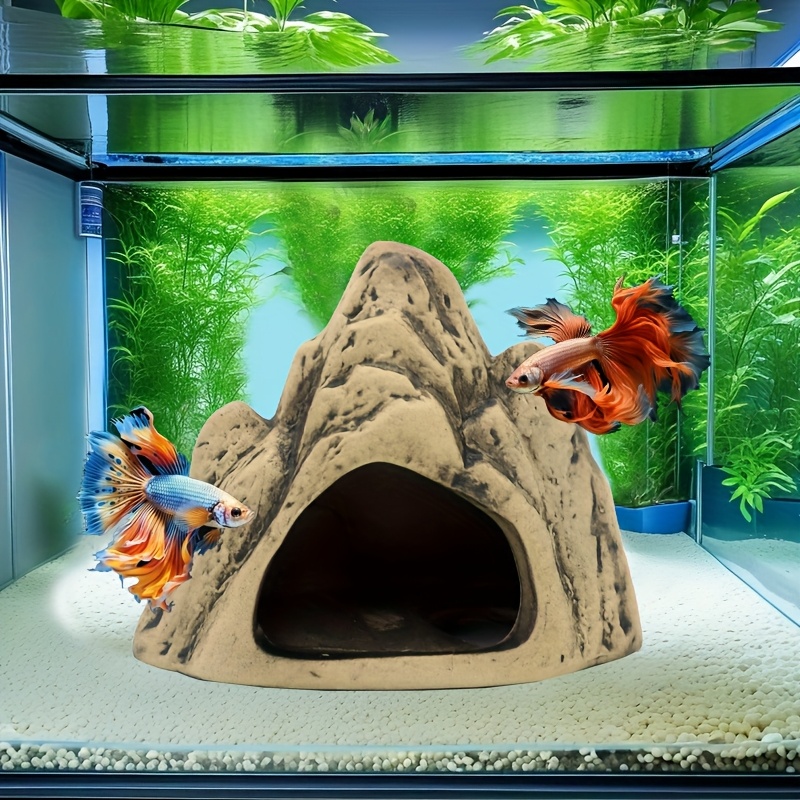
Credit: www.temu.com
Benefits Of Aquarium Caves
Aquarium caves offer safe places for fish to hide. They help create a calm and natural environment.
These hiding spots support fish health and encourage natural actions. They also help manage fish territories.
Reducing Fish Stress
Fish feel safer with places to hide from threats and bright lights. This lowers their stress levels.
- Provides shelter from aggressive fish
- Offers darkness and calm spaces
- Helps fish rest and recover
Enhancing Natural Behavior
Hiding spots let fish explore and act like they do in the wild. This keeps them active and happy.
| Natural Behaviors | Benefits of Caves |
|---|---|
| Exploring | Caves offer new areas to investigate |
| Breeding | Caves provide safe spots for eggs |
| Resting | Quiet spaces help fish relax |
Providing Territory Boundaries
Caves act as natural borders for fish territories. This reduces fights and stress.
- Fish can claim caves as their homes
- Helps keep peace between different fish
- Supports fish hierarchy and social order
Types Of Aquarium Caves
Aquarium caves provide safe hiding places for fish. They help reduce stress and encourage natural behavior. Different types of caves suit various tank environments and fish species.
Choosing the right cave depends on your aquarium setup and the needs of your aquatic pets. Below are common types of aquarium caves with their features.
Natural Rock Caves
Natural rock caves mimic the hiding spots found in wild habitats. They are made from real stones like slate, lava rock, or sandstone. These caves add a natural look to the tank and offer sturdy shelters.
- Provide good hiding spots for shy fish
- Help maintain water chemistry if made from inert rock
- Can be heavy and require stable placement
- May need cleaning to prevent algae buildup
Ceramic And Resin Caves
Ceramic and resin caves come in many shapes and colors. They are lightweight and easy to move. These caves often have smooth surfaces that prevent fish injury.
| Material | Pros | Cons |
| Ceramic | Durable, natural look | Can chip if dropped |
| Resin | Lightweight, colorful | May leach chemicals if low quality |
Driftwood And Plant-based Shelters
Driftwood and plant shelters create cozy caves naturally. Driftwood offers hiding places and helps lower pH in soft water tanks. Live or artificial plants can form shaded areas for fish to rest.
- Driftwood shapes vary from branches to hollow logs
- Some plants like Java fern attach to wood
- Both improve tank aesthetics and fish comfort
- Require maintenance to avoid decay or algae
Choosing The Right Cave
Aquarium caves provide safe hiding spots for fish. Picking the right cave helps fish feel secure.
Consider size, material, and fish needs before adding a cave to your tank.
Size And Space Considerations
Choose a cave size that fits your aquarium space. The cave should not crowd the tank or block light.
Make sure the cave is big enough for your fish to enter and hide comfortably.
- Small caves suit small fish or shrimp
- Large caves work for bigger fish or groups
- Leave space for swimming around the cave
Material Safety And Durability
Use caves made from aquarium-safe materials. Avoid anything that can leach harmful chemicals.
Check that the cave material is strong and will not break easily under water.
- Ceramic caves are safe and long-lasting
- Resin and plastic caves are lightweight and durable
- Avoid metal or untreated wood that can rust or rot
Matching Fish Species Needs
Different fish have different hiding preferences. Choose caves that match your fish species.
Research your fish to find out if they like open caves or tight spaces.
- Cichlids like caves with narrow openings
- Catfish prefer caves with smooth surfaces
- Small fish may hide in caves with multiple entrances

Credit: www.reddit.com
Placement Tips For Caves
Aquarium caves provide fish with safe places to hide. Proper placement helps fish feel secure and reduces stress.
Placing caves in the right spots improves the tank’s look and supports natural fish behavior.
Optimal Locations In The Tank
Put caves near the tank bottom where fish often rest. Avoid placing caves in the middle of open swimming areas.
Near plants or rocks is a good spot. It makes caves feel like part of the natural environment.
- Place caves near tank corners or sides
- Keep caves away from strong currents
- Use shaded areas to mimic natural hiding spots
Creating Multiple Hiding Spots
Many fish like to have more than one hiding place. Use several caves spread around the tank.
Different types of caves also work well. This gives fish choices and lowers fights.
- Use caves of various sizes and shapes
- Place caves on opposite sides of the tank
- Add caves at different heights if possible
Balancing Open And Covered Areas
Fish need places to hide and open space to swim freely. Balance caves with open areas.
Too many caves can make the tank feel crowded. Too few caves may stress shy fish.
- Keep clear swimming paths between caves
- Limit caves to one-third of the tank floor space
- Watch fish behavior and adjust cave placement as needed
Maintaining Aquarium Caves
Aquarium caves give fish a safe place to hide and rest. Keeping these caves clean and safe helps fish stay healthy.
Regular care of aquarium caves stops problems like algae, bacteria, and damage. This care makes your tank better for your fish.
Cleaning Without Stressing Fish
Clean aquarium caves gently to avoid frightening your fish. Remove caves carefully to keep fish calm.
Use a soft brush and warm water to clean caves. Do not use soap or chemicals that can harm fish.
- Remove cave from tank slowly
- Use a soft brush or sponge
- Rinse with warm water only
- Return cave gently to aquarium
Preventing Algae And Bacteria Build-up
Algae and bacteria can grow on caves and hurt your fish. Keep caves clean by regular maintenance.
Use natural light and control feeding to limit algae growth. Clean caves often to stop bacteria build-up.
- Place aquarium away from direct sunlight
- Feed fish only what they eat
- Clean caves every two weeks
- Change tank water regularly
Inspecting For Damage And Safety
Check your aquarium caves for cracks or sharp edges. Broken caves can hurt your fish or trap them inside.
Replace or repair damaged caves to keep the tank safe. Inspect caves during every cleaning session.
- Look for cracks or chips
- Check for sharp or rough areas
- Make sure caves are stable in the tank
- Replace damaged caves immediately
Diy Aquarium Caves
Aquarium caves are great hiding spots for fish. They provide safety and comfort. Making your own caves can be fun and easy.
DIY aquarium caves let you personalize your fish tank. You can choose materials and designs that suit your fish’s needs.
Using Natural Materials
Natural materials are safe for fish. They blend well in aquariums. You can use rocks, wood, or clay for caves.
Always clean natural materials before use. This removes any harmful substances. It keeps the aquarium environment safe.
- Rocks: Choose smooth and non-sharp edges
- Wood: Driftwood is a popular choice
- Clay: Use aquarium-safe clay only
Safe Crafting Techniques
Crafting techniques should ensure safety. Avoid toxic substances in materials. Use non-toxic glue and sealants.
Sanding rough edges prevents harm to fish. Securely attach all parts to avoid collapse in water. Safety is key.
- Use aquarium-safe sealants
- Sand any sharp edges
- Ensure stability of the structure
Customizing For Specific Fish
Different fish have different needs. Customize caves based on fish size and behavior. This provides a comfortable habitat.
Smaller fish need smaller entrances. Large fish require spacious caves. Research fish species to create the perfect cave.
- Small fish: Narrow entrances
- Large fish: Bigger spaces
- Shy fish: More hiding spots
Common Mistakes To Avoid
Aquariums offer a beautiful underwater world for fish. But, mistakes with hiding spots can harm them. Learn about common errors to keep fish safe and happy.
Understanding these mistakes helps create a balanced and healthy environment. Let’s look at some key areas to watch out for.
Overcrowding The Tank
Too many caves can make the tank feel cramped. Fish need space to swim freely. Overcrowding can also lead to poor water quality.
- Limit the number of caves
- Ensure proper filtration
- Monitor water quality regularly
Using Unsafe Materials
Some materials can harm fish. It’s important to use aquarium-safe items. Avoid sharp edges and toxic materials.
Choose materials like:
- Ceramic
- Natural stone
- Approved aquarium-safe plastics
Ignoring Fish Behavior
Different fish have unique needs. Some like to hide, while others prefer open spaces. Observing their behavior helps in designing the right habitat.
| Fish Type | Behavior |
| Betta | Enjoys hiding |
| Guppy | Prefers open swimming |
| Catfish | Needs bottom hiding spots |
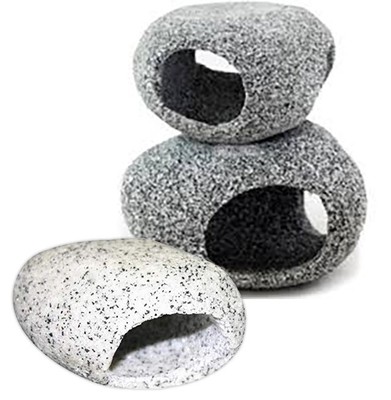
Credit: www.ebay.ca
Frequently Asked Questions
What Are The Benefits Of Aquarium Caves For Fish?
Aquarium caves provide fish with safe hiding spots, reducing stress and aggression. They mimic natural habitats and encourage natural behavior. Caves also offer shelter during rest and breeding, improving overall fish health and tank harmony.
How To Choose The Best Aquarium Cave Material?
Choose non-toxic, durable materials like ceramic, resin, or natural rock. Ensure the cave is smooth to avoid fish injury. Select a size suitable for your fish species to provide comfortable hiding space.
Can Aquarium Caves Improve Fish Breeding Success?
Yes, aquarium caves create secure, dark environments that encourage fish to breed. Many species prefer caves for laying eggs and protecting fry. Providing caves can increase breeding activity and fry survival rates.
How Many Hiding Spots Should I Place In My Aquarium?
Provide at least one hiding spot per fish or pair. Multiple caves prevent territorial disputes and reduce stress. Distribute caves evenly to ensure all fish have access to shelter.
Conclusion
Aquarium caves create safe spaces for fish to hide and rest. Fish feel less stressed with cozy hiding spots in their tank. These caves also add natural beauty and interest to your aquarium. Choosing the right cave helps fish show their true colors and behaviors.
Simple caves fit many tank styles and sizes. Remember, happy fish make a lively and healthy aquarium. Adding caves is an easy way to improve your fish’s home. Your fish will thank you with better health and activity.