
Have you ever thought about creating a stunning underwater world just for one species of fish? Aquascaping for single-species tanks lets you do exactly that.
It’s not just about decoration—it’s about crafting a perfect home that highlights your fish’s natural beauty and behavior. Imagine your tank becoming a peaceful, vibrant space where your fish thrive and you enjoy every moment watching them. You’ll discover simple yet powerful tips to design an eye-catching aquascape tailored to your favorite species.
Ready to transform your tank into a masterpiece? Let’s dive in!
Benefits Of Single-species Aquascaping
Single-species aquascaping focuses on one type of plant or fish. This style creates a clean and clear aquarium look.
It helps keep the tank balanced and easy to care for, making it great for beginners and experts alike.
Enhanced Plant And Fish Compatibility
Using one species means all plants and fish have the same needs. This reduces stress on the animals and plants.
- Plants grow better with similar light and nutrient needs
- Fish behave naturally without competition
- Water conditions stay stable and suitable
Simplified Maintenance
With one species, maintenance tasks become easier and faster. You can focus on the specific needs of your tank.
| Task | Single-Species Tank | Mixed-Species Tank |
| Feeding | One type of food needed | Multiple foods required |
| Water Parameters | Stable and consistent | May vary for different species |
| Cleaning | Less frequent and easier | More complex and frequent |
Showcasing Unique Species Traits
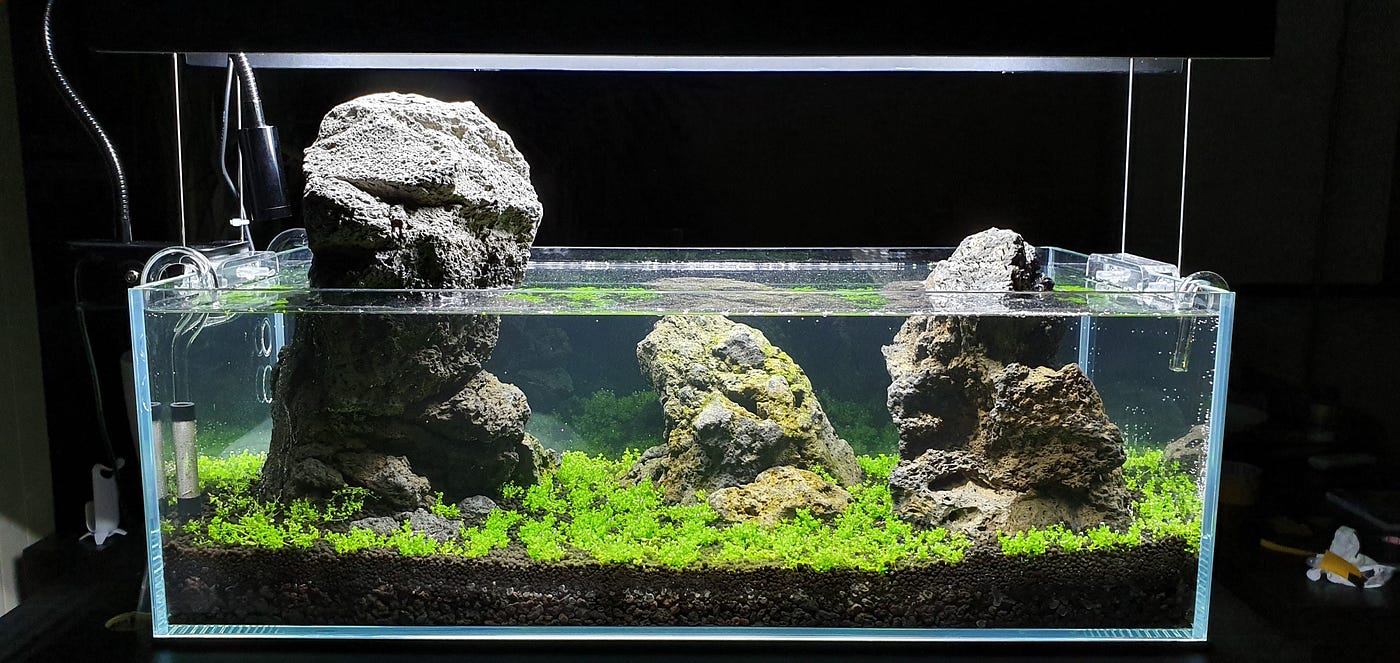
Single-species tanks highlight the special features of your chosen plants or fish. Their colors and shapes stand out clearly.
- Bright colors of a single fish species
- Unique leaf shapes of one plant type
- Behavior patterns without distraction
Credit: medium.com
Choosing The Right Species
Single-species tanks need careful planning to suit one type of fish or plant. Choosing the right species helps create a healthy and balanced aquarium.
Think about how the species will live and grow together. This makes your aquascape look natural and stable.
Matching Plants And Fish
Pick plants that match the fish’s needs and behavior. Some fish eat plants, while others prefer hiding places among thick plants.
Choose plants with similar water needs as your fish. This keeps both plants and fish healthy in the same tank.
- Use tall plants for fish that swim near the bottom
- Choose hardy plants for fish that nibble leaves
- Pick plants that like the same light and water conditions as your fish
Considering Growth Patterns
Plants and fish grow at different rates. Fast-growing plants can crowd the tank quickly. Some fish grow large and need more space.
Plan your aquascape so plants and fish have room to grow. This avoids overcrowding and keeps the tank balanced.
- Choose plants that grow slowly for small tanks
- Pick fish that stay small or grow slowly
- Trim plants regularly to control growth
Assessing Environmental Needs
Each species has specific water, light, and temperature needs. Make sure your tank can meet these before choosing a species.
Check if the fish and plants prefer soft or hard water, warm or cool temperatures, and low or high light levels.
| Environmental Factor | Fish Needs | Plant Needs |
|---|---|---|
| Water Hardness | Soft or hard water depending on species | Usually prefers soft to medium hardness |
| Temperature | Warm (24-28°C) or cool (20-24°C) | Needs match light and temperature |
| Light | Low to moderate light for shy fish | Low to high light, based on plant type |
Design Principles For Single-species Tanks
Creating a tank for a single species needs careful design. The goal is to meet the needs of the species and make the tank look nice.
Good design helps fish or aquatic animals feel safe and thrive. It also brings beauty and peace to your space.
Creating Visual Focus
Visual focus draws attention to one part of the tank. It gives the tank a clear center of interest.
You can create a focus using a special plant, rock, or decoration. The size, color, and shape should stand out but not overwhelm.
- Choose one main feature to highlight
- Place it where it is easy to see
- Use contrast in color or texture
- Keep surrounding areas simpler
Balancing Space And Density
Single-species tanks need the right balance between empty space and plants or decorations.
Too much clutter limits swimming space. Too few elements make the tank look empty and boring.
| Aspect | Effect |
| High Density | Less swimming room, more hiding spots |
| Low Density | More swimming room, less shelter |
| Balanced | Comfortable for fish and visually appealing |
Incorporating Natural Elements
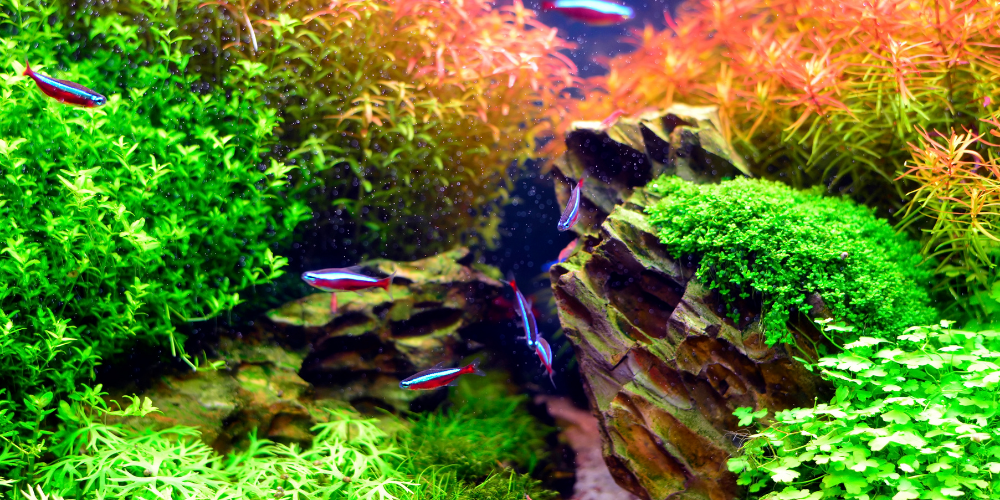
Natural elements make the tank feel like the fish’s real home. This helps reduce stress and improves health.
Use these natural items to improve your tank:
- Driftwood for hiding and texture
- Rocks to create caves and barriers
- Live plants for oxygen and shelter
- Leaf litter for color and cover
Credit: www.pond-planet.co.uk
Popular Single-species Aquascape Styles
Single-species tanks focus on one type of fish or aquatic creature. This helps create a peaceful and balanced environment. Aquascaping for these tanks highlights the chosen species.
There are many styles to design these tanks. Each style fits different tastes and species needs. Let’s explore popular single-species aquascape styles.
Minimalist Layouts
Minimalist layouts use few plants and decorations. They give the tank a clean and simple look. This style keeps water easy to maintain and lets the fish stand out.
Minimalist tanks often use rocks, sand, or driftwood. The focus is on open space and natural shapes. It works well for species that need room to swim.
- Few plant types, often low-growing
- Simple hardscape with rocks or wood
- Open swimming areas
- Calm and uncluttered appearance
Biotope-inspired Designs
Biotope designs copy a natural habitat of the fish species. They use plants, rocks, and substrates from the same region. This style supports the fish’s natural behavior.
Using authentic materials helps the fish feel safe. It also teaches hobbyists about the fish’s home environment. Biotope tanks look very natural and realistic.
- Plants native to the fish’s habitat
- Natural rocks and soil from the region
- Water conditions like the original habitat
- Focus on realism and education
Thematic Plant Groupings
Thematic plant groupings arrange plants by color or shape. This creates a theme or mood in the tank. These layouts give a creative and artistic touch.
Grouping plants with similar leaves or colors enhances visual harmony. This style suits fish that enjoy hiding or exploring dense plants.
- Plants grouped by leaf shape or size
- Color-based plant clusters
- Creates visual zones or layers
- Supports fish that like cover
Essential Equipment And Setup Tips
Aquascaping for single-species tanks needs careful planning. The right tools and setup help plants and fish thrive.
This guide covers key equipment and tips to build a healthy and beautiful tank environment.
Optimal Lighting Choices
Lighting is important for plant growth and fish health. Use lights that match your plants’ needs.
LED lights are popular because they save energy and last long. Choose lights with the right color temperature.
- Use 6500K to 7000K for most freshwater plants
- Avoid very bright lights to reduce algae growth
- Set timers for 8 to 10 hours of light daily
Filtration And Water Flow
Good filtration keeps water clean and clear. It also helps maintain healthy bacteria.
Choose a filter that fits your tank size and fish species. Water flow should not be too strong for your fish.
- Use a sponge filter for gentle flow
- Canister filters work well for larger tanks
- Check flow direction to avoid stressing fish
Substrate Selection
The substrate supports plant roots and affects water quality. Choose based on your plants’ needs.
Gravel and sand are common choices. Nutrient-rich substrates help plants grow better.
- Use fine gravel for root plants
- Sand works well for bottom-dwelling fish
- Add root tabs if substrate lacks nutrients
Care And Maintenance Strategies
Aquascaping single-species tanks is an art. Keeping them healthy requires regular care and attention. Proper maintenance ensures your aquatic plants and fish thrive.
These strategies help maintain a balanced environment. They focus on water quality, plant health, and fish behavior.
Regular Water Testing
Water quality is crucial for aquascaping. Test the water regularly to check pH, ammonia, and nitrate levels. Good water conditions promote healthy plant and fish life.
Use water test kits to monitor changes. Adjust the water parameters if needed to keep the tank stable.
- Check pH levels weekly
- Monitor ammonia and nitrates
- Use test kits for accuracy
Pruning And Plant Health
Plants need regular pruning to stay healthy. Trim dead leaves and overgrown stems. This helps plants grow better and keeps the tank looking neat.
Healthy plants provide oxygen and shelter for fish. Pruning also prevents algae growth by keeping light levels balanced.
- Trim plants every two weeks
- Remove dead leaves
- Check for algae growth
Monitoring Fish Behavior
Watch your fish for signs of stress or illness. Healthy fish swim actively and have bright colors. Changes in behavior can signal water quality issues or disease.
Feed fish a balanced diet and keep their environment consistent. This supports their health and well-being.
- Observe fish daily
- Note changes in activity
- Ensure diet is varied
Troubleshooting Common Challenges
Aquascaping for single-species tanks can be rewarding. However, challenges may arise. Understanding common issues helps maintain a healthy environment.
Common challenges include algae control, nutrient deficiencies, and disease prevention. Addressing these ensures a thriving aquascape.
Algae Control
Algae growth is a frequent issue in tanks. It can make the tank look unclean and affect water quality. Reducing light exposure helps control algae.
Regular water changes and controlling nutrient levels also prevent algae. Introduce algae-eating species like snails if suitable for the tank.
- Limit tank lighting to 8 hours daily
- Perform 25% water changes weekly
- Check nutrient levels regularly
- Add algae-eating species if compatible
Nutrient Deficiencies
Plants need nutrients to grow well. Deficiencies can stunt growth and cause leaf discoloration. Observe plants for signs of nutrient lack.
Using fertilizers can help. Choose one suitable for the plant species in your tank. Monitor plant health regularly to ensure proper nutrient balance.
| Deficiency Sign | Possible Cause | Solution |
| Yellow leaves | Nitrogen deficiency | Add nitrogen-rich fertilizer |
| Holes in leaves | Poor potassium levels | Use potassium supplements |
Disease Prevention
Diseases can spread quickly in tanks. Quarantine new plants and fish to prevent introduction of diseases. Regularly check tank inhabitants for signs of illness.
Maintain clean water and avoid overcrowding. A balanced diet and stable water conditions help keep fish healthy and disease-free.
- Quarantine new additions for two weeks
- Observe fish for unusual behavior
- Keep the tank clean and well-maintained
- Feed a varied, balanced diet

Credit: www.reddit.com
Inspiring Single-species Tank Examples
Single-species tanks highlight the beauty of one aquatic creature type. They allow hobbyists to focus on specific needs and behaviors. These tanks often create a peaceful and balanced environment.
Below are examples of aquascaping styles designed for single species. Each style shows how to create a stunning display with one focus.
Tropical Fish Focused Tanks
Tropical fish tanks bring vibrant colors and active movement. These tanks often include smooth rocks and driftwood to mimic natural habitats. Lighting and plant choice are important to keep fish healthy and happy.
- Betta fish tanks with tall plants and hiding spots
- Neon tetra groups swimming in dense planted areas
- Discus tanks using soft substrate and gentle water flow
- Gourami tanks with floating plants for cover
Shrimp-only Aquascapes
Shrimp-only tanks focus on small, delicate shrimp species. These tanks use mosses and fine-leaved plants for grazing and shelter. Clean water and stable conditions keep shrimp thriving.
| Shrimp Species | Preferred Plants | Aquascape Features |
| Cherry Shrimp | Java Moss, Anubias | Driftwood, smooth stones |
| Crystal Red Shrimp | Marimo Moss Balls, Bucephalandra | Leaf litter, gentle filtration |
| Amano Shrimp | Java Fern, Hornwort | Rooted plants, open swimming areas |
Plant-centric Displays
Plant-centric tanks highlight lush greenery and natural growth patterns. These tanks often contain a single fish or shrimp species to avoid plant damage. Aquascaping focuses on layout and texture.
Popular Plant Layout Tips
- Use tall plants in the back for depth
- Place mid-height plants in the center
- Use ground cover plants to fill the front
- Include hardscape like rocks or wood for contrast
Frequently Asked Questions
What Is Aquascaping For Single-species Tanks?
Aquascaping for single-species tanks means designing an aquarium focused on one fish species. It highlights that species’ natural habitat and behavior. This approach creates a balanced, visually appealing environment that supports the fish’s health and comfort.
How To Choose Plants For Single-species Aquascapes?
Choose plants that match your fish’s natural environment and water conditions. Consider plant size, growth rate, and lighting needs. This ensures a harmonious, healthy aquarium that enhances the fish’s well-being and the tank’s aesthetic appeal.
Why Is Substrate Important In Single-species Tanks?
Substrate affects water quality, plant growth, and fish comfort. Select substrates that suit your species’ natural habitat. Proper substrate supports root development, beneficial bacteria, and mimics the fish’s natural environment for a thriving tank.
Can Aquascaping Improve Fish Behavior In Single-species Tanks?
Yes, aquascaping creates hiding spots, territories, and stimulating environments. This reduces stress and encourages natural behaviors. Well-designed aquascapes promote healthier, more active fish and a balanced ecosystem in single-species tanks.
Conclusion
Creating a single-species tank lets you highlight your favorite fish. It helps keep the environment simple and clean. Plants and decorations support the fish’s natural behavior. Small details can make a big difference in tank health. Enjoy watching your fish thrive in a balanced space.
Try new layouts and learn what your fish like. Aquascaping brings beauty and comfort to your tank. Keep experimenting, and your tank will grow more lively.