
Setting up a fish tank for fry survival can feel tricky, but it doesn’t have to be. You want your tiny fish to grow strong and healthy, right?
The right environment can make all the difference between losing your fry and watching them thrive. In this guide, you’ll discover simple, practical steps to create the perfect tank that keeps your little ones safe and happy. Keep reading, and you’ll learn how to give your fry the best start possible.
Choosing The Right Tank
Setting up a fish tank for fry survival starts with picking the right tank. The tank needs to provide a safe and comfortable space for the fry to grow.
A good tank helps maintain water quality and reduces stress for the young fish. This guide covers important points to consider.
Size And Shape Considerations
The size of the tank affects how many fry can live safely inside. Bigger tanks hold more water and keep conditions stable.
The shape of the tank also matters. Shallow tanks with more surface area improve oxygen exchange. Tall tanks may reduce surface area.
- Choose tanks at least 10 gallons for small fry groups
- Shallow tanks help maintain oxygen levels
- Long tanks provide more swimming space
Material Options
Aquariums come in glass and acrylic. Both have pros and cons for fry tanks.
Glass is scratch-resistant and cheaper. Acrylic is lighter and clearer but can scratch easily.
- Glass tanks are durable and easy to clean
- Acrylic tanks weigh less and offer better visibility
- Choose based on budget and handling needs
Location And Stability
Place the tank on a flat, sturdy surface that can hold its weight. Stability prevents accidents and stress for fry.
Pick a quiet spot away from direct sunlight and drafts. This helps keep water temperature steady and safe for fry.
- Use a strong stand or table rated for the tank size
- Avoid locations with heavy foot traffic
- Keep away from windows and heating vents

Credit: www.reddit.com
Water Quality Essentials
Setting up a fish tank for fry survival needs clean water. Good water quality helps young fish grow strong.
Bad water can cause stress and diseases in fry. Keep the water safe by managing temperature, pH, and filtration.
Optimal Temperature Range
Fry need stable water temperature to survive. Too hot or cold water can harm their health.
Most tropical fry do well between 75°F and 80°F (24°C to 27°C). Use a heater with a thermostat to keep this range.
- Keep temperature steady to avoid stress
- Check temperature daily with a reliable thermometer
- Avoid sudden changes when adding new water
Ph And Hardness Levels
pH shows how acidic or basic the water is. Fry grow best in a pH between 6.5 and 7.5.
Water hardness means minerals in the water. Soft to moderately hard water suits most fry tanks.
- Test pH and hardness weekly with test kits
- Adjust pH slowly using safe additives if needed
- Keep hardness stable to avoid stress
Filtration Systems
Filters clean the water by removing waste and toxins. Gentle filtration is best for fry tanks.
Use sponge filters or filters with low flow. These keep water clean without sucking up fry.
- Choose filters that do not create strong currents
- Clean filters regularly but avoid removing all beneficial bacteria
- Check filter function daily to ensure proper water flow
Creating A Safe Environment
Setting up a fish tank for fry requires careful planning. A safe environment helps young fish survive and grow healthy.
Small changes in the tank setup can reduce stress and danger for the fry. Focus on hiding spots, tankmates, and lighting.
Hiding Places And Plants
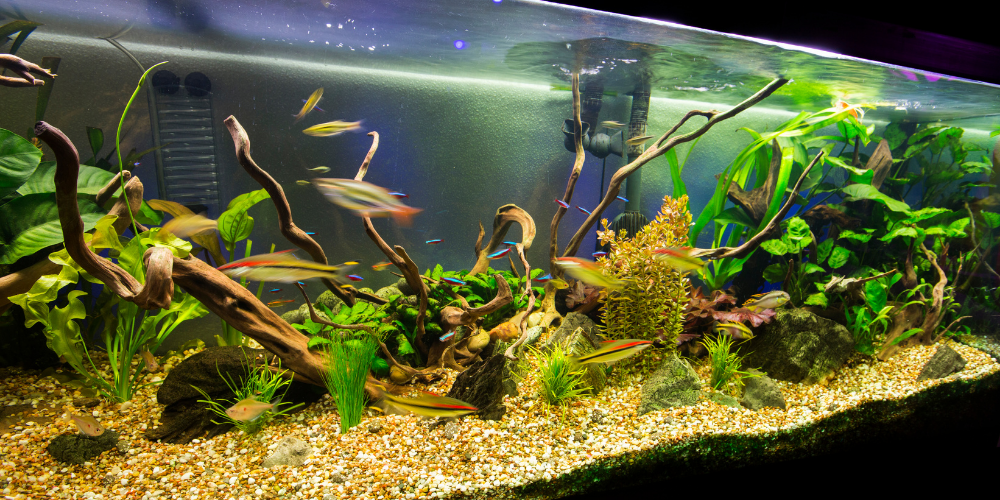
Fry need plenty of places to hide from bigger fish and strong currents. Plants and decorations help create safe spots.
- Use live plants like Java moss or Anubias for cover
- Add small caves or PVC tubes as shelters
- Place floating plants to reduce light and create shade
- Arrange decorations to break open swimming areas
Avoiding Aggressive Tankmates
Fry can be easy targets for aggressive fish. Choose tankmates that are calm and peaceful.
| Fish Type | Good for Fry | Reason |
| Tetras | Yes | Small and peaceful |
| Cichlids | No | Often aggressive and territorial |
| Guppies | Yes | Usually gentle and social |
| Barbs | No | Can nip fins and chase fry |
Proper Lighting
Bright light can stress fry and make them visible to predators. Use gentle lighting to keep them calm.
Here are some lighting tips for fry tanks:
- Use low-intensity LED lights
- Keep lights on for 8-10 hours daily
- Provide shaded areas with floating plants
- Avoid sudden changes in light brightness
Credit: www.pond-planet.co.uk
Feeding Fry Properly
Feeding fry is a key part of their survival and growth. Young fish need proper nutrition to stay healthy.
Giving the right food in the right amount helps fry grow strong and avoid health problems.
Types Of Food Suitable For Fry
Fry need small, easy-to-eat food that is rich in nutrients. Different foods help them grow well.
- Infusoria: Tiny water creatures good for very small fry
- Baby brine shrimp: High protein and easy to digest
- Crushed flakes or pellets: Use specially made fry food
- Microworms: Small worms that fry can eat easily
- Liquid fry food: Powdered food mixed with water
Feeding Frequency And Amount
Fry need to eat often because they grow fast. Small meals given many times help their digestion.
Feed fry 3 to 5 times a day in small portions. Avoid overfeeding to keep water clean.
- Feed tiny amounts that fry can eat in 2-3 minutes
- Observe fry to adjust food quantity
- Remove uneaten food quickly
- Increase food as fry grow bigger
Maintaining Cleanliness
Clean water is vital for fry survival. Uneaten food can pollute the tank fast.
Remove leftover food and waste daily. Use a gentle water change to keep the tank healthy.
- Use a small siphon to remove debris
- Change 20-30% of water regularly
- Do not clean all the tank at once
- Monitor water quality often
Monitoring Fry Health
Keeping baby fish, or fry, healthy is very important for their survival. Careful monitoring helps catch problems early.
Check your fry often to ensure they grow strong and live long in your tank.
Signs Of Stress And Disease
Fry show signs of stress or sickness through changes in their body or behavior. Look for pale colors or spots.
Other signs include damaged fins, swelling, or unusual swimming patterns. Early detection helps prevent deaths.
- Loss of color or faded appearance
- White spots or patches on the body
- Clamped fins or torn edges
- Slow or erratic swimming
- Gasping at the surface
Regular Water Testing
Clean water is key to fry health. Test your tank water regularly to keep it safe for young fish.
Check important levels like ammonia, nitrite, nitrate, and pH. These affect fry survival and growth.
- Ammonia should be at 0 ppm
- Nitrite should be at 0 ppm
- Nitrate should be below 20 ppm
- pH level should suit the fry species
Behavioral Observations
Watch how fry act daily. Healthy fry swim actively and eat well.
Signs of trouble include hiding, not eating, or floating listlessly. These need quick attention.
- Active swimming around the tank
- Eating food eagerly
- Avoiding hiding spots
- Not floating or sinking unusually
- Grouping with other fry

Credit: www.ebay.com
Maintenance And Care
Proper maintenance is crucial for fry survival in a fish tank. Regular care ensures a healthy environment.
Learn how to maintain your tank with effective methods for water changes, cleaning, and equipment checks.
Water Changes
Frequent water changes are vital for keeping the tank clean and safe for fry. They help remove waste and toxins.
- Change 10-20% of the water weekly.
- Use a siphon to remove debris from the bottom.
- Replace with dechlorinated water at the same temperature.
Cleaning Procedures
Regular cleaning prevents algae and bacteria build-up. It keeps the tank environment healthy for fry growth.
Steps for effective cleaning:
- Wipe the glass with a sponge or scraper.
- Rinse filter media in tank water.
- Remove uneaten food promptly.
Equipment Checks
Regular equipment checks ensure everything functions properly. This supports a stable environment for fry.
| Equipment | Check Frequency |
| Heater | Weekly |
| Filter | Bi-weekly |
| Lights | Monthly |
Frequently Asked Questions
How To Prepare A Fish Tank For Fry Survival?
Start with a clean, cycled tank using gentle filtration. Maintain stable temperature and pH suited to fry species. Add hiding spots like plants or moss to protect fry from predators.
What Water Parameters Ensure Fry Survival?
Keep water temperature stable between 75-80°F. Maintain pH around 6. 5 to 7. 5, depending on species. Use gentle filtration and perform regular water changes to keep ammonia and nitrites at zero.
Which Plants Help Fry Survive In Tanks?
Live plants like Java moss, hornwort, and duckweed provide shelter and improve water quality. They offer hiding spots, reducing stress and increasing fry survival rates.
How Often Should I Feed Fry In The Tank?
Feed fry small amounts 3-5 times daily with finely crushed flakes or specialized fry food. Avoid overfeeding to maintain water quality and promote healthy growth.
Conclusion
Setting up a fish tank for fry survival takes care and patience. Provide clean water and proper hiding spots. Keep the temperature steady and feed small, frequent meals. Watch the fry closely for any signs of stress. A safe and calm environment helps them grow strong.
Small steps lead to healthy, happy baby fish. Enjoy the process and learn as you go. Success comes with time and gentle care.