
Setting up a fish tank for slow-moving species is not as simple as it sounds. You want your fish to feel comfortable, safe, and stress-free in their new home.
But how do you create the perfect environment that suits their calm nature? If you’ve struggled with keeping slow swimmers happy or want to avoid common mistakes, this guide is exactly what you need. Keep reading, and you’ll discover practical tips to design a peaceful, beautiful tank your slow-moving fish will love.
Choosing Slow-moving Fish
Slow-moving fish add calm and beauty to a fish tank. They need gentle water flow and quiet surroundings.
Choosing the right slow-moving fish helps keep your tank balanced and peaceful. These fish usually have simple care needs.
Popular Species For Beginners
Some slow-moving fish are perfect for new aquarium owners. They are easy to care for and friendly with other fish.
- Betta fish – colorful and calm swimmers
- Goldfish – peaceful but need large tanks
- Gouramis – gentle and hardy fish
- Platies – small, slow, and active
- Angelfish – graceful and slow movers
Behavior And Compatibility
Slow-moving fish usually prefer quiet tank mates. Fast swimmers can stress or outcompete them for food.
Make sure your fish get along well. Avoid aggressive or very active species that may bother slow fish.
- Choose peaceful tank mates
- Keep groups of the same species to reduce stress
- Avoid overcrowding to keep calm environment
- Watch fish behavior regularly
Health Considerations
Slow-moving fish can be sensitive to water quality changes. Keep the tank clean and stable.
Feed them a balanced diet and avoid overfeeding. Watch for signs of illness like spots or unusual swimming.
- Test water regularly for ammonia and nitrates
- Use gentle filters to avoid strong currents
- Feed small amounts twice a day
- Quarantine new fish before adding them
Tank Size And Shape
Setting up a fish tank for slow-moving species needs careful planning. The tank size and shape affect the comfort and health of your fish.
Choosing the right dimensions helps create a calm environment. It also supports natural behaviors and reduces stress.
Optimal Dimensions
Slow-moving fish need enough space to swim gently and rest. A wider tank is better than a tall one. It offers more horizontal space for movement.
- Minimum tank length: 24 inches (60 cm)
- Minimum tank width: 12 inches (30 cm)
- Height should not exceed width by much
- Consider species size when choosing tank volume
Space Requirements
| Fish Species | Recommended Tank Size | Swimming Space |
|---|---|---|
| Goldfish | 30 gallons (114 liters) | Wide and shallow |
| Betta | 5 gallons (19 liters) | Moderate width |
| Angelfish | 20 gallons (76 liters) | Taller tank with horizontal room |
Aquascaping Tips
Decorate the tank to create hiding spots and open swimming areas. Use plants and smooth rocks for shelter.
- Place tall plants at the back and sides
- Keep the center open for swimming
- Add driftwood or smooth stones for resting spots
- Use fine gravel or sand as substrate
Water Conditions
Setting up a fish tank for slow-moving species needs careful water care. Good water helps fish stay calm and healthy.
Slow-moving fish are sensitive to changes. Keep water stable for their well-being.
Temperature Settings
Most slow-moving fish prefer steady temperatures. Avoid sudden changes to reduce stress.
Keep the water temperature in a range that suits the species. Use a heater or cooler as needed.
- Common range: 72°F to 78°F (22°C to 26°C)
- Check temperature daily with a reliable thermometer
- Adjust slowly if temperature needs change
Ph And Hardness Levels
pH shows how acidic or basic water is. Slow-moving fish need stable pH to stay healthy.
Water hardness affects fish comfort. Soft to moderately hard water works best for many slow species.
- Ideal pH range: 6.5 to 7.5
- General hardness (GH): 4 to 12 dGH
- Test water weekly with simple kits
- Use additives to adjust pH or hardness if needed
Filtration Needs
Slow-moving fish need clean water but gentle flow. Strong currents can stress them.
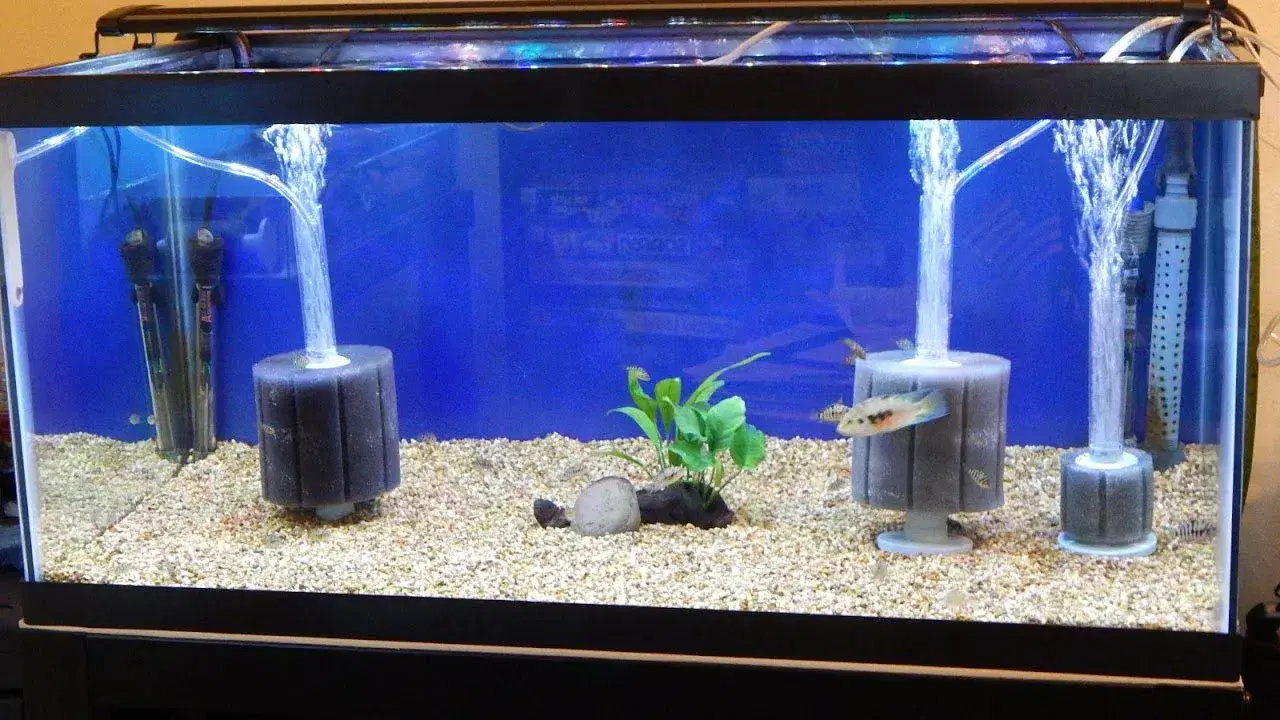
Choose filters that clean well without making water flow too fast. Sponge filters are a good option.
- Use filters with adjustable flow speed
- Clean filters regularly to keep water fresh
- Consider adding plants to help with water quality
- Monitor water clarity and smell often
Substrate And Decorations
Setting up a fish tank for slow-moving species requires careful planning. The right substrate and decorations create a safe habitat. Fish need an environment that mimics their natural home.
Choosing suitable materials is essential. It affects water quality and fish health. Let’s explore how to select safe materials, plants, and shelters.
Safe Materials
Materials in the tank must be non-toxic. They should not alter the water chemistry. Consider these options when selecting substrate and decorations.
- Gravel: Smooth, non-sharp edges
- Sand: Fine grain for gentle bottom dwellers
- Rocks: Rinse thoroughly to remove debris
- Driftwood: Pre-treated to avoid tannins
Plant Choices
Plants provide oxygen and shelter. They also help to maintain water quality. Choose plants that thrive in low-light conditions for slow-moving fish.
| Plant | Light Requirement |
| Anubias | Low |
| Java Fern | Low to Medium |
| Amazon Sword | Medium |
Hiding Spots And Shelter
Hiding spots are crucial for slow-moving species. They reduce stress and provide a sense of security. Use natural-looking shelters for a more realistic environment.
Consider these ideas for creating hiding spots:
- Caves made from ceramic or resin
- Overturned pots with smooth edges
- Dense clusters of plants for cover
Feeding Slow-moving Fish
Feeding slow-moving fish requires care and attention. These species have special dietary needs and feeding habits.
Understanding these needs ensures they stay healthy and active in your tank.
Diet Types
Slow-moving fish often require specific types of food. Their diet can include a mix of live, frozen, or prepared foods.
- Live foods like brine shrimp
- Frozen options such as bloodworms
- Prepared pellets designed for slow eaters
Feeding Techniques
Proper feeding techniques are essential for slow-moving fish. It helps them get the right amount of nutrients without stress.
Avoiding Overfeeding
Overfeeding can harm fish and water quality. It’s important to provide the right portion sizes.
| Fish Type | Recommended Portion |
| Betta | 3-4 pellets per day |
| Gourami | 5-6 small flakes per day |
| Angelfish | 6-8 pellets per day |
Credit: www.hygger-online.com
Maintenance Routine
Keeping a fish tank with slow-moving species clean is important for their health. Regular maintenance helps keep the water clear and safe.
Below are key parts of a maintenance routine to follow for a healthy aquarium environment.
Water Changes
Changing water regularly removes waste and keeps the tank fresh. For slow-moving species, smaller, frequent changes work best to avoid stress.
- Replace 10-15% of the tank water every week.
- Use a water conditioner to remove chlorine and chloramine.
- Match the new water temperature to the tank temperature.
- Use a gravel vacuum to clean the substrate during water changes.
Cleaning Schedule
Cleaning the tank and equipment keeps algae and dirt under control. Stick to a simple schedule to avoid overwhelming your fish.
| Task | Frequency | Notes |
| Glass cleaning | Weekly | Use an algae scraper or magnetic cleaner. |
| Filter check | Biweekly | Rinse filter media with tank water only. |
| Substrate cleaning | Every water change | Use a siphon to remove debris. |
| Decoration cleaning | Monthly | Clean with tank water, no soap. |
Monitoring Fish Health
Watch your fish daily to spot any signs of illness or stress early. Slow-moving fish may hide problems more than active fish.
- Look for changes in color or spots on the fish.
- Check if fish are eating normally.
- Observe swimming patterns and breathing.
- Remove sick fish to a quarantine tank if needed.
Common Challenges
Setting up a fish tank for slow-moving species requires special care. These fish face unique challenges that can affect their health and growth.
Understanding these challenges helps you create a better environment for your fish. This guide covers stress, diseases, and slow growth issues.
Dealing With Stress
Slow-moving fish can get stressed from loud noises, sudden changes, or too much activity. Stress weakens their immune system and makes them sick.
- Keep the tank in a quiet place away from heavy foot traffic.
- Use dim lighting to mimic their natural habitat.
- Limit sudden water changes and keep temperature stable.
- Avoid overcrowding the tank with too many fish.
- Provide plenty of hiding spots with plants and decorations.
Preventing Diseases
Diseases spread quickly in tanks with slow-moving fish. Clean water and good care reduce the risk of illness.
| Common Disease | Cause | Prevention |
| Ich (White Spot) | Parasite | Maintain water quality, quarantine new fish |
| Fin Rot | Bacteria | Avoid injuries, keep water clean |
| Fungal Infection | Fungus | Remove dead plants, use antifungal treatments |
Handling Slow Growth
Slow growth is normal but can be caused by poor diet or water issues. Proper feeding and tank care help fish grow healthy.
Tips for improving growth:
- Feed high-quality food made for slow-moving species.
- Feed small amounts multiple times a day.
- Check water temperature and chemistry regularly.
- Use supplements if recommended by a vet.

Credit: www.aqqapet.com
Credit: aquadecorbackgrounds.com
Frequently Asked Questions
What Is The Ideal Tank Size For Slow-moving Fish?
A 20-gallon tank or larger suits most slow-moving fish. Larger tanks provide ample space and stable water conditions, crucial for their health and comfort.
How To Choose Substrate For Slow-moving Fish Tanks?
Use soft, smooth substrates like sand or fine gravel. These prevent injury to delicate fins and allow slow-moving species to forage comfortably.
What Plants Are Best For Slow-moving Fish Tanks?
Opt for hardy, slow-growing plants like Anubias or Java fern. These provide shelter and reduce water flow, creating a calm environment for slow movers.
How To Maintain Water Flow For Slow-moving Fish?
Keep water flow gentle using adjustable filters or baffles. Low flow mimics natural habitats and prevents stress in slow-moving species.
Conclusion
Setting up a fish tank for slow-moving species needs patience and care. Choose gentle water flow and soft lighting to keep fish calm. Add plenty of hiding spots with plants and decorations. Keep water clean and check temperature often. Watch your fish to see how they behave.
Small changes can make a big difference for their comfort. Enjoy the peaceful beauty these fish bring to your home. With the right setup, your slow movers will thrive happily.