
If you want your freshwater aquarium to thrive, choosing the right filter is one of the most important decisions you’ll make. Your fish rely on clean, clear water to stay healthy and happy, and the right aquarium filter keeps their environment balanced.
But with so many options out there, how do you pick the best one for your setup? Keep reading, and you’ll discover everything you need to know to find the perfect filter that will keep your freshwater aquarium sparkling and your fish swimming strong.
Types Of Aquarium Filters
Keeping freshwater aquariums clean needs good filtration. Filters help remove dirt and harmful substances. They keep water clear and safe for fish.
There are different filter types. Each type works in its own way. Some filters do more than one job. Knowing these types helps pick the right filter.
Mechanical Filters
Mechanical filters trap solid waste like fish waste, uneaten food, and plant debris. They use sponges, pads, or floss to catch particles. This helps keep water clear.
These filters need regular cleaning. If not cleaned, they can get clogged and stop working well. Mechanical filtration is the first step in cleaning aquarium water.
Biological Filters
Biological filters use good bacteria to break down harmful chemicals. These bacteria turn fish waste into less harmful substances. This process is called the nitrogen cycle.
- Good bacteria grow on filter media like ceramic rings or bio-balls.
- They convert ammonia into nitrite, then nitrate.
- Nitrate is less harmful and can be removed by water changes.
Chemical Filters
Chemical filters remove dissolved waste and toxins from the water. They use materials like activated carbon or resins. These materials absorb impurities that mechanical and biological filters miss.
| Filter Material | What It Removes | Replacement Frequency |
|---|---|---|
| Activated Carbon | Odors, discoloration, chemicals | Every 3-4 weeks |
| Zeolite | Ammonia | Every 4-6 weeks |
| Phosphate Remover | Phosphates that cause algae | Varies by product |
Combination Filters
Combination filters use two or more types of filtration in one unit. They save space and make maintenance easier. Many popular aquarium filters are combination types.
Common features of combination filters:
- Mechanical media to trap particles
- Biological media to grow beneficial bacteria
- Chemical media to remove toxins
Choosing The Right Filter
Choosing the right filter is important for a healthy freshwater aquarium. Filters keep the water clean and safe for your fish.
There are different factors to think about before picking a filter. These include tank size, fish types, and how fast the water flows.
Tank Size Considerations
Tank size affects the filter choice because bigger tanks need stronger filters. A small filter may not clean large tanks well.
| Tank Size | Filter Type | Filter Power |
| Under 10 gallons | Internal or Sponge Filter | Low |
| 10 to 30 gallons | Hang-on-back Filter | Medium |
| 30 to 75 gallons | Canister Filter | High |
| Over 75 gallons | Large Canister or Sump Filter | Very High |
Fish Species And Stocking Levels
Different fish produce different amounts of waste. Some fish need very clean water, while others are less sensitive.
- More fish means more waste and a stronger filter is needed.
- Delicate species need gentle water flow and clean water.
- A crowded tank requires a filter with good biological and mechanical filtration.
Flow Rate And Filtration Capacity
The flow rate shows how much water the filter moves each hour. Choose a flow rate that matches your tank size and fish needs.
A filter should clean the whole tank water at least four times per hour. Too strong a flow can stress some fish.
| Flow Rate | Tank Size | Notes |
|---|---|---|
| Under 100 GPH | Under 20 gallons | Good for small tanks and gentle fish |
| 100-300 GPH | 20 to 50 gallons | Suitable for most freshwater tanks |
| Over 300 GPH | Over 50 gallons | Needed for large tanks and heavy stocking |
Setting Up Your Filter
Installing the right filter is key for a healthy freshwater aquarium. A good setup keeps water clean and fish happy.
This guide covers installation tips, priming the filter, and how to position it for the best flow.
Installation Tips
Before starting, read the filter manual carefully. Gather all parts to avoid delays. Make sure the power is off during installation.
- Rinse filter media with tank water before use.
- Attach hoses securely to avoid leaks.
- Check for cracks or damages on the filter parts.
- Place the filter on a stable surface near the tank.
- Use the recommended filter size for your aquarium volume.
Priming The Filter
Priming fills the filter with water to start the flow. Some filters need manual priming, others start automatically.
- Fill the filter’s intake tube or chamber with water.
- Plug in the filter and switch it on.
- Listen for a humming sound to confirm it is working.
- If no water flows, switch off and repeat priming.
- Check for air bubbles and remove them by gently shaking the filter.
Positioning For Optimal Flow
| Placement | Benefit | Note |
|---|---|---|
| Near Aquarium Bottom | Good for removing debris | Helps with water circulation |
| Near Water Surface | Improves oxygen exchange | Prevents dead zones |
| Corner Position | Reduces visible equipment | Ensures even flow |
Adjust the filter output direction so water flows across the tank. Avoid pointing it directly at plants or fish resting spots.

Credit: www.amazon.com
Maintaining Filter Efficiency
Keeping your aquarium filter working well is key for a healthy tank. Clean and well-maintained filters help keep water clear.
Regular care stops blockages and allows the filter to remove waste properly. This helps fish stay healthy and happy.
Cleaning Schedule
Set a cleaning routine for your filter parts. This keeps water flowing and stops dirt build-up.
Check the filter every two weeks. Clean parts that have trapped debris but do not overclean.
- Rinse filter sponges in aquarium water, not tap water
- Remove large debris from intake tubes
- Clean the impeller gently to keep it spinning
- Do not clean all filter media at once to keep beneficial bacteria
Replacing Filter Media
Filter media traps dirt and helps bacteria grow. Replace it to keep the filter working well.
Follow the manufacturer’s guide for when to change each type of media. Usually, some media lasts longer.
- Replace chemical media like carbon every 3-4 weeks
- Change mechanical media when it looks worn or clogged
- Keep biological media longer to protect good bacteria
- Replace only one type of media at a time
Troubleshooting Common Issues
If the filter stops working or water flow drops, check for common problems. Fixing these keeps the tank healthy.
Look for blockages, worn parts, or air bubbles that can reduce filter performance.
- Clean clogged sponges and tubes
- Check the impeller for damage or dirt
- Remove trapped air by tilting the filter gently
- Make sure the power is connected and working
Enhancing Water Quality
Keeping water clean is vital for a healthy freshwater aquarium. An effective filter removes waste and harmful chemicals. It ensures a safe environment for your fish.
There are several components that improve water quality. Each plays a unique role in filtration. Understanding these can help maintain a thriving aquarium.
Using Activated Carbon
Activated carbon is a key part of many filters. It removes impurities, odors, and toxins from the water. This helps keep the aquarium clear and fresh.
Replace the carbon regularly to maintain its effectiveness. Always follow the manufacturer’s guidelines for best results.
Incorporating Bio Balls
Bio balls provide a surface for beneficial bacteria. These bacteria break down harmful ammonia and nitrites. This process is essential for a balanced ecosystem.
Bio balls do not need frequent replacement. Rinse them in aquarium water to clean without harming the bacteria.
Adding Filter Sponges
Filter sponges trap debris and particles from the water. They are reusable and easy to clean. Sponges also provide a home for beneficial bacteria.
Rinse the sponges every few weeks. Use aquarium water to avoid killing the bacteria. Never use soap or tap water for cleaning.

Credit: www.amazon.com
Energy And Noise Considerations
Choosing the right aquarium filter is important for keeping your fish healthy. It also helps save energy and reduce noise. This is key for a peaceful home environment.
Filters run 24/7, so picking an energy-efficient and quiet model saves money and keeps noise low. This guide covers how to choose and maintain such filters.
Choosing Energy-efficient Models
Energy-efficient filters use less power while still cleaning the water well. Look for models with low wattage and good flow rates. This saves electricity and cuts costs.
Filters with adjustable flow settings allow you to use only the power needed. This prevents wasting energy and keeps your aquarium safe.
- Choose low wattage filters
- Look for adjustable flow controls
- Check energy ratings and reviews
- Consider filters with energy-saving motors
Reducing Filter Noise
Filter noise can disturb your home and scare fish. Pick models known for quiet operation. This makes your aquarium a calm place.
Filters with sound-dampening features or sealed motors often run quietly. Also, avoid placing filters on hard surfaces that amplify noise.
- Choose filters with sealed motors
- Look for sound-dampening technology
- Place filters on soft or padded surfaces
- Use rubber feet or mats under filters
Maintaining Quiet Operation
Regular cleaning keeps filters running smoothly and quietly. Clogged parts make motors work harder and create noise.
Check and replace filter media as needed. Tighten loose parts and lubricate moving parts if recommended by the manufacturer.
- Clean filter media regularly
- Replace worn parts on time
- Check for loose screws or fittings
- Follow manufacturer maintenance tips
Advanced Filtration Techniques
For a healthy and thriving freshwater aquarium, proper filtration is essential. In this section, we will explore advanced filtration techniques to help you maintain a clean and balanced aquatic environment.
Uv Sterilizers
UV sterilizers are used to eliminate bacteria, viruses, and other microorganisms that can harm your aquatic life. By using a UV sterilizer, you can reduce the risk of disease and maintain a healthy aquarium ecosystem.
| Benefits of UV Sterilizers |
|---|
| Eliminates bacteria, viruses, and other microorganisms |
| Reduces the risk of disease |
| Helps maintain a healthy aquarium ecosystem |
Sump Filters
Sump filters are designed to remove waste products and excess nutrients from the aquarium water. They are typically placed at the bottom of the aquarium and can be used in conjunction with other filtration systems.
- Removes waste products and excess nutrients
- Helps maintain water quality
- Can be used in conjunction with other filtration systems
Canister Filters
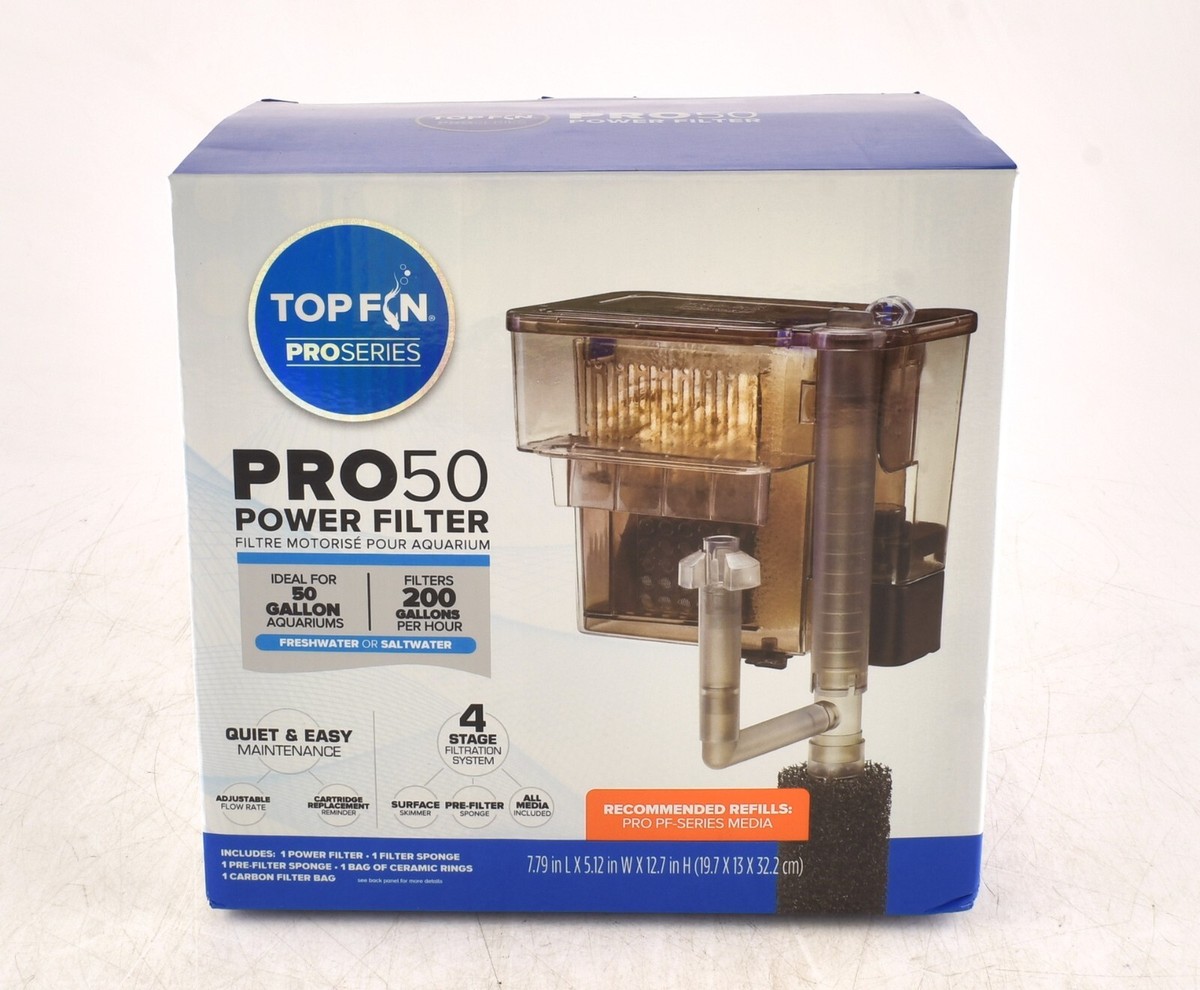
Canister filters are a type of filtration system that uses a separate container to house the filter media. They are often used in large aquariums and can be customized to meet the specific needs of your aquatic ecosystem.
| Benefits of Canister Filters |
|---|
| Highly customizable |
| Can be used in large aquariums |
| Helps maintain water quality |
Credit: www.ebay.ca
Frequently Asked Questions
What Type Of Filter Is Best For Freshwater Aquariums?
A hang-on-back (HOB) filter is ideal for most freshwater tanks. It provides mechanical, chemical, and biological filtration effectively. HOB filters are easy to maintain and offer good water flow for healthy fish and plants.
How Often Should I Clean My Freshwater Aquarium Filter?
Clean your filter every 2 to 4 weeks, depending on tank size and fish load. Avoid over-cleaning to preserve beneficial bacteria. Rinse filter media gently with tank water to maintain biological filtration.
Can I Use A Saltwater Filter In Freshwater Tanks?
Saltwater filters are not recommended for freshwater tanks. They are designed for different water chemistry and filtration needs. Using the correct filter type ensures optimal water quality and fish health.
What Are Signs My Aquarium Filter Needs Replacement?
Reduced water flow, strange noises, and cloudy water are signs to replace your filter. Also, if the filter media is worn out or damaged, replacement is necessary to maintain water quality.
Conclusion
Choosing the right aquarium filter keeps your water clean and fish healthy. A good filter removes waste and stops bad smells. It also helps oxygen flow in the tank. Regular filter care makes your aquarium a safe home. Clean water means happy fish and less work for you.
Take time to pick a filter that fits your tank size. This small step makes a big difference in freshwater aquarium care. Your fish will thank you with bright colors and active swimming. Keep it simple, keep it clean, and enjoy your aquarium.