
Have you ever stared at your fish tank and wished you could see your fish more clearly? The right lighting can change everything.
It brings out the vibrant colors of your fish and lets you observe their behavior in detail. But not all lights are made equal, and choosing the best one for your tank can be confusing. You’ll discover simple tips to pick the perfect lighting for fish observation.
You’ll learn how light affects your fish and how to create a beautiful, healthy environment that makes every glance into your tank a true pleasure. Keep reading to transform your fish-watching experience!
Importance Of Proper Lighting
Proper lighting is essential for viewing fish clearly. It helps show their true colors and shapes.
Good lighting also keeps fish healthy and calm. It creates a better environment for fish observation.
Enhancing Fish Colors
Proper lighting makes fish colors bright and vivid. It brings out patterns that might be hard to see.
Using the right light type and intensity helps show natural colors without washing them out.
- LED lights highlight reds and blues well
- Full-spectrum lights mimic daylight colors
- Avoid harsh lights that create glare
Reducing Stress In Fish
Fish feel less stressed with gentle lighting. Bright or flickering lights can scare them.
Consistent light cycles help fish stay calm and healthy. Sudden changes cause anxiety.
- Use dimmable lights to adjust brightness
- Keep light on a timer for regular cycles
- Choose lights that do not flicker
Simulating Natural Environment
Natural lighting helps fish behave like they do in the wild. It improves their well-being.
Light color and timing should match the fish’s natural habitat. This supports their daily rhythms.
- Mimic sunrise and sunset with gradual light changes
- Use blue light to simulate moonlight at night
- Match light temperature to fish’s native environment
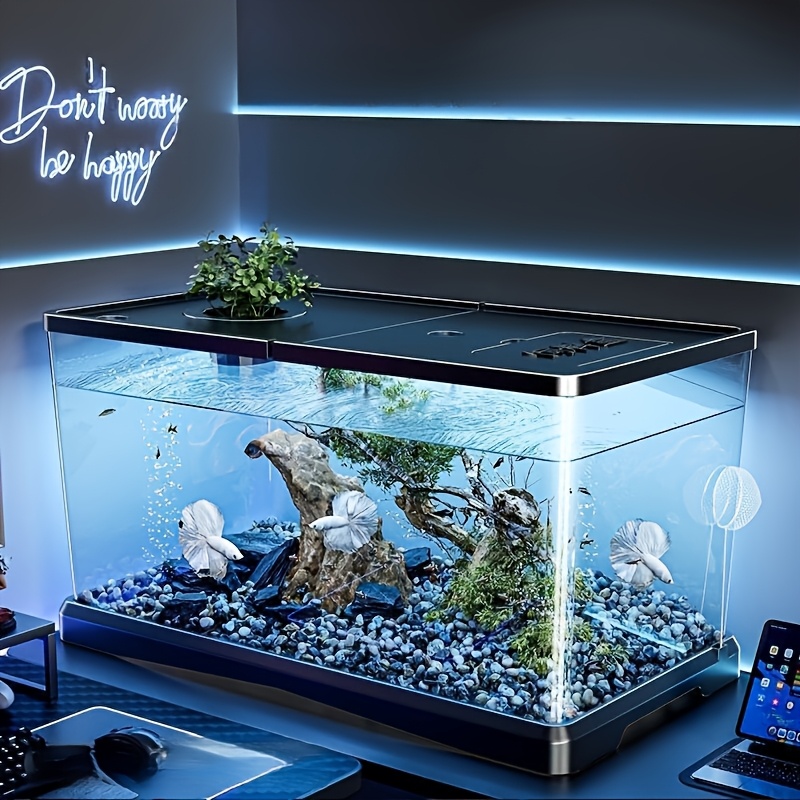
Credit: www.temu.com
Types Of Aquarium Lighting
Aquarium lighting helps fish and plants live well. It also makes your tank look beautiful.
There are different types of lights for fish observation. Each type has its own features.
Led Lights
LED lights use little energy and last a long time. They give bright light with many colors.
You can control LED lights to match day and night. This helps fish feel natural.
Fluorescent Lights
Fluorescent lights are common in aquariums. They give soft light that plants like.
These lights are cheaper but use more energy than LEDs. They come in tubes or compact bulbs.
Incandescent Lights
Incandescent lights are old-style bulbs. They give warm light but use a lot of power.
They can make the tank too hot. These lights are not good for plants or fish health.
Metal Halide Lights
Metal halide lights are very bright and strong. They are good for deep tanks and coral reefs.
These lights use more energy and create heat. They need special fixtures to work safely.
Choosing The Right Light Spectrum
Lighting plays a big role in fish observation and tank health. The right light spectrum helps fish look natural and stay healthy. Choosing the correct spectrum depends on the type of fish and tank setup.
Different light spectrums affect how fish colors show and how plants grow. This guide covers daylight, actinic, and freshwater spectrum choices.
Daylight Spectrum Benefits
Daylight spectrum lighting mimics natural sunlight. It helps fish display their true colors. This spectrum also supports plant growth in tanks with live plants.
- Enhances fish color visibility
- Supports photosynthesis in plants
- Creates a natural look in the aquarium
- Helps regulate fish behavior and cycles
Actinic Lighting For Marine Tanks
Actinic lights emit blue light in the 420-460 nm range. This light penetrates water well and highlights fluorescent colors in coral and fish. It also helps marine plants and corals with photosynthesis.
| Wavelength Range | 420-460 nm |
| Main Effect | Enhances blue and fluorescent colors |
| Best For | Marine tanks with corals and blue fish |
| Benefit | Improves coral growth and fish appearance |
Customizing Spectrum For Freshwater Fish
Freshwater fish need a mix of light spectrums to look their best. You can adjust lighting based on fish species and tank plants. A custom mix helps fish colors pop and supports plant health.
- Use full-spectrum bulbs for balanced light
- Add red or yellow lights to boost warm colors
- Include blue lights for a calm, natural effect
- Adjust light duration for fish activity cycles
Light Intensity And Duration
Lighting plays a key role in how well you can observe fish in an aquarium. Both the brightness and how long the light stays on affect fish behavior and tank health.
Choosing the right light intensity and setting a proper schedule helps keep your fish active and your tank clear.
Balancing Brightness Levels
Too much brightness can stress fish and cause unnatural behavior. Too little light makes it hard to see them clearly. You should find a brightness level that is gentle yet effective.
- Use dimmable LED lights for flexible control.
- Adjust brightness based on fish species needs.
- Consider natural light exposure in the room.
- Check that the light does not cause glare on the glass.
Optimal Lighting Schedule
Fish need a consistent light and dark cycle to stay healthy. A proper lighting schedule simulates their natural environment and promotes regular activity.
| Time | Light Status |
| 7:00 AM – 10:00 AM | Low intensity |
| 10:00 AM – 6:00 PM | Moderate intensity |
| 6:00 PM – 8:00 PM | Low intensity |
| 8:00 PM – 7:00 AM | Lights off |
Avoiding Overexposure And Algae Growth
Too long or too bright lighting can cause algae to grow quickly. This harms water quality and hides your fish from view. Managing light duration helps control algae.
- Limit light to 8-10 hours per day.
- Use timers to maintain consistent lighting periods.
- Keep the tank away from direct sunlight.
- Clean algae regularly to prevent buildup.
Lighting Placement And Angles
Good lighting helps you see fish clearly. The placement and angle of lights affect visibility and comfort. Proper setup shows fish colors and movements well.
Lighting should reduce reflections and glare. Using several light sources can create a balanced view. Adjust lights carefully for the best results.
Positioning For Maximum Visibility
Place lights to highlight fish without shadows. Position lights above or slightly to the side for clear views. Avoid placing lights directly behind you.
- Use angled lighting to show fish shapes
- Keep lights close to the water surface
- Adjust height to focus on key areas
- Test different angles to reduce dark spots
Minimizing Reflections And Glare
Reflections and glare block your view. Adjust light angles to avoid shining into your eyes. Use matte surfaces around the tank to reduce light bounce.
| Cause | Solution |
| Light hitting glass directly | Angle lights away from glass |
| Bright light sources near viewer | Lower light brightness or use diffusers |
| Reflective tank backgrounds | Use dark, non-reflective backgrounds |
| Overhead room lights | Turn off or dim room lighting |
Using Multiple Light Sources
Using more than one light creates even lighting. Combine lights at different angles to cover all areas. This reduces shadows and improves depth.
Tips for multiple lights:
- Use one main light above the tank
- Add side lights for detail
- Choose adjustable lights to change angles
- Mix warm and cool lights for natural colors

Credit: www.reddit.com
Special Lighting Techniques
Lighting plays a key role in observing fish. Different techniques help highlight fish features and behaviors. Special lighting can enhance the viewing experience.
Using the right lighting makes it easier to see fish clearly. It can create interesting effects and make observations more enjoyable.
Backlighting For Silhouettes
Backlighting creates shadows and silhouettes of fish. This technique is useful to observe shapes and outlines.
Place the light source behind the fish. This makes the fish appear as a dark shape against a bright background.
- Highlights movement
- Shows unique fish profiles
- Enhances dramatic effects
Spotlighting For Highlighting
Spotlighting focuses light on a specific area. It highlights details and colors of fish.
Use a narrow beam to illuminate a small section. This draws attention to interesting features.
- Brings out colors
- Shows detailed textures
- Emphasizes particular fish
Using Colored Lights For Effects
Colored lights add visual effects to fish observation. Different colors affect mood and appearance.
Choose colors that enhance the natural beauty of fish. Experiment with different shades for various effects.
- Blue lights for a calm atmosphere
- Red lights to highlight warm tones
- Green lights for a natural look
Maintenance And Troubleshooting
Lighting for fish observation requires regular maintenance. Proper care ensures clear visibility and healthy fish.
Troubleshooting helps solve common lighting problems. It keeps your fish tank well-lit and functioning smoothly.
Cleaning And Replacing Bulbs
Clean bulbs regularly to maintain brightness. Dust and algae can dim the light over time.
Replace bulbs when they burn out. Use the correct bulb type for your fixture.
- Turn off the light before cleaning
- Use a soft cloth to wipe bulbs
- Check bulb specifications before replacing
Managing Light Fixtures
Check fixtures for damage. Loose connections can cause lights to flicker.
Adjust fixtures to ensure even lighting. Proper alignment enhances visibility.
- Inspect wiring for wear and tear
- Secure fixtures tightly to avoid movement
- Ensure fixtures are water-resistant
Common Lighting Issues And Fixes
Lights may flicker or not turn on. This often results from faulty wiring.
Check power sources if lights fail. A blown fuse might be the issue.
- Tighten any loose connections
- Replace blown fuses immediately
- Consult an electrician if problems persist

Credit: www.noozhawk.com
Energy Efficiency And Cost
Lighting is important for observing fish clearly. Using energy-efficient lights can save money and protect the environment. Choosing the right lighting helps reduce electric bills and keeps your setup eco-friendly.
In this guide, you will learn about energy-saving options, long-term cost effects, and smart controls. These points will help you make good decisions for your fish observation lighting.
Choosing Energy-saving Options
Pick lighting that uses less electricity but still shows fish colors well. LED lights are a popular energy-saving choice. They last long and use much less power than old bulbs.
- LED lights use up to 80% less energy than incandescent bulbs
- Choose lights with adjustable brightness to save power
- Look for lights with good color rendering for clear fish viewing
- Use daylight spectrum bulbs to mimic natural light
Long-term Cost Considerations
Think about costs over time, not just the price of the light. Some lights cost more at first but save money on electricity and replacements. This lowers the total cost in the long run.
| Lighting Type | Initial Cost | Energy Use | Life Span | Replacement Frequency |
| Incandescent | Low | High | 1,000 hours | Often |
| Fluorescent | Medium | Medium | 8,000 hours | Less often |
| LED | High | Low | 25,000 hours | Rare |
Smart Lighting Controls
Smart controls help you use light only when needed. Timers and motion sensors turn lights off automatically. This saves energy and cuts costs.
Features of smart lighting controls:
- Set schedules for lighting times
- Adjust brightness remotely
- Use sensors to detect room activity
- Integrate with home automation systems
Frequently Asked Questions
What Is The Best Lighting For Fish Observation?
The best lighting for fish observation is full-spectrum LED lights. They mimic natural sunlight and enhance fish colors. These lights reduce stress and improve visibility. LED lights are energy-efficient and long-lasting, ideal for aquarium use.
How Does Lighting Affect Fish Behavior?
Lighting influences fish activity, feeding, and breeding. Proper light cycles simulate natural environments, promoting healthy behavior. Too much light can stress fish, while too little hinders observation. Balanced lighting supports fish well-being and clear viewing.
Can Colored Lights Improve Fish Visibility?
Yes, colored lights like blue or white enhance fish visibility. Blue lights simulate moonlight, calming nocturnal species. White lights highlight vibrant colors during the day. Using adjustable lighting allows for optimal viewing and fish comfort.
How Long Should Aquarium Lights Be On Daily?
Aquarium lights should be on for 8 to 12 hours daily. This mimics natural day-night cycles and supports fish health. Consistent lighting prevents stress and algae overgrowth. Using timers ensures regular light periods without manual control.
Conclusion
Good lighting brings fish observation to life. It helps you see colors and movements clearly. Choose the right light type and brightness for your tank. Avoid harsh or flickering lights that stress fish. Soft, steady lighting creates a calm environment.
Experiment with angles to reduce glare and shadows. Watch your fish closely to find what works best. Enjoy the beauty of your underwater world every day. Lighting makes a big difference in fish care and viewing. Keep it simple and natural for happy, healthy fish.