
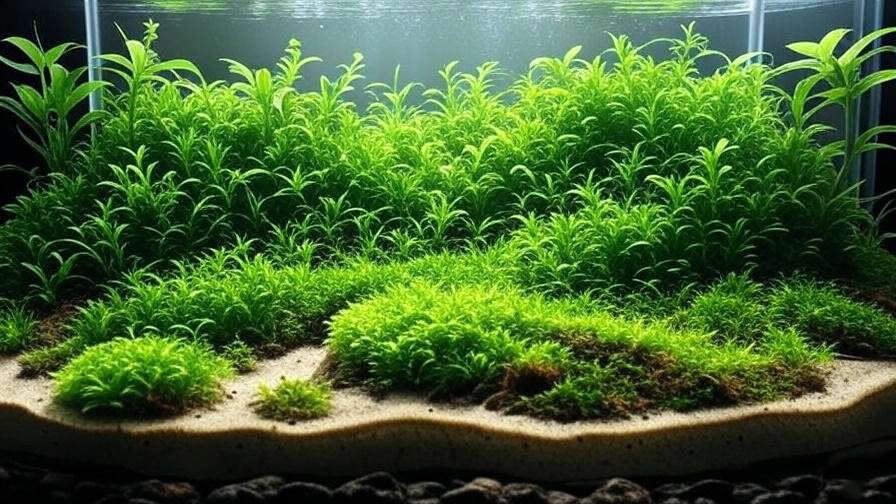
Are you fascinated by tiny underwater worlds that bring peace and beauty right into your home? Aquascaping for dwarf species lets you create stunning, miniature aquatic landscapes that highlight the charm of these small fish and plants.
Imagine a vibrant, balanced tank where every detail works perfectly together—this is not just decoration; it’s a living piece of art. If you want to learn how to design and care for these delicate ecosystems, keep reading. You’ll discover simple tips and expert secrets that make your aquascaping journey both fun and rewarding.
Credit: agricarehub.com
Choosing The Right Dwarf Species
Aquascaping with dwarf species offers a beautiful and manageable aquarium setup. Picking the right dwarf species helps keep your tank balanced and lively.
Many dwarf species fit well in small tanks. Knowing their needs and behavior ensures a healthy aquatic environment.
Top Dwarf Fish For Small Tanks
Dwarf fish are perfect for small aquariums. They need less space and are easy to care for.
- Neon Tetras: Bright colors and peaceful nature
- Endler’s Livebearers: Hardy and active swimmers
- Celestial Pearl Danios: Small size and unique patterns
- Ember Tetras: Warm orange tones and schooling behavior
- Betta Fish (dwarf varieties): Vibrant colors and simple care
Popular Dwarf Shrimp Varieties
Dwarf shrimp add color and clean the tank naturally. They are peaceful and fit well in planted aquariums.
| Shrimp Variety | Color | Tank Size | Care Level |
|---|---|---|---|
| Cherry Shrimp | Red | 5 gallons | Easy |
| Crystal Red Shrimp | Red and White | 10 gallons | Moderate |
| Blue Dream Shrimp | Blue | 10 gallons | Easy |
| Amano Shrimp | Transparent | 15 gallons | Easy |
| Ghost Shrimp | Transparent | 5 gallons | Easy |
Selecting Compatible Species
Compatibility keeps your tank peaceful and healthy. Choose species that share similar needs and temperaments.
- Match water temperature and pH needs
- Choose peaceful species to avoid fights
- Consider size differences to prevent bullying
- Include bottom dwellers with mid or top swimmers
- Avoid mixing aggressive fish with shy species
Credit: www.practicalfishkeeping.co.uk
Tank Setup Essentials
Aquascaping for dwarf species means creating small, beautiful underwater gardens. The right tank setup helps your plants and fish thrive.
Choosing the right size, substrate, and filtration keeps the environment healthy and easy to maintain.
Ideal Tank Sizes For Mini Aquascapes
Small tanks suit dwarf species well. They save space and look nice on desks or shelves.
Tanks between 5 and 10 gallons work best. They provide enough room without being too large.
- 5 gallons: Good for very small setups and a few dwarf fish
- 10 gallons: Allows more plants and small fish groups
- 15 gallons: Offers space for more complex designs and species
Choosing The Best Substrate
Substrate supports plant growth and helps keep water clean. It also looks natural in the tank.
Choose fine gravel or nutrient-rich soil. These help dwarf plants root well and grow strong.
- Fine gravel: Easy to clean and good for root plants
- Nutrient soil: Provides minerals for healthy plant growth
- Sand: Smooth look but may need extra nutrients
Selecting Suitable Filtration Systems
Filtration keeps the water clear and safe for fish and plants. It removes waste and harmful chemicals.
Choose filters that fit small tanks and work quietly. Gentle water flow is best for dwarf species.
- Sponge filters: Gentle flow and good for small tanks
- Internal filters: Compact and easy to install
- Hang-on-back filters: Effective but may need flow control
Plant Selection And Placement
Aquascaping with dwarf species requires careful plant choice and smart placement. Small tanks need plants that stay small and grow well in limited space.
Choosing the right plants and placing them thoughtfully creates a natural, balanced look. It also helps fish feel safe and comfortable.
Low-maintenance Plants For Small Tanks
Low-maintenance plants save time and keep the tank healthy. They grow slowly and do not need special care or strong lighting.
These plants fit well in small tanks and suit dwarf fish species. They add color and texture without crowding the space.
- Anubias Nana – grows slowly, attaches to rocks or wood
- Java Fern – thrives in low light, does not need planting in substrate
- Cryptocoryne Wendtii – stays small, offers dense foliage
- Marimo Moss Balls – easy to care for, adds green round shapes
- Water Wisteria – fast growing but can be trimmed often
Creating Depth With Plant Layers
Plant placement in layers makes the tank look bigger and more natural. Taller plants go in the back to create a background.
Medium plants fit in the middle, while short plants stay in front. This layering adds depth and helps fish hide easily.
- Place tall plants like Vallisneria or Amazon Sword at the back
- Use medium height plants such as Cryptocoryne in the middle
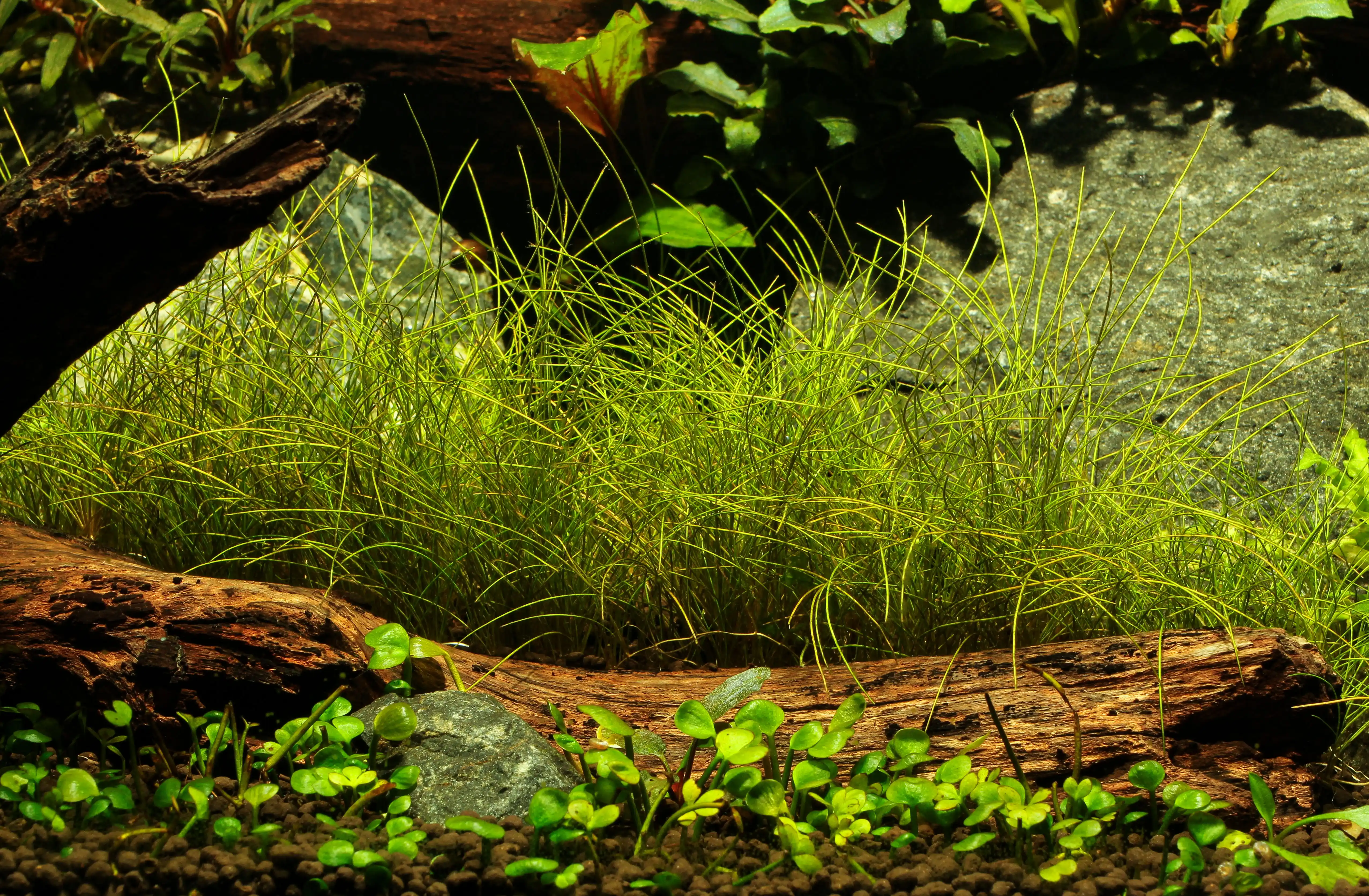
- Put small plants like Dwarf Hairgrass in the front
- Leave open spaces for fish to swim freely
Using Mosses And Ground Covers
Mosses and ground covers make the aquascape look lush and natural. They also provide hiding spots for small fish and shrimp.
These plants grow low and spread slowly, perfect for small tanks. Mosses attach easily to rocks and wood, adding texture.
- Java Moss – attaches to surfaces, grows well in low light
- Christmas Moss – dense and bushy, good for hiding places
- Dwarf Baby Tears – a tiny ground cover that forms a green carpet
- Glossostigma – fast spreading carpet plant, needs trimming
Aquascaping Layout Styles
Aquascaping is the art of arranging plants, stones, and wood in an aquarium. It creates a beautiful underwater scene that suits your dwarf species fish.
Different layout styles help highlight the small size and colors of dwarf species. Each style has unique features and design rules.
Nature-inspired Layouts
Nature-inspired layouts mimic real landscapes like mountains, forests, or riverbeds. These designs bring a natural feel to dwarf species tanks.
- Use rocks and wood to create natural shapes.
- Select plants that match the natural environment.
- Arrange elements to show depth and perspective.
- Keep balance between open space and planted areas.
Iwagumi Style For Dwarf Tanks
Iwagumi is a Japanese style that uses few stones in a simple layout. It suits dwarf tanks because of its clean and minimal look.
| Stone Type | Placement | Role |
| Large Stone (Oyaishi) | Center or side | Main focus |
| Medium Stones (Fukuishi) | Near large stone | Supports main stone |
| Small Stones (Soeishi) | Edges | Completes layout |
Plants in Iwagumi are usually low-growing to keep the stones visible. This style creates a peaceful and clear aquarium for dwarf fish.
Dutch Style Adaptations
Traditional Dutch style uses many plants in rows and layers. For dwarf tanks, this style adapts to smaller spaces and fewer plants.
- Choose small or slow-growing plants.
- Arrange plants by height and color.
- Keep open areas for swimming space.
- Trim plants often to maintain shape.
- Green plants for the background
- Red or orange plants for the middle
- Bright green or yellow plants in front
Lighting And Co2 Management
Aquascaping for dwarf species needs the right light and CO2 levels. These help plants grow well and stay healthy.
Good lighting and CO2 control keep the aquarium balanced. This support strong plant roots and vibrant colors.
Choosing The Right Light Spectrum
Plants use light for photosynthesis. The right spectrum helps them grow strong and green.
Blue and red lights are best for plant growth. Blue helps leaves develop. Red boosts flowering and roots.
- Use full spectrum lights for natural growth
- Keep light between 6500K and 7500K for best results
- Avoid too much green light; plants use it less
- Match light strength to plant needs to avoid algae
Co2 Injection Basics
CO2 helps plants make food through photosynthesis. Adding CO2 keeps plants healthy in aquariums.
Inject CO2 carefully to avoid harming fish. Use a diffuser to spread CO2 evenly in the water.
- Test CO2 levels often with a drop checker
- Keep CO2 around 20-30 ppm for dwarf species tanks
- Turn off CO2 at night when plants do not photosynthesize
- Adjust CO2 flow if fish show stress or gasping
Balancing Light And Co2 For Growth
Plants need both light and CO2 to grow well. Too much light without CO2 causes algae.
Match light intensity to CO2 levels. This keeps plants healthy and reduces algae growth.
- Increase CO2 before raising light levels
- Use timers to control light duration, 8-10 hours daily
- Watch plants for signs of stress or algae
- Adjust light and CO2 slowly to find the right balance
Maintenance Tips For Mini Tanks
Aquascaping for dwarf species in mini tanks is a rewarding hobby. Keeping a small tank healthy requires regular care and attention.
Here are some maintenance tips to help you keep your mini tank thriving. These tips focus on water changes, plant care, and water parameters.
Routine Water Changes
Small tanks need frequent water changes to stay clean. Replace 10-15% of the water weekly to remove waste and toxins.
- Use a siphon to remove water and debris.
- Always treat new water to remove chlorine.
- Match water temperature to avoid shocking the fish.
Pruning And Plant Care
Pruning plants keeps them healthy and prevents overcrowding. Trim dead leaves and stems weekly to promote growth.
- Use sharp scissors for clean cuts.
- Remove algae from plant leaves.
- Check for pests and treat if necessary.
Monitoring Water Parameters
Regularly check water parameters to ensure a healthy environment. Test for pH, ammonia, nitrites, and nitrates weekly.
| Parameter | Ideal Range |
| pH | 6.5-7.5 |
| Ammonia | 0 ppm |
| Nitrites | 0 ppm |
| Nitrates | 0-20 ppm |
Troubleshooting Common Issues
Maintaining an aquascape for dwarf species can be challenging. Understanding common issues helps keep your tank healthy.
This guide covers algae management, fish health, and plant deficiencies. Follow these tips to create a balanced environment.
Dealing With Algae
Algae growth can disrupt the balance in your aquascape. Regular maintenance and monitoring help manage it effectively.
Managing Fish Health
Healthy fish ensure a thriving aquascape. Monitor your fish regularly and look for signs of stress or illness.
- Check water parameters weekly
- Provide a varied diet
- Observe for unusual behavior
Addressing Plant Deficiencies
Plants need nutrients to grow well. Deficiencies can lead to poor growth and discoloration.
| Nutrient | Deficiency Sign |
| Nitrogen | Yellow leaves |
| Potassium | Brown leaf edges |
| Iron | Pale new growth |
Enhancing Aesthetics
Aquascaping for dwarf species creates a beautiful underwater world. It improves the look of your aquarium and makes fish feel more at home.
Using natural elements and smart design helps highlight the small size and colors of dwarf fish. This guide covers three key ways to enhance your tank.
Using Driftwood And Rocks
Driftwood and rocks add texture and depth to your tank. They create hiding spots for dwarf fish and bring a natural feel to the layout.
- Choose driftwood with interesting shapes but smooth edges.
- Use rocks of different sizes to build small caves or shelves.
- Place materials to keep open swimming areas for the fish.
- Clean all items well before adding to the aquarium.
Adding Backgrounds And Decorations
Backgrounds and decorations add color and contrast behind your fish. They help draw attention to the dwarf species and create a sense of space.
| Type | Effect |
| Dark Background | Makes colors of fish pop |
| Plant Stickers | Adds greenery without taking space |
| Small Statues | Creates focal points in the tank |
| Colored Gravel | Brightens the tank floor |
Lighting Effects To Highlight Features
Good lighting shows off the colors and shapes of dwarf fish and plants. It can create shadows and highlights that make the tank look lively.
- Use LED lights with adjustable brightness and color.
- Angle lights to avoid glare and reflections.
- Include a timer to mimic natural day and night cycles.
- Mix cool and warm light to enhance colors.

Credit: www.youtube.com
Frequently Asked Questions
What Is Aquascaping For Dwarf Species?
Aquascaping for dwarf species involves designing small, natural habitats in aquariums. It focuses on plants, rocks, and substrate to suit tiny aquatic creatures. This method enhances their environment, promoting healthy growth and natural behavior. It creates aesthetically pleasing, balanced ecosystems ideal for dwarf fish and shrimp.
Which Plants Are Best For Dwarf Species Aquascapes?
Best plants include Java moss, Anubias, and Cryptocoryne. These plants thrive in low light and provide hiding spots. They maintain water quality by absorbing excess nutrients. Their size and growth rate suit dwarf species, ensuring a safe and natural habitat.
How To Maintain Water Quality In Dwarf Aquascapes?
Regular water changes and proper filtration are key. Test water parameters weekly to keep pH, ammonia, and nitrate levels stable. Avoid overfeeding and remove debris promptly. Clean filters gently to preserve beneficial bacteria. This ensures a healthy, balanced environment for dwarf species.
Can Dwarf Species Coexist In The Same Aquascape?
Yes, many dwarf species coexist well if tank conditions match their needs. Choose compatible species with similar water preferences and temperaments. Provide ample hiding spots and space to reduce stress. Monitor behavior regularly to prevent aggression and maintain harmony.
Conclusion
Aquascaping with dwarf species creates a peaceful, beautiful tank. Small plants and tiny fish fit well together. Choose plants that stay small and need little care. Keep water clean and light gentle for best results. Watch your tank grow and change over time.
Enjoy the calm and color your aquascape brings. Simple steps make a big difference in your tank. Try different layouts to find what you like most. Aquascaping can be a fun, relaxing hobby for anyone.