
Setting up a fish tank can be exciting, but have you thought about how important oxygen is for your fish? Without enough oxygen, your fish can become stressed, sick, or worse.
You’ll discover simple and effective ways to keep your tank well-oxygenated. By the end, you’ll know exactly how to create a healthy, thriving environment for your fish. Keep reading, because your fish’s health depends on it!
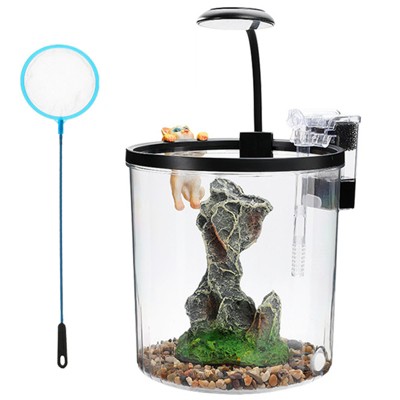
Credit: www.target.com
Choosing The Right Tank
Choosing the right fish tank is important for a healthy aquarium. The tank size, shape, and material affect your fish and the oxygen levels in the water.
This guide will help you pick a tank that fits your space and keeps your fish happy with good oxygenation.
Tank Size And Shape
Tank size affects how much oxygen the water holds. Bigger tanks hold more water, so oxygen stays stable longer. The shape also matters for water flow and surface area.
- Choose a tank with a large surface area for better oxygen exchange.
- Taller tanks may have less surface area than wide tanks of the same volume.
- Consider how many fish you want to keep and their size.
Material Options
Fish tanks come in glass or acrylic. Each material has pros and cons for durability and clarity.
| Material | Durability | Clarity | Weight |
| Glass | High | Very Clear | Heavy |
| Acrylic | Moderate | Clear | Light |
Placement Considerations
Where you put the tank affects its temperature and oxygen levels. Avoid places with direct sunlight or heat sources.
Good placement tips:
- Keep the tank away from windows with strong sunlight.
- Place the tank on a sturdy, level surface.
- Ensure easy access for cleaning and maintenance.
- Avoid spots near heaters or air conditioners.
Essential Equipment
Setting up a fish tank with proper oxygenation needs the right equipment. Good tools keep the water clean and fish healthy.
This guide covers the main equipment for filters and pumps, lighting solutions, heaters, and thermometers.
Filters And Pumps
Filters remove dirt and waste from the water. They keep the water clear and safe for fish.
Pumps help move water through the filter and add oxygen. They create water flow that fish need.
- Choose a filter that fits your tank size
- Use a pump to keep water moving and oxygenated
- Clean filters regularly to keep them working well
Lighting Solutions
Lighting helps plants grow and shows fish colors well. It also controls the day and night cycle in the tank.
LED lights are energy-efficient and last a long time. Choose lights with the right brightness for your fish and plants.
- Use LED lights designed for aquariums
- Set a timer to mimic natural light cycles
- Adjust light intensity based on tank inhabitants
Heaters And Thermometers
Heaters keep the water temperature stable. Fish need a steady temperature to stay healthy.
Thermometers help you check the water temperature. Place them where you can easily see the reading.
- Choose a heater that matches your tank size
- Set the heater to the correct temperature for your fish
- Use a thermometer to monitor temperature daily
Oxygenation Basics
Oxygen is vital for fish to breathe and live in a tank. Proper oxygen levels keep fish healthy and active.
Setting up good oxygenation helps create a safe environment for your fish. It supports their breathing and overall well-being.
Why Oxygen Matters
Fish need oxygen to survive. Oxygen enters the water from the air and plants. Without enough oxygen, fish can get sick or die.
- Oxygen helps fish breathe properly
- Keeps fish active and strong
- Supports beneficial bacteria in the tank
- Prevents harmful gases from building up
Natural Vs. Artificial Oxygen Sources
Oxygen comes from natural and man-made sources in fish tanks. Natural sources include plants and surface water movement.
| Oxygen Source | Description | Pros | Cons |
|---|---|---|---|
| Live Plants | Produce oxygen through photosynthesis | Natural, improves water quality | Needs light and care |
| Surface Agitation | Water movement at surface increases oxygen | Simple, effective | May stress shy fish |
| Aeration Devices | Air pumps and stones add oxygen artificially | Consistent oxygen supply | Uses electricity, noise |
| Water Filters | Circulate water and increase oxygen contact | Improves water clarity too | Needs maintenance |
Signs Of Low Oxygen Levels
Low oxygen harms fish quickly. Watch for these signs to fix oxygen problems fast.
- Fish gasp at the water surface
- Fish stay near filters or aeration
- Slow or weak swimming
- Loss of color or unusual behavior
- Fish gathering in one area of the tank
Oxygenation Methods
Oxygen is vital for fish health in a tank. Proper oxygenation helps fish breathe easily and stay active.
There are several ways to add oxygen to your fish tank. Choosing the right method keeps water fresh and safe.
Air Pumps And Air Stones
Air pumps push air into the tank through tubes. They create bubbles that add oxygen to the water.
Air stones attach to air pumps. They spread air into many small bubbles for better oxygen flow.
- Air pumps need electricity to work
- Air stones make bubbles smaller and more even
- Use air stones to reduce noise and improve oxygenation
Surface Agitation Techniques
Surface agitation moves water at the tank’s top layer. It helps oxygen enter from the air into the water.
Filters or powerheads can create surface movement. This breaks the water surface and adds more oxygen.
- Strong surface movement increases oxygen exchange
- Gentle agitation is good for small or delicate fish
- Adjust flow to avoid stressing your fish
Live Plants For Oxygen
Live plants produce oxygen during photosynthesis. They add oxygen naturally to the tank water.
Plants also help remove toxins and keep water clean. They create a healthy environment for your fish.
- Choose fast-growing plants for more oxygen
- Place plants where they get enough light
- Do not overplant; balance is important
Water Quality Management
Maintaining good water quality is key for a healthy fish tank. Clean water helps fish breathe and stay active.
Proper water management supports oxygenation and prevents diseases in your aquarium.
Testing Parameters
Regular testing of water helps track important conditions. Testing keeps fish safe and the tank balanced.
| Parameter | Ideal Range | Why It Matters |
| pH | 6.5 – 7.5 | Prevents stress and illness |
| Ammonia | 0 ppm | Toxic if present |
| Nitrite | 0 ppm | Harmful to fish |
| Nitrate | Below 20 ppm | Less toxic but should be low |
| Temperature | 74°F – 78°F | Supports oxygen levels |
Regular Water Changes
Change water often to remove waste and toxins. This keeps the tank environment fresh.
- Turn off filters and equipment before change
- Use a siphon to remove 10% to 20% of water
- Refill tank with treated, clean water
- Turn equipment back on and check function
- Repeat every 1 to 2 weeks for best results
Controlling Algae Growth
Algae can harm water quality and reduce oxygen. Control algae to keep the tank healthy.
- Limit sunlight exposure to 6 hours a day
- Do not overfeed fish to reduce waste
- Use algae-eating fish or snails
- Clean tank surfaces regularly
- Check water nutrients to avoid excess
Fish Selection And Compatibility
Setting up a fish tank with oxygenation requires careful fish selection. It’s important to choose fish that can coexist peacefully and thrive in similar conditions.
Understanding the needs and compatibility of different fish ensures a healthy and harmonious aquarium environment.
Oxygen Needs Of Different Species
Different fish species have varying oxygen needs. Some fish require high oxygen levels, while others can survive in lower levels.
- Goldfish need high oxygen levels.
- Betta fish prefer lower oxygen environments.
- Tetras and Guppies thrive in moderate oxygen levels.
Stocking Density Guidelines
Stocking density refers to the number of fish per gallon of water. Overcrowding can lead to stress and health issues.
It’s crucial to follow guidelines to maintain a balanced ecosystem in your tank.
| Fish Type | Recommended Density |
| Goldfish | 20 gallons per fish |
| Tetras | 1 gallon per inch of fish |
| Guppies | 2 gallons per fish |
Behavioral Compatibility
Fish behavior plays a key role in compatibility. Some fish are aggressive, while others are peaceful.
Mixing aggressive and peaceful fish can cause stress and conflict in the tank.
- Angelfish may be aggressive.
- Neon Tetras are peaceful.
- Gouramis can be territorial.
Maintenance Tips
A fish tank needs regular maintenance to keep fish healthy. Proper oxygenation is vital for a balanced aquarium environment.
Follow these simple maintenance tips to ensure your fish tank remains clean and well-oxygenated. This will help your fish thrive.
Cleaning Equipment
Clean equipment ensures proper oxygen flow in the fish tank. Use soft brushes to scrub filters and pipes. Replace worn-out parts regularly.
Check your filter every week. Remove debris that blocks water flow. This helps maintain a clean and healthy environment for your fish.
- Soft brushes for scrubbing
- Replacement parts for filters
- Weekly checks for blockages
Monitoring Oxygen Levels
Monitor oxygen levels to keep fish healthy. Use an oxygen test kit weekly. Adjust air pump settings if levels are low.
Plants and fish need the right oxygen levels. Balance both by checking levels regularly. This keeps your tank ecosystem stable.
- Weekly oxygen test kits
- Adjust air pump settings
- Balance oxygen for plants and fish
Troubleshooting Common Issues
If fish gasp for air, check oxygen and water quality. Cloudy water may mean the filter isn’t working well. Clean or replace it.
Strange fish behavior can signal problems. Keep an eye on your fish and tank. Quick action can prevent serious issues.
- Gasping fish: Check oxygen levels
- Cloudy water: Clean or replace filter
- Watch for unusual fish behavior

Credit: www.amazon.com

Credit: www.amazon.com
Frequently Asked Questions
What Is The Importance Of Oxygenation In Fish Tanks?
Oxygenation keeps water oxygen-rich, vital for fish health. It prevents suffocation and promotes natural fish behavior. Proper oxygen levels also help beneficial bacteria thrive, maintaining tank balance.
How Do I Add Oxygen To My Fish Tank?
Use air pumps, air stones, or surface agitation to boost oxygen. Live plants also produce oxygen during photosynthesis, enhancing water quality naturally and efficiently.
Can Fish Survive Without Oxygenation In Tanks?
Fish need oxygen to survive; tanks without oxygenation risk low oxygen levels. This causes stress, poor health, or death, especially in crowded or warm tanks.
What Equipment Helps Improve Tank Oxygenation?
Air pumps, air stones, sponge filters, and powerheads increase oxygen by promoting water movement. These devices improve gas exchange at the surface, ensuring sufficient oxygen supply.
Conclusion
Setting up a fish tank with good oxygenation keeps fish healthy and happy. Oxygen helps fish breathe and keeps water clean. Using air pumps or plants improves oxygen levels easily. Regular checks on equipment ensure steady oxygen flow. A well-oxygenated tank creates a safe home for your fish.
Simple steps can make a big difference in tank care. Enjoy watching your fish thrive in fresh, clean water.